
A farmer who sells direct keeps the margin the middleman used to take, but only if the online shop works as hard as the farm does. If the shop cannot sell by weight, the farmer weighs every order by hand. If it cannot handle a weekly box, the farmer chases payments every Friday. best ecommerce platforms for farmers is the set of tools that fits the way a farm actually sells, because the right platform takes the order, the payment, and the pickup slot in one pass.
This guide compares 15 platforms on the things that matter to a farm. Sell-by-weight pricing, subscriptions and CSA boxes, pickup and delivery zones, and the real monthly cost. Prices come from vendor pages and independent comparisons checked in late 2026, so confirm the price on the vendor site before you pay, because plans and fees change.
Why Farm Shops Break Generic Online Stores
A farm does not sell like a t-shirt shop. A cut of meat weighs a different amount every time, a vegetable box changes with the season, and a customer wants to pick up at the farm gate on Saturday, not wait for a courier. A generic store makes the farmer fight the software on every order, because it assumes every product is identical, always in stock, and easy to post.
The second difference is the customer. A farm sells to regulars who buy every week, to families who prepay for a season of boxes, and to restaurants that order by weight. Those buyers need subscriptions, variable-weight pricing, and delivery zones drawn around the farm, not a postcode. A platform built for farms has those features on the first screen. A generic platform needs three paid apps to fake them.
The third difference is the margin. A farm already works on thin margins, so a platform fee of 3% on every sale, plus a monthly plan, plus an app subscription, adds up fast. The right platform costs less than the time it saves, because it takes the orders, the payments, and the pickup schedule without a phone call for every box.
Delivery logistics are the fourth difference, because a farm sells perishables that must stay cold and arrive on time. A platform that plans delivery routes, groups orders by zone, and sets cutoff times will keep the cold chain intact and the driver on schedule. A platform that only offers national courier shipping will force the farmer to plan every delivery by hand, which eats the morning the farmer should spend in the field.
The 15 Tools at a Glance
best ecommerce platforms for farmers is the short version of the decision, so read this table before the detail below. Compare the farm features first, then the monthly price, then whether the platform needs paid apps to do the farm jobs.
| Tool | Main job | Best for | Starting price |
|---|---|---|---|
| Local Line | Farm sales across channels | farms selling direct, wholesale, and CSA | from $109 a month |
| Barn2Door | Farm subscriptions and boxes | subscription-led meat and produce farms | from $119 a month, plus a $399 upfront fee |
| GrazeCart | Meat and dairy online sales | meat farms selling direct | pricing on the vendor site |
| Shopify | General online store | farms that plan to scale wide | from about $39 a month |
| Farmbrite | Farm records plus sales | farms that want one system for everything | pricing on the vendor site |
| Farmigo | CSA and farm management | CSA farms and food hubs | pricing on the vendor site |
| GrownBy | CSA member sales | small CSA farms | pricing on the vendor site |
| CSAware | CSA shares and payments | farms running traditional CSA | pricing on the vendor site |
| Farmhand | CSA and farm shop | farms with mixed sales | pricing on the vendor site |
| Freshline | Order-to-production matching | farms matching orders to harvest | pricing on the vendor site |
| Square Online | Free-start farm shop | market stalls and small farm shops | free to about $29 a month |
| WooCommerce | WordPress farm shop | farms that own their website | free plugin, hosting extra |
| Wix | Simple website plus shop | small farms that want a pretty site | from about $17 a month |
| BigCommerce | Scaling online store | farms selling at volume | from about $29 a month |
| Squarespace | Beautiful farm website | farms that sell the story | from about $16 a month |
Best Pick by Job
best ecommerce platforms for farmers gives a different answer for each kind of farm, so match the tool to the job, not to a ranking. A meat farm that sells by weight needs different software from a vegetable farm that runs a weekly box scheme.
| Job type | First pick | Second tool | Why this pair works |
|---|---|---|---|
| Meat and dairy by weight | GrazeCart | Local Line | Catch-weight sales plus perishable handling |
| Weekly CSA veg boxes | Barn2Door | GrownBy | Subscriptions plus box building |
| Farm shop plus market stall | Square Online | Shopify | One system for online and in-person sales |
| Wholesale to restaurants | Local Line | Farmigo | Multiple price lists plus distributor links |
| Farm that also needs farm records | Farmbrite | Farmigo | Sales plus livestock and crop records |
How to Judge the Best Ecommerce Platforms for Farmers
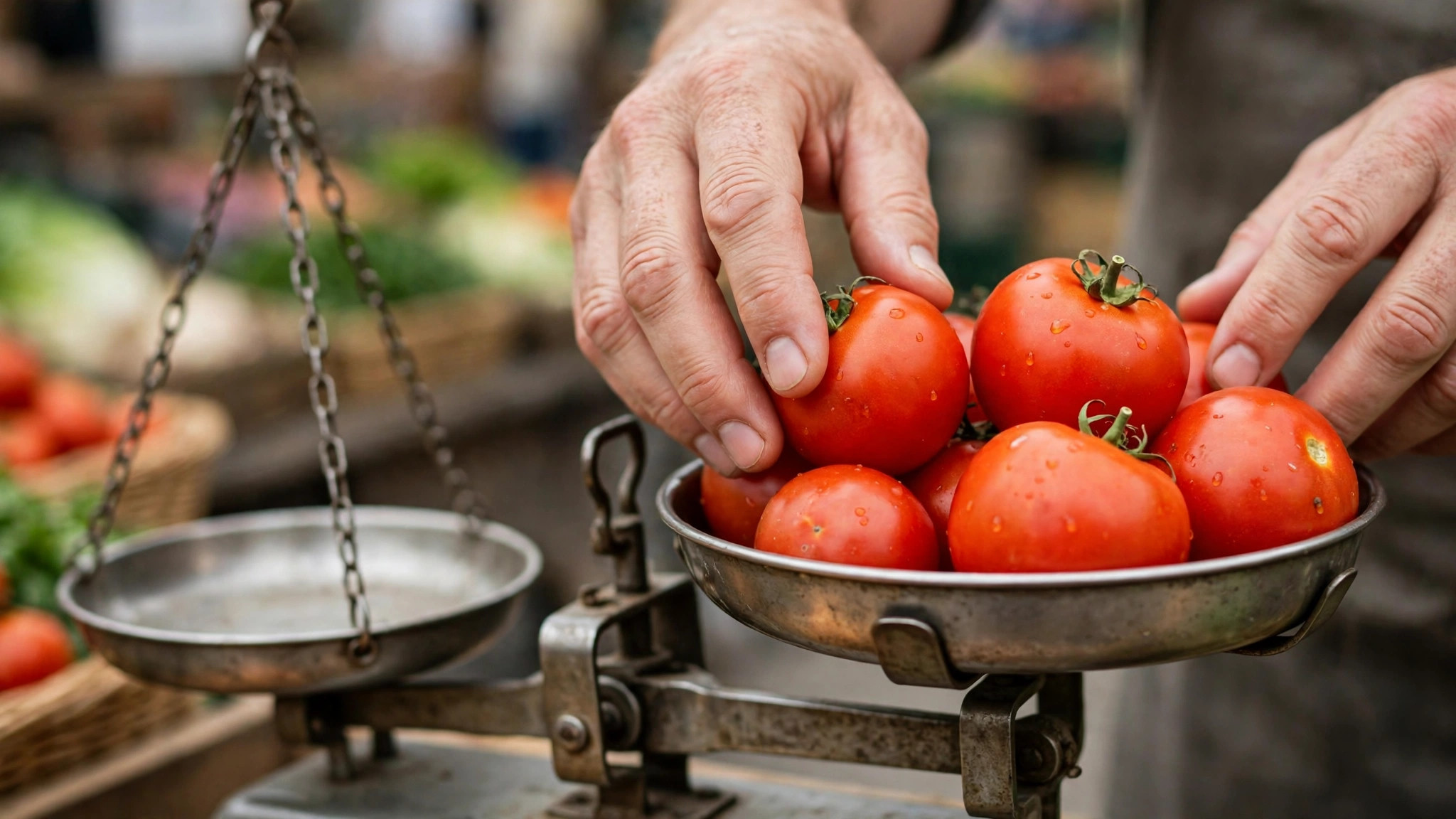
Start with sell-by-weight, because it decides half the list. best ecommerce platforms for farmers must let a customer order a steak and pay for the exact weight, not a fixed pack. If the platform cannot do catch-weight pricing, the farmer will weigh, relabel, and refund by hand on every order, and the software will cost time instead of saving it.
Next, test the subscription. A CSA box, a weekly meat pack, or a monthly egg delivery needs recurring payments, pause and skip options, and a way to swap items. Run one real subscription through the trial, from signup to the first delivery, and watch where the customer gets stuck. The friction you find in the trial is the friction your customers will feel every week.
Then check the pickup and delivery rules. A farm needs delivery zones drawn on a map, cutoff times for orders, and a pickup slot at the farm gate. A platform that only offers national courier shipping will force the farmer to take orders by phone for every local customer, which defeats the point of the shop.

The 15 Tools in Detail
Each platform below is judged on the same farm questions, so the sections compare cleanly. Does it sell by weight, does it run a subscription, does it handle pickup and delivery, and what does it cost each month. Read the farm features first and the price second, because a cheap store that cannot sell by weight will cost more in hand work than the dearer farm platform.
The order below runs from the farm-specific platforms to the general stores, because most farms should start with a tool built for farms and only move to a general store when the farm sells far beyond the local area. The farm platforms come first, the general stores follow, and the website builders close the list for farms that sell through their story as much as their produce.
1. Local Line
Local Line works as a farm-built platform covering direct sales, wholesale, CSA, and food hubs in one place. Its sell-by-weight pricing, box building, and distributor marketplace links are built in, not bolted on, with pricing at from $109 a month.
The limit is the price is higher than a generic store, and box customisation is swap-based rather than fully variable.
Local Line earns its place on the shortlist when farms selling direct, wholesale, and CSA decides the purchase, with pricing at from $109 a month. Run one real Farm sales across channels through Local Line this week, because a demo hides the slow parts. Verify Local Line current price with the vendor, not a comparison page, before committing.
2. Barn2Door
Barn2Door fits subscription-led meat and produce farms. A farm platform built around subscriptions, sell-by-weight, and a built-in point of sale. Its subscription management is the strongest here for farms that live on recurring orders, and the price is from $119 a month, plus a $399 upfront fee.
The limit is the upfront fee and the per-sale charge add up, and support is thinner than the price suggests.
Start with Barn2Door if subscription-led meat and produce farms is what the purchase hinges on, at from $119 a month, plus a $399 upfront fee to begin. Test Barn2Door on a real job before paying, and watch where the team hesitates. Look up Barn2Door latest pricing direct from the vendor before the card comes out.
3. GrazeCart
GrazeCart is a complete online shop built for farmers selling meat and dairy, with subscriptions and catch-weight items. Its edge is its inventory and perishable handling are made for meat, not adapted from a clothing store, and the price is pricing on the vendor site.
The limit is pricing is not published, so the farmer must ask for a quote before budgeting.
If meat farms selling direct matters most, GrazeCart earns a trial at pricing on the vendor site. Put GrazeCart through a real day of work and note every place it slows down. Read GrazeCart pricing page before buying, since the tiers shift without warning.
4. Shopify
Shopify works as the most widely used online store platform, with a huge app library and a point of sale. Its scale, themes, and payment options are unmatched, and it grows with the farm, with pricing at from about $39 a month.
The limit is it is not farm-specific, so sell-by-weight and CSA need paid apps and setup work.
Shopify is worth a week of real use when farms that plan to scale wide is the priority, and the price is from about $39 a month. Give Shopify one genuine task from the current workload and judge it on that alone. Double-check Shopify price on its own site, because third-party lists go stale.
5. Farmbrite
Farmbrite fits farms that want one system for everything. A platform that joins online sales with livestock, crop, task, and financial records. It is the only tool here that runs the farm and the shop together, and the price is pricing on the vendor site.
The limit is the shop is simpler than a dedicated sales platform, and pricing needs a quote.
A trial makes sense when farms that want one system for everything tops the list, and Farmbrite starts at pricing on the vendor site. Try Farmbrite with the team’s own files, not the sample data, and see what breaks. Confirm the price of Farmbrite on the vendor site before paying, since plans change.
6. Farmigo
Farmigo is a long-running CSA platform with subscriptions, packing lists, and delivery management. Its edge is its CSA tools are deep, with member management built for a season of boxes, and the price is pricing on the vendor site.
The limit is the interface feels older than the newer tools, and pricing needs a quote.
For a buyer who puts CSA farms and food hubs first, Farmigo at pricing on the vendor site is the one to test. Spend a week with Farmigo on live work, then decide with the team, not alone. Check Farmigo pricing on the vendor site first, because the plan names move.
7. GrownBy
GrownBy works as a simple platform for CSA farms to sell shares, manage members, and take payments. Its setup is quick and its member tools fit a small CSA without fuss, with pricing at pricing on the vendor site.
The limit is it needs a paid add-on for some CSA features, and the shop is basic.
GrownBy earns its place on the shortlist when small CSA farms decides the purchase, with pricing at pricing on the vendor site. Run one real CSA member sales through GrownBy this week, because a demo hides the slow parts. Verify GrownBy current price with the vendor, not a comparison page, before committing.
8. CSAware
CSAware fits farms running traditional CSA. A dedicated CSA tool for selling shares, taking upfront payments, and managing members. Its traditional CSA workflow covers shares, payments, and vacation holds, and the price is pricing on the vendor site.
The limit is it does little beyond CSA, so a farm that also sells retail needs a second tool.
Start with CSAware if farms running traditional CSA is what the purchase hinges on, at pricing on the vendor site to begin. Test CSAware on a real job before paying, and watch where the team hesitates. Look up CSAware latest pricing direct from the vendor before the card comes out.
9. Farmhand
Farmhand is a farm platform covering CSA shares, online sales, and member credit in one place. Its edge is its member credit works across online and in-person sales, which few tools offer, and the price is pricing on the vendor site.
The limit is it is smaller than the big names, so integrations are fewer.
If farms with mixed sales matters most, Farmhand earns a trial at pricing on the vendor site. Put Farmhand through a real day of work and note every place it slows down. Read Farmhand pricing page before buying, since the tiers shift without warning.
10. Freshline
Freshline works as a platform that matches online orders to production schedules, cutoffs, and delivery zones. Its cutoff and harvest matching stops the farm promising what it cannot pick, with pricing at pricing on the vendor site.
The limit is it is newer and narrower than the big farm platforms, so check the feature list first.
Freshline is worth a week of real use when farms matching orders to harvest is the priority, and the price is pricing on the vendor site. Give Freshline one genuine task from the current workload and judge it on that alone. Double-check Freshline price on its own site, because third-party lists go stale.
11. Square Online
Square Online fits market stalls and small farm shops. A free-start online store that pairs with Square point of sale for markets and the farm gate. Its free plan is genuinely usable, and the market stall hardware is the same system, and the price is free to about $29 a month.
The limit is it is not farm-specific, so CSA and sell-by-weight need workarounds.
A trial makes sense when market stalls and small farm shops tops the list, and Square Online starts at free to about $29 a month. Try Square Online with the team’s own files, not the sample data, and see what breaks. Confirm the price of Square Online on the vendor site before paying, since plans change.
12. WooCommerce
WooCommerce is a free WordPress plugin that turns a farm website into a full online shop. Its edge is it is free to start, endlessly extendable, and the farm owns the site outright, and the price is free plugin, hosting extra.
The limit is sell-by-weight and subscriptions need paid extensions, and the farm maintains it.
For a buyer who puts farms that own their website first, WooCommerce at free plugin, hosting extra is the one to test. Spend a week with WooCommerce on live work, then decide with the team, not alone. Check WooCommerce pricing on the vendor site first, because the plan names move.
13. Wix
Wix works as a drag-and-drop website builder with a shop, bookings, and payments built in. Its site builder is the easiest here for a farmer who wants a good-looking site fast, with pricing at from about $17 a month.
The limit is it is not farm-specific, so CSA and catch-weight need apps.
Wix earns its place on the shortlist when small farms that want a pretty site decides the purchase, with pricing at from about $17 a month. Run one real Simple website plus shop through Wix this week, because a demo hides the slow parts. Verify Wix current price with the vendor, not a comparison page, before committing.
14. BigCommerce
BigCommerce fits farms selling at volume. A full online store platform built for volume, with strong product and order tools. Its built-in features are deeper than most, so fewer apps are needed, and the price is from about $29 a month.
The limit is it is not farm-specific, and the learning curve is steeper than the simple tools.
Start with BigCommerce if farms selling at volume is what the purchase hinges on, at from about $29 a month to begin. Test BigCommerce on a real job before paying, and watch where the team hesitates. Look up BigCommerce latest pricing direct from the vendor before the card comes out.
15. Squarespace
Squarespace is a website builder known for beautiful templates, with a shop and scheduling built in. Its edge is its templates make a farm look excellent with almost no design work, and the price is from about $16 a month.
The limit is it is not farm-specific, so CSA and sell-by-weight need workarounds.
If farms that sell the story matters most, Squarespace earns a trial at from about $16 a month. Put Squarespace through a real day of work and note every place it slows down. Read Squarespace pricing page before buying, since the tiers shift without warning.
What the Monthly Bill Looks Like on a Working Farm
The cheapest useful setup is free, because Square Online starts free and WooCommerce costs only hosting. best ecommerce platforms for farmers starts costing real money at about $16 to $39 a month for a simple shop, and the farm-specific platforms run from about $109 to $119 a month. The question is not which is cheapest, it is which one removes the weekly admin.
A farm selling 200 boxes a week at 25 dollars each takes about 20,000 dollars a month in sales. A 3% platform fee on that is 600 dollars a month, which is more than the monthly plan on any tool here. A farm-specific platform with a lower fee, or no per-sale fee at all, can pay for itself on the fee alone, before the time saved is counted.
Budget for the extras too. A card reader for the market stall costs about $59, a domain name costs about $15 a year, and a paid app for subscriptions can add $29 to $99 a month on a generic platform. Add those to the plan price before comparing, because a cheap plan with three paid apps is often dearer than a farm platform that includes them.
Mistakes Farmers Make When They Pick a Shop
The first mistake is picking the platform the neighbour uses. best ecommerce platforms for farmers is not a popularity contest, it is a match to the way the farm sells. A meat farm that copies a vegetable farm’s platform will fight sell-by-weight on every order, and a CSA farm that copies a retail farm’s platform will fight subscriptions all season.
The second mistake is ignoring the pickup customer. Most farm customers collect at the gate or meet at a drop point, and a shop that only offers courier shipping will lose them. Set up the pickup slots, the delivery zones, and the cutoff times before the first order, not after the first complaint.
The third mistake is underpricing the box. A weekly box that costs the farm 18 dollars to fill cannot sell for 20 dollars once the platform fee, the card fee, and the delivery are taken out. Work out the true cost of the box, including the platform’s cut, and price the subscription so the farm earns on every single one.
Eight Checks Before the Shop Goes Live
Run this list with one real product, one real box, and one real customer before launch day.
- Sell one item by weight end to end and check the customer is charged for the exact weight.
- Run one subscription from signup to first delivery, including a pause and a skip.
- Set the delivery zones, cutoff times, and pickup slots for the farm gate.
- Buy one box as a customer and read the confirmation email for clarity.
- Check the platform fee and the card fee on a 25 dollar order and write the true margin down.
- Add the refund and swap rules to the shop page before the first sale.
- Test the shop on a phone at the market stall with poor signal.
- Export the customer list and keep a copy the farm controls.
Selling the Season, Not Just the Box
A farm shop earns most when it sells the season up front. best ecommerce platforms for farmers pays for itself when the CSA shares, the meat subscriptions, and the egg deliveries are sold in January, not chased week by week. Put the season share on the front page, explain what is in the box each month, and let customers pay in instalments if the platform allows it.
The regulars are the second crop. A customer who buys every week is worth far more than a one-off buyer, so give them a reason to stay. A loyalty discount, a first pick of the rare cuts, or a simple thank-you note in the box costs little and keeps the subscription alive. The platform should make it easy to see who has not ordered for three weeks, so the farm can check in before they drift away.
Finally, keep the story on the shop. A photo of the field, a note about the harvest, and the name of the person who packed the box will sell more than a discount ever will. The farm platforms that let the farmer add those touches without a developer are the ones that fit, because the story is the product as much as the vegetables are.
A farm should split its sales between direct and wholesale, because each one steadies the other. Direct sales pay the best margin, wholesale pays steadily even in a slow week, and a platform that handles both lets the farm move stock between them when one channel slows. A farm that sells only direct will feel every quiet week, while a farm that sells only wholesale will never earn the direct margin.
Related Guides
Keep exploring with these guides on Stratilyze:
- Top 10 Ecommerce Platforms for Bookstores (10 Tools)
- Best Ecommerce Platforms for Craft Sellers (12 Tools)
- Best Ecommerce Platforms for Food Brands (10 Tools)
Frequently Asked Questions
Which ecommerce platform is best for a farm selling meat by weight?
GrazeCart and Local Line lead for meat farms, because both handle catch-weight pricing and perishables properly. Barn2Door also covers sell-by-weight with strong subscriptions. A generic store like Shopify can do it only with paid apps, which adds cost and setup time.
Can a farmer run a CSA subscription on Shopify?
Yes, but it needs a subscription app, and a full CSA setup often needs a second app for member management. A farm-specific platform like Barn2Door, Farmigo, or GrownBy has subscriptions, shares, and vacation holds built in, so the season runs without extra apps.
What does Barn2Door cost a farmer each month?
Barn2Door starts at about $119 a month, plus a $399 upfront fee, and it can take up to 3% of every sale depending on the plan. Confirm the current price and fee on the vendor site before you pay, because the plan details change.
Is Square Online free for a small farm shop?
Yes, Square Online has a free plan that covers a basic shop, and its paid plans run to about $29 a month. The free plan pairs with Square point of sale for market stalls, though it is not farm-specific, so CSA and sell-by-weight need workarounds.
Do farm ecommerce platforms handle pickup at the farm gate?
The farm-specific ones do. Local Line, Barn2Door, and Freshline all support pickup slots, delivery zones, and order cutoffs. Generic platforms usually need an app for pickup scheduling, so check that feature before you choose.
Which platform fits a farm that also sells wholesale to restaurants?
Local Line fits best, because it supports multiple price lists, wholesale orders, and distributor marketplace links beside direct sales. Farmigo also covers wholesale and food hubs, while a generic store needs apps to separate retail and wholesale pricing.
The Shop That Sells While the Farmer Farms
There is no single winner among these 15 platforms, because a meat farm, a CSA vegetable farm, and a farm shop with a market stall need different software. A meat farm should start with GrazeCart, a CSA farm should start with Barn2Door, and a small shop should start with Square Online. best ecommerce platforms for farmers is the tool that sells by weight, runs the subscription, and takes the pickup order without a phone call.
Sell one real product by weight, run one real subscription, and test the pickup slot before launch day. Do that, and the shop will sell while the farmer is in the field.