

Referral Rock is the top 10 referral marketing software for saas pick for most B2B teams, because the $250 a month flat fee buys unlimited referrals with no success fee eating the revenue. ReferralCandy is the pick for SaaS teams that also sell through a storefront, at $39 a month plus a 10.5 percent success fee. The ten tools below compare flat fees against success fees, B2B depth and fraud controls, so a SaaS team can pick the model that fits its growth stage instead of its marketing budget.
A referral program is the cheapest growth channel a SaaS company owns, because a customer who brings a friend costs less than any ad and stays longer than any trial signup. The catch is that the program only works when the reward, the tracking and the payout all run without manual work. A spreadsheet and a promise will not survive the first fifty referrals.
The pricing models in this category are the real decision. Some tools charge a flat monthly fee, some take a percentage of every referred sale, and some quote a custom price that hides the true cost until the contract arrives. This guide compares the real cost at real volumes, so the cheapest headline does not win by accident.
The 10 Tools at a Glance
| Tool | Main job | Best for | Starting price |
|---|---|---|---|
| Referral Rock | Flat fee B2B referral programs | SaaS and service teams | $250/mo |
| ReferralCandy | Ecommerce referral and affiliate | SaaS with a storefront | $39/mo plus fee |
| Yotpo Loyalty and Referrals | Loyalty plus referrals in one suite | Stores wanting points too | Free plan |
| Friendbuy | Managed referral and loyalty | Mid-market consumer brands | Quote-based |
| GrowSurf | Participant priced SaaS referrals | SaaS and newsletters | $179/mo reported |
| Talkable | Enterprise referral with testing | Large brands, high volume | $499/mo reported |
| Mention Me | Referral with advocacy and sharing | Brands wanting social sharing | Custom quote |
| Referral Factory | Flat fee programs, online and offline | Mid-size teams | $95/mo reported |
| Viral Loops | Referral campaigns and contests | Launches and waitlists | Not published |
| Rewardful | Affiliate and referral for SaaS | SaaS affiliate programs | Not published |
Best Pick by Job
| Job type | First pick | Second tool | Why this pair works |
|---|---|---|---|
| B2B SaaS, wants a flat fee | Referral Rock | GrowSurf | Referral Rock has no success fee, GrowSurf prices by participant |
| SaaS with a storefront too | ReferralCandy | Yotpo Loyalty and Referrals | ReferralCandy launches fast, Yotpo adds loyalty points |
| Launching a waitlist or contest | Viral Loops | Referral Factory | Viral Loops is built for launches, Referral Factory covers ongoing programs |
| Enterprise brand, high volume | Talkable | Friendbuy | Talkable has the deepest testing, Friendbuy adds managed service |
| SaaS affiliate program | Rewardful | Referral Rock | Rewardful is affiliate first, Referral Rock covers referrals too |
A B2B SaaS team should start with Referral Rock at $250 a month, or 10 percent less on annual billing. The flat fee covers unlimited referrals, the member limits are generous, and there is no percentage taken from referred revenue. A team that refers $10,000 a month in new business keeps all of it, which is the whole point of a referral program.
A SaaS team that also sells through a storefront should start with ReferralCandy instead. The Basic plan is $39 a month plus a 10.5 percent success fee on the first three orders of each referred customer, and the launch takes under thirty minutes. That is the core test in the top 10 referral marketing software for saas comparison, because the fee model decides the real cost long before the feature list does.
Which Referral Software Is Best for a SaaS Startup?
Referral Rock is the best first pick for a B2B SaaS startup, because the $250 a month flat fee is predictable and the program covers customers, partners and affiliates in one place. The 14 day trial is enough to build the first campaign, and the flat fee means a viral month costs the same as a quiet one. A startup that refers ten customers in a month pays $25 per referral, and a startup that refers a hundred pays $2.50. That flat fee is the reason the top 10 referral marketing software for saas shortlist puts Referral Rock first for B2B teams.
GrowSurf is the better pick for a SaaS startup that prices by participant rather than by revenue. The reported $179 a month entry covers a growing participant list, and the tool is built for SaaS and newsletters rather than stores. The participant model suits a startup whose referrers are users, not buyers, because the cost follows the community size rather than the sales volume.
Referral Factory is the third option for a startup that wants flat fees from a lower starting point. The reported $95 a month entry is the cheapest flat fee in this guide, though another source lists $200 a month, so treat the figure as reported and confirm it before budgeting. The program runs online and offline referrals, which suits a team with events and partners as well as a product.
How to Choose the Top 10 Referral Marketing Software for SaaS
Start by choosing the fee model. A flat fee like Referral Rock at $250 a month costs the same whether the program refers ten customers or a hundred. A success fee like ReferralCandy at $39 a month plus 10.5 percent costs little at low volume and a lot at high volume, because the fee follows the revenue. A startup that expects a viral month should buy the flat fee before the viral month arrives.
Next, check the fraud controls. Referral programs attract self referrals and fake accounts, and a tool without fraud checks pays rewards for customers that never existed. ReferralCandy, Referral Rock and Talkable all include fraud detection, and the strength of those controls decides whether the program survives its first quarter.
Then look at the reward options. The top 10 referral marketing software for saas list splits between cash, store credit, discounts and free months, and the right reward depends on the product. A SaaS team usually rewards with free months, because the cost is low and the referred customer stays longer. Finally, check the integrations, because the referral data has to flow into the CRM and the billing system without manual exports.
The 10 Tools in Detail
The ten tools below cover flat fee B2B programs, success fee ecommerce tools, enterprise platforms and launch focused campaigns. Each one is judged on price, fee model, fraud controls and the real cost at volume.
1. Referral Rock
Referral Rock costs $250 a month on the Operator plan, billed month to month with no long term contract, or 10 percent less when paid annually. The flat fee covers unlimited referrals, with member limits that suit mid-market teams, and a 14 day trial to build the first program. There is no success fee, so referred revenue stays with the company.
The $250 entry is high for a very small startup, and the design is more functional than beautiful, so a consumer brand that wants a polished referral page will find prettier tools below. The B2B depth is the strength, with programs for customers, partners, affiliates and employees in one place.
It suits service teams, B2B SaaS and multi-location businesses that want a flat predictable price. The unlimited referrals mean a viral month costs nothing extra, which is the feature that matters most at scale.
Build the first program in the 14 day trial with one reward and one audience, and add the partner program only after the customer referrals are running.
2. ReferralCandy
ReferralCandy Basic costs $39 a month plus a 10.5 percent success fee on the referred customer first three orders, with a seven day trial. Grow costs $79 a month plus 3.5 percent, Scale costs $249 a month plus 1.5 percent, and Enterprise costs $799 a month plus 0.25 percent. Some sources list Basic at $9 a month plus the same 10.5 percent fee, so the $39 figure is reported rather than confirmed on the live page.
The success fee is the drawback at scale. A store that refers $10,000 in sales pays $1,050 on Basic, $350 on Grow and $150 on Scale, so the higher plan is cheaper once volume grows. The launch speed is the strength, because a store owner with no developer can have a working program live in under thirty minutes.
It suits Shopify and WooCommerce stores that want the fastest launch. The referral pages, affiliate tracking, reward emails and fraud checks all run from one dashboard, and every plan includes every feature.
Start on Basic with a small audience, and move to Grow once the monthly success fees pass $79, because the plan pays for itself at that point.
3. Yotpo Loyalty and Referrals
Yotpo Loyalty and Referrals offers a free plan, with Pro from $199 a month plus per order fees of $0.20 down to $0.05. The tool bundles referrals with loyalty points and VIP tiers, so a store can reward a referral with points that the customer spends later. Premium and Enterprise are custom priced.
The suite model is the drawback for a team that only wants referrals. The free plan covers a basic campaign, but the Pro price of $199 a month plus per order charges adds up fast at volume, and the referral features are only one part of a larger platform. A SaaS team without a store will find little here.
It suits Shopify brands that want referral built into a loyalty program. The points, tiers and referral rewards work together, and a customer who refers a friend earns points that bring them back to buy again.
Start on the free plan with one referral campaign, and check the per order charges at your real order volume before you pay for Pro.
4. Friendbuy
Friendbuy is the managed referral platform in this guide, and pricing is quote based. Older guides list Essentials at $99 a month and Growth at $249 a month, but the current site quotes by monthly order volume, so treat the older figures as reported. The platform covers referral, loyalty and influencer programs, with A/B testing and a managed service for brands that want help running the program.
The quote based pricing is the drawback for a small team, because there is no number to budget from the website. The managed service also costs more than a self-serve tool, and the platform is built for consumer and subscription brands rather than B2B SaaS.
It suits fast growing consumer and subscription brands that want a managed program. The A/B testing and the dedicated support suit a team that treats referral as a serious acquisition channel rather than a widget.
Ask Friendbuy for a quote for your exact order volume, and confirm whether the managed service is included or an extra charge.
5. GrowSurf
GrowSurf is reported at $179 a month, and it prices by participant rather than by revenue or order volume. The tool is built for SaaS and newsletters, with referral pages, rewards and fraud checks that suit a product led team. The participant model means the cost follows the size of the referring community, not the sales the referrals generate.
The reported price is not confirmed on the live pricing page, so treat $179 as a guide. The feature set is also narrower than Referral Rock, with fewer program types and fewer integrations, so a team that needs partner and affiliate programs as well will find less here.
It suits SaaS teams and newsletters that want a simple referral program priced by participant. The setup is fast, and the referral pages look good without a designer.
Confirm the $179 figure in writing before you buy, and count your participants across the last three months to check the real cost.
6. Talkable
Talkable is the enterprise referral platform in this guide, with a reported Growth plan near $499 a month and Enterprise plans from $999 a month. The platform offers deep A/B testing, custom event triggers and dedicated support, and it suits brands that run referral as a major acquisition channel with high volume.
The enterprise price is the drawback for a startup, because $499 a month buys testing and support that a small team will not use. The setup is also heavier than the self-serve tools here, with a longer onboarding and more configuration before the first campaign runs.
It suits large retail and direct to consumer brands with high referral volume. The testing and the consultative program design repay the price when referral drives a real share of new customers.
Request a quote for your exact volume, and ask for two reference brands of similar size before you sign.
7. Mention Me
Mention Me offers custom pricing based on the referrals generated, with no published starting price. The platform covers referral, advocacy and social sharing, and it suits brands that want customers to share the referral across social channels as well as email. The pricing follows the results, so a quiet month costs less than a busy one.
The custom pricing is the drawback for budgeting, because there is no figure to compare against the flat fee tools here. The platform is also built for consumer brands rather than B2B SaaS, so a software team will find the features aimed at shoppers rather than users.
It suits consumer brands that want referral plus social advocacy in one platform. The sharing tools are stronger than the flat fee rivals, and the results based pricing aligns the cost with the outcome.
Ask Mention Me for a pricing example at your referral volume, and compare the total against Referral Rock before you commit.
8. Referral Factory
Referral Factory is reported from $95 a month with no success fees, and a 15 day trial. The platform runs customer referrals online and offline, plus affiliate programs, from one dashboard. The flat fee model suits a mid-size team that wants predictable costs, and the offline tools cover events and in person referrals as well as links.
The price reports conflict, with one source listing $200 a month, so treat the $95 figure as reported and confirm it on the live page. The platform is also smaller than Referral Rock, so the integration list and the template library are thinner.
It suits mid-size teams that run referrals online and offline together. The flat fee and the offline tools cover a team with events, partners and a product in one program.
Confirm the current price in writing, and build one online and one offline campaign in the 15 day trial before you pay.
9. Viral Loops
Viral Loops builds referral campaigns and contests for launches, waitlists and giveaways. A startup can run a referral contest that rewards the top referrers, build a waitlist that grows through sharing, and track every signup back to the person who brought them. Viral Loops shows no price on its main page, so the table carries no figure.
The launch focus is also the limit. Viral Loops is excellent for a short campaign and thinner for an always on referral program, because the ongoing program features are lighter than Referral Rock. A team that needs a permanent program will outgrow it after the launch.
It suits startups launching a product or building a waitlist. The contest mechanics and the leaderboard drive sharing in a way a plain referral link does not.
Ask for the current price before the launch, and run the campaign for two weeks to measure the cost per signup before you repeat it.
10. Rewardful
Rewardful runs affiliate and referral programs for SaaS, with tracking, payouts and affiliate dashboards in one place. A SaaS team can pay affiliates a percentage of referred revenue, track every signup back to the affiliate, and handle payouts without a spreadsheet. Rewardful publishes no price on its main page, so the table leaves that cell empty.
The affiliate focus is the limit for a team that only wants customer referrals. The customer referral features are thinner than Referral Rock, and the platform is built for partners who earn commission rather than customers who earn a free month.
It suits SaaS teams running an affiliate program. The tracking and payouts are the core value, and the affiliate dashboard keeps partners motivated without manual work.
Request the price for your affiliate count, and test the tracking with three affiliates before you open the program to everyone.
Referral Rock vs ReferralCandy: Flat Fee Against Success Fee
The fee model is the whole comparison. Referral Rock costs $250 a month flat, with unlimited referrals and no percentage taken. ReferralCandy Basic costs $39 a month plus 10.5 percent of referred sales on the first three orders. A team that refers $1,000 in a month pays $250 on Referral Rock and $144 on ReferralCandy, so ReferralCandy wins at low volume.
The break even point is near $2,000 in referred sales a month. At $2,000, ReferralCandy Basic costs $39 plus $210, which is $249, the same as Referral Rock. Above $2,000, Referral Rock is cheaper every month, and the gap grows with volume. At $10,000 in referred sales, ReferralCandy Basic costs $1,089 while Referral Rock still costs $250.
The audience is the second difference. Referral Rock is built for B2B SaaS and service teams, with programs for customers, partners and affiliates. ReferralCandy is built for ecommerce stores, with referral pages and affiliate tracking for shoppers. Pick Referral Rock if the referrals are B2B and the volume will grow. Pick ReferralCandy if the referrals are ecommerce and the volume is still small.
What Does Referral Marketing Software Cost per Month?
The published range runs from free to $799 a month, depending on the model. Yotpo offers a free plan, with Pro from $199 a month plus per order fees. ReferralCandy Basic is $39 a month plus a 10.5 percent success fee, and Scale is $249 a month plus 1.5 percent. Referral Rock is $250 a month flat, GrowSurf is reported at $179 a month, and Talkable is reported near $499 a month for Growth.
The success fee changes the answer completely. A store on ReferralCandy Basic that refers $10,000 in sales pays $1,089 in a month, while the same store on Referral Rock pays $250. The top 10 referral marketing software for saas comparison only makes sense at a stated volume, because the cheapest tool at $1,000 in referrals is the most expensive at $10,000.
The honest way to budget is to model three volumes. Take last month referrals, double them, and double them again, then price each tool at all three volumes. That volume test is the honest way to read the top 10 referral marketing software for saas prices. The tool that wins at the doubled volume is the one to buy, because a referral program that works will grow into that volume within a year.
Is a Success Fee or a Flat Fee Cheaper for SaaS Referrals?
A flat fee is cheaper once the program works, and a success fee is cheaper while it is still small. The math is simple. Referral Rock at $250 a month costs the same at any volume, while ReferralCandy Basic at $39 plus 10.5 percent costs $144 at $1,000 in referred sales and $1,089 at $10,000. The crossover sits near $2,000 in referred sales a month.
A SaaS team should also weigh the reward. Most SaaS referrals pay the referrer with free months, not cash, so the referred revenue is subscription revenue that lasts. A 10.5 percent success fee on a customer who stays for two years is a real cost, while a flat fee spreads across every customer the program ever brings.
The exception is a program that may not work. A team testing referral for the first time risks less on a success fee, because a failed month costs $39 instead of $250. Start on the success fee, measure the volume for three months, and move to the flat fee when the monthly success fees pass the flat fee price.
A 30-Day Referral Launch Checklist
Week one is the decision. Pick the fee model, pick the reward, and pick the audience, because a program with three audiences and three rewards launches late and confuses everyone. One audience, one reward, one channel is the rule for the first program, and that single audience rule is what the top 10 referral marketing software for saas launches have in common.
Week two is the build. Create the referral page, write the reward email, set the fraud rules and test the tracking with five internal referrals. Every broken link and every unclear reward message should be found now, not after the launch.
Week three is the soft launch. Invite the fifty happiest customers and no one else, and watch the referral rate and the fraud flags daily. Week four is the full launch to the whole customer base, with the reward email going out and the referral link added to the product dashboard. The soft launch is what makes the full launch safe, because the fifty happiest customers will forgive a rough edge that a cold audience will not.

Frequently Asked Questions
How much does Referral Rock cost per month?
Referral Rock costs $250 a month on the Operator plan, billed month to month with no long term contract, or 10 percent less when paid annually. The flat fee covers unlimited referrals, and there is no success fee on referred revenue. A 14 day trial is included.
Does ReferralCandy charge a fee on every referral?
Yes, on every plan. Basic is $39 a month plus a 10.5 percent success fee on the referred customer first three orders. Grow is $79 a month plus 3.5 percent, Scale is $249 a month plus 1.5 percent, and Enterprise is $799 a month plus 0.25 percent. The fee falls as the plan rises.
Can a SaaS company use Yotpo for referrals?
Yes, but Yotpo is built for stores rather than SaaS. The free plan covers a basic referral campaign, and Pro starts at $199 a month plus per order fees. A SaaS team without a storefront will find Referral Rock or GrowSurf a better fit, because both are built for software teams.
What reward works best for SaaS referrals?
Free months work best for most SaaS teams, because the cost is low and the referred customer stays longer. Cash works for high value plans, and discounts work for annual billing. The reward should cost less than the first three months of the referred subscription, or the program loses money on every referral.
How do I stop fake referrals?
Use a tool with fraud detection, and set the rules before launch. ReferralCandy, Referral Rock and Talkable all include fraud checks that flag self referrals and fake accounts. Pay the reward only after the referred customer passes the trial and pays the first invoice, because that single rule stops most fraud.
Is a referral program worth it for a small SaaS startup?
Yes, if the product already has happy customers. The top 10 referral marketing software for saas comparison shows a program can start free on Yotpo or at $39 a month on ReferralCandy, and a single referred customer on a $50 a month plan repays the Basic fee in the first month. A startup with unhappy customers should fix the product first, because referrals amplify whatever the product already is.
The SaaS Referral Pick, Ranked by Stage
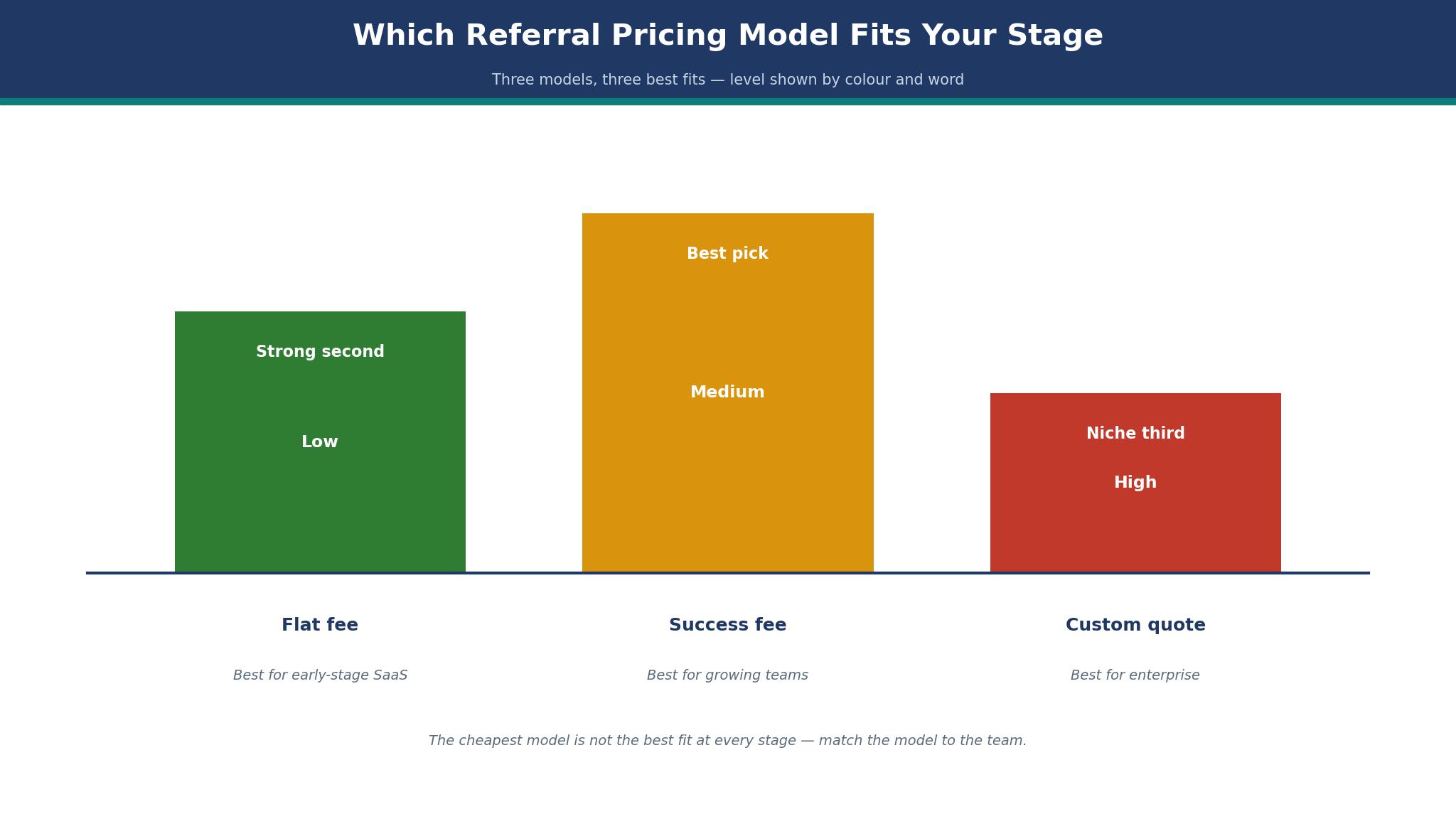
An early SaaS startup should start with ReferralCandy Basic at $39 a month plus the success fee, because the low entry price and the thirty minute launch remove every excuse not to test referral. A growing B2B SaaS team should move to Referral Rock at $250 a month flat, because the unlimited referrals and the absence of a success fee protect the margin as volume grows. An enterprise brand should take Talkable or Friendbuy, because the testing and the managed service repay the price at high volume.
The stage matters more than the feature list. Buy the tool that fits this year volume, model the cost at double the volume, and move up when the fees cross. A referral program that works will outgrow its first tool within a year, and that is a good problem to have.