
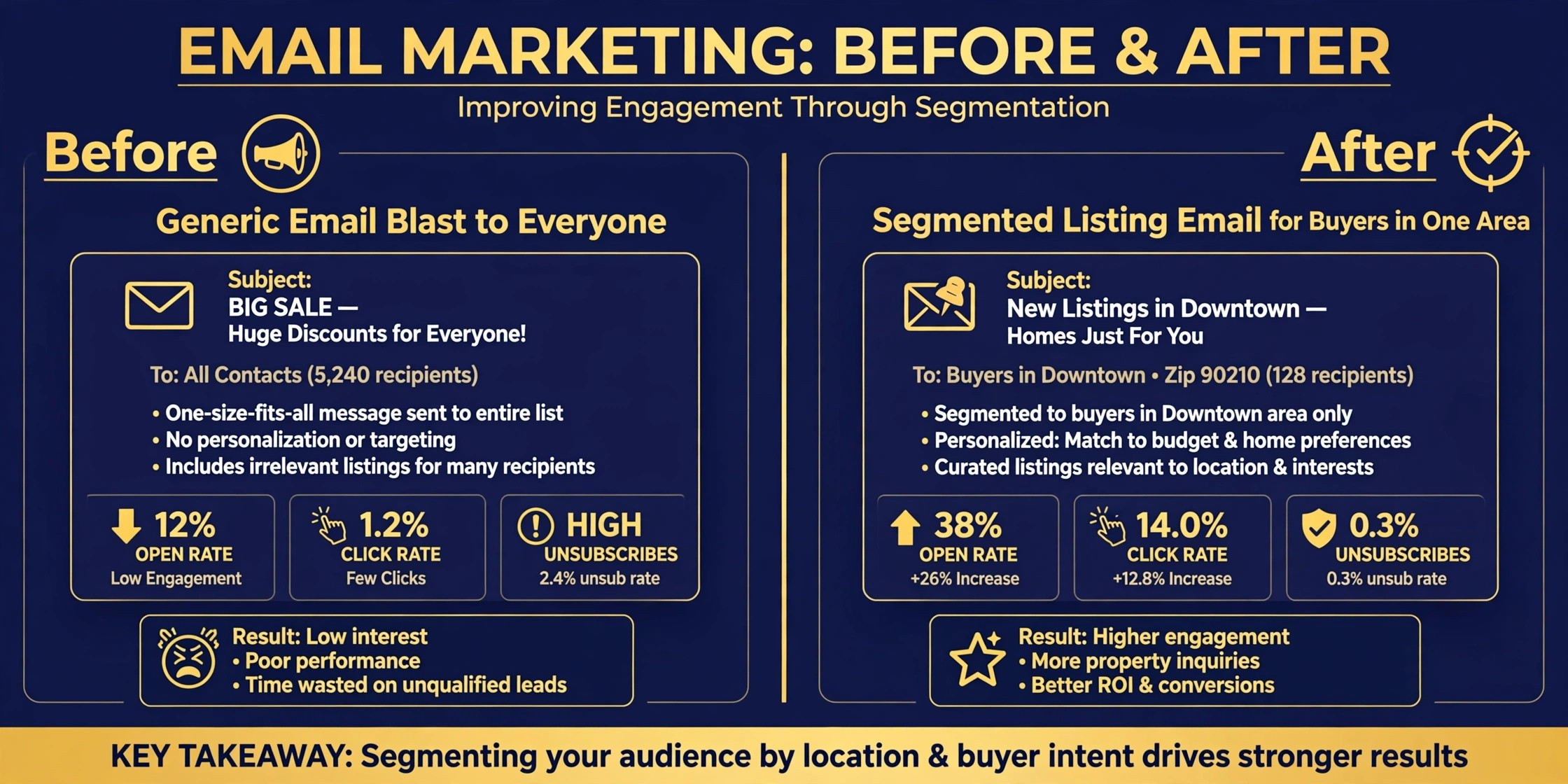
A documented case study for a CRM integrated email platform reported a 43 percent buyer engagement lift from a short three email drip sequence, with no unsubscribes in that test. That result is not a promise for every agent, but it shows why the best email marketing software for real estate agents is judged on follow up, not on template beauty alone. A tool that sends one pretty newsletter a month and then goes quiet will lose to a tool that follows up on time, every time.
Real estate email is different from general email because the list contains at least four audiences at once. New leads need speed and relevance, active buyers need listings that match their search, sellers need market proof, and past clients need reasons to refer. A tool that mails all four the same message every week wastes the list, while a tool that segments cleanly can send each group a message that feels personal.
This guide compares eight tools on the same questions. How strong is automation for listings, past clients and farm areas, how clean is segmentation and CRM connection, what does the bill become at a real list size, and where does each tool fall short. Prices are starting points checked at writing time, so confirm the current price on the vendor page before you buy.
Eight Agent Email Tools at a Glance
Read the table as a shortlist, not as a ranking. A simple sender suits a solo agent with a referral list, while an automation platform suits a team buying leads every month. Pick three finalists, then read their full sections before committing to a contract.
| Tool | Starting price | Best for |
|---|---|---|
| Mailchimp | from $13 a month for 500 contacts on Essentials in recent comparisons | agents who want automation depth plus strong segmentation |
| Constant Contact | from $12 a month for 500 contacts on Lite in recent comparisons | solo agents who want simple, dependable sending plus phone support |
| Brevo | with a free plan and paid plans priced by emails sent | agents with a large list who mail only a few times a month |
| ActiveCampaign | from $39 a month in recent comparisons | teams and brokerages that need CRM plus automation in one place |
| Flodesk | from $19 a month on Lite for new users in recent comparisons | agents whose listings and market updates must look beautiful |
| Kit | with a free plan up to 10,000 subscribers and Creator from $33 a month at 1,000 subscribers in recent comparisons | agents who also sell guides, courses or a paid newsletter |
| MailerLite | with a free tier and paid plans from about $10 a month in recent comparisons | agents who want value, clean automation and fair pricing |
| GetResponse | from $16 a month in recent comparisons | agents running webinars, funnels and landing pages alongside email |
A general newsletter tool sends a message. An agent email tool runs a follow up system. The difference shows when a new lead arrives at 9pm, a listing matches a buyer search at 7am, or a past client anniversary arrives unnoticed. A tool with automation, tags and CRM links handles those moments without the agent remembering each one.
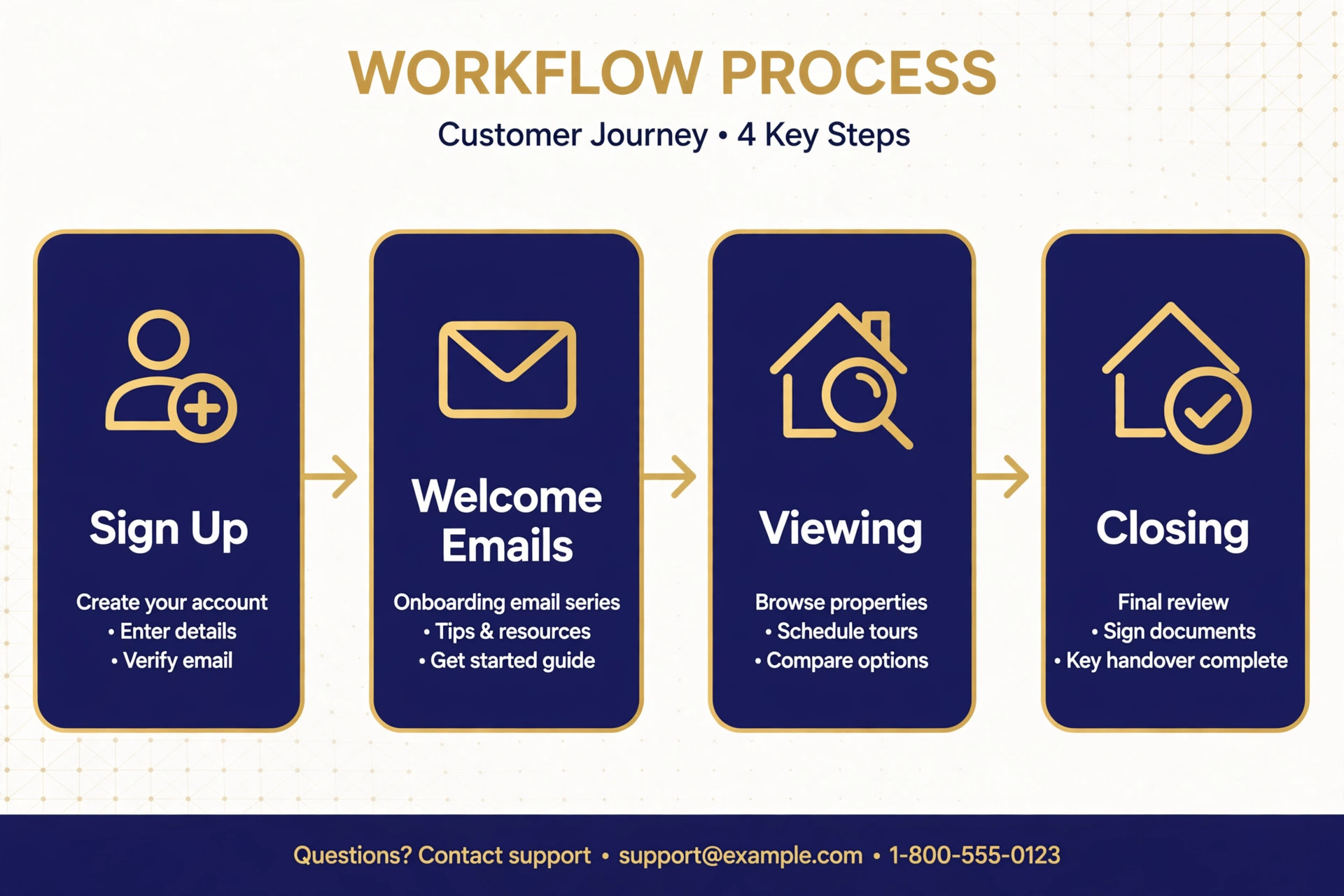
Speed matters most with new leads. An agent who replies within minutes has a far better chance of booking a viewing than an agent who replies the next day, and email automation is the safety net when the phone is busy. A welcome sequence that answers common questions, shares relevant listings and offers a viewing link keeps a lead warm while the agent finishes a showing.
Segmentation matters most with past clients and farm areas. A past seller does not need the same message as a first time buyer, and a farm area resident does not need listings from another town. A tool that tags by source, status and area lets one send become four relevant sends, and relevant sends get replies while generic sends get ignored.
Deliverability is the quiet third test. A tool with strong sending practices, list hygiene tools and clear unsubscribe handling protects the agent sender reputation, while a tool used with a bought list or a stale database will land in spam whatever the template looks like. Never buy a list, and clean bounces and long term non openers every quarter.
Eight Tools, Reviewed One by One
Mailchimp
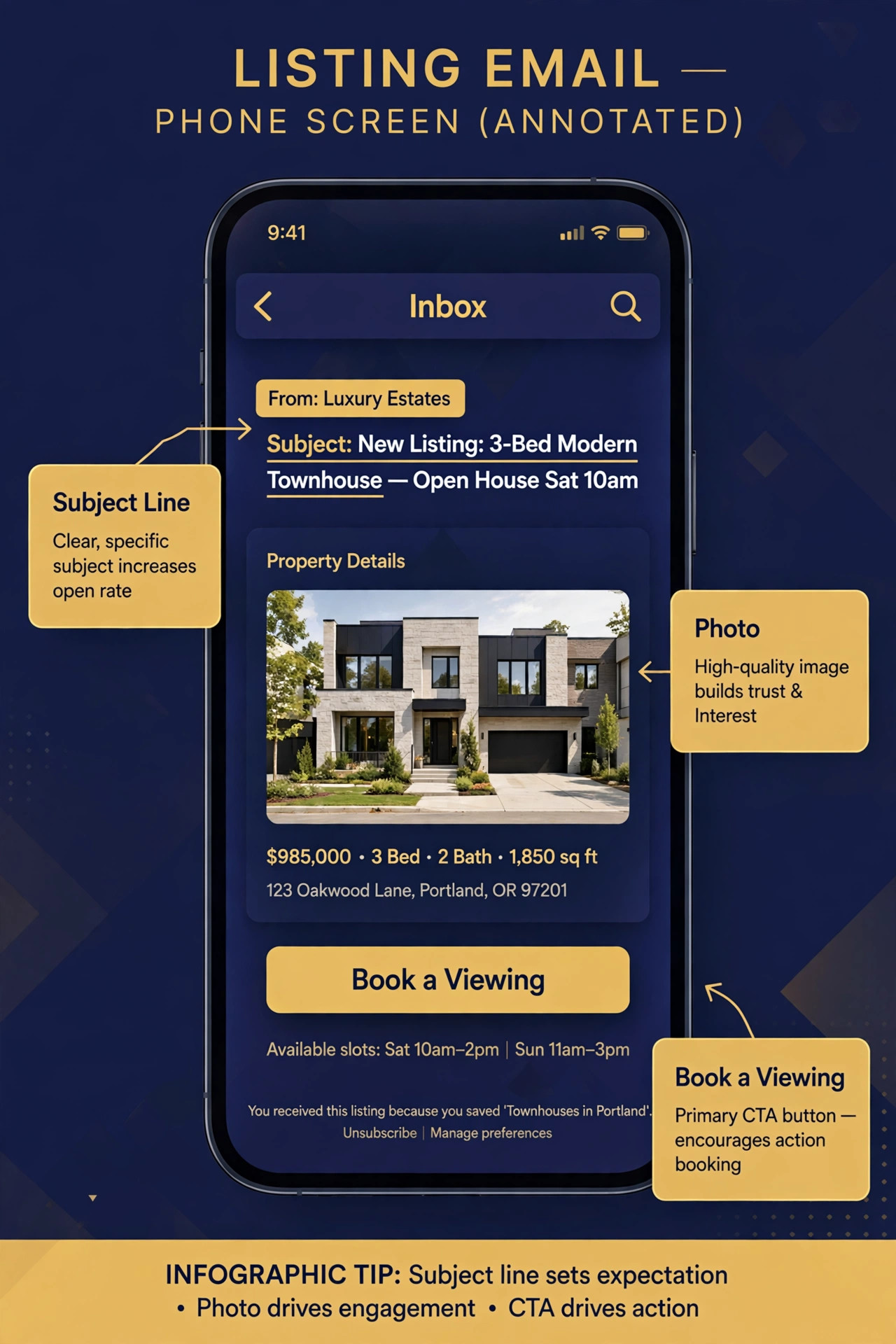
Mailchimp fits agents who want automation depth plus strong segmentation. Its customer journeys, tags, landing pages and detailed reporting suit an agent with paid leads, multiple forms and a growing database. Behaviour based follow up can cut manual chasing, and integrations with most CRMs keep lead data in sync without weekly exports. At a starting point of from $13 a month for 500 contacts on Essentials in recent comparisons, check the vendor page for the current plan. The limit is pricing climbs steeply as contacts grow, because old leads pile up fast in real estate, and the best automation sits above the entry tier, so a large stale list can make the bill painful.
Test that limit with a real client during the trial, and walk away if the workaround becomes a daily chore.
Constant Contact
For solo agents who want simple, dependable sending plus phone support, Constant Contact earns its place through one clear job. Its editor is clean, its real estate templates are easy to edit, and live phone support on every plan helps an agent during a launch week. Event tools handle open houses and community events without a second app, and onboarding with a real person suits a busy solo agent.
The starting point is from $12 a month for 500 contacts on Lite in recent comparisons, so confirm the live price before you budget. Watch out for automation depth is thinner than Mailchimp, with only one automation template on Lite in recent comparisons, so agents who need long branching drip sequences should price the Premium tier. If that weakness touches your main income stream, choose a different finalist.
Brevo
Brevo is worth a trial when your main job is agents with a large list who mail only a few times a month. Brevo charges for sends rather than contacts, which suits an agent with a big past client list and a monthly market update. Email plus SMS in one account helps an agent reach a hot lead by text when email alone is too slow, and the free tier lets a new agent test sending.
Pricing starts at with a free plan and paid plans priced by emails sent in recent comparisons, and the vendor page is the final word. Where it falls short is template polish and real estate specific features are weaker than on Constant Contact, and a daily sender will climb send tiers quickly, so the bill follows volume rather than list size. Judge it on the job you will use every week.
ActiveCampaign
Choose ActiveCampaign when teams and brokerages that need CRM plus automation in one place is the work that pays the bills. Its automation builder, CRM, tagging and multi channel follow up suit a team that tracks leads from first enquiry through to closing. Behaviour triggers, lead scoring and pipeline views help a brokerage see which campaigns actually produce appointments, not just opens.
The entry price is from $39 a month in recent comparisons as a starting point, and the full bill depends on users and add ons. The trade off is the learning curve and price are higher than budget tools, so a solo agent sending one newsletter a month will pay for power that stays unused, and setup takes real planning. Price that trade off honestly, because a cheap plan that misses the main job costs more in lost bookings.
Flodesk
Flodesk fits agents whose listings and market updates must look beautiful. Its templates produce polished listing emails, market updates and open house invites with little design effort, and unlimited sends on paid plans remove worry about mailing twice in a busy week. A design led agent will find the builder the easiest in this list to make look professional. At a starting point of from $19 a month on Lite for new users in recent comparisons, check the vendor page for the current plan. The limit is automation is basic next to ActiveCampaign, with Lite including only one workflow in recent comparisons, and pricing is now subscriber based for new users, so the old flat rate story no longer applies.
Check the vendor page for the current tier at your list size. Test that limit with a real client during the trial, and walk away if the workaround becomes a daily chore.
Kit
For agents who also sell guides, courses or a paid newsletter, Kit earns its place through one clear job. Its visual automation builder is clear, its forms and landing pages convert well, and it suits an agent building an audience beyond listings. A creator style agent who writes a regular market letter will find the workflow calm and focused.
The starting point is with a free plan up to 10,000 subscribers and Creator from $33 a month at 1,000 subscribers in recent comparisons, so confirm the live price before you budget. Watch out for design tools are plainer than Flodesk, so listing emails look simpler, and real estate specific features like listing feeds need an integration rather than arriving built in. If that weakness touches your main income stream, choose a different finalist.
MailerLite
MailerLite is worth a trial when your main job is agents who want value, clean automation and fair pricing. Its builder is clean, its automation covers welcome, nurture and re-engagement flows, and pricing stays friendly as a list grows toward a few thousand contacts. A small brokerage can run listings, market updates and past client mail from one account without enterprise complexity.
Pricing starts at with a free tier and paid plans from about $10 a month in recent comparisons in recent comparisons, and the vendor page is the final word. Where it falls short is the template range is smaller than Mailchimp, account approval can take time, and deeper CRM features need an integration, so a team that lives in its CRM should test the connection first. Judge it on the job you will use every week.
GetResponse
Choose GetResponse when agents running webinars, funnels and landing pages alongside email is the work that pays the bills. It adds funnels, landing pages and webinar hosting to email, which suits an agent running a first time buyer webinar or a monthly market briefing. Templates are varied, automation is capable, and one subscription can replace a webinar tool. The entry price is from $16 a month in recent comparisons as a starting point, and the full bill depends on users and add ons. The trade off is the interface packs in many features, so an agent who only sends a monthly update may find it heavier than MailerLite, and the best automation sits above the entry tier.
Price that trade off honestly, because a cheap plan that misses the main job costs more in lost bookings.
Agent Picks Matched to the Mailing Job
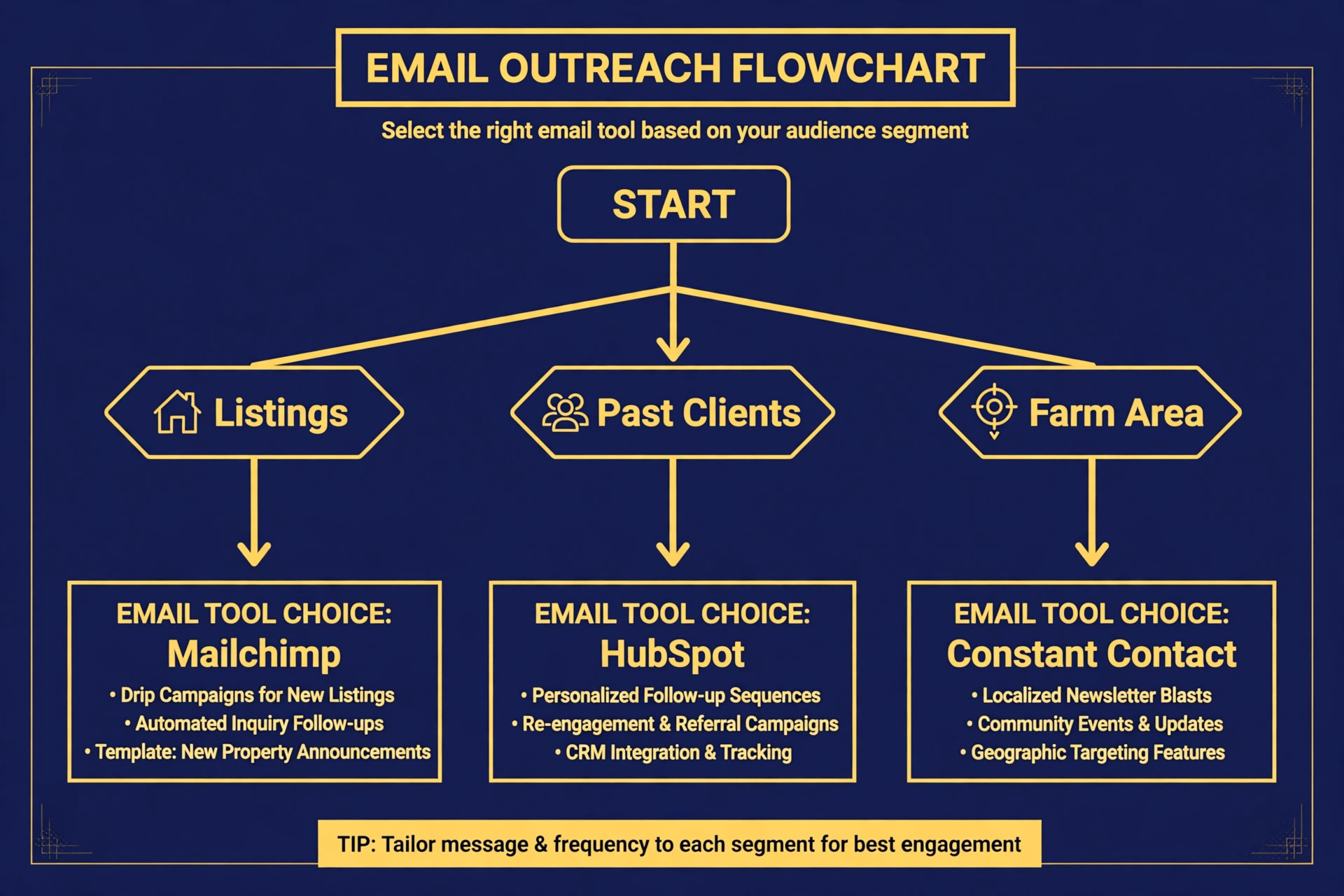
The right tool changes with the job you send most often. New listings, past clients and farm areas are different campaigns, and the tool that wins one may not win another. Use this table to match the pick to the job, then confirm the fit by building one real sequence in a trial.
| Job | Best pick | Why it wins |
|---|---|---|
| New listings | Flodesk | Beautiful listing emails that buyers open and read fast |
| Past clients | ActiveCampaign | Date based automation tied to client status and milestones |
| Farm area | Constant Contact | Simple, dependable market updates plus event tools |
The Drip Sequence Checklist for Agents
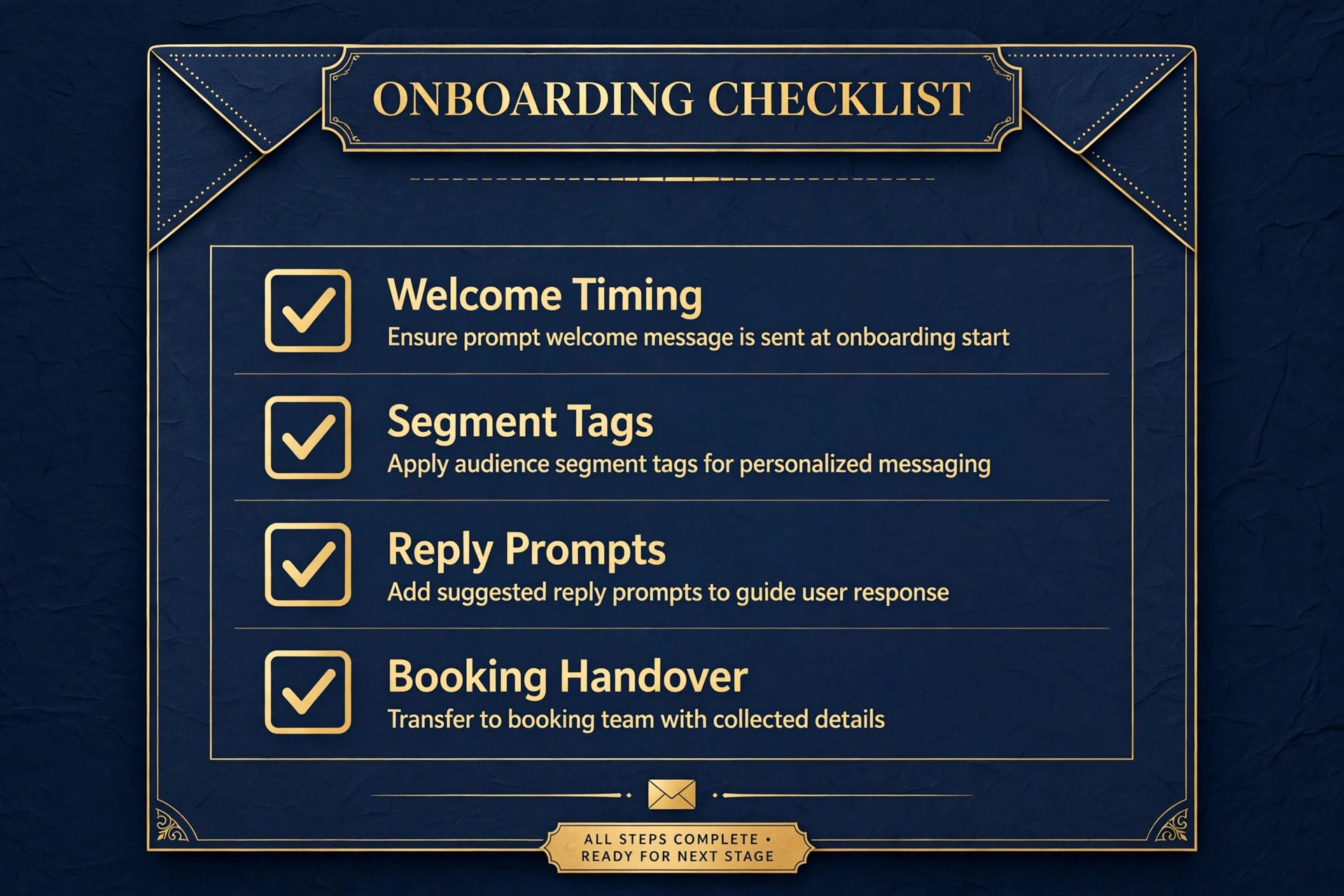
A drip sequence only works when each email has one job and one next step. Run through this checklist with a real lead list before you pay for a year, and fix every gap in the trial rather than after launch.
– Send the first email within minutes of signup, with a short welcome, one useful local insight and a viewing or call link. – Send the second email within two days, answering the three questions new buyers or sellers ask most often in your market. – Send the third email within a week, with relevant listings or recent sales proof matched to the subscriber segment. – Add a reply prompt to every email, so a subscriber can answer a human rather than clicking a generic link. – Stop the sequence when a lead books, and move that contact to a client sequence instead of continuing to nurture a booked client. – Tag every reply, booking and viewing, so future sends reflect real behaviour rather than the original signup form. – Review opens, replies and bookings monthly, and rewrite the weakest email before adding a new one.
What an Agent Really Pays for Email Each Month
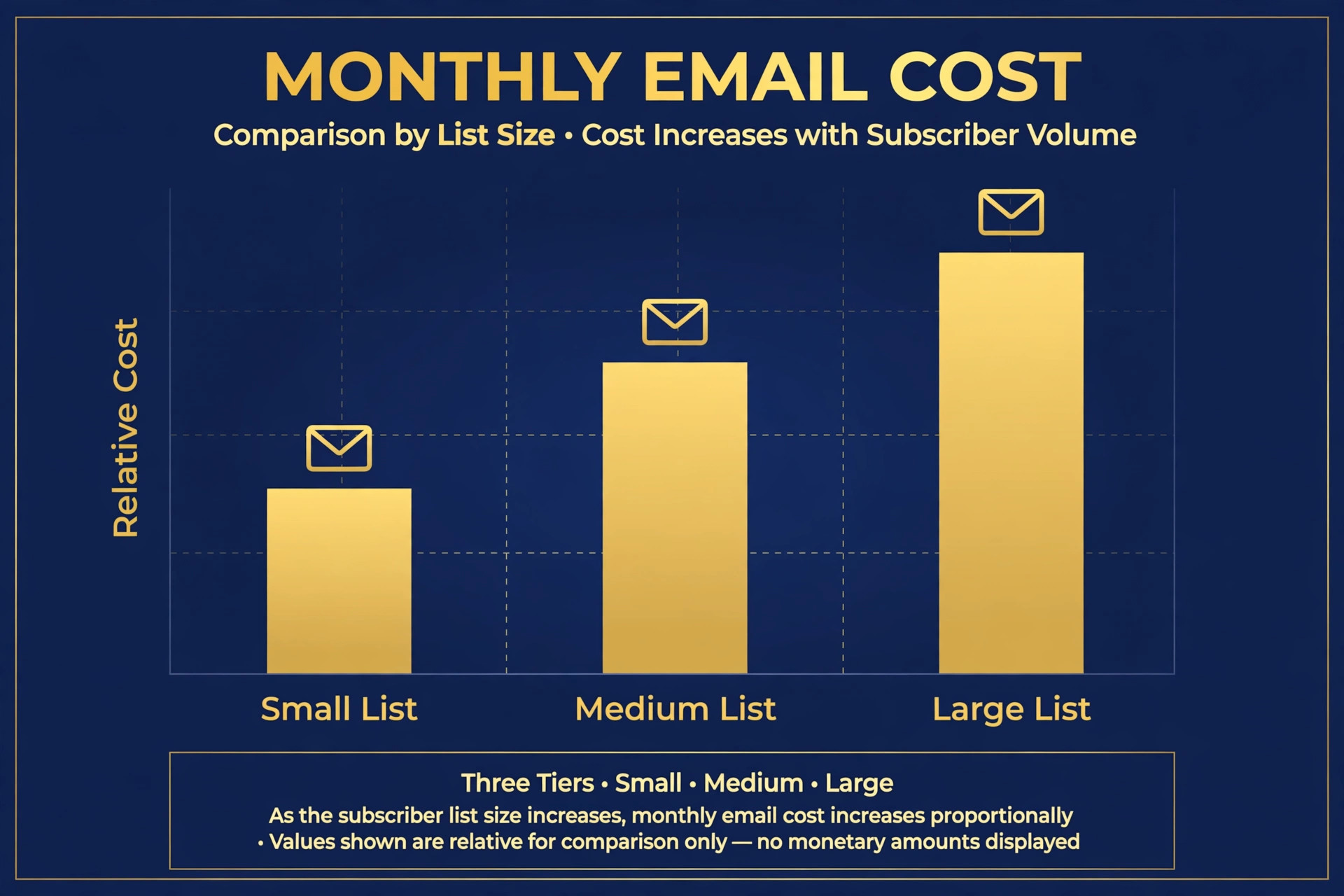
The headline price hides the real decision, because contact count, send volume and automation tier move the total as the list grows. An agent on Mailchimp at $13 a month for a small list may pay far more at 5,000 contacts, while Brevo can stay cheaper for a large list mailed rarely, because it charges for sends rather than contacts. Compare prices at your own list size and send frequency, never at the entry price alone.
Staff time is the second cost. A tool that takes two hours to build a listing email costs more than a tool that takes twenty minutes, even if the subscription is cheaper. Count the hours for one month of sends, including design, list checks and reporting, and price that time at the hourly rate of whoever does it. Simple tools often win this test for solo agents.
Integration costs come next. A CRM connection may be free on one plan and paid on another, and SMS for hot leads can add a meaningful monthly charge if used weekly. Check whether automation, landing pages and extra users are included, or whether each one pushes you to a higher tier. A quote that looks cheap at signup can double once the features you need are added.
Mistakes That Push Agent Emails Into Spam
The most common mistake is mailing everyone the same message. A buyer, a seller, a past client and a farm resident have different needs, and a generic blast trains all four to ignore the agent. Segment first, even if segmentation only means four lists, and write each send for one of those lists.
The second mistake is buying or renting a list. Purchased addresses harm sender reputation, produce complaints and waste the agent budget on people who never asked to hear from the agent. Build the list from open houses, website forms, past clients and referrals, with clear consent at every signup point.
The third mistake is sending only when there is a listing to push. An agent who mails only sales messages becomes easy to ignore, while an agent who mails useful market updates, local news and honest advice becomes a trusted source. Mix proof, help and listings in every month, and let the listing be the natural next step rather than the only message.
Testing Three Email Finalists Without Confusing Your List
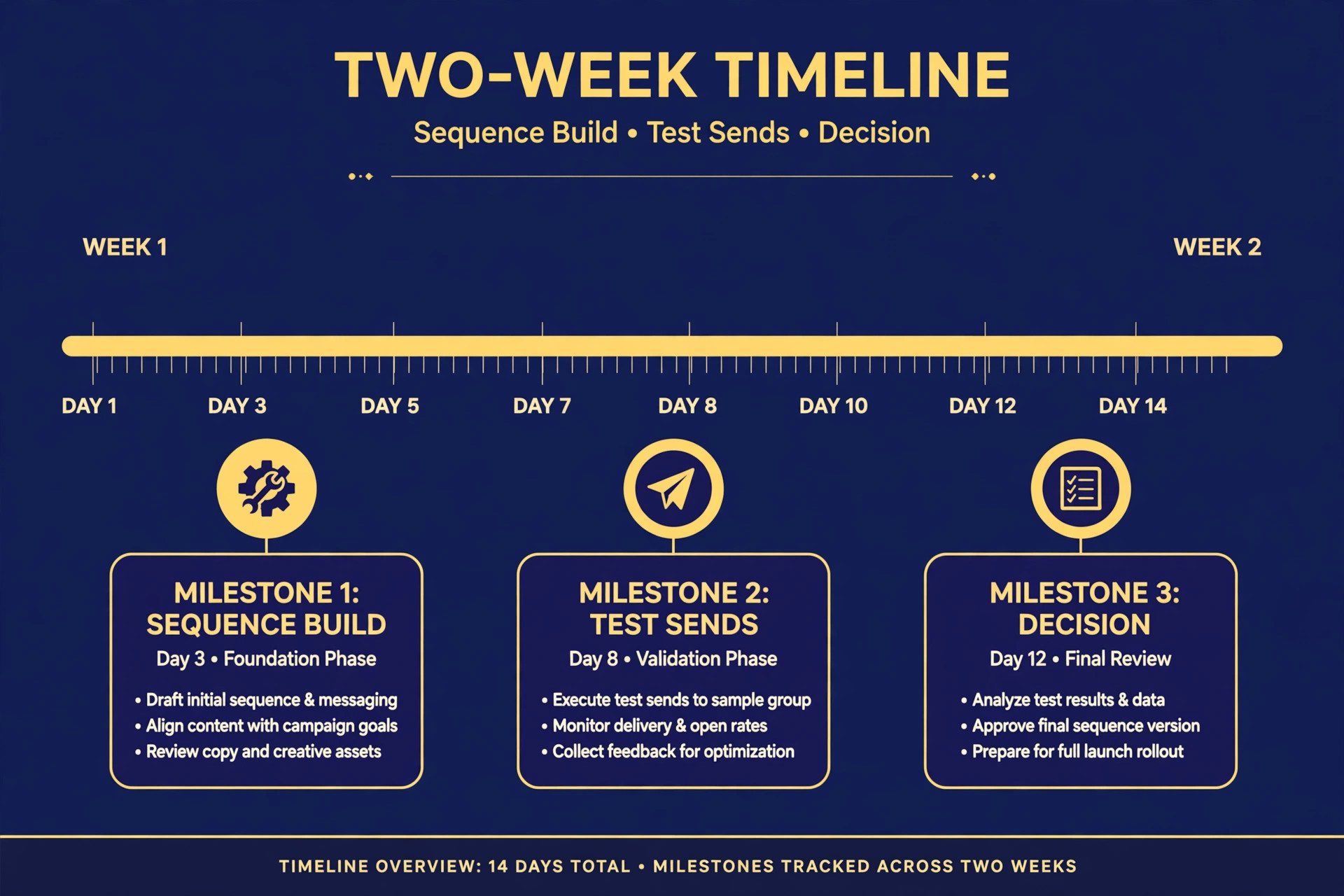
Do not test three tools on the same live list at once, because subscribers will receive duplicates and the data will be useless. Instead, build the same welcome sequence in each finalist, send it to a small test group of colleagues and past clients who agree to help, and compare the builder, the mobile rendering and the reporting side by side.
Score each finalist on the same five points, namely ease of building a listing email, automation setup time, segment creation, CRM sync and the clarity of booking reports. The tool with the highest total for your main job wins, even if another tool wins on design alone. Run the test for two full send cycles, because a builder that feels fast on day one can feel slow once real lists and real segments are involved.
Choosing the best email marketing software for real estate agents Without Wasting the List
An agent list is an asset that took years of open houses, referrals and past clients to build, and the wrong email tool can waste it in a month. The best email marketing software for real estate agents protects that asset with clean segments, careful sending and clear consent records, so every send goes to people who asked to hear from the agent. A tool that makes segmentation hard will push the agent toward blasts, and blasts are what damage a list.
Price the tool at the list size you will have after the next listing push, not at today’s size, because a successful campaign can add hundreds of contacts in a week. The best email marketing software for real estate agents should still feel affordable when the database grows by a third, and it should not punish the agent for the very growth the tool is meant to produce. Note the price at 1,000, 5,000 and 10,000 contacts for each finalist before deciding.
Deliverability deserves a trial of its own, because a beautiful email that lands in spam helps nobody. Send the same listing email from each finalist to a small test group using different mail providers, and check which version reaches the inbox, which version lands in promotions, and which version triggers a spam warning. A tool with strong sending practices and list hygiene tools will usually win this test, even if its templates look plainer.
A past client list needs a different rhythm from a new lead list, and a good tool must keep those rhythms separate without manual exports. The best email marketing software for real estate agents will let the agent run a monthly market update for past clients, a fast welcome sequence for new leads, and a targeted listing alert for active buyers, all in the same account, without cross contamination. Test all three sends in the trial, in the same week, before paying.
Reporting should answer one question, namely which campaigns produced viewings, listings and referrals, not which campaigns produced opens. The best email marketing software for real estate agents will connect a send to a reply, a booking and a closing, or at least to a tracked link and a form submission, so the agent can repeat what works and stop what does not. Open rates alone are inflated by privacy changes on phones, and they should never be the main measure of success.
Open house follow up is where many agents lose the value of a busy weekend, because paper signups sit in a folder until Monday and the hottest visitors have already moved on. A tool that captures open house signups digitally, tags them by interest, and starts a welcome sequence the same evening will convert more visitors than a tool that needs manual import. Test the open house flow end to end during the trial, from signup form to first follow up email.
Do not buy automation depth you will never configure. The best email marketing software for real estate agents for a solo agent is often a simple sender with solid segments and one good welcome sequence, while the best choice for a brokerage is a platform with CRM depth and multi user workflows, and those are different purchases. Buy for the follow up you will actually run, and upgrade when lead volume forces the upgrade.
Check who can send, and who can only view, before the first live campaign, because a team member with full access can accidentally mail the wrong segment at the worst moment. The best email marketing software for real estate agents will offer roles that let an assistant build drafts, a team lead approve sends, and the owner view reports, without giving everyone the power to mail the whole database. Set those roles during the trial, not after the first mistake.
Finally, review the tool every year against list growth, send volume and booking results, because a tool that fit a 500 contact list may strain at 5,000 contacts, and a tool that suited a solo agent may frustrate a growing team. The best email marketing software for real estate agents in year one is not automatically the best choice in year three, and a planned annual review prevents a painful forced switch later.
Keep one simple record of every campaign, with the send date, the segment, the subject line and the bookings that followed, because that record becomes the evidence for the next annual review. A tool can report opens and clicks, but only the agent record connects a send to a viewing, a listing and a referral.
More Reading on Stratilyze
– Best Email Marketing Software for Gyms – Best Website Builder for Real Estate Agents – Best CRM for Home Builders at a Small Business
Frequently Asked Questions
How often should an agent email a list?
A monthly market update plus timely listing alerts and a short nurture sequence for new leads is a sound rhythm for most agents. Daily sales mail trains subscribers to ignore the agent, while silence for months makes the next send feel like a cold call. Consistency matters more than frequency, so pick a rhythm the agent can sustain.
Do I need a CRM to use email marketing well?
Not at first, because tags and segments inside an email tool can carry a solo agent a long way. A CRM becomes valuable when lead volume, team size or follow up complexity grows, because it connects email behaviour to appointments, viewings and closings in one record. Start with email, add a CRM when follow up starts slipping.
What is the best first automation for a new agent?
A three email welcome sequence is the best first automation, because it answers common questions, shares proof and offers a clear next step without manual work. Build it once, test it with colleagues, and only add longer sequences once the welcome flow produces replies and bookings reliably.
Should listing emails go to the whole list?
No, listing emails should go to buyers whose search matches the property, plus a short segment of past clients who may know a buyer. Mailing every listing to every contact, including sellers and farm residents, teaches the list to ignore listings, and the one buyer who needed that home may miss it.
How do I grow an agent email list legally?
Grow it from open house signups, website forms, past clients and referrals, with one clear consent box at each signup point. Never buy a list, and never add contacts from a purchased database or a scraped source. A smaller list of people who asked to hear from the agent will outperform a large list of strangers on replies and referrals.
Can one tool handle listings, past clients and farm mail?
Yes, if segmentation and automation are strong enough to keep those audiences separate inside one account. The test is simple, namely can the agent send a listing to buyers, a market update to a farm area and a referral ask to past clients in the same week without cross contamination. If that test fails, the tool is too simple for the job.
An Agent Shortlist to Take Into Your Trial
For most solo agents, Constant Contact is the sensible first trial for simplicity and support, and Mailchimp is the sensible first trial for automation depth, with the price checked at the real list size. Teams that need CRM plus automation should trial ActiveCampaign, and design led agents should trial Flodesk beside it. That shortlist is a practical way to choose without paying for power you will not use.
Whichever tool you shortlist, build one real welcome sequence, one real listing email and one real past client send before you pay for a year. The best tool is the one that follows up on time, segments cleanly and reports bookings rather than opens alone. That test, run properly, will choose the tool for you.