
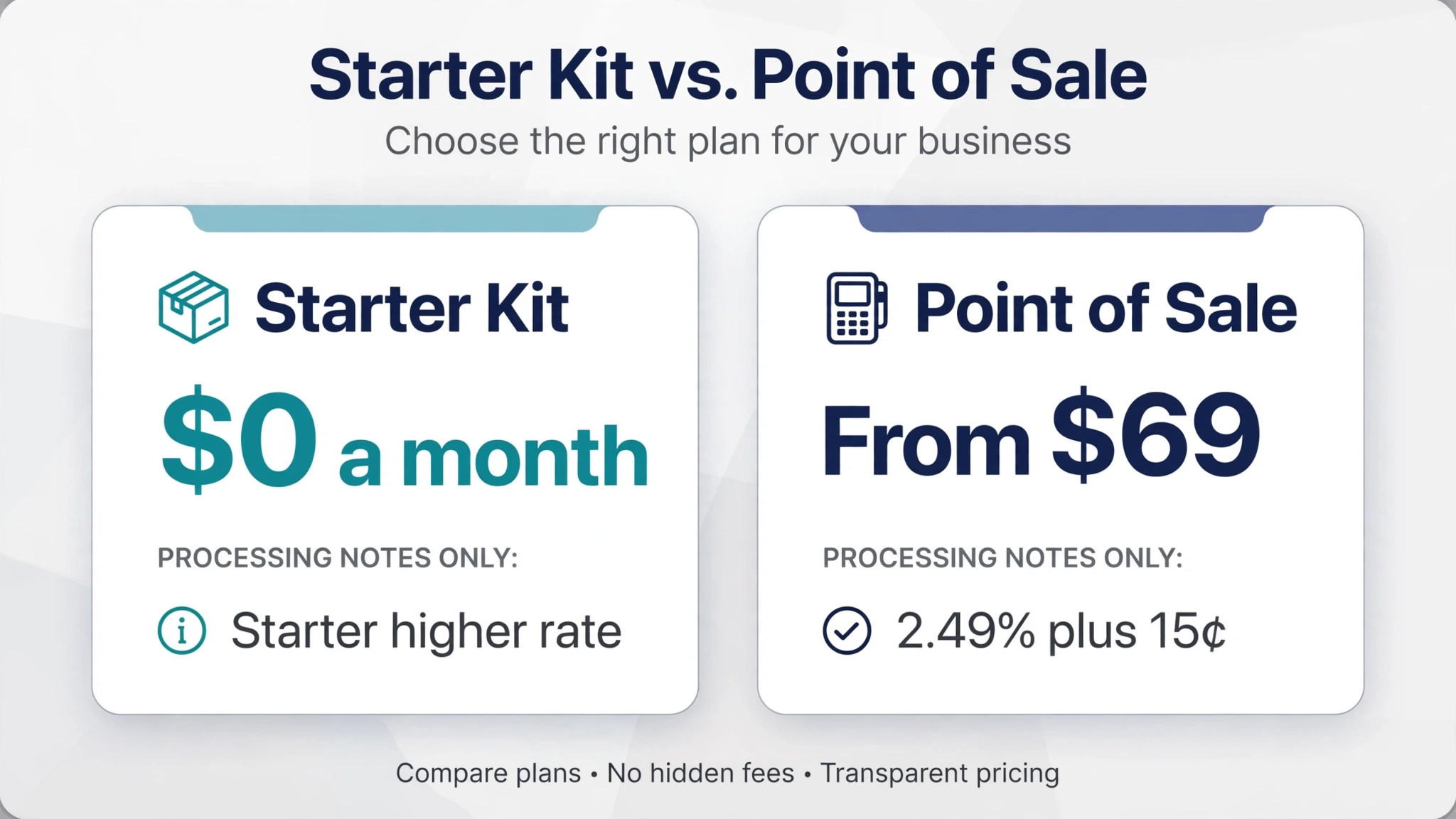
Zero dollars per month sounds cheaper than 69 dollars per month, until you count what each dollar of card sales costs you along the way. That comparison sits at the heart of Toast pricing. The Starter Kit plan is listed at 0 dollars per month for software, with hardware included at no upfront cost on a pay as you go arrangement, while the Point of Sale plan starts at 69 dollars per month with hardware bought separately. The rest of this guide prices cost of Toast for small business monthly counter by counter, processing included.
The Starter Kit route charges a higher card processing rate, reported around 3.09 percent plus 15 cents per transaction and higher for some feature packs, while the paid hardware route charges a lower card present rate, reported at 2.49 percent plus 15 cents. For a busy restaurant, that processing gap can cost far more than 69 dollars per month.
This guide works out the cost of Toast for small business monthly use in full, including software, hardware spread across its useful life, card processing on realistic sales volumes, extra terminals and the add on modules that turn a 69 dollar plan into a 200 to 400 dollar monthly stack. Toast is restaurant only, it runs on its own hardware, and many add on prices are quoted rather than published, so this guide marks clearly where a figure is a published plan price and where it is a reported add on estimate that you must confirm in a written quote.
Prices reflect reports from 2026, and you should confirm the live Toast pricing page and a sales quote before signing, because contracts and processing rates vary by arrangement.
Cost of Toast for Small Business Monthly at a Glance
Toast software has two headline routes for small restaurants. The Starter Kit gives core point of sale software, one terminal included at no upfront cost on its pay as you go terms, and a limit of two terminals on reported terms, with a contract term that is commonly reported as two years. The Point of Sale plan starts at 69 dollars per month, includes cloud point of sale, reporting and round the clock support on reported terms, and requires hardware to be bought separately or financed. A custom Build Your Own plan exists for larger or more complex operations, with pricing quoted for the specific hardware and module mix.
Hardware prices reported in 2026 include 149 dollars for a Toast Tap card reader, 599 dollars for a Toast Go 3 handheld, 749 dollars for a 14 inch Toast Flex terminal, 749 dollars for a 14 inch kitchen display, 1,113 dollars for a handheld starter kit and 1,203 dollars for a countertop starter kit, although some bundles are listed at 0 dollars upfront when the higher processing rate is accepted.
Extra terminals are reported to carry a 50 dollar per month software fee each, and kitchen display software is reported at 25 to 35 dollars per month per display, depending on the source and arrangement. Those hardware and per terminal figures should be confirmed in a quote, because Toast bundles change and financing terms affect the monthly equivalent.
| Route | Software per month | Hardware upfront | Card present processing, reported |
|---|---|---|---|
| Starter Kit | 0 dollars | 0 dollars on pay as you go terms | About 3.09 percent plus 15 cents, higher for some packs |
| Point of Sale | From 69 dollars | Bought separately, for example 749 dollars for a Flex terminal | 2.49 percent plus 15 cents |
| Custom Build Your Own | Custom quote | Custom quote | Quoted in contract |
The table shows why headline software price alone misleads. A restaurant processing 60,000 dollars per month in card sales pays about 360 dollars per month more in processing at 3.09 percent than at 2.49 percent, before the per transaction cents are counted, which is more than five times the 69 dollar software fee it thought it was saving. Processing is therefore the largest line in most Toast monthly totals, and it should be calculated before any decision about Starter Kit versus Point of Sale is made.
What the Starter Kit Really Costs
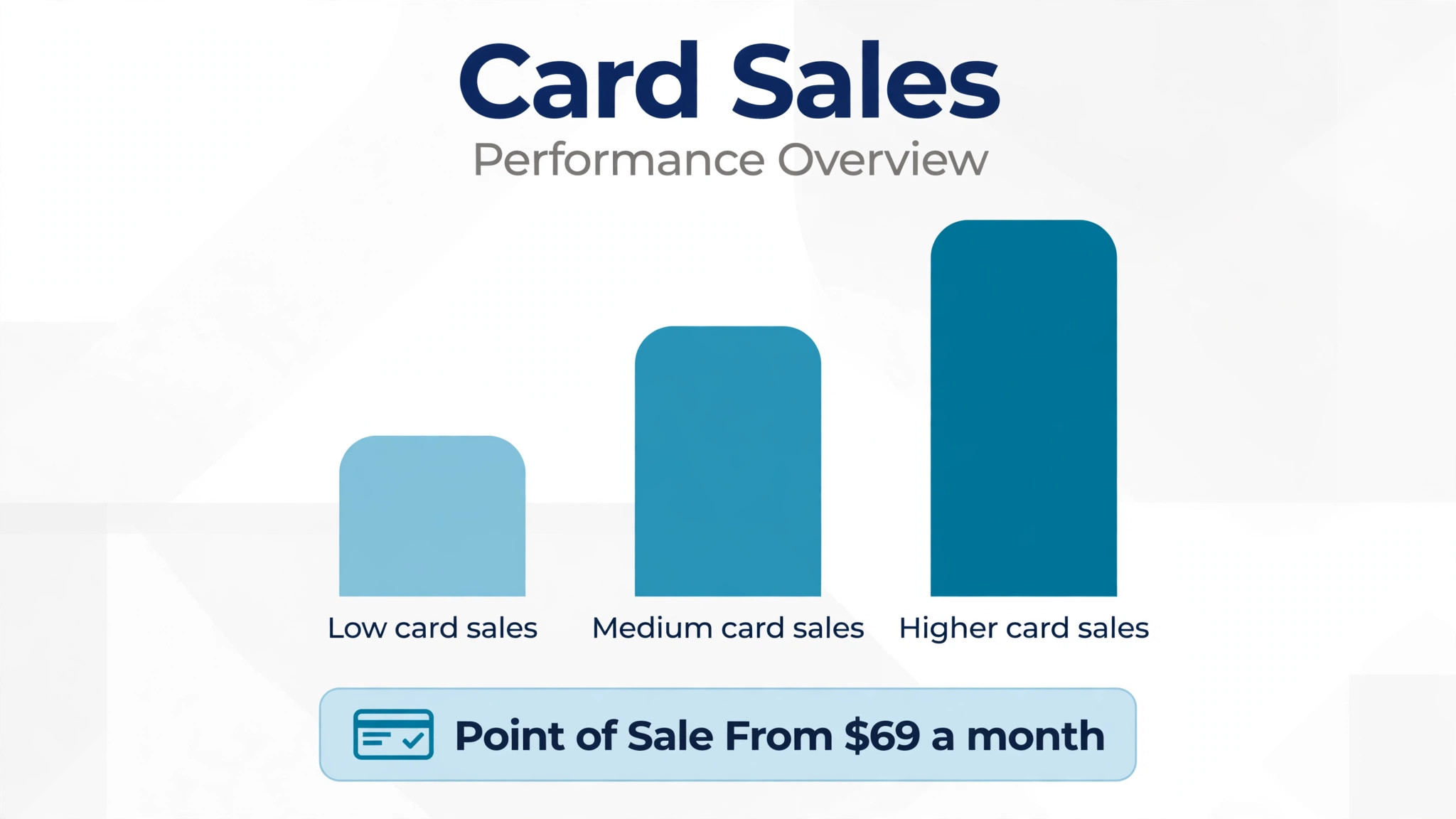
The Starter Kit suits a very small operation judging the cost of Toast for small business monthly use with low card volume, one or two terminals, and a need to avoid upfront hardware spending. A food truck, a small cafe counter, or a new takeaway with modest sales can start trading without buying a terminal outright, and the core point of sale covers orders, payments and basic reporting. For a business testing a concept, or opening with limited capital, that low barrier matters, and the higher processing rate is a reasonable trade for avoiding a large hardware purchase before demand is proven.
The cost appears gradually, in every card transaction, rather than as a monthly bill. At a reported 3.09 percent plus 15 cents, a 20 dollar card sale costs about 77 cents in processing, while at 2.49 percent plus 15 cents the same sale costs about 65 cents. The difference is only 12 cents per sale, which sounds trivial until it is multiplied by thousands of sales. One thousand card sales per month at an average of 20 dollars produce a processing gap of about 120 dollars per month, before higher rates for online ordering or marketing packs are counted, which are reported up to 3.39 percent and 3.69 percent respectively on some pay as you go packs.
Contract terms add a second cost to the Starter Kit that is easy to overlook. A commonly reported two year term, combined with hardware that only runs Toast software, means leaving Toast early can leave you with equipment that cannot be reused with another system and with contract obligations to check carefully. That does not make the Starter Kit a bad choice, but it does mean the decision should be treated as a two year commitment, not as a free trial. Read the contract for term length, early exit terms, hardware ownership and what happens to data and menus if you leave, and get any promise about rates or fees in writing.
What the Point of Sale Plan Buys
The Point of Sale plan at 69 dollars per month, in the cost of Toast for small business monthly use, buys the standard Toast software stack with a lower processing rate when hardware is paid for upfront, plus cloud reporting, real time fraud monitoring on reported terms, and round the clock support. For a restaurant with steady card volume, the lower rate quickly outweighs the software fee, as the worked examples below show. The plan also fits a business that wants to choose its hardware mix, add handhelds for table service, or add kitchen displays as it grows, rather than accepting a fixed starter bundle.
Hardware choice under this plan requires its own budget line. A single countertop setup with a Flex terminal at a reported 749 dollars, plus a printer and cash drawer where needed, can total well over 1,000 dollars upfront for one station, even before handhelds or displays. Spread over three years, 749 dollars equals about 21 dollars per month, which is a useful way to compare hardware cost with monthly software and processing, but it still requires cash or financing at purchase. Toast offers 0 percent hardware financing by application on reported terms, which spreads the cost without interest where approved, yet financing still ties the business to Toast hardware and to monthly payments that should be counted in the total.
Support and reliability are part of the value, although they are hard to price in advance. Restaurant grade Android hardware built for spills, heat and grease, plus support available during service hours, matters when a terminal fails on a Friday night. A cheaper general purpose tablet system may look attractive on subscription price alone, yet a single lost service due to hardware failure can cost more than months of Toast software fees. Judge the Point of Sale plan on total reliability and processing, not only on the 69 dollar headline, and ask other local Toast users about support response during service before you commit.
Hardware Tiers, Terminals and Displays Explained
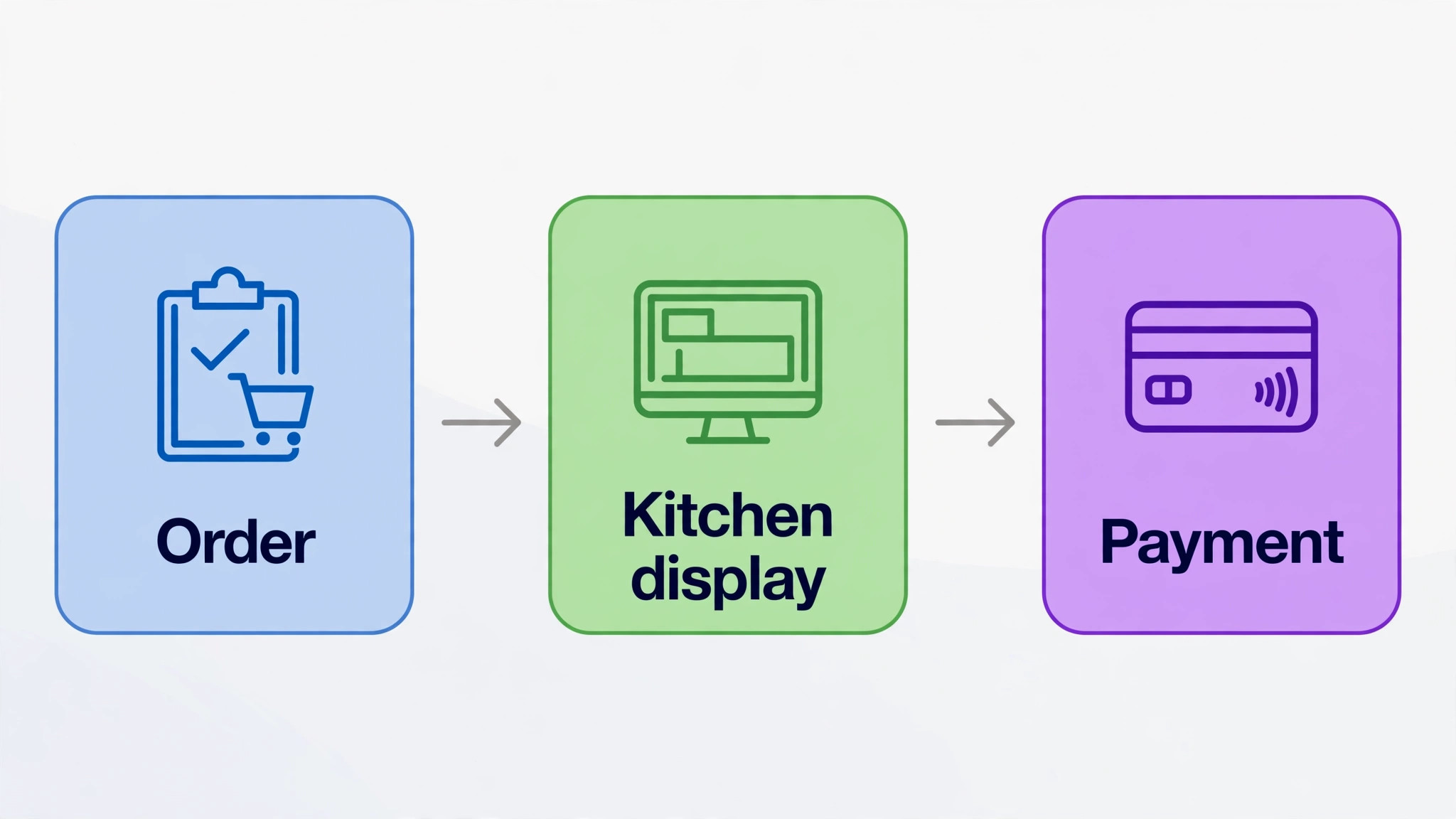
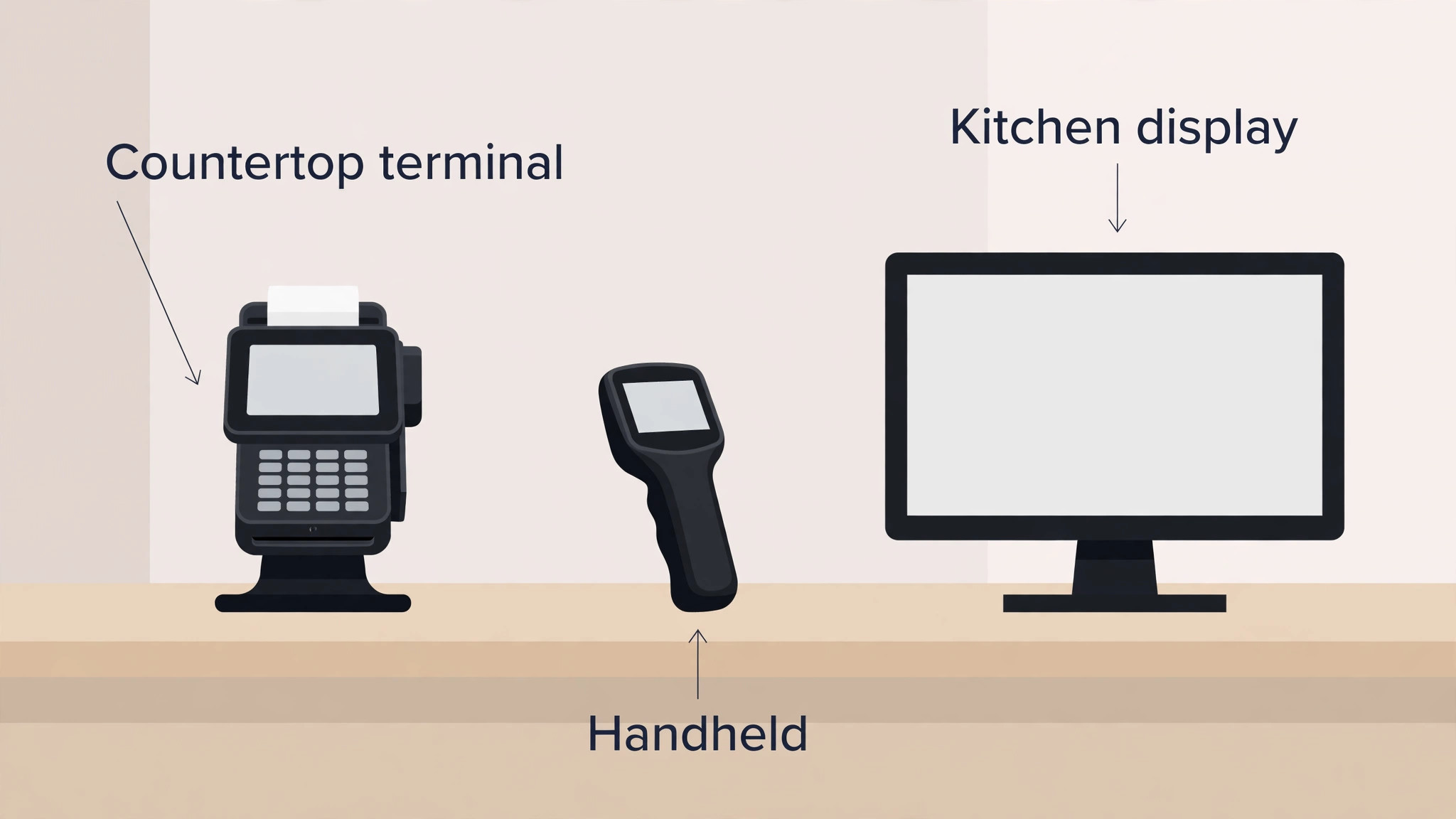
Toast hardware is proprietary, which in the cost of Toast for small business monthly use means you cannot reuse an iPad, a third party tablet or an existing terminal from another system. That restriction simplifies support, because Toast controls the whole stack, but it also means hardware spending is sunk into the Toast ecosystem. A countertop terminal handles orders and payments at the till, a handheld lets staff take orders and payments at the table, a kitchen display replaces paper tickets in the kitchen, and a guest facing display or kiosk lets customers order and pay without staff help. Each piece has a hardware price and, in several cases, a monthly software fee on top.
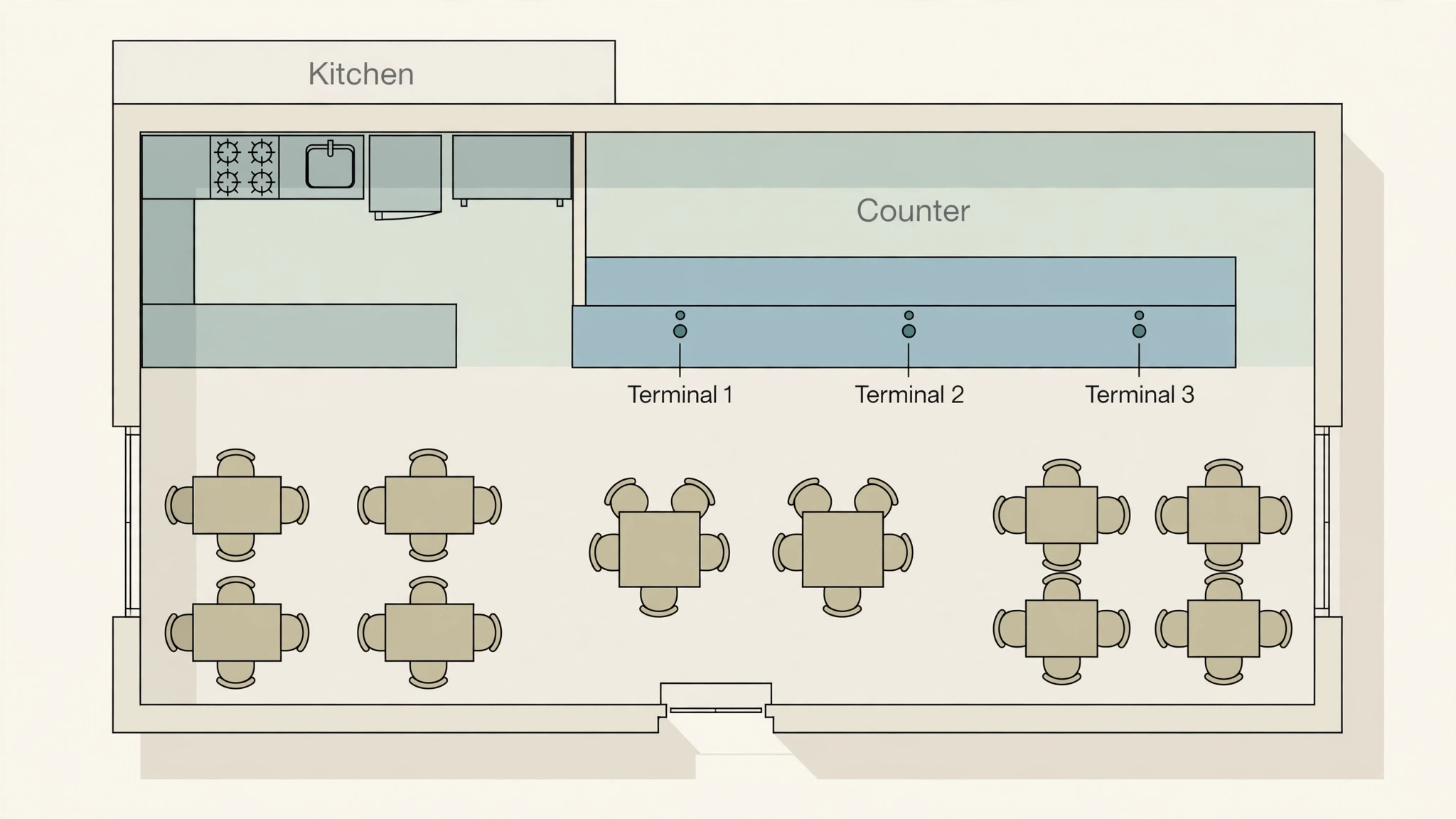
Extra terminals are a key monthly cost for growing restaurants. A reported 50 dollars per month per extra terminal means a restaurant that grows from one terminal to three terminals adds 100 dollars per month in terminal software fees alone, on top of hardware purchase or financing for the extra units. Kitchen displays carry a reported hardware price around 749 dollars for a 14 inch unit, plus a reported monthly software fee of 25 to 35 dollars per display. Those figures vary by bundle and quote, so a restaurant planning three terminals and two kitchen displays should request a written hardware and monthly fee breakdown before signing, rather than budgeting from a single terminal price.
Kiosks and guest self service follow a different pattern, with hardware bundles reported around 1,454 dollars for a guest self service starter kit, and pricing for larger kiosk deployments quoted only. A kiosk can save labour and speed ordering during peaks, but it also adds hardware, maintenance and a learning curve for customers who prefer staff service. Price a kiosk on labour saved and throughput gained during your busiest hours, not on novelty alone, and pilot one kiosk before rolling out several, because a kiosk that confuses customers during a rush creates queues rather than clearing them.
A Single Counter, Worked Out Month by Month
Take a small cafe counter with one terminal, 20,000 dollars per month in card sales, and an average card sale of 15 dollars, giving about 1,333 card transactions per month. On the Point of Sale plan, software costs 69 dollars per month. Card processing at 2.49 percent plus 15 cents per transaction costs about 498 dollars in percentage fees plus about 200 dollars in per transaction fees, totalling about 698 dollars per month. Hardware spread over three years for a 749 dollar Flex terminal adds about 21 dollars per month, giving a subscription, processing and hardware total near 788 dollars per month, before add ons, staff, rent or ingredients.
On the Starter Kit route, software costs 0 dollars per month and hardware upfront is 0 dollars on pay as you go terms, but processing at 3.09 percent plus 15 cents costs about 618 dollars in percentage fees plus the same 200 dollars in per transaction fees, totalling about 818 dollars per month. The Starter Kit therefore costs about 30 dollars per month more than the Point of Sale route at this volume, even before any higher rate for online ordering packs is counted.
At lower volume, the Starter Kit can win, because the processing gap shrinks with sales, while the Point of Sale software and hardware costs stay fixed. The crossover point depends on your average sale and transaction count, so run the calculation with your own numbers rather than copying this example.
Add ons change the single counter total quickly. Online ordering, loyalty, gift cards and marketing modules are reported in ranges around 50 to 75 dollars per month each on third party reports, although Toast quotes many add ons individually and those figures must be confirmed. A single counter that adds online ordering and loyalty could therefore add 100 to 150 dollars per month to either route, pushing the Point of Sale total toward 900 dollars per month and the Starter Kit total toward 950 dollars per month at the volume above, before payroll or other modules. Price only the modules you will use weekly, because an unused module is a pure cost.
A Three Terminal Restaurant, Worked Out Month by Month
Take a full service restaurant with three terminals, two kitchen displays, 80,000 dollars per month in card sales, and an average card sale of 25 dollars, giving 3,200 card transactions per month. On the Point of Sale plan, base software costs 69 dollars per month, plus a reported 50 dollars per month for each of the two extra terminals, totalling 169 dollars per month for terminal software. Kitchen display software at a reported 35 dollars per display adds 70 dollars per month, giving a software and display total of 239 dollars per month before other modules.
Card processing at 2.49 percent plus 15 cents on 80,000 dollars and 3,200 transactions costs about 1,992 dollars in percentage fees plus 480 dollars in per transaction fees, totalling about 2,472 dollars per month. Hardware spread over three years is harder to state as a single figure, because three terminals, handhelds and displays can total several thousand dollars upfront, but a illustrative hardware total of 3,500 dollars spread over 36 months adds about 97 dollars per month. The subscription, display, processing and hardware total therefore sits near 2,808 dollars per month, before online ordering, payroll, loyalty or marketing modules, which can add several hundred dollars more.
On the Starter Kit route, a three terminal restaurant exceeds the reported two terminal limit, so Starter Kit is not a valid comparison for three terminals in the first place. That limit is itself a decision point. A restaurant planning a third terminal must move to a paid plan or a custom arrangement, and should budget for that move before the third terminal is needed, rather than discovering the limit during an expansion. The three terminal total also shows why processing dominates. Software and display fees of 239 dollars are less than one tenth of the processing total, so negotiating or understanding processing terms matters more than haggling over a single module price.
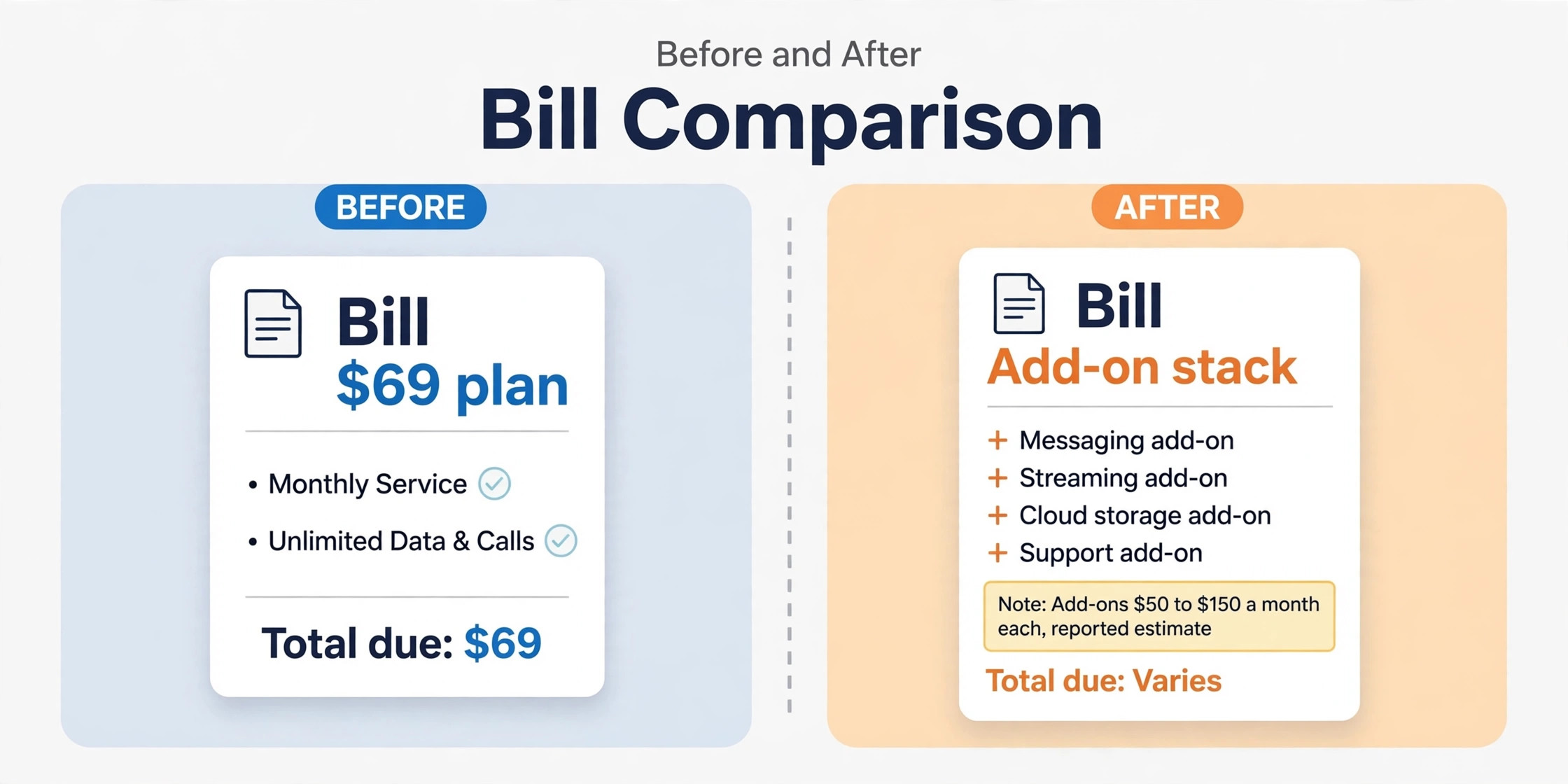
Add on modules are the largest hidden cost in the cost of Toast for small business monthly use after processing, because Toast sells many features separately and does not publish every add on price on its main pricing page. Third party reports list online ordering around 75 dollars per month, loyalty around 50 dollars, gift cards around 50 dollars, email marketing around 75 dollars, payroll around 69 dollars plus 9 dollars per employee, and kitchen display software around 25 to 35 dollars, but those figures are reported estimates, not a Toast published price list, and they must be confirmed in a quote for your location and plan.
A restaurant that ticks every module during a sales call can easily add 300 to 500 dollars per month to a 69 dollar base plan, and that stack, not the base plan, becomes the real monthly cost.
Payroll deserves a separate budget line, because it scales with headcount. A reported payroll bundle around 69 dollars per month plus 9 dollars per employee means a restaurant with ten employees pays about 159 dollars per month for payroll alone, before other modules. That may still be good value if it replaces a separate payroll tool and handles tax filing, but it should be compared with a standalone payroll price for the same headcount, not assumed to be included in Toast software.
Similarly, a module such as xtraCHEF for food cost management is reported to add more than 100 dollars per month in some cases, which is justified only if it actually reduces food waste or improves menu pricing by more than that amount.
Contract, exit and data costs form a third hidden area. Toast hardware only runs Toast software, so leaving Toast means replacing hardware, rebuilding menus and retraining staff, even if software cancellation itself is straightforward. Early exit terms, hardware financing balances and data export options should be read before signing, not after a decision to leave has been made. A restaurant that understands exit costs in advance can negotiate better terms, such as a shorter initial term or a clearer hardware ownership clause, and can plan a migration budget if it ever needs one.
How to Choose Between Starter Kit and Point of Sale
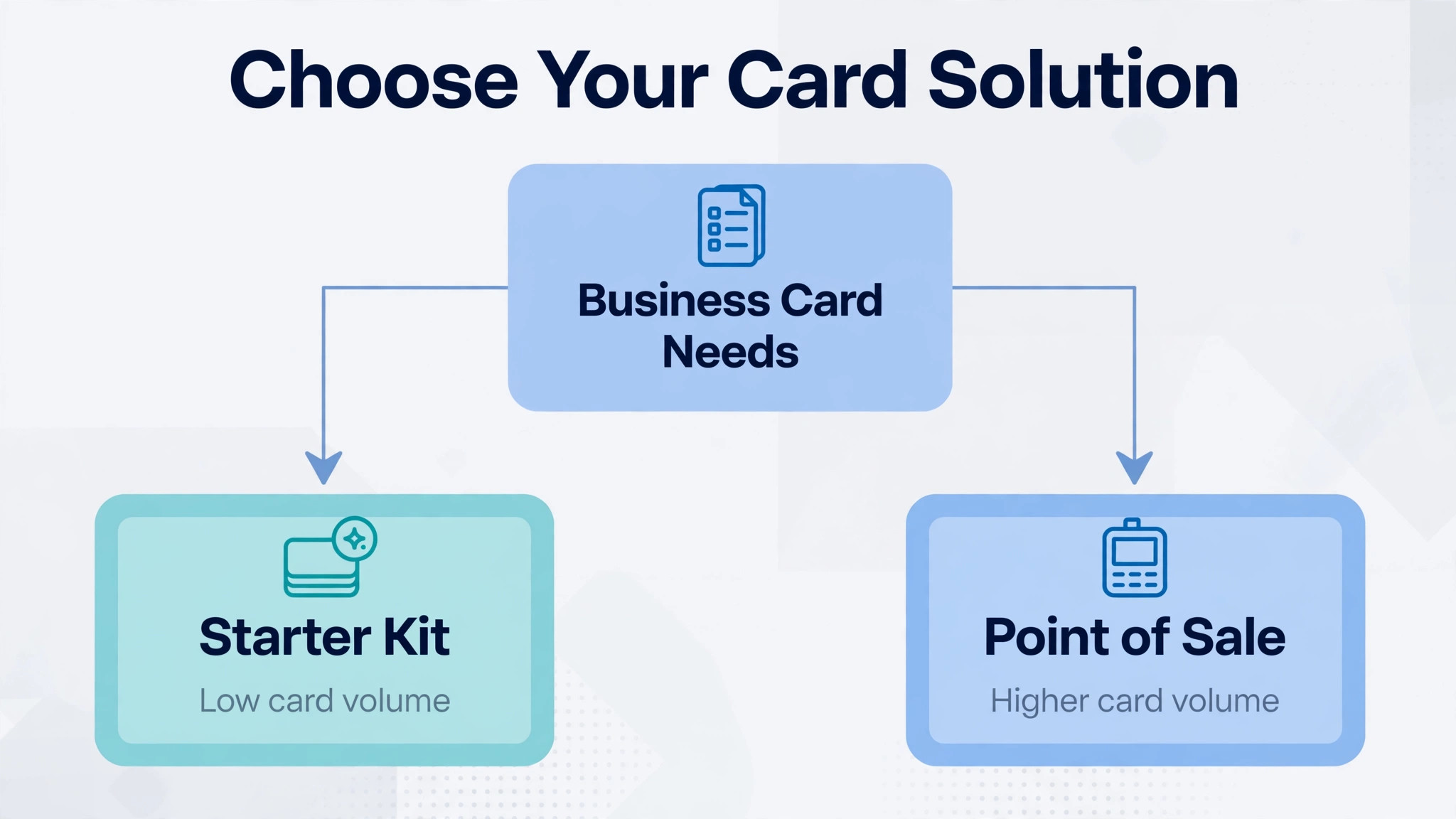
Choose the Starter Kit if card volume is low, if you have one or two terminals, if upfront cash is tight, and if you accept a two year style commitment in exchange for no hardware purchase. Choose the Point of Sale plan if card volume is steady or growing, if you need three or more terminals, if you want to choose hardware, or if the processing saving at your volume already exceeds 69 dollars per month plus hardware spread.
The crossover calculation is simple. Multiply monthly card sales by the processing gap, about 0.60 percentage points between 3.09 percent and 2.49 percent, and compare the result with the Point of Sale software plus hardware monthly equivalent. If the gap exceeds that total, the paid plan wins on price alone, before support or hardware choice are counted.
Test the calculation with your own average sale, because per transaction cents do not change the gap between plans when transaction count is the same, while percentage fees do. A restaurant with high average sales reaches the crossover at lower transaction counts than a cafe with low average sales, because percentage fees dominate. A food truck with 10,000 dollars per month in card sales faces a processing gap of only about 60 dollars per month, which may not cover the paid plan plus hardware, while a restaurant with 80,000 dollars per month faces a gap near 480 dollars per month, which covers it easily. Your sales volume, not a generic recommendation, decides the winner.
– Monthly card sales and average sale recorded from actual statements – Processing gap calculated, not guessed, from your volume – Terminal and display count planned for the next year, not just today – Add on modules listed with quoted prices, not assumed inclusions – Contract term, hardware ownership and exit terms read before signing
Mistakes That Raise a Toast Bill Without Warning
Adding modules during setup that nobody owns is a common mistake that raises the cost of Toast for small business monthly use. Online ordering, loyalty and marketing tools only pay when someone manages them weekly, updates menus, reviews loyalty performance and responds to online orders promptly. A module bought in a launch bundle and then ignored still charges every month, and it can also create customer confusion if online menus go stale or loyalty rewards never arrive. Assign an owner for each module at purchase, and review module use after sixty days, cancelling anything that has not produced orders, savings or clear customer value.
Underestimating hardware needs is a second mistake. A restaurant that budgets for one terminal, then adds handhelds and displays during opening weeks, faces unplanned hardware spending and monthly terminal fees that were never in the opening budget. Plan hardware for peak service, not for a quiet Tuesday, and include spare capacity for a terminal failure during service. A spare handheld or a backup plan for manual card handling during an outage is cheaper than a lost service, and it should be part of the opening plan rather than an afterthought.
Ignoring the processing rate in menu pricing is a third mistake. If menu prices were set before Toast processing was understood, a higher processing rate can erode margins on low priced items, especially where per transaction cents weigh heavily. A 10 dollar item at 3.09 percent plus 15 cents loses about 46 cents to processing, which is 4.6 percent, while a 30 dollar item loses about 1.08 dollars, which is 3.6 percent. Price menus with processing in mind, consider a card surcharge where lawful and appropriate, or set a minimum card amount, rather than absorbing a processing gap silently across every sale.
Verdict for a Small Restaurant
For a very small, low volume counter, the Starter Kit is a defensible starting point, because it avoids upfront hardware spending and keeps software at 0 dollars per month, provided you understand the higher processing rate and the contract commitment. For most established small restaurants, the Point of Sale plan from 69 dollars per month plus hardware is the better value, because the lower processing rate, the ability to add terminals and displays, and the standard support stack outweigh the software fee once card volume grows. A three terminal restaurant should budget well beyond 69 dollars per month, with terminal and display fees, processing on actual sales, and only the add on modules it will actively manage.
Before you sign, request a written quote that lists software, every terminal and display fee, hardware purchase or financing totals, processing rates for card present and card not present sales, each add on price, contract term and exit terms. Run the quote against your last three months of card statements, not against a sales estimate, and choose the plan that wins on your numbers. Check the official Toast pricing page at https://pos.toasttab.com before you buy, and treat any add on price that is not in your written quote as unconfirmed.
Frequently Asked Questions
Is Toast really free on the Starter Kit?
Software is listed at 0 dollars per month on the Starter Kit, with hardware included at no upfront cost on pay as you go terms, but processing is charged at a higher rate, reported around 3.09 percent plus 15 cents and higher for some packs. Free in this context means no software or hardware upfront charge, not no cost overall, because processing on every card sale is the real charge.
How much does the cost of Toast for small business monthly use rise with extra terminals?
Extra terminals are reported at 50 dollars per month each in software fees, on top of hardware purchase or financing, while kitchen display software is reported at 25 to 35 dollars per month per display. Confirm those figures in a written quote, because bundle and contract terms affect the final monthly fee.
When does the Point of Sale plan beat the Starter Kit on price?
The Point of Sale plan wins when the processing saving at your card volume exceeds 69 dollars per month plus the monthly equivalent of hardware. At 60,000 dollars per month in card sales, the percentage gap alone is about 360 dollars per month, which easily covers the software fee, while at very low volume the Starter Kit can still win.
Does Toast work with iPads or existing terminals?
No, Toast runs on its own restaurant grade Android hardware and does not support iPads, third party tablets or terminals from other systems on reported terms. Budget for Toast hardware as a sunk cost in the Toast ecosystem, and check hardware ownership and exit terms before signing.
What add ons should a small restaurant price first?
Price online ordering, loyalty, gift cards, payroll and kitchen display software first, because those are the modules most small restaurants actually consider, and each can add 50 to 150 dollars per month on reported estimates. Add a module only when it has a named owner and a weekly use case, and review use after sixty days.
How does the cost of Toast for small business monthly use compare with a general tablet POS?
A general tablet POS may have a lower software fee and cheaper hardware, but it may lack restaurant specific hardware durability, kitchen display integration and round the clock restaurant support. Toast wins when card volume, table service and kitchen workflow justify its ecosystem, and a simpler POS wins when volume is low and needs are basic.
Can a restaurant leave Toast and keep its hardware?
No, Toast hardware only runs Toast software on reported terms, so leaving means replacing hardware and rebuilding menus and workflows. Read contract term, financing balance and data export terms before signing, and plan a migration budget if you ever expect to switch systems.
Is a custom Build Your Own plan worth considering for a small restaurant?
A custom plan is worth considering when terminal count, kiosk needs or module mix fall outside the standard Starter Kit and Point of Sale routes, or when a multi location setup needs a tailored quote. For a single small restaurant, the standard Point of Sale plan usually covers the need without a custom negotiation.