

A general builder gives you a beautiful site with no live listings, while a real estate platform gives you live listings inside a template you cannot change, and that trade off is the whole decision. The best website builder for real estate agents is not the prettiest builder or the cheapest platform. It is the one whose first job matches yours, whether that job is showing listings, capturing leads or presenting the agent.
Buyers judge an agent site in seconds, and they judge it on three things. Can they search real homes in your area without leaving the site, can they contact you in one tap, and does the site look like a local expert rather than a template. A site that fails the first test sends buyers to a portal, and a portal rarely sends them back.
This guide compares six builders on the same questions. Is IDX native or added on, how strong is lead capture and follow up, what does the full monthly bill become, and where does each builder fall short. Prices are starting points checked at writing time, so confirm the current price on the vendor page before you buy.
Real Estate Builder Tools at a Glance
Read the table as a shortlist, not as a ranking. The cheapest builder suits a solo agent with a referral business perfectly, while the platform suits an agent who buys leads every month. Pick three finalists, then read their full sections before committing to a contract. Use this table to start choosing the best website builder for real estate agents for your sales job and budget.
| Tool | Starting price | Best for |
|---|---|---|
| Wix | agents wanting flexibility and branding control | From $17 a month billed annually, plus IDX costs |
| Squarespace | boutique agents wanting a beautiful site fast | From $23 a month plus IDX costs |
| Real Geeks | agents wanting website, CRM and lead generation in one system | From $399 a month plus a $500 setup fee |
| Sierra Interactive | growing teams wanting a strong IDX site plus nurture | From $299.95 a month on annual billing |
| Placester | budget solo agents wanting IDX included | From $59 a month |
| AgentFire | brand focused agents wanting a managed site | From $149 a month plus setup |
Why best website builder for real estate agents Beats a General Website Builder
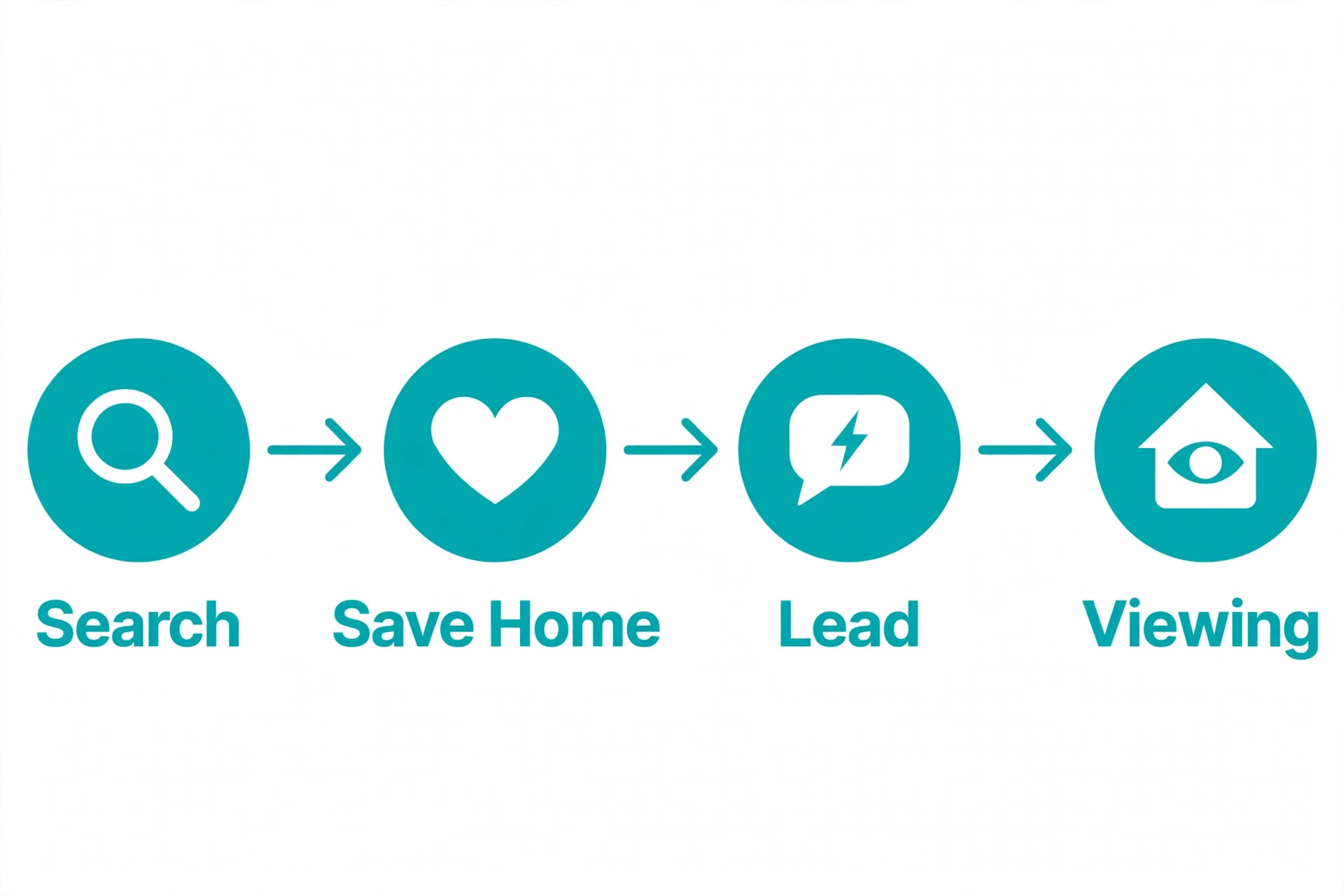
A general builder can publish pages, but it does not understand a listing. A property has a price, beds, baths, location, status and photos that change daily, and buyers expect to search, filter and save those properties on the agent site itself. A real estate builder or a builder with a proper IDX add on keeps that search live, fast and on your domain, so buyers stay with you instead of drifting to a portal.
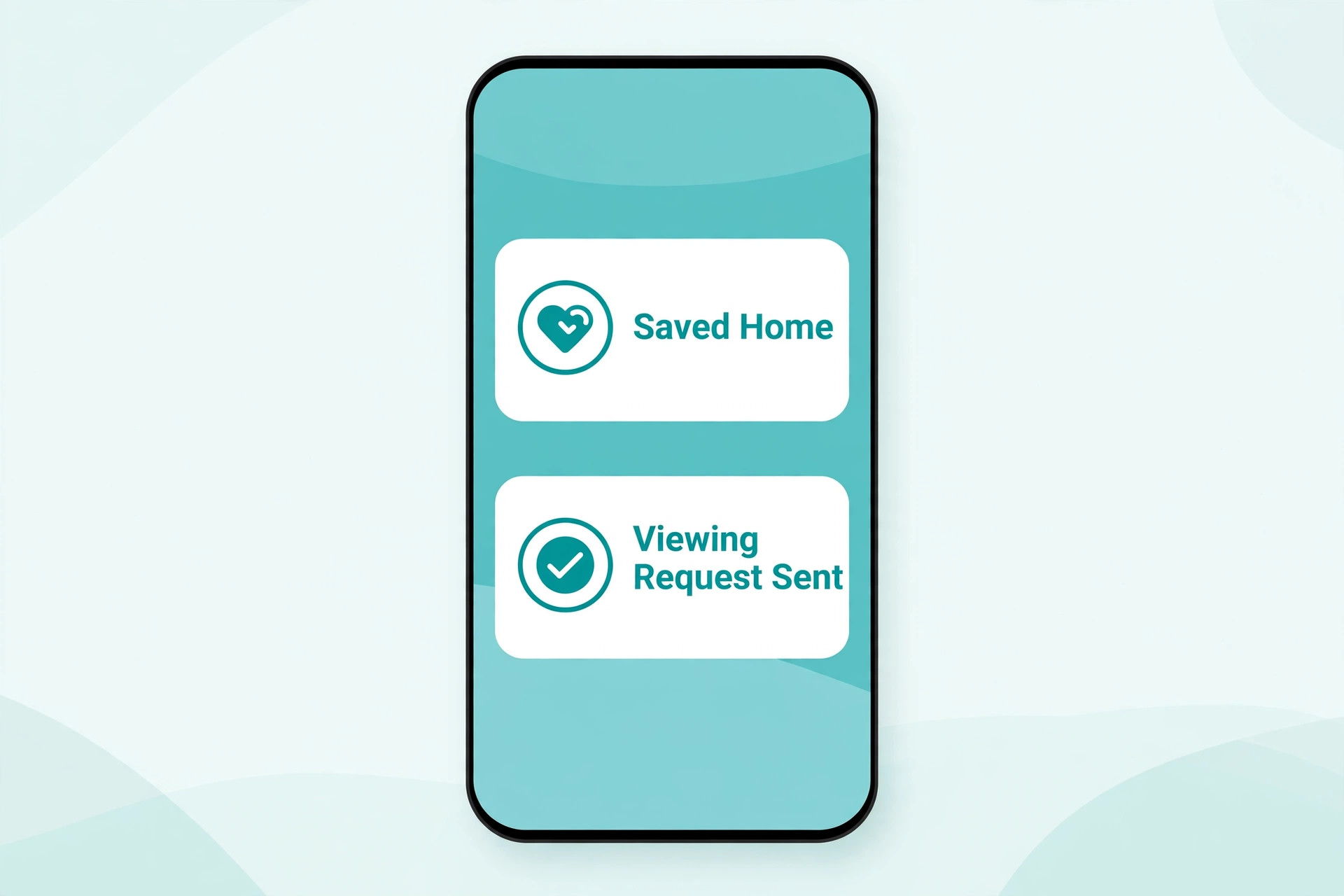
Lead capture is the second difference. A general contact form collects a name and a message, while a real estate site captures search behaviour, saved homes, price alerts and viewing requests, then routes that lead to the right agent with follow up already started. An agent who buys leads cannot afford to lose them to a form nobody checks, and a builder that treats lead capture as an afterthought will do exactly that.
The third difference is local search. Neighbourhood pages, listing pages and market updates give an agent site pages that can rank for local searches, while a five page brochure site ranks for almost nothing. A builder that makes listing and neighbourhood pages easy to publish will pay for itself in search traffic alone, if the agent actually publishes them.
Start the trial with a real week of work, not with a demo account filled with perfect test data. Load your actual timetable, your real customers and your true prices, then ask the team to run the daily routine exactly as they would after launch. A trial that mirrors real work exposes slow screens, missing fields and confusing steps before any money changes hands. If a task takes three clicks in the demo and seven in real use, that gap will cost hours every week.
Train on one workflow at a time, starting with the job that earns money fastest. Staff who learn booking, payment and cancellation in week one will trust the system, while staff who sit through a full feature tour will remember little of it. Short daily practice, using real examples from the previous day, builds confidence faster than a long training day that nobody enjoys.
Agree on response times and support hours in writing, especially if the business trades evenings or weekends. A support team that answers only on weekday mornings is little help when the system fails on a Saturday. Ask for the real support channel, test it during the trial, and note how long a genuine question takes to reach a person who can fix it.
Plan the migration in small steps, moving one group of records at a time and checking each group before moving the next. A big bang move on a Friday night creates a Monday morning of missing records and confused staff. Small steps take longer on paper, yet they protect the business from the one error that stops trading for a day.
Six Builders, Reviewed One by One
Wix
Wix is the pick for From $17 a month billed annually, plus IDX costs. It covers drag and drop building, real estate templates, contact forms, SEO tools and IDX integration through add ons, with social and map integrations for listings. An agent who wants a distinctive brand and full control over pages will value the design freedom most. At agents wanting flexibility and branding control, it sits in a price band a small business can judge against the hours it saves or the revenue it protects.
The limit is IDX depth, because live MLS search arrives through an add on rather than natively, so the agent must confirm board coverage, search display and lead delivery with a working example before committing. Choose Wix if the job above matches your daily work and the price fits your budget at your real size. Skip it if that job is only a small part of what you need, because a tool bought for one job rarely excels at a different one.
Squarespace
Squarespace is the pick for From $23 a month plus IDX costs. It covers clean design led templates, strong typography and photography presentation, with a section based editor that keeps every page looking designed even when the owner adds pages alone. An agent whose brand is visual will present listings beautifully here. At boutique agents wanting a beautiful site fast, it sits in a price band a small business can judge against the hours it saves or the revenue it protects.
The limit is real estate depth, because IDX search, lead routing and CRM features arrive through add ons rather than natively, so an agent who needs listings first should price the full add on stack, not just the base plan. Choose Squarespace if the job above matches your daily work and the price fits your budget at your real size. Skip it if that job is only a small part of what you need, because a tool bought for one job rarely excels at a different one.
Real Geeks
Real Geeks is the pick for From $399 a month plus a $500 setup fee. It covers IDX websites, a built in CRM, lead generation, Facebook ad management and email drip campaigns in one platform, with a mobile CRM app and onboarding support. An agent who wants paid leads managed inside the same system as the website gets one workflow from click to follow up. At agents wanting website, CRM and lead generation in one system, it sits in a price band a small business can judge against the hours it saves or the revenue it protects.
The limit is total cost, because additional users, MLS boards and lead packages add up quickly on top of the base platform fee, so compare the full proposal for the real team rather than the starting price alone. Choose Real Geeks if the job above matches your daily work and the price fits your budget at your real size. Skip it if that job is only a small part of what you need, because a tool bought for one job rarely excels at a different one.
Sierra Interactive
Sierra Interactive is the pick for From $299.95 a month on annual billing. It covers IDX websites, CRM, lead routing, paid ads support and long text nurture that can follow a lead for up to twelve months, with crawlable neighbourhood pages on the agent domain. A team working long buying cycles and relocation buyers will value that combination most. At growing teams wanting a strong IDX site plus nurture, it sits in a price band a small business can judge against the hours it saves or the revenue it protects.
The limit is team cost, because a realistic three user team with add ons can reach 800 dollars a month or more, and onboarding support ends after thirty to ninety days in user feedback, so budget for self sufficient operation. Choose Sierra Interactive if the job above matches your daily work and the price fits your budget at your real size. Skip it if that job is only a small part of what you need, because a tool bought for one job rarely excels at a different one.
Placester
Placester is the pick for From $59 a month. It covers IDX websites, lead capture and basic CRM tools at a price a solo agent can justify, with templates built for property search rather than adapted from a general builder. A solo agent who needs live listings without a platform level bill gets the core job done here. At budget solo agents wanting IDX included, it sits in a price band a small business can judge against the hours it saves or the revenue it protects.
The limit is depth, because CRM and marketing features are basic next to the larger platforms, so a team that grows past a few agents may need a second system for routing and reporting. Choose Placester if the job above matches your daily work and the price fits your budget at your real size. Skip it if that job is only a small part of what you need, because a tool bought for one job rarely excels at a different one.
AgentFire
AgentFire is the pick for From $149 a month plus setup. It covers managed WordPress websites, IDX integration, lead management, landing pages and premium add ons such as clickable maps, with design and content work included in the service. An agent who wants a polished site without building it personally gets professional help from the start. At brand focused agents wanting a managed site, it sits in a price band a small business can judge against the hours it saves or the revenue it protects.
The limit is setup cost and technical depth, because setup fees and IDX charges sit on top of the monthly plan, and some features need technical confidence to use well, so confirm the full setup scope in writing. Choose AgentFire if the job above matches your daily work and the price fits your budget at your real size. Skip it if that job is only a small part of what you need, because a tool bought for one job rarely excels at a different one.
Best Pick by Agent Job
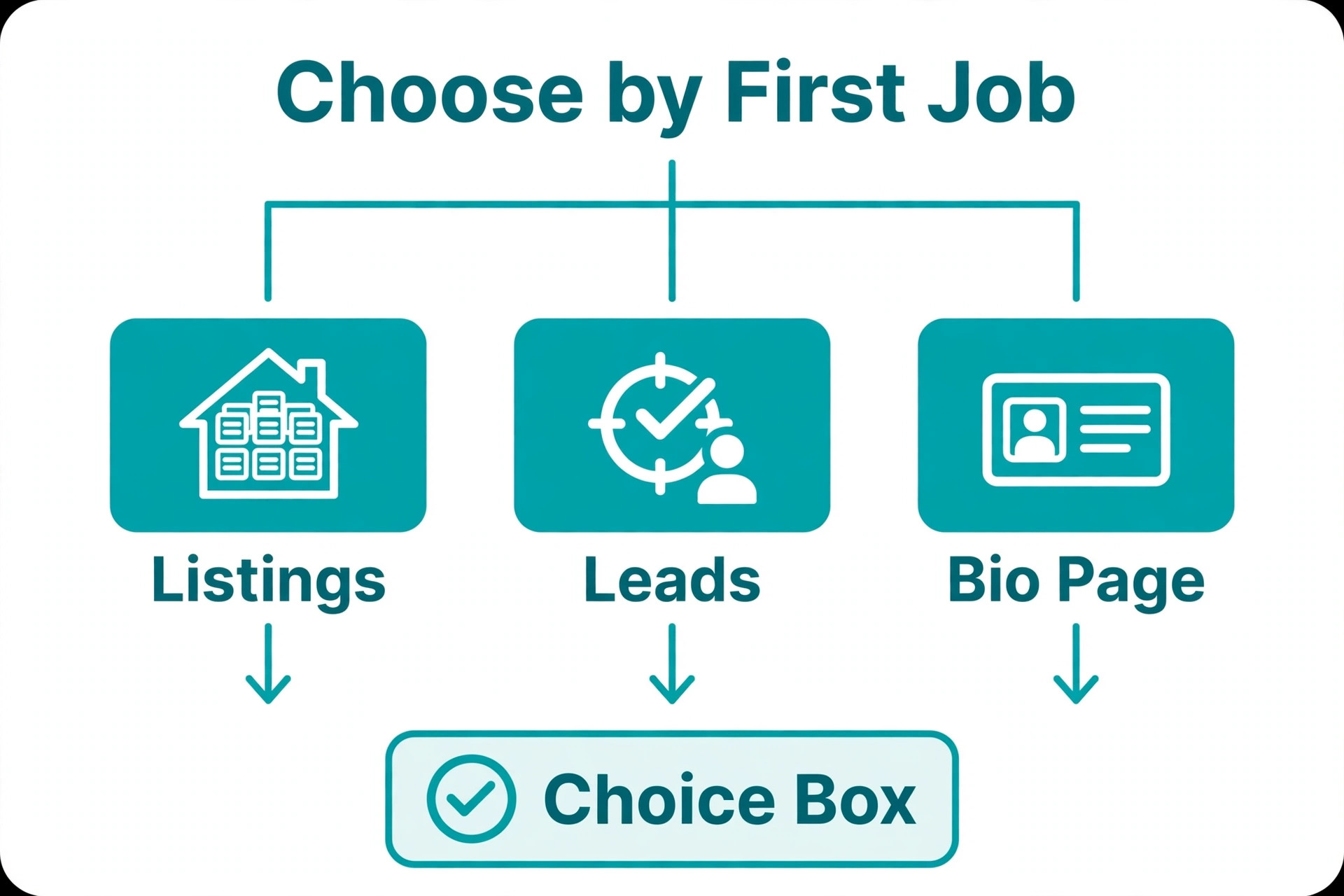
The right builder changes with the sales job. Listings first, lead capture first and agent bio first are different sites, and the builder that wins one may not win another. Use this table to match the pick to the job, then confirm the fit by building one real page in a trial. That matching step turns a general search for the best website builder for real estate agents into a shortlist that fits real work.
| Job | Best pick | Why it wins |
|---|---|---|
| Listings first | Sierra Interactive | Native IDX, neighbourhood pages and long nurture |
| Lead capture first | Real Geeks | Website, CRM and paid lead generation in one system |
| Agent bio first | Squarespace | Beautiful presentation for a personal brand |
The IDX Integration Checklist Before You Pay
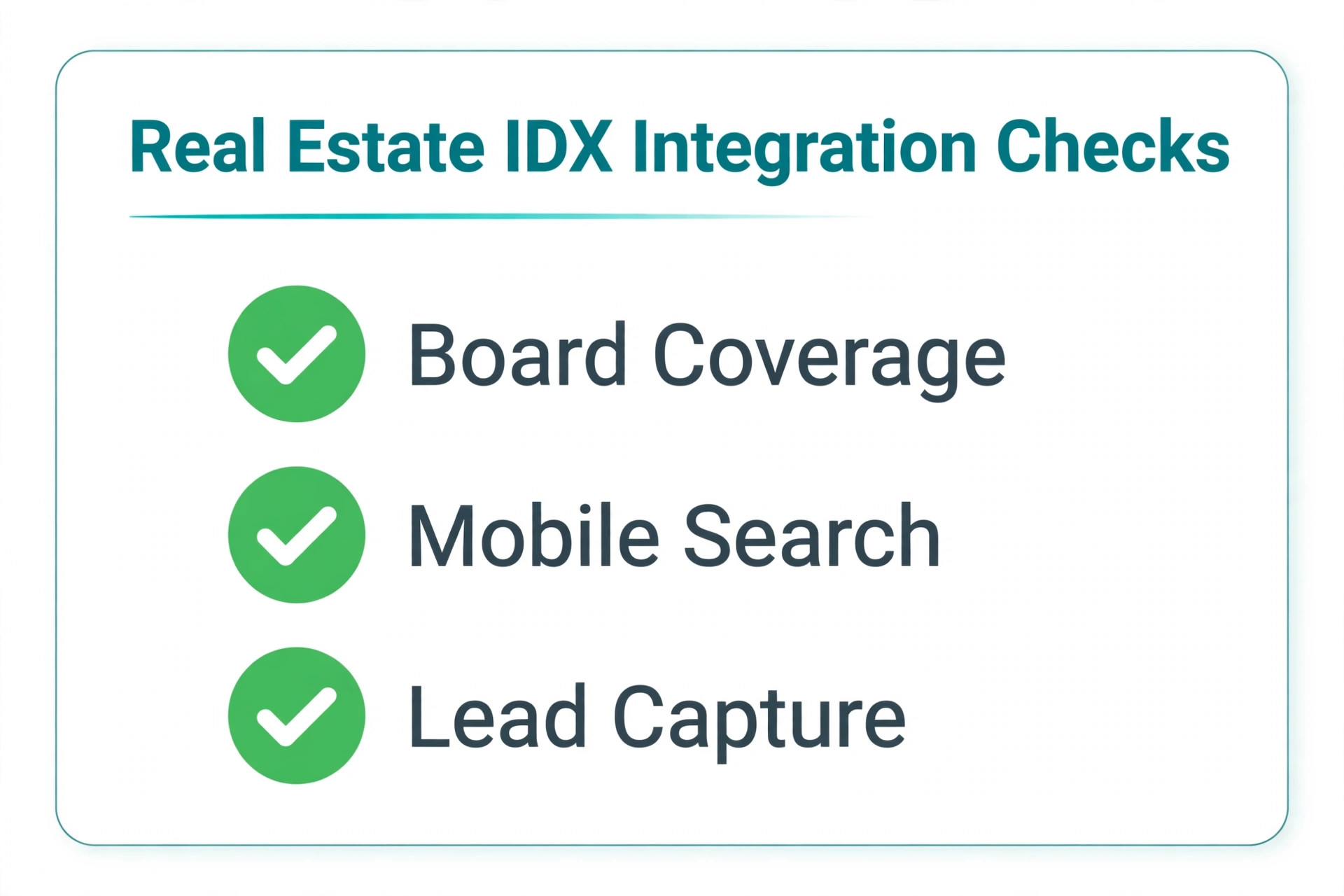
Run through this checklist on every finalist before signing. A builder that fails two or more items will cost more in lost buyers than it saves in subscription fees. Run the same checks when comparing the best website builder for real estate agents, because IDX that looks live in a demo must also work for your board, your buyers and your follow up.
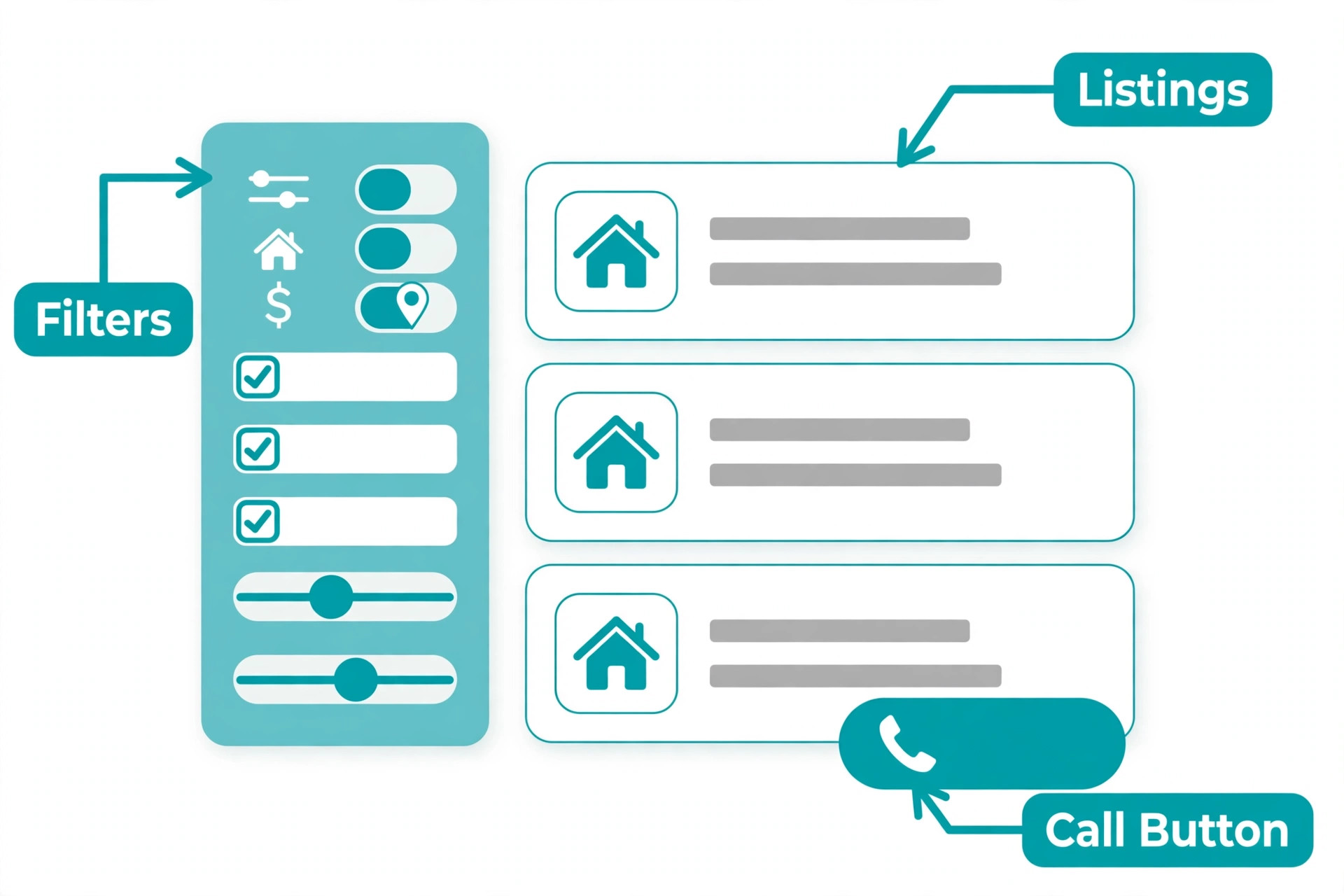
– Check that IDX coverage includes your board, with live listings, accurate status and photos, confirmed on a working example for your market. – Check that property search is fast on a phone, with filters buyers actually use, saved searches and price alerts that work without a desktop. – Check that every listing page captures leads clearly, with a short form, a call button and a viewing request that reaches the right agent. – Check that forced registration, if used, is timed fairly, so buyers can browse before being asked to register, rather than hitting a wall on the first click. – Check that you own your content and can export leads, pages and images, so leaving the platform does not mean losing the site you built. – Check that the full annual cost is written down, including IDX fees per board, extra users, setup and any lead package, before the trial ends.
What an Agent Really Pays Each Month
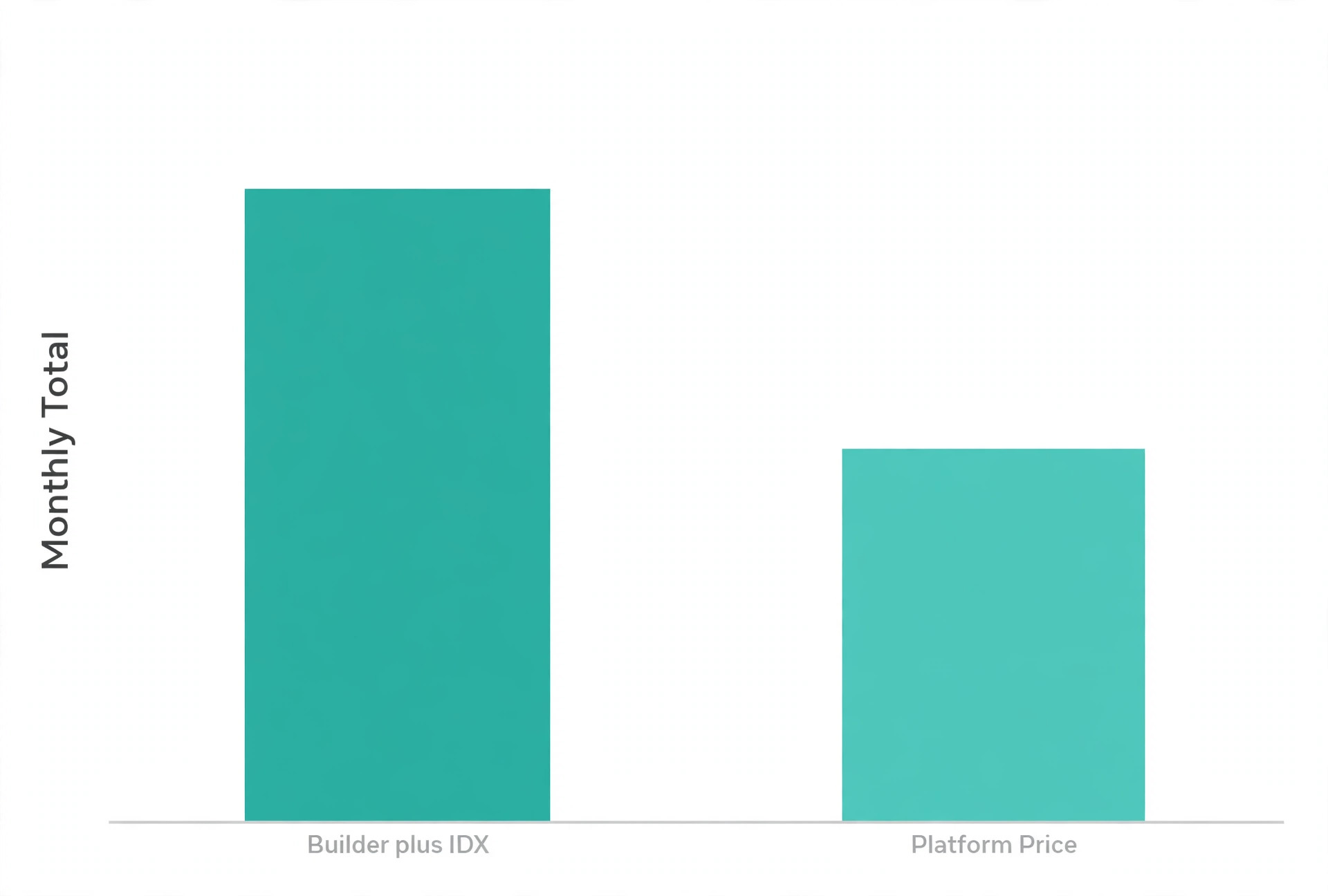
The headline builder price hides the real decision, because IDX fees, setup, extra users and lead packages move the total by hundreds each month. A solo agent on a 23 dollar builder plus IDX may pay under 100 dollars a month in total, while the same agent on a 399 dollar platform plus lead packages can pass 800 dollars a month quickly. Compare totals at the real setup, not single plan prices. That total is the real price to compare when choosing the best website builder for real estate agents.
At a small size, the maths favours a general builder with an IDX add on, because the agent keeps costs low while referral business carries revenue. At a larger size, the maths flips, because a platform that generates, captures and nurtures leads in one system can replace a website bill, a CRM bill and some advertising spend in one contract.
Ask who owns the setup once the vendor team leaves. A tool that needs a champion inside the business will stall if that person is also the busiest operator. Name one owner, give that person protected time in the first fortnight, and write down the three routines that must happen every day. Without an owner, even a strong product drifts back to spreadsheets and group chats within a month.
Watch the first month of reports closely, because the numbers will show whether the new system helps or merely moves work around. Track time spent on admin, missed bookings or unpaid invoices, and customer complaints about the booking or payment step. If those figures do not improve by the end of month one, fix the workflow before blaming the team, because a good tool with a bad workflow still fails.
Review the contract line by line with the same care you give to a supplier agreement. Note the minimum term, the notice period, the price change clause and any fee for extra users, locations or transactions. A clear contract protects both sides, while a vague contract protects only the vendor. If a term is unclear, ask for it in plain writing before signing.
Finally, set a review date three months after launch and judge the tool against the reasons you bought it. Write those reasons down now, while they are fresh, and compare them with the actual results at review time. If the tool met them, keep it and deepen its use. If it did not, change the workflow or change the tool before another year of fees passes.
Mistakes That Send Buyers to Portals
The most common mistake is choosing on design alone. A beautiful site with no live search sends buyers straight to a portal, while a plainer site with fast live search keeps them. Judge the search first, the lead form second and the design third, because design without search does not sell homes. That order matters for any search for the best website builder for real estate agents.
The second mistake is launching a site and never publishing again. A site with five pages and no new listings, neighbourhood guides or market updates will rank for almost nothing and look stale to returning visitors. Plan one new local page a week for the first three months, and treat publishing as part of the job, not as a launch task.
Check the exit terms before the entry price, because every system in this guide holds data you will need later. Ask for a sample export, open it, and confirm that customer records, history and financial figures come out in a usable form. A vendor that makes leaving hard will also make price rises easy, so treat export quality as a core feature rather than a footnote in the contract.
Keep the customer experience at the centre of every setting you change. A shorter form, a clearer confirmation and a faster payment step will do more for repeat business than a new dashboard feature. Test every change as a customer would, on a phone, in a hurry, with one hand free. If a step feels awkward there, it will feel awkward for every customer who tries it.
Build a simple weekly routine around the new system, with one person checking the key figures and one short meeting to fix problems. A tool that nobody reviews will slowly fill with stale records, duplicate customers and outdated prices. Fifteen minutes a week keeps the data clean, and clean data keeps every later report honest and useful.
How to Test Three Builder Finalists in Two Weeks
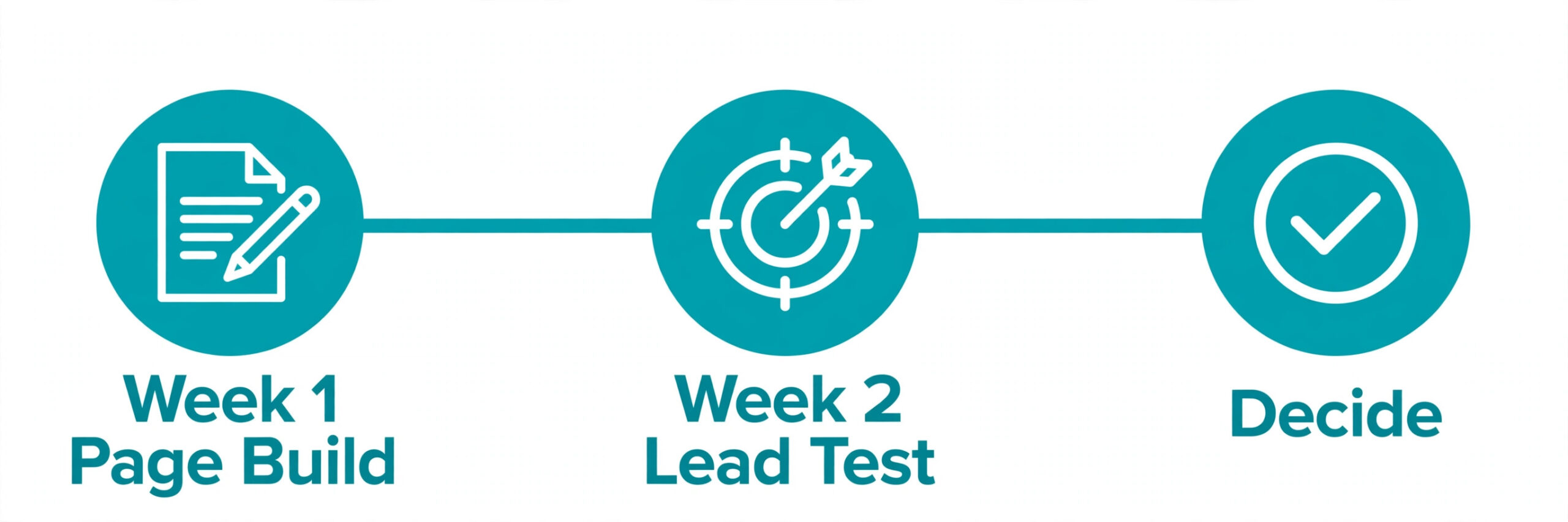
Give each finalist the same real week of work. Build one listing search page, one neighbourhood page and one agent bio page with real photos, real copy and a real lead form, then test search, saved homes and lead delivery on a phone. Score each builder on the same sheet, so the decision rests on evidence rather than on the smoothest sales demo. A fair trial is the only honest way to compare the best website builder for real estate agents.
Test the buyer journey on a phone with a weak connection, because most buyers search on phones, often from a car outside a viewing. Check how fast listings load, how clear the call button feels and how short the lead form is. A builder that feels fast in week one usually stays fast, while a builder that feels slow rarely improves with familiarity.
Price the second year, not the first month, because introductory rates, free trials and launch discounts all expire. Write down the renewal price, the price at the next tier and the cost of the add ons you actually need. A plan that looks cheap at launch and dear at renewal is not cheap, and a plan that stays fair as you grow is worth more than a small saving in month one.
Separate must have features from nice to have features before the demo, and score each finalist only on the must have list. A long feature list looks impressive in a sales call, yet most of those features will never be opened after launch. Three features used daily beat thirty features used once, so buy for the daily work and ignore the rest of the catalogue.
Test the mobile experience before anything else, because staff and customers now do most of this work on phones. If the mobile view hides key buttons, shrinks text too far or forces endless scrolling, adoption will suffer no matter how good the desktop version looks. Judge the product on the smallest screen your team actually uses, not on a large office monitor.
More Reading on Stratilyze
–
[
B
e
s
t
A
I
T
o
o
l
s
f
o
r
R
e
a
l
E
s
t
a
t
e
A
g
e
n
t
s
]
(
h
t
t
p
s
:
/
/
s
t
r
a
t
i
l
y
z
e
.
c
o
m
/
b
e
s
t
–
a
i
–
t
o
o
l
s
–
f
o
r
–
r
e
a
l
–
e
s
t
a
t
e
–
a
g
e
n
t
s
/
)
–
[
B
e
s
t
C
R
M
f
o
r
R
e
a
l
E
s
t
a
t
e
A
g
e
n
t
s
S
m
a
l
l
B
r
o
k
e
r
a
g
e
]
(
h
t
t
p
s
:
/
/
s
t
r
a
t
i
l
y
z
e
.
c
o
m
/
b
e
s
t
–
c
r
m
–
f
o
r
–
r
e
a
l
–
e
s
t
a
t
e
–
a
g
e
n
t
s
–
s
m
a
l
l
–
b
r
o
k
e
r
a
g
e
/
)
–
[
B
e
s
t
W
e
b
s
i
t
e
B
u
i
l
d
e
r
f
o
r
R
e
s
t
a
u
r
a
n
t
s
]
(
h
t
t
p
s
:
/
/
s
t
r
a
t
i
l
y
z
e
.
c
o
m
/
b
e
s
t
–
w
e
b
s
i
t
e
–
b
u
i
l
d
e
r
–
f
o
r
–
r
e
s
t
a
u
r
a
n
t
s
/
)
Frequently Asked Questions About Real Estate Website Builders
Do I need IDX, or is a simple site enough?
You need IDX if buyers are expected to search homes on your site. A simple site works when all business comes from referrals and the site is only a credibility check, but it will not keep portal buyers on your pages, because they came to search, not to read a bio.
What does IDX cost on top of a builder?
IDX costs vary by board and provider, from about 10 dollars per board per month on some platforms to a bundled fee on others. Always confirm the per board charge, the setup fee and any search display limits for your board before budgeting, because the total differs widely.
Should a solo agent buy a platform like Real Geeks?
Only if lead generation is the bottleneck. A solo agent with steady referrals will usually do better on a cheaper builder with IDX, while a solo agent who buys leads monthly may justify a platform that manages generation, capture and follow up in one place.
Can I keep my site if I leave a platform?
Often only in part. General builders let you keep content more easily, while platforms may own the design and IDX setup. Check export terms before signing, and keep copies of your copy, photos and lead lists outside the platform from day one.
How important is mobile speed for an agent site?
Very important, because most buyers search on phones and judge speed instantly. A listing page that loads slowly, hides the call button or forces endless scrolling will lose buyers to a faster rival, however good the desktop design looks.
How long does it take to launch a good agent site?
A general builder site can launch in a weekend, while a platform site with IDX, CRM setup and lead routing should allow two to four weeks. The slow part is confirming board coverage, writing local pages and testing lead delivery, not choosing a template.
The Verdict for Real Estate Agents
For most solo agents, Wix is the sensible first trial for flexibility, and Squarespace is the sensible first trial for a bio led brand, with IDX priced honestly on top. Agents who need listings and nurture in one system should trial Sierra Interactive, and agents who buy leads monthly should trial Real Geeks with the full proposal in hand. That shortlist is a practical way to choose the best website builder for real estate agents without paying for a platform you will not use.
Whichever builder you shortlist, build one real search page, one real neighbourhood page and one real lead form before you pay for a year. The best builder is the one buyers search on without leaving, leads reach without delay, and owners can update without a developer. That test, run properly, will choose the builder for you.