

Rental income looks simple until tax season, when a missing receipt, a mixed personal expense or a property report built from memory can turn a good year into an expensive clean up. The best accounting software for real estate investors solves that problem by tracking each property separately, so owners can see which doors actually earn money before hold, sell and refinance decisions. This guide compares eleven tools on that standard.
Research for this review points to a clear split, with entry prices in late 2026 comparison pages ranging from free to $69 a month across this set. Property focused tools give per property profit and loss, rent tracking and Schedule E style reports with little setup. General accounting tools give deeper double entry books and wider accountant support, but they need careful setup to report by property. The right choice depends on how many doors you own and how you invest.
Prices below are starting points from vendor and comparison pages in late 2026, and you should check the vendor page before you buy. Where a vendor price could not be verified cleanly, we say so plainly. A low entry price means little if the plan you actually need sits two tiers higher, so each section names the plan reality as well as the headline.
The Shortlist At A Glance
Start with the table, then read the sections for the tools that match your portfolio. A free tool can be perfect for three rentals and a poor fit for thirty, so match the tool to unit count and tax needs before you match it to price.
| Tool | Starting price | Best for |
|---|---|---|
| Stessa | Free | Beginner investors and landlords who want per property books at no cost |
| QuickBooks Online | $38 per month | Investors who want full double entry books a CPA can audit |
| Xero | Check the vendor page | Investors who share books with an accountant and want unlimited users |
| REI Hub | Free for up to 3 units | Rental owners who want real estate bookkeeping without accounting training |
| Buildium | $62 per month | Property managers and landlords who also manage tenants |
| DoorLoop | $69 per month | Growing investors who need management plus accounting in one place |
| FreshBooks | $23 per month | Investors and agents who invoice and track time more than they manage tenants |
| Wave | Free | Small operations that want free core bookkeeping and invoicing |
| Landlord Studio | $12 per month | Landlords who want double entry depth at a landlord price |
| RentRedi | $12 per month | Self managing landlords who want rent, screening and books together |
| Baselane | Check the vendor page | Investors who want banking and books linked by property |

Why the best accounting software for real estate investors outperforms a general ledger
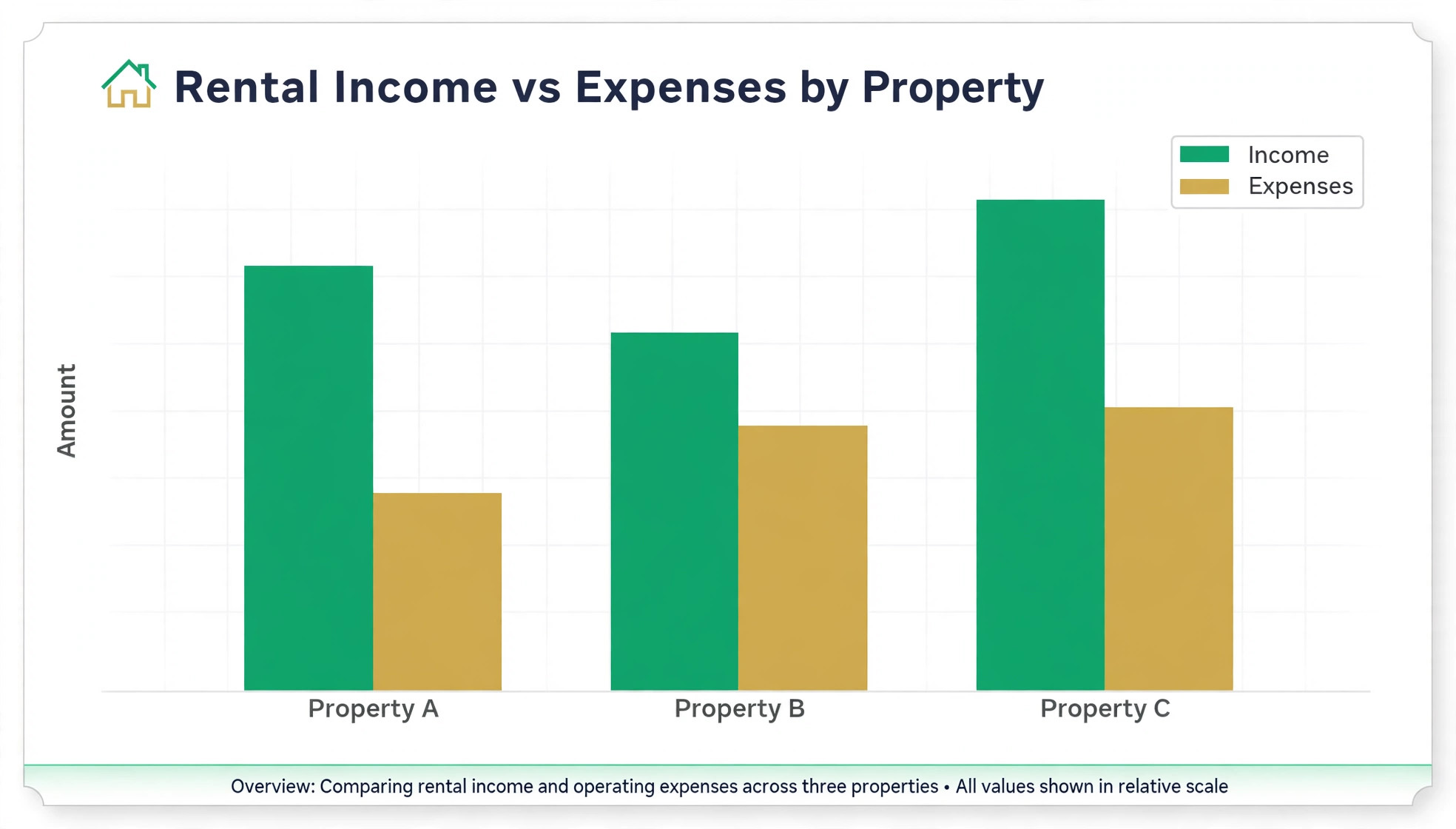
The best accounting software for real estate investors keeps each property as its own financial story. Rent, repairs, insurance, tax and loan costs sit under one property, so an investor can compare a duplex with a single family rental without rebuilding reports. A general ledger can do this with classes or tracking categories, but that setup takes discipline and breaks easily when a bookkeeper changes.
Tax reporting is the second gain. Property tools aim reports at the schedules investors actually file, with per property income and expense summaries that a CPA can use without a long clean up. General tools are stronger on full double entry control, yet they often need extra work to produce the same property view at year end.
Rent and cash handling is the third gain. Tools built for landlords link rent collection, tenant ledgers and bank feeds to the books, so a missed payment shows up as both a cash problem and a tenant problem. That link saves the monthly reconciliation scramble that many investors know too well.
Bank feeds are the foundation of clean rental books, because manual entry invites errors and delays that compound across a portfolio. Connect each property account on day one, set the feed start date to the beginning of the tax year, and create rules for recurring items such as insurance, loan payments and management fees. When feeds run cleanly, monthly reconciliation becomes a short review instead of a long reconstruction.
Tenant ledgers deserve the same care as bank accounts, because a rent dispute is usually a record dispute. Record rent, fees, credits and payments by tenant and by month, and keep security deposit handling separate from operating income. A clear ledger lets an investor answer a tenant question in minutes and gives a CPA a clean income trail without extra schedules.
Loan and mortgage tracking is often overlooked until refinance time, when a lender asks for payment history, balances and property performance in a hurry. Record loan details, escrow and interest separately from operating expenses, and reconcile the loan balance monthly. That discipline makes refinance and sale decisions faster, because the numbers are already trusted.
Insurance and tax escrow items should be tagged consistently across properties, because inconsistent tagging makes portfolio comparison meaningless. Decide once how insurance, property tax, repairs and capital items are categorised, write that rule down, and apply it to every property. Consistency across properties is what turns raw transactions into a portfolio view an investor can act on.
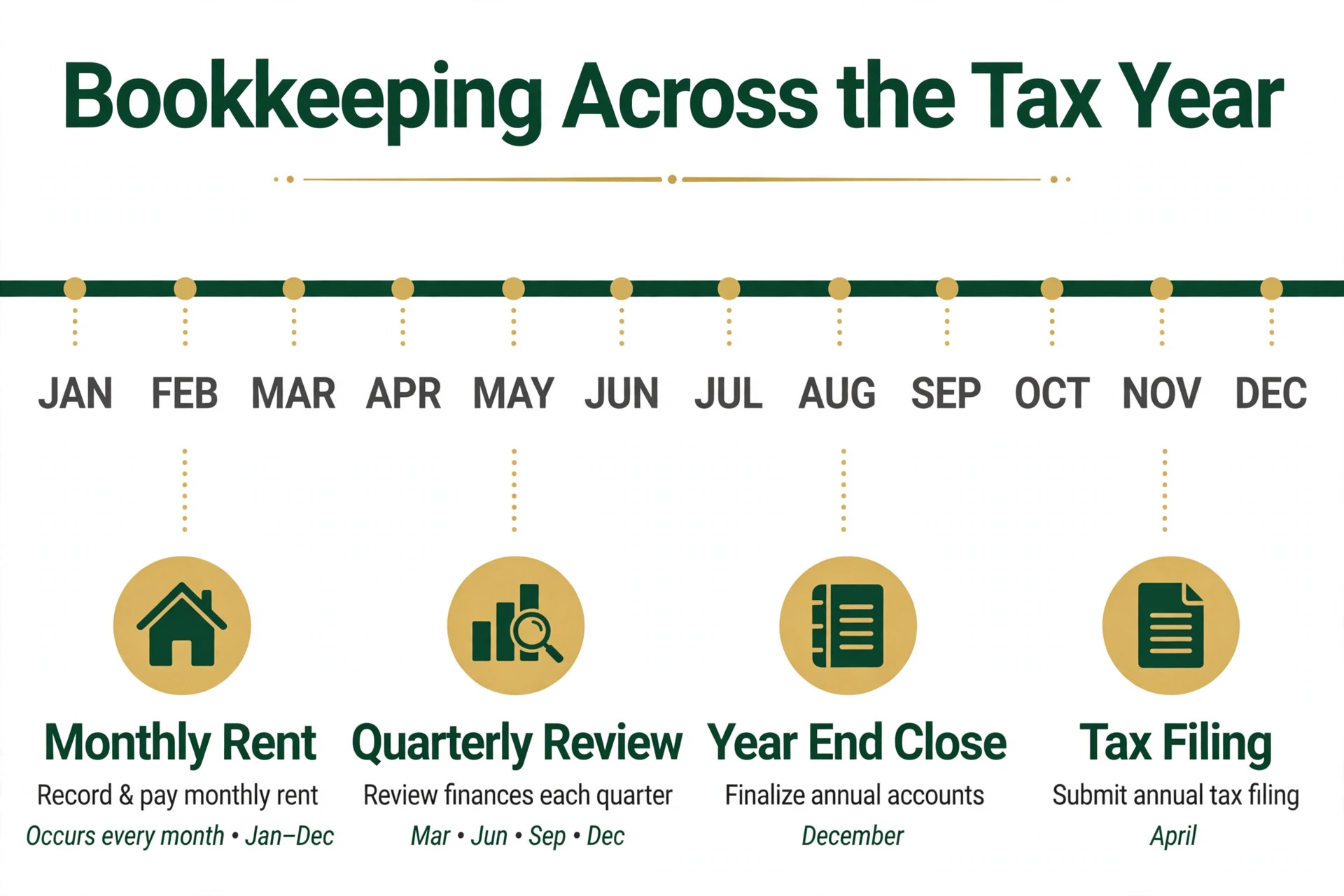
A monthly close routine prevents year end panic, and it need not take long. Reconcile bank accounts, review uncategorised transactions, check rent arrears and run a per property profit and loss on the same day each month. That routine catches a missing rent payment or a misclassified repair while it is still easy to fix, rather than in April when memory has faded.

Eleven Tools Reviewed In Full
1. Stessa
Stessa gives investors a free Essentials tier with unlimited properties, bank feeds, per property dashboards and rent collection, which is a strong starting point for a small portfolio. The property view is clear, reports are easy to read, and the upgrade path adds Schedule E reporting and legal forms for investors who need them. For a landlord learning the books, the low barrier matters. Starting price is free.
The free tier has limits that show up as a portfolio grows. Advanced reports, unlimited receipt scanning and budgeting sit on paid tiers, and investors who need full double entry depth or complex entity accounting may outgrow it. Choose Stessa to start clean and cheap, and move on when your CPA asks for more control than it offers.
2. QuickBooks Online
QuickBooks Online is the strongest general accounting choice, with full double entry books, bank feeds, invoicing, bill handling and a huge accountant network. Most CPAs already know it, which shortens tax season and makes a handover simple. For investors who also run a related business, that familiarity and depth are hard to beat. Starting price is $38 per month.
Per property reporting needs the higher Plus plan for class tracking, so the $38 entry price is not the real price for a multi property investor. Setup also matters, because a messy chart of accounts will produce messy property reports. Choose it when audit ready books matter most, and budget for the tier that gives true per property reporting.
3. Xero
Xero offers clean cloud accounting, bank feeds, invoicing and a built in fixed asset manager that helps investors track depreciation without messy workarounds. Unlimited users on its plans make it easy to share books with an accountant, a bookkeeper and a partner without paying per seat. The interface feels modern and approachable for owners who handle their own books. Starting price is not published, so check the vendor page.
Xero is a general tool, so property level reporting needs tracking categories and careful setup, and it lacks native rent collection and tenant tools. Investors who want landlord workflows will need a companion tool or a disciplined setup. Pick it when accountant collaboration and asset tracking matter more than built in rental features.
4. REI Hub
REI Hub is built for rental bookkeeping, with property ledgers, Schedule E reporting and a workflow that makes sense to owners who are not accountants. The free plan for up to three units lets a new investor test real books before paying, and the paid plan stays affordable for a small portfolio. That focus keeps monthly work short. Starting price is free for up to 3 units.
The trade off is breadth. REI Hub is less suited as a general business accounting system for a large operating company, and investors with complex entities or commercial portfolios may need a deeper tool. Choose it for straightforward rental portfolios, and move to QuickBooks or Xero when the business outgrows rental only books.
5. Buildium
Buildium combines accounting with property management, including tenant screening, lease tracking, owner portals and online payments. For an investor who self manages several properties, that combination removes the gap between tenant operations and the books. Reports by property and owner help a manager explain results without extra spreadsheets. Starting price is $62 per month.
The price and learning curve are higher than a pure bookkeeping tool, and a solo investor with two rentals may pay for management features that sit unused. Buildium fits best when tenant and owner workflows are part of daily work, not when books alone are the problem. Small pure investors should compare Stessa or REI Hub first.
6. DoorLoop
DoorLoop targets growing investors with tenant and owner portals, online rent payments, maintenance handling and accounting in one system. That breadth helps a portfolio that is adding units, because operations and money stay in step as volume rises. The interface is modern and the onboarding is geared to managers rather than accountants. Starting price is $69 per month.
DoorLoop is priced as a management platform, so an investor who only needs books will find cheaper focused options. It also suits growth stage portfolios better than a first rental, where setup time may outweigh the benefit. Choose it when tenant operations and accounting both need to scale together.
7. FreshBooks
FreshBooks is strong on invoicing, expense capture, time tracking and client friendly billing, which suits agents and investors with service income beside rentals. Invoices look polished, payments are easy for clients, and the mobile app makes receipt capture painless. For a mixed income investor, that polish is a daily benefit. Starting price is $23 per month.
FreshBooks is not a property management tool, so per property rental reporting and tenant workflows need workarounds. Investors whose main need is rental books will get more from Stessa, REI Hub or Buildium. Pick FreshBooks when invoicing and service billing lead, and keep a property tool beside it if rentals dominate.
8. Wave
Wave offers free core accounting, invoicing and receipt scanning, with proper double entry books that suit a very small operation. For an investor with simple finances and low volume, it keeps the lights on without a monthly fee, and paid payments and payroll add ons are there only if needed. That honesty about cost is refreshing. Starting price is free.
Wave lacks property specific reporting, rent collection and tenant tools, so a growing rental portfolio will outgrow it quickly. Bank feeds and advanced features also sit behind a paid plan in some regions. Use Wave for simple books at the start, and plan a move to a property tool once per property reporting becomes a monthly need.
9. Landlord Studio
Landlord Studio aims at landlords who want deeper double entry books without general accounting complexity. Per property tracking, rent, expenses and reports are built around rental work, and the paid plan price stays modest for a small portfolio. It suits owners who have outgrown a spreadsheet but do not want a full management platform. Starting price is $12 per month.
The tool is narrower than Buildium or DoorLoop, so investors who also need tenant screening, portals and maintenance workflows may need a second system. Support and integrations are also smaller than the big general tools. Choose it when rental accounting depth is the priority and management features are a secondary need.
10. RentRedi
RentRedi covers rent collection, tenant screening and accounting for unlimited units at a flat monthly price, which is attractive to self managing landlords. The flat model removes the per unit cost worry that grows with a portfolio, and the tenant workflow is built for owners who manage their own rentals day to day. Starting price is $12 per month.
RentRedi is a landlord platform first, so investors who need full general accounting, complex entity books or commercial reporting may find its depth limited. It also suits residential self management better than large commercial portfolios. Pick it when rent and tenant work lead, and keep a CPA friendly export routine for tax season.
11. Baselane
Baselane links property banking with bookkeeping, giving each property its own account view and a clearer cash picture. That link helps investors who want deposits, reserves and operating cash separated by design rather than by spreadsheet discipline. Rent collection and reporting sit close to the money, which shortens month end work. Starting price is not published, so check the vendor page.
Pricing and plan details should be checked on the vendor page before committing, because banking linked offers change with partners and regions. Baselane also suits rental investors more than general business accounting, so mixed businesses should test the fit carefully. Choose it when property cash separation is the main pain.
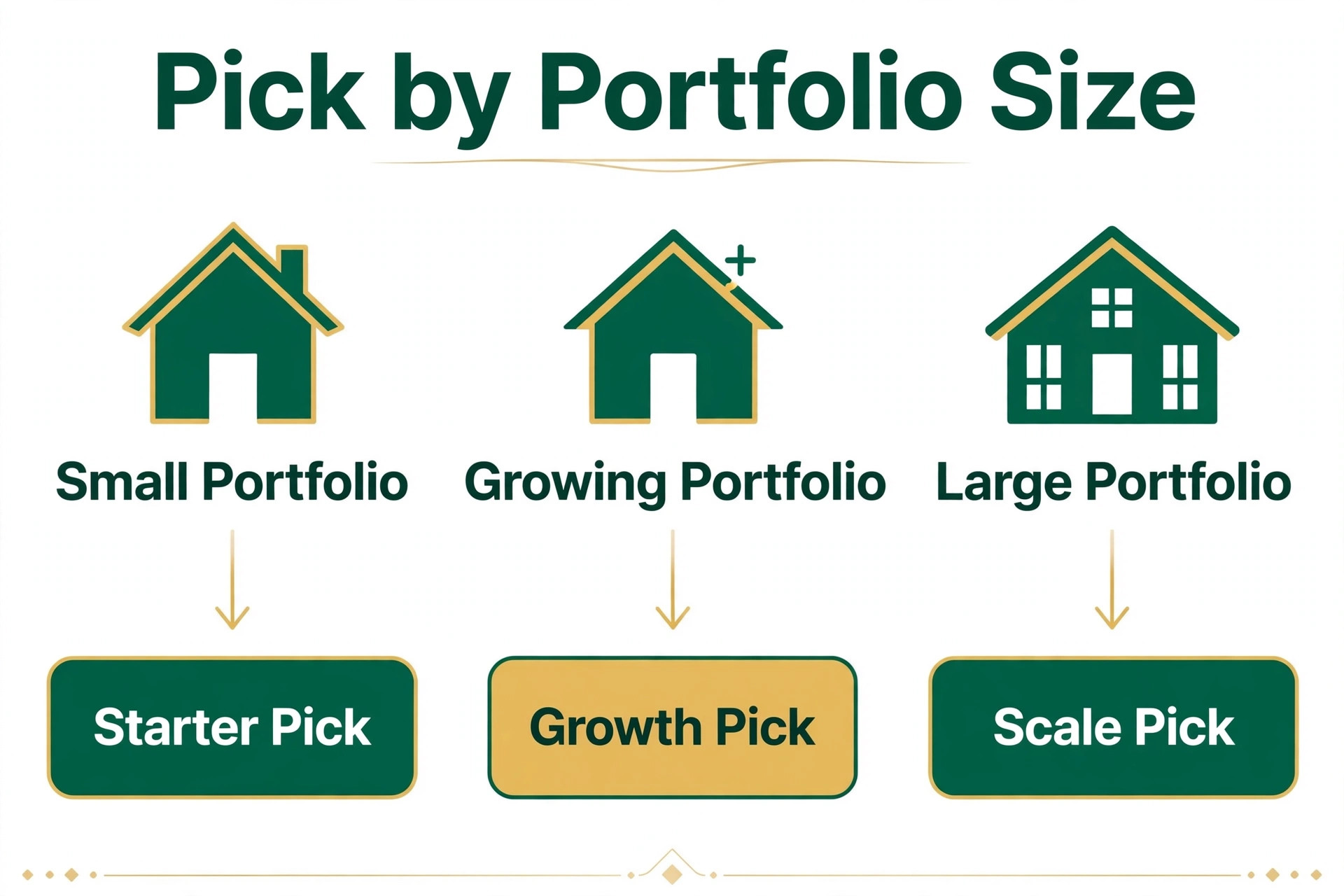
Picks By Portfolio Type
The best accounting software for real estate investors changes with portfolio shape, so use the job below as your starting point and then test the pick against your tax and management needs.
| Job | Best pick | Why it fits |
|---|---|---|
| Single property | Stessa | Free per property books and rent tracking cover a first rental well. |
| Small portfolio | REI Hub or Landlord Studio | Rental ledgers and Schedule E style reports suit a handful of doors. |
| Flips | QuickBooks Online | Project cost tracking and CPA ready books suit rehab and resale work. |
A flipper needs project books, a landlord needs property books, and a manager needs both operations and books. Picking from portfolio type first avoids the common error of buying a powerful general tool and then forcing it to act like a landlord tool.
Depreciation Checklist For Tax Season
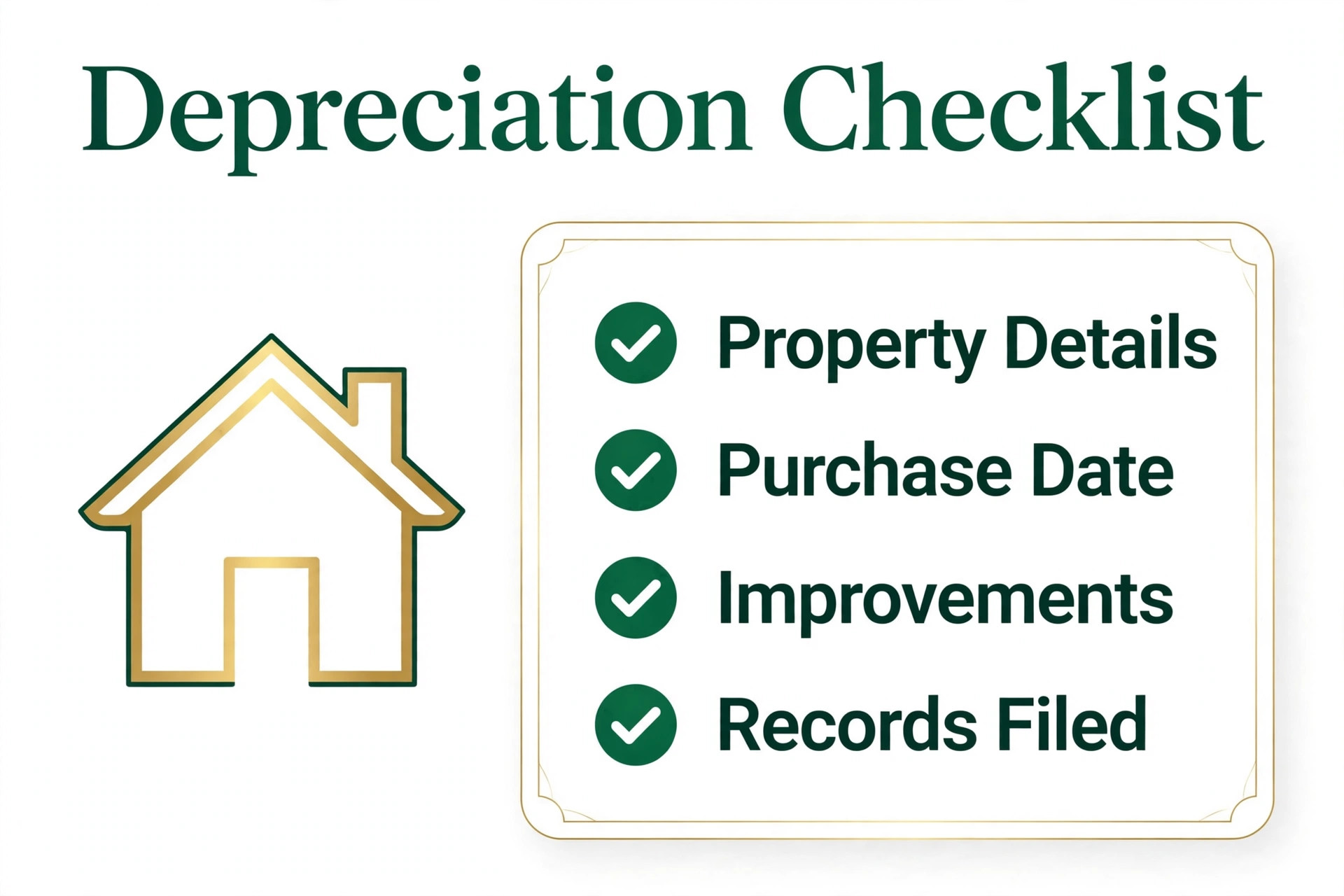
The best accounting software for real estate investors should make this depreciation checklist easy, because depreciation errors are costly to fix after a return is filed.
– Confirm that each property has a fixed asset record with purchase date, cost basis and placed in service date. – Check that land value is separated from building value before any depreciation schedule is created. – Verify that improvements are added as separate assets with their own dates, rather than lumped into the original purchase. – Test that a depreciation report can be exported by property and by year for your CPA without manual rebuilding. – Confirm that a sale or disposal removes the asset cleanly and shows remaining basis for gain calculations. – Check that bonus depreciation or special treatment, where it applies, is recorded with a clear note for your CPA.
Do not guess at depreciation inside a tool that hides asset records. If the asset schedule cannot be shown to your CPA in minutes, ask for a demo of that exact report before you commit to a full year of books.

What a Real Month Costs a Real Estate Investor
A free tool can still cost money through payment processing, paid report tiers and the time spent on workarounds. A $12 a month landlord tool that replaces a $38 general plan plus a separate rent tool may be cheaper overall, even though neither headline tells the full story. Always add processing fees, extra users and the paid tier you will actually need.
General tools rise in price when property reporting is added. QuickBooks Online at $38 a month is only the start for a multi property investor, because class tracking sits on a higher plan, and Xero pricing should be checked on the vendor page for the tier that matches your transaction volume. Budget for the tier, not the advert.
Management platforms look expensive until tenant work is counted. Buildium and DoorLoop bundle screening, portals, payments and books, so an investor who would otherwise pay for three separate tools may save money and time. Compare the bundle against your current stack, not against a free bookkeeping tool alone.
Mistakes That Cost Investors At Tax Time
The best accounting software for real estate investors cannot fix books that mix personal and rental money, and the mistakes below cause most year end clean ups.
Mixing personal and rental accounts. When personal spending flows through a rental bank feed, every report needs manual sorting and your CPA will charge for the clean up. Keep a separate account per property where possible, and set bank rules on day one.
Recording rent as a lump sum. A single monthly total hides late fees, partial payments and tenant arrears, so record rent by tenant and by property. That detail turns a rent dispute into a short report instead of a long argument.
Forgetting capital improvements. Repairs and improvements have different tax treatment, so tagging them correctly during the year matters far more than fixing them in April. When in doubt, tag the item and add a note for your CPA.
Switching tools mid year without opening balances. A mid year switch with no clean opening balances creates two half years that never reconcile. If you must switch, do it at year end or carry opening balances with CPA help.
How To Test Finalists With Real Books
Test finalists with one month of real transactions, not a demo dataset. Import bank feeds, record rent, log two repairs and run a per property profit and loss plus a tax style report. The tool that produces clean reports from messy real data is the tool that will survive tax season.
Invite your CPA or bookkeeper to review the trial reports before you buy. A tool that looks friendly to an owner but frustrates an accountant will cost more in professional fees than it saves in subscription. Ask the accountant to name the one report they need most, and make that report the trial test.
Check the exit path as well as the entry path. Export reports, transactions and asset schedules, and confirm that a move to another tool would not trap a year of history. A good tool earns renewal by being useful, not by holding your books hostage.
Rolling Out New Books Without Losing History
Start the new tool at a clean boundary where possible, such as a new tax year or a new quarter, because opening balances are far easier to set once than to fix twice. If a mid year switch is unavoidable, carry opening balances property by property and reconcile them against the old system before entering new transactions. A verified starting point is worth a week of delay. Migrate property by property, not all at once, and check each property report before moving to the next. For each property, confirm rent history, expense totals and loan balances against the old record, then mark that property as migrated. A property by property migration catches errors early, while a bulk migration hides them until tax season. Train everyone who touches the books, including a partner, a bookkeeper and a property manager, on the same categorisation rules. A tool is only as good as its inputs, and two people categorising repairs differently will break portfolio reports within months. A one page categorisation guide, kept beside the tool, prevents most of that drift. Agree a CPA review point after the first full month in the new tool, and send the CPA the per property reports, asset schedules and bank reconciliations for comment. Early CPA feedback is cheap, while a year of CPA clean up is expensive. If the CPA flags a reporting gap, fix the setup before a full year of transactions accumulates in the wrong structure. Set a quarterly portfolio review using the new reports, comparing rent, expenses, vacancy and cash flow by property. That review turns bookkeeping from a compliance chore into an investment tool, because underperforming properties become visible and decisions about rent, repairs or sale gain a factual basis. The best tool is the one whose reports actually get read each quarter.
Refinance preparation is easier when property reports are already clean, because a lender will ask for income, expenses, occupancy and loan history without giving much time to rebuild them. Keep a lender ready pack for each property, updated quarterly, with profit and loss, rent roll and loan statements in one place. That pack turns a refinance conversation from a scramble into a short meeting, and it also reveals which properties are ready to refinance and which need work first.
Vacancy cost should be tracked as a real expense, because an empty month costs rent, utilities and marketing while producing no income. Record vacancy days by property, add turnover costs such as cleaning and repairs, and compare vacancy cost against rent to see which properties leak money between tenants. A tool that shows vacancy clearly helps an investor decide whether to lower rent, improve marketing or renovate, rather than guessing why cash flow dipped.
Entity and ownership structure matters as books grow, because properties held personally, in a partnership or in a company need different reporting and tax handling. Keep entity tags consistent in the tool, separate accounts by entity where required, and confirm with a CPA that reports can be split by entity without manual work. A tool that cannot split by entity will create extra work just as a portfolio becomes complex enough to need that split.
A reserve fund per property prevents small repairs from becoming cash crises, and the tool should make reserves visible beside operating cash. Set a monthly reserve contribution for roofs, boilers, appliances and turnover costs, and track the reserve balance by property in the same report as profit. When a boiler fails, a funded reserve turns an emergency into a planned expense, while an unfunded property forces borrowing or a delayed repair that risks tenant goodwill.
More Reading on Stratilyze
– Best Accounting Software for Small Business – Best accounting software for landlords, a plain text guide on Stratilyze to read next. – Best property management software for small landlords, a plain text guide on Stratilyze to read next.
Frequently Asked Questions
Do I need property software if I own one rental
Not necessarily. A single rental with simple rent and few expenses can run on a general tool or even a careful spreadsheet, but a property tool like Stessa makes per property reporting automatic and prepares you for growth without a painful switch later.
Is free accounting software safe for tax reporting
Free tools can be safe when reports are complete and your CPA can review them, but free does not mean tax ready. Test the tax style report in a trial, and confirm that asset and depreciation records are handled clearly before relying on it at year end.
What is Schedule E reporting and why does it matter
Schedule E is the US form used to report rental income and expenses, and property tools aim their reports at that format. A clean per property Schedule E style report shortens CPA work and reduces the chance of a missed expense or a misclassified item.
Can QuickBooks Online handle rental properties well
Yes, with setup. Use classes or locations for per property tracking on a suitable plan, keep a disciplined chart of accounts, and confirm the plan gives the reporting you need. Without that setup, a property tool will feel simpler for rental only books.
How do I handle flips differently from rentals
Flips need project cost tracking, rehab budgets and resale profit by project, while rentals need monthly per property profit and tax schedules. QuickBooks Online suits flip project books, while rental tools suit ongoing landlord income, so match the tool to the strategy.
Should I pay for a management platform or just bookkeeping
Pay for management when tenant screening, portals, maintenance and rent collection are daily work. If books alone are the problem, a focused bookkeeping tool is cheaper and simpler, and management features can wait until unit count justifies them.
The Final Verdict for Real Estate Investors
The best accounting software for real estate investors for most small landlords is Stessa, because free per property books remove the excuse for spreadsheet chaos. REI Hub is the better pick when Schedule E style rental bookkeeping is the main need, while QuickBooks Online remains the best choice for flippers and investors who need CPA ready double entry books.
Start from portfolio type, test with a real month of transactions, and let your CPA review the trial reports. The tool that makes tax season boring is the tool that has earned its monthly cost, whatever that cost turns out to be.