

Why Proposal Quality Decides Agency Revenue
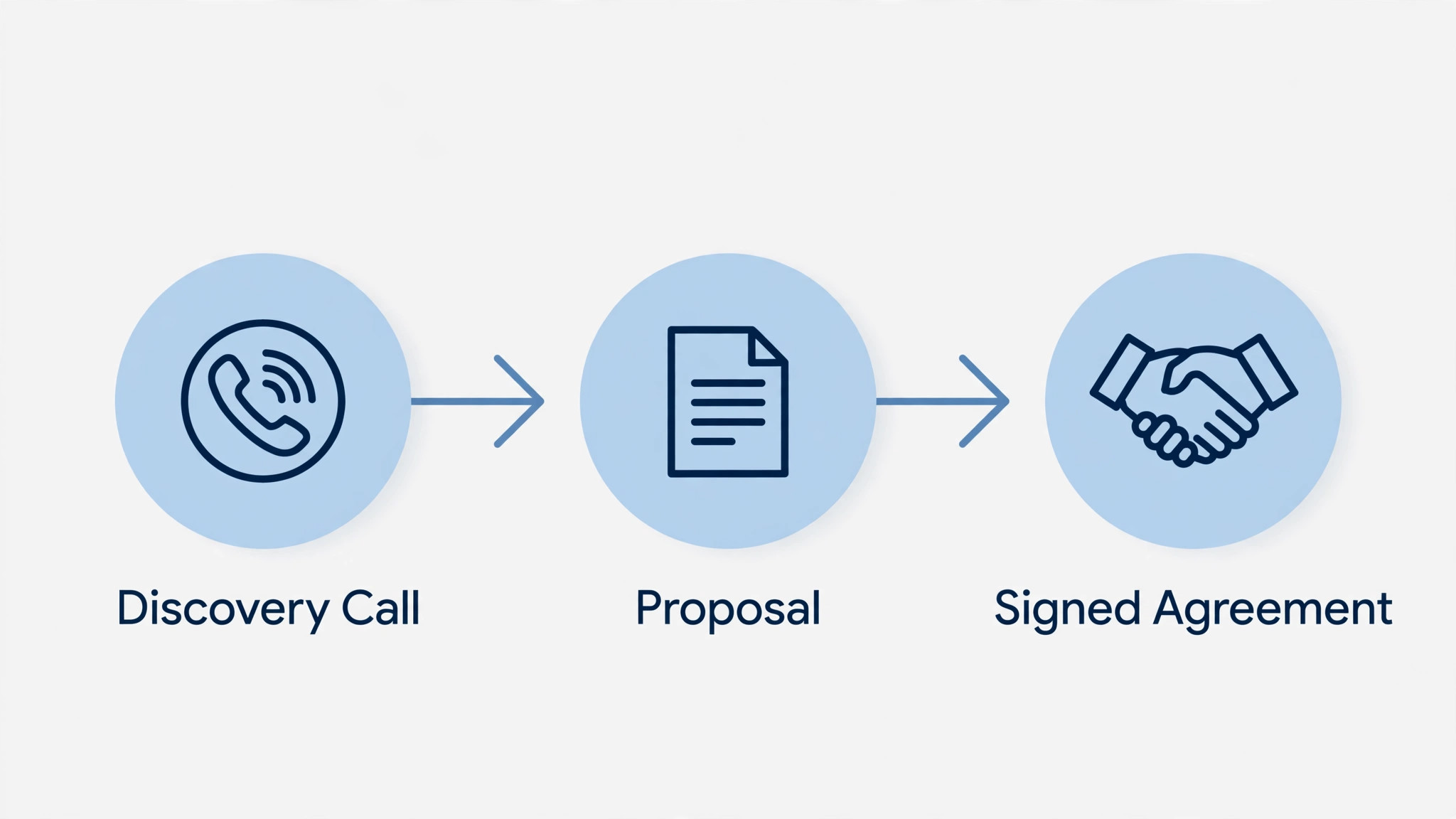
Agencies lose more deals to slow, confusing proposals than to price alone. A prospect who asked for a quote on Monday and still has no clear document on Friday has already started talking to a rival. In 2026, buyers expect a proposal that reads like a web page, answers the scope question in the first screen and lets them sign without printing anything. That is why choosing the best proposal software for marketing agencies matters more than a nicer template in a word processor. The best tools in this guide shorten the gap between a discovery call and a signed agreement, and they make the scope, the price and the next step impossible to miss.
This guide compares twelve real tools on the points that change agency outcomes. We look at template control, retainer handling, approval workflows, client tracking, payment collection and the true monthly cost for a small team. Prices below are list prices found on vendor pages and independent pricing checks in October 2026. They can change, and annual billing is noted wherever it changes the monthly figure. Use the trial to test one live proposal, not a demo file, because a demo hides the awkward parts of your own pricing table. Any shortlist for the best proposal software for marketing agencies should be judged on that live test.
How We Judged Each Proposal Tool
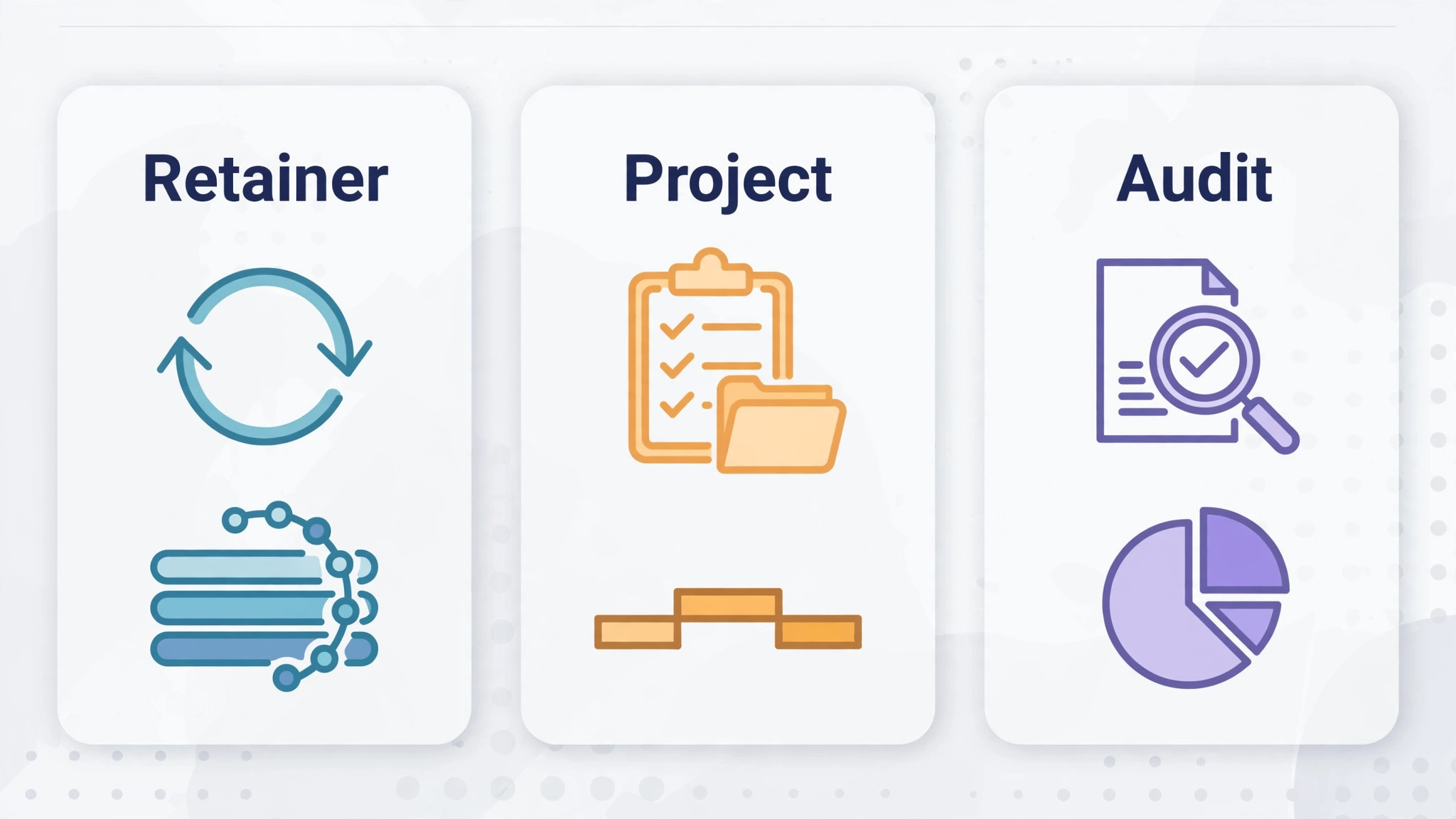
A good agency proposal does three jobs at once. It sells the idea, it defines the work and it protects the agency when scope grows. We scored each tool on how well it handles retainers, one-off projects and audit pitches, because those three jobs need different proposal shapes. A retainer proposal needs clear monthly deliverables and a pause clause. A one-off project proposal needs milestones, revision limits and a payment schedule. An audit pitch needs a short diagnostic offer with a clear path to a larger engagement.
We also checked who controls the content. In a growing agency, junior staff should not be able to change legal terms or discount a price without approval. Tools with locked sections and approval steps scored higher here. We checked tracking too, because knowing that a prospect opened the pricing page twice tells you more than knowing that the document was opened once. Finally, we checked the signed result. A clean PDF, a payment link that works on a phone and a copy stored in one place all reduce follow-up work after the yes.
Best Proposal Software for Marketing Agencies at a Glance
The table below gives the fastest shortlist. Read the full review for any tool that looks close, because a starting price often hides a higher plan for the feature you actually need, such as CRM sync or approval workflows.
| Tool | Starting price | Best for |
|---|---|---|
| Proposify | 35 dollars per user per month, billed annually, Build plan | Brand control and approvals |
| PandaDoc | 19 dollars per seat per month, billed annually, Starter plan | Proposals, contracts and signing in one place |
| Qwilr | 35 dollars per user per month, billed annually, Starter plan | Interactive web proposals |
| Better Proposals | 13 dollars per user per month, billed annually, Starter plan | Fast, polished proposals on a budget |
| Prospero | 12 dollars per user per month, billed annually | Low cost and unlimited proposals |
| Nusii | 29 dollars per month, flat Freelancer plan | Predictable flat pricing |
| HoneyBook | 29 dollars per month, billed annually, Starter plan | Client booking plus proposals |
| GetAccept | 25 dollars per user per month, eSign entry | Buyer collaboration |
| Storydoc | Pricing on request | Interactive decks that feel like a pitch |
| Bidsketch | Pricing on request | Simple proposals without extra bulk |
| Ignition | 149 dollars per month, Core plan for three users | Proposals tied to billing |
| Signaturely | 20 dollars per month, billed annually | Signing only |
Best Pick by Job for Marketing Agencies
| Job | Best pick | Why it fits |
|---|---|---|
| One-off projects | PandaDoc | Milestones, contracts, signing and payments sit in one flow |
| Monthly retainers | Proposify | Locked content and approvals keep retainer terms steady |
| Audit pitches | Qwilr | Interactive pages make a short audit offer easy to explore |
| Tight budget | Prospero | Low per-user price with unlimited proposals |
| Flat team cost | Nusii | Flat monthly price does not rise with each hire |
The 12 Tools Reviewed in Detail
1. Proposify
Best for agencies that need brand control across many writers. Starting price 35 dollars per user per month, billed annually, on the Build plan.
Proposify gives an agency a central content library, so approved service descriptions, case results and terms stay the same in every proposal. A senior manager can lock pricing blocks and legal text while writers still adjust the strategy section for each client. That control matters when five people write proposals and the client should never see two versions of the same offer. Engagement tracking shows which sections a prospect viewed and for how long, which helps a follow-up call focus on the real objection.
The trade-off is cost at scale. The Build plan covers the basics, but approval workflows and deeper features sit on higher tiers that are priced per seat or as larger bundles, so a ten-person team should get a written quote before budgeting. The editor is strong for structured proposals, yet very visual, free-form layouts take more setup than in a web-page style tool. Agencies that sell mostly on design flair may prefer Qwilr for the first impression.
– Strength. Content library with locked sections and role controls – Watch out. Higher tiers needed for full approval workflows – Try it this way. Put one real agency proposal through it before you pay for a full year, and check the mobile view, the payment step and the signed PDF.
2. PandaDoc
Best for agencies that want proposals, quotes, contracts and signing together. Starting price 19 dollars per seat per month, billed annually, on the Starter plan.
PandaDoc is the broadest document platform in this list. Templates, a content library on higher plans, document analytics, e-signatures and payments live in one flow, so a proposal can move from draft to signed contract without exporting files between tools. CRM connections on the Business plan help agencies that already track deals in a CRM, and the free eSign tier lets a tiny team test signing before paying. For agencies that send contracts as often as proposals, that breadth saves real admin time.
The Starter plan is limited. It includes only a small number of templates, and CRM sync, a fuller content library and approvals require the Business plan at 49 dollars per seat per month, billed annually. That jump changes the maths for a five-person team from 95 dollars to 245 dollars per month. PandaDoc proposals also feel more document-like than web-page-like, so agencies that win on interactive presentation may find Qwilr more persuasive.
– Strength. Broad document workflow with signing and payments – Watch out. Starter limits mean the useful plan costs much more – Try it this way. Put one real agency proposal through it before you pay for a full year, and check the mobile view, the payment step and the signed PDF.
3. Qwilr
Best for agencies where the proposal itself is part of the pitch. Starting price 35 dollars per user per month, billed annually, on the Starter plan.
Qwilr turns a proposal into a web page with video, interactive pricing tables and clean navigation. A prospect can adjust a package, see the price change and accept without downloading a file. That interactivity suits creative and digital agencies, because the proposal demonstrates the quality of work the client is buying. Templates are modern, analytics show engagement by section and CRM data can fill client details, which cuts copy errors on repeat proposals.
Qwilr costs more than the budget tools and has no free plan, only a 14-day trial. Agencies that send simple, text-heavy proposals may not use the interactive features enough to justify the price. The Enterprise tier at 59 dollars per user per month, billed annually, is where the deepest controls sit. Small teams should test whether clients actually use the interactive pricing table, because that feature is the main reason to pay the premium.
– Strength. Interactive web proposals with live pricing tables – Watch out. No free plan and a higher price than budget rivals – Try it this way. Put one real agency proposal through it before you pay for a full year, and check the mobile view, the payment step and the signed PDF.
4. Better Proposals
Best for small agencies that need polished proposals fast. Starting price 13 dollars per user per month, billed annually, on the Starter plan.
Better Proposals focuses on speed. More than 250 templates, a clean editor and built-in payment options let a small agency send a good-looking proposal in under an hour. The price is hard to beat for a solo owner or a two-person team, and the Premium tier still stays below many rivals for larger document volumes. Tracking shows opens and views, and the design quality is consistently high without a designer on staff.
The Starter plan limits sends and seats, so a growing team moves to higher tiers quickly. It does not match Proposify on approval control or PandaDoc on contract depth. Agencies with strict brand governance or complex multi-signer deals may outgrow it. It is best viewed as a fast, affordable proposal maker rather than a full sales governance system.
– Strength. Fast templates and low entry price – Watch out. Starter limits on sends and seats – Try it this way. Put one real agency proposal through it before you pay for a full year, and check the mobile view, the payment step and the signed PDF.
5. Prospero
Best for budget-conscious agencies that send many proposals. Starting price 12 dollars per user per month, billed annually.
Prospero keeps pricing simple with one plan and unlimited proposals. An AI writing helper speeds up first drafts, and the editor covers the sections agencies use most, including services, pricing tables and terms. For an agency sending twenty proposals a month, unlimited volume removes the worry about hitting a send cap. The low per-user price also keeps a five-person team near 60 dollars per month on annual billing.
CRM choice is narrow, with HubSpot named as the main CRM connection in recent comparisons, so agencies on another CRM should test the integration first. It lacks the deep approval and content-locking system of Proposify, and the design range is narrower than Qwilr. Prospero wins on value and volume, not on governance or visual drama.
– Strength. Unlimited proposals at a low per-user price – Watch out. Narrow CRM coverage and lighter approvals – Try it this way. Put one real agency proposal through it before you pay for a full year, and check the mobile view, the payment step and the signed PDF.
6. Nusii
Best for agencies that want flat pricing that does not grow with headcount. Starting price 29 dollars per month for the Freelancer plan, or 49 dollars per month for the Agency plan.
Nusii charges a flat monthly price instead of a per-user price, which changes budgeting for a growing agency. The Agency plan covers more active proposals and users without a per-seat jump each time a hire joins. Notifications, tracking and reusable sections cover the core proposal job well, and the interface stays simple enough for a new hire to learn in a day. For agencies that dislike per-seat maths, that predictability is a real selling point.
Flat pricing still has limits on active proposals, so an agency with many open proposals at once must check the plan cap. Nusii does not offer the same depth of CRM automation or approval workflow as Proposify, and its template range is smaller than Better Proposals. It suits agencies that value simple pricing and steady output over advanced sales governance.
– Strength. Flat pricing with predictable monthly cost – Watch out. Active proposal caps on lower plans – Try it this way. Put one real agency proposal through it before you pay for a full year, and check the mobile view, the payment step and the signed PDF.
7. HoneyBook
Best for small agencies that also book clients and collect payments. Starting price 29 dollars per month, billed annually, on the Starter plan, or 36 dollars month to month.
HoneyBook combines proposals with booking, contracts, invoices and a client portal. For a small agency that wins work through discovery calls, the flow from inquiry to proposal to payment feels connected, and clients get one portal for messages and files. That breadth can replace two or three separate tools for a solo owner or a tiny team. The Essentials plan adds scheduling and automations, which matter once inquiry volume grows.
HoneyBook is built for service businesses broadly, not only for marketing agencies, so its proposal controls are lighter than Proposify for brand governance. Automations start on Essentials, not Starter, and team size is limited on lower plans. Agencies that need locked content, multi-step approvals or deep CRM reporting should compare it carefully against the specialist tools above.
– Strength. Client portal plus proposals, contracts and invoices – Watch out. Proposal governance is lighter than specialist tools – Try it this way. Put one real agency proposal through it before you pay for a full year, and check the mobile view, the payment step and the signed PDF.
8. GetAccept
Best for agencies selling to buying groups with several decision makers. Starting price 25 dollars per user per month for eSign entry, with Professional from 245 dollars per month for five users.
GetAccept adds buyer collaboration to the proposal, including chat, video and shared spaces where several stakeholders can comment. That helps when the person who loves the pitch is not the person who signs the budget. Meeting summaries and AI help support follow-up, and the eSign entry point is affordable for a team that mainly needs signing plus a shared deal room. For complex B2B agency deals, that collaboration layer can shorten the approval cycle.
The jump from eSign entry to the full Professional tier is large, so the collaborative features that make GetAccept distinct cost far more than the headline price. Small agencies with a single decision maker will not use the deal-room features enough to justify it. Pricing should be confirmed in writing, because bundle sizes and user counts change the monthly total quickly.
– Strength. Deal rooms and buyer collaboration – Watch out. Full collaboration features cost much more than entry – Try it this way. Put one real agency proposal through it before you pay for a full year, and check the mobile view, the payment step and the signed PDF.
9. Storydoc
Best for agencies that pitch with decks rather than documents. Starting price Pricing on request, with a trial available.
Storydoc builds interactive, deck-style proposals that feel closer to a sales presentation than a contract. Scrollable sections, embedded media and analytics suit agencies pitching brand or content work where visual storytelling wins the meeting. It helps a small agency look larger, because the output looks designed even without a designer. For pitch-led selling, that presentation quality can be the deciding factor.
Pricing on request makes budgeting harder, and the tool is less suited to long, term-heavy retainer contracts than PandaDoc or Proposify. Agencies that need strict legal locking or complex pricing rules should test those sections first. Storydoc is a presentation-first choice, so teams that sell on detailed scope documents may prefer a document-first tool.
– Strength. Deck-style interactive pitches – Watch out. Pricing on request and lighter contract depth – Try it this way. Put one real agency proposal through it before you pay for a full year, and check the mobile view, the payment step and the signed PDF.
10. Bidsketch
Best for agencies that want simple proposals without extra bulk. Starting price Pricing on request, check the vendor page before budgeting.
Bidsketch keeps the proposal job simple. Clean templates, pricing options and client approval cover the core flow without a large learning curve. For an agency that sends straightforward project proposals and does not need a content library or deal room, that simplicity is a benefit, not a gap. Setup is fast, and the output looks professional without design work.
The lack of a clear public starting price in recent checks means budgeting requires a direct quote, which slows comparison. It also lacks the approval depth of Proposify and the interactive range of Qwilr. Bidsketch suits simple, repeat work best, and agencies with complex retainers should trial it against a governance-focused rival before committing.
– Strength. Simple, fast proposal creation – Watch out. Public pricing is unclear and features are lighter – Try it this way. Put one real agency proposal through it before you pay for a full year, and check the mobile view, the payment step and the signed PDF.
11. Ignition
Best for agencies that want proposals tied directly to billing. Starting price 149 dollars per month for the Core plan, covering three users.
Ignition links proposals to engagement terms and billing, which helps agencies that sell ongoing services. A client accepts the proposal and the billing terms are already set, which reduces chasing payments after work starts. That connection is valuable for retainer and advisory-style agencies, where the proposal is also the commercial agreement. Client capacity and proposal volume controls help a growing practice manage intake.
The Core price is high for a solo agency, and the Pro tier for up to fifteen users costs considerably more, so small teams should compare it with PandaDoc plus a separate billing tool. Ignition is built for professional services broadly, so marketing-specific templates and pitch visuals are thinner than in Qwilr or Better Proposals. It wins where billing discipline matters more than pitch design.
– Strength. Proposals linked to billing and engagement terms – Watch out. High entry price for small teams – Try it this way. Put one real agency proposal through it before you pay for a full year, and check the mobile view, the payment step and the signed PDF.
12. Signaturely
Best for agencies that write proposals elsewhere and only need signing. Starting price 20 dollars per month, billed annually.
Signaturely is not a full proposal builder, and that honesty matters. It signs documents well, with a free tier for a single document per month and a low paid price. An agency that already writes proposals in another tool, or in a design app, can add signing without paying for a second builder. The signing flow is simple for clients, and the audit trail covers the basic compliance need.
It has no proposal builder, no pricing tables and no content library, so it cannot replace the tools above on its own. Agencies that buy it expecting templates will be disappointed. Use Signaturely only as a signing add-on, paired with a real proposal tool, or for the rare case where the proposal is already finished elsewhere.
– Strength. Low-cost signing with a free tier – Watch out. No proposal builder at all – Try it this way. Put one real agency proposal through it before you pay for a full year, and check the mobile view, the payment step and the signed PDF.
Scope and Pricing Checklist Before You Send
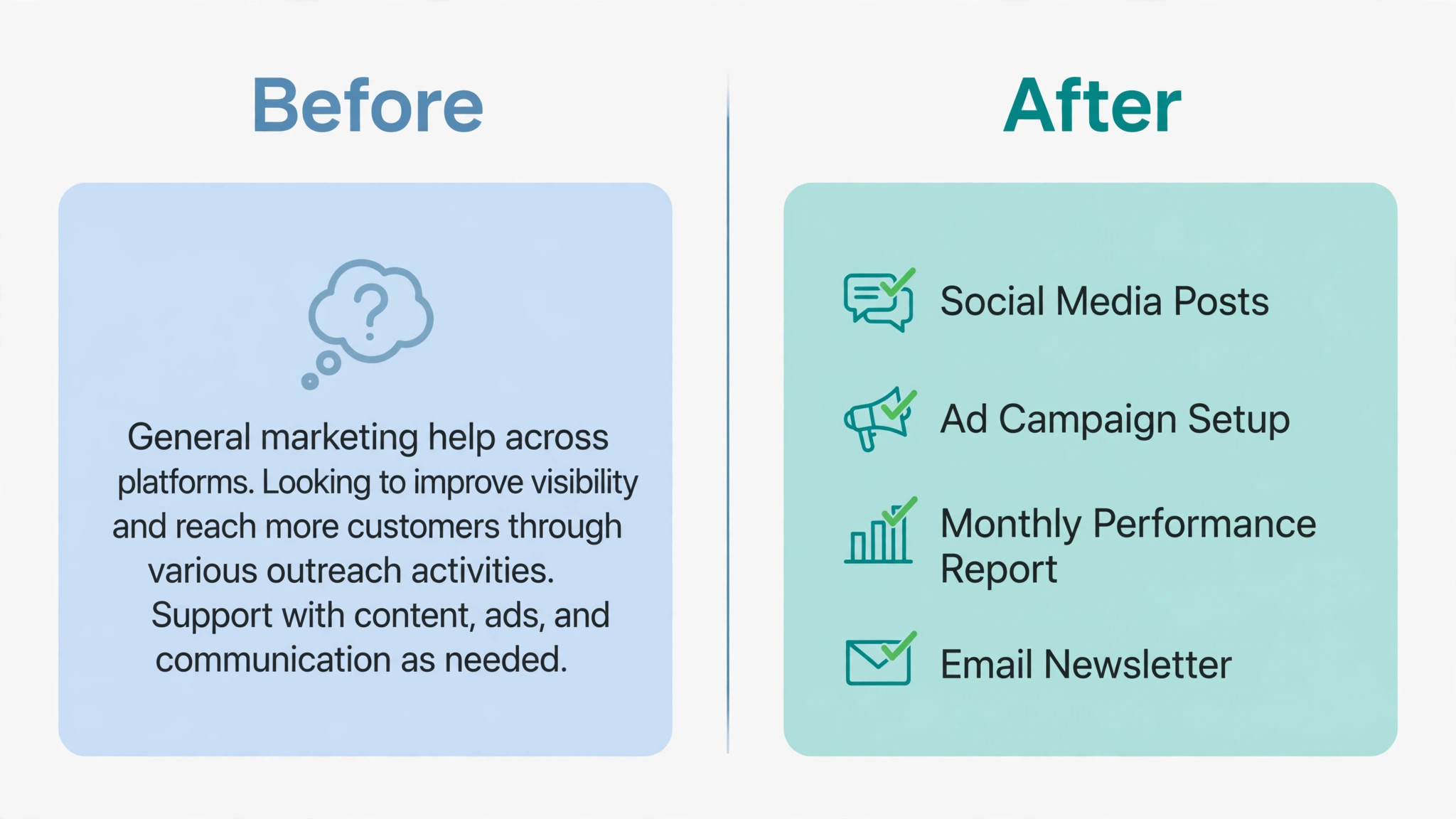
Use this checklist on every proposal, because most agency disputes start with a vague scope line, not a bad price. First, name the deliverables in plain words and state what is not included. Second, set the revision limit and the fee for extra rounds. Third, state the timeline, the client inputs needed and what happens if inputs arrive late. Fourth, show the price as a package, a monthly retainer or a milestone plan, and state the payment dates. Fifth, add a pause, exit and ownership clause in plain language.
A proposal that passes this checklist protects both sides and makes the yes easier, because the client can see exactly what they are buying. That checklist is also a fair test for the best proposal software for marketing agencies.
Check the best proposal software for marketing agencies angle again at this point. A tool that makes this checklist easy to reuse, with locked terms and a clear pricing table, will save more money than a cheaper tool that lets every writer rewrite terms from scratch. Save the checklist as a locked section in your chosen tool, so it appears in every proposal without manual copying. Review it quarterly, because service offers change faster than proposal templates, and an old scope line can quietly promise work you no longer sell.
Mistakes That Cost Agencies Deals
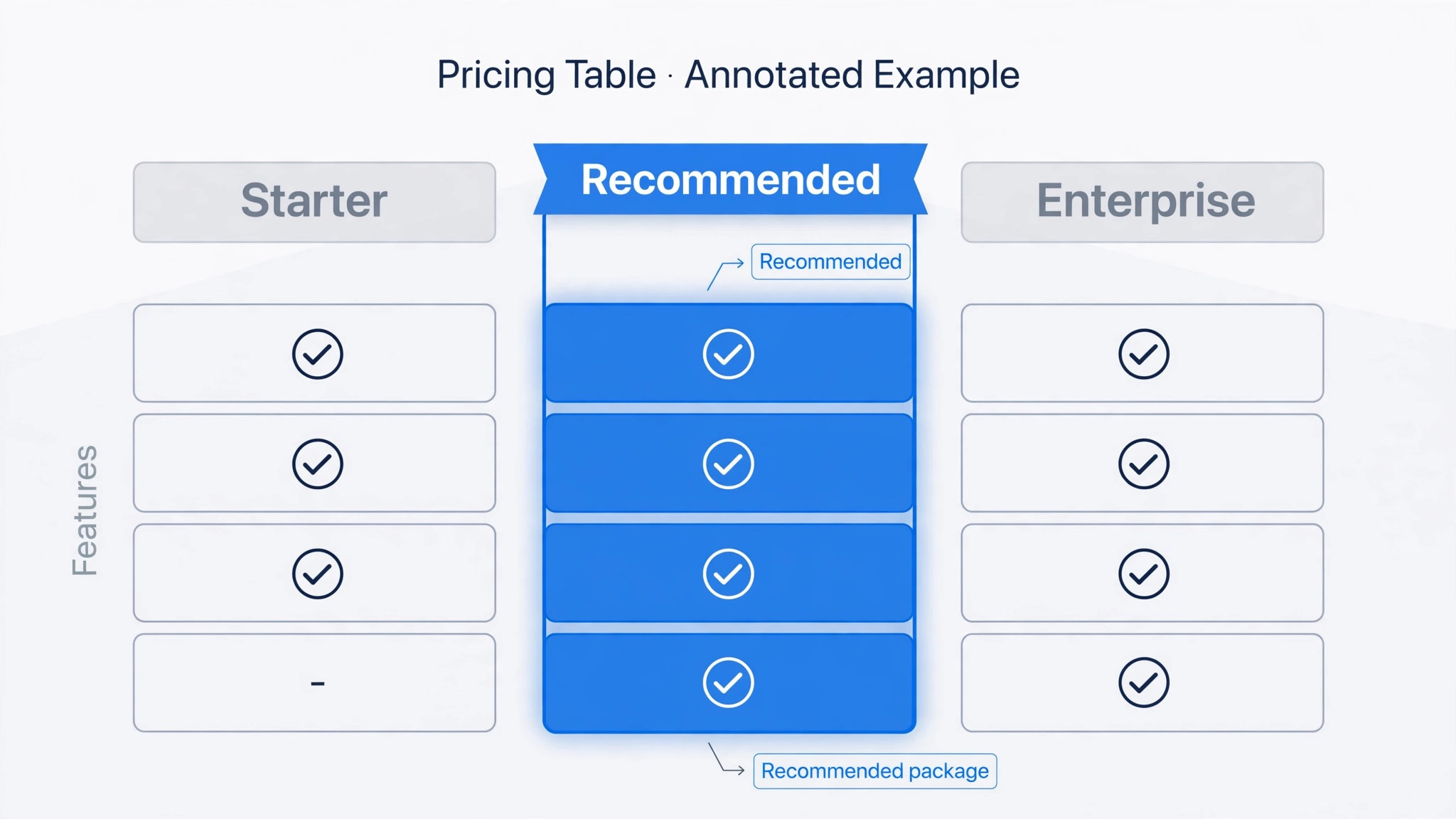
The most common mistake is sending a proposal that reads like a capability brochure. Prospects do not need ten pages about the agency before they see the price and the plan. Lead with the outcome, the scope and the first milestone, then support it with proof. The second mistake is hiding the price on the last page with no context. A pricing table with named packages, clear differences and a recommended option helps a prospect decide without a second call. The third mistake is slow follow-up. If tracking shows the pricing page was viewed, call within one working day with a specific question about that section.
Another costly mistake is discounting in the proposal without approval. A junior writer who cuts the price by twenty percent to win the deal can destroy margin for a year on a retainer. Locked pricing blocks and approval steps prevent that error. Finally, never send a proposal as a static file with no tracking and no payment link. A prospect who must print, sign, scan and email a document has three chances to delay. A link with signing and payment in one flow removes that friction.
How to Choose in One Week
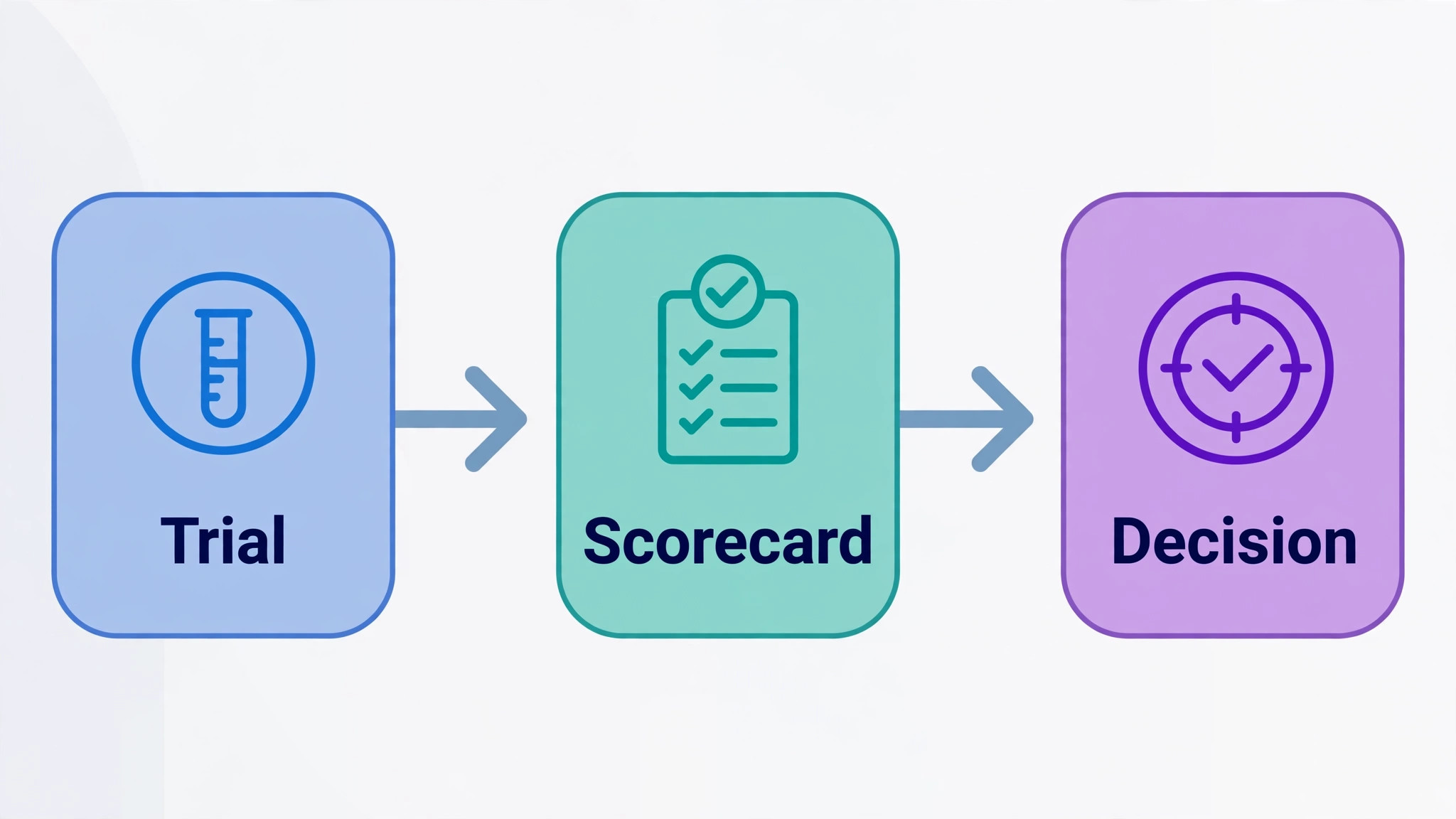
Run a one-week test with a clear scorecard. Day one, build your three most common proposals, one retainer, one project and one audit, in each shortlisted tool. Day two, send a test proposal to a colleague and check the mobile view, the pricing interaction and the signed PDF. Day three, test approvals by asking a colleague to change a price and seeing whether the system blocks or flags it. Day four, check CRM sync and payment collection with a small test payment. Day five, total the true monthly cost for your actual team size on the plan that includes the features you used, not the headline plan.
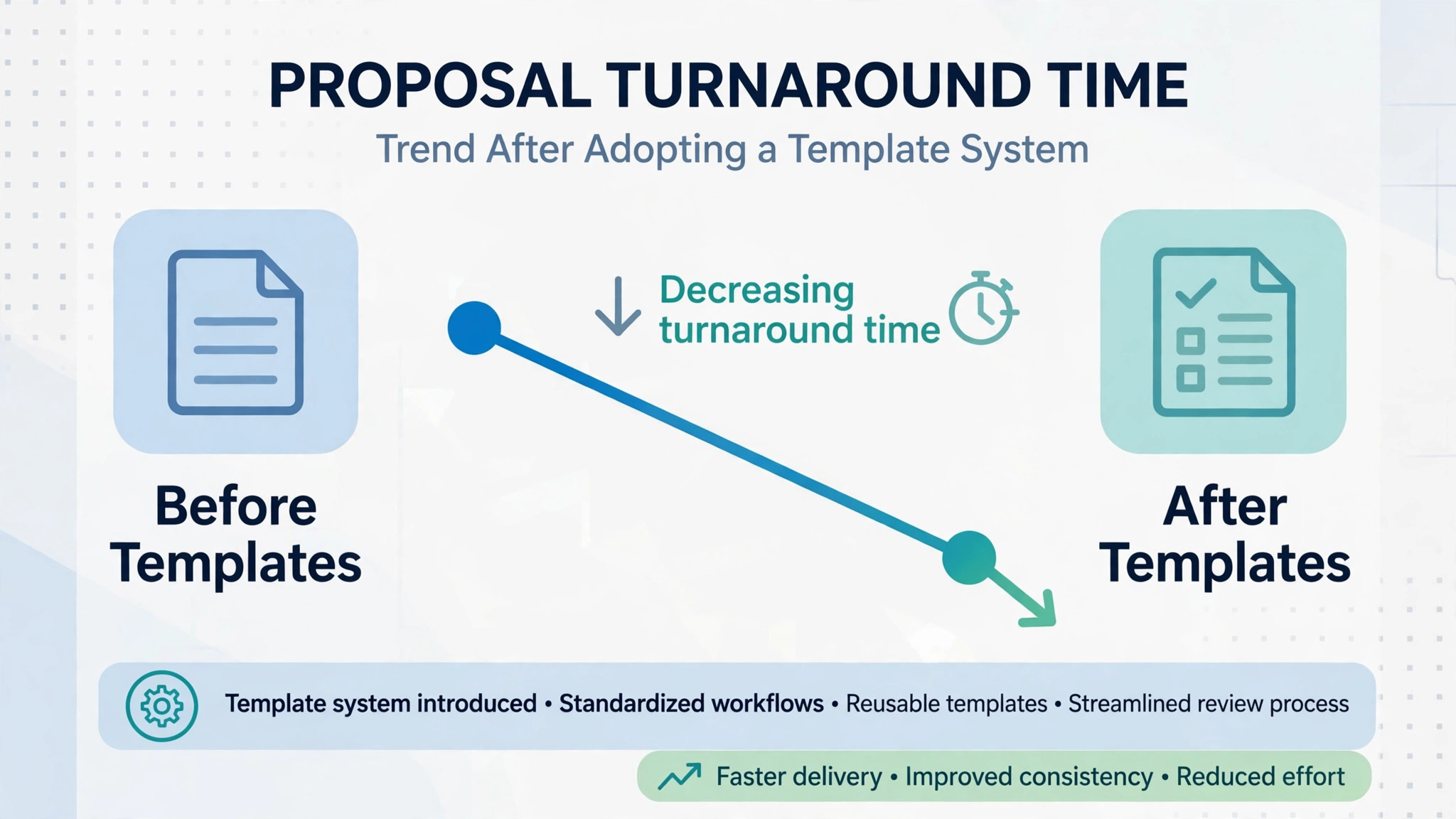
Score each tool on speed, control, client experience and cost, and weight control higher if you have more than three writers. If two tools tie, choose the one your team actually enjoyed using during the test, because adoption decides value more than a feature list. A powerful tool that writers avoid will lose to a simpler tool they use every day. Set a review date ninety days after launch to check close rates, proposal turnaround time and discount frequency, and switch if the numbers do not improve.
Verdict on the Best Proposal Software for Marketing Agencies
For most marketing agencies, Proposify is the strongest overall choice, because brand control and approvals protect margin as the team grows. PandaDoc is the best all-round document platform for agencies that also need contracts and payments in one place. Qwilr is the best choice when the proposal must sell visually and interactive pricing will impress the prospect. Prospero and Better Proposals are the best budget routes, with Prospero winning on unlimited volume and Better Proposals winning on template speed. Nusii suits teams that want flat pricing certainty.
Start with Proposify if governance matters, PandaDoc if you need one document system, Qwilr if pitch quality matters most, and Prospero if budget is tight. Trial two tools for the best proposal software for marketing agencies with the same real proposal and compare close time, client questions and internal edits. The tool that cuts turnaround from days to hours, without losing control of price and terms, is the right buy for your agency.
Frequently Asked Questions
What is the best proposal software for marketing agencies on a budget?
Prospero and Better Proposals lead on price. Prospero costs 12 dollars per user per month, billed annually, with unlimited proposals, while Better Proposals starts at 13 dollars per user per month, billed annually. Choose Prospero for volume and Better Proposals for template speed. Both cover the core proposal job, but neither matches Proposify on approval control.
Does proposal software help with monthly retainers?
Yes, when it locks retainer terms and deliverables. The best proposal software for marketing agencies shortlist favours tools with reusable sections, so a retainer scope stays consistent month after month. Proposify and Ignition are strongest here, because approvals and billing terms sit close to the proposal itself. Always state revision limits and pause terms in the retainer section.
Is an interactive proposal worth the extra cost?
It is worth it when the prospect buys on visual quality or needs to compare packages. Qwilr and Storydoc make package choice easy, and tracking shows which package drew attention. For simple, repeat proposals, a document-style tool is cheaper and faster. Test one interactive proposal with a real prospect before paying a premium for a year.
How many proposals should a trial include?
Test at least three, one retainer, one project and one audit pitch. That mix exposes template limits, pricing table problems and approval gaps that a single demo proposal hides. Check the mobile view and the signed PDF for each one, because clients often sign on a phone.
Can one tool handle proposals, contracts and payments?
PandaDoc and HoneyBook come closest. PandaDoc covers proposals, quotes, contracts, signing and payments in one flow, while HoneyBook adds booking and a client portal. Specialist tools may still win on proposal design or approvals, so weigh breadth against depth for your agency size.