
Two merchants can lose the same amount to a chargeback and walk away with very different lessons. One treats the loss as bad luck, files nothing different next time, and loses again. The other treats the loss as a diagnosis, finds the evidence gap that decided the case, and changes the checkout, the delivery record, or the billing description so the next dispute is winnable. That difference is the whole point of the work to fix Stripe chargeback lost small business problems, because a lost dispute is rarely a mystery. It is usually a record that did not answer the reason the customer gave.
This guide starts from an uncomfortable truth. Stripe does not decide your dispute. The cardholder bank decides the first stage, and the card network decides later stages if the case goes that far. Stripe passes your evidence on and manages the process, but it does not judge it. That means the quality, relevance, and completeness of your evidence is the main thing you control, along with prevention work that stops the next dispute from being filed at all. Work through the diagnosis in order, and you will find whether you lost on evidence, on timing, on the wrong reason code, or on a preventable cause.
How to Fix Stripe Chargeback Lost Small Business
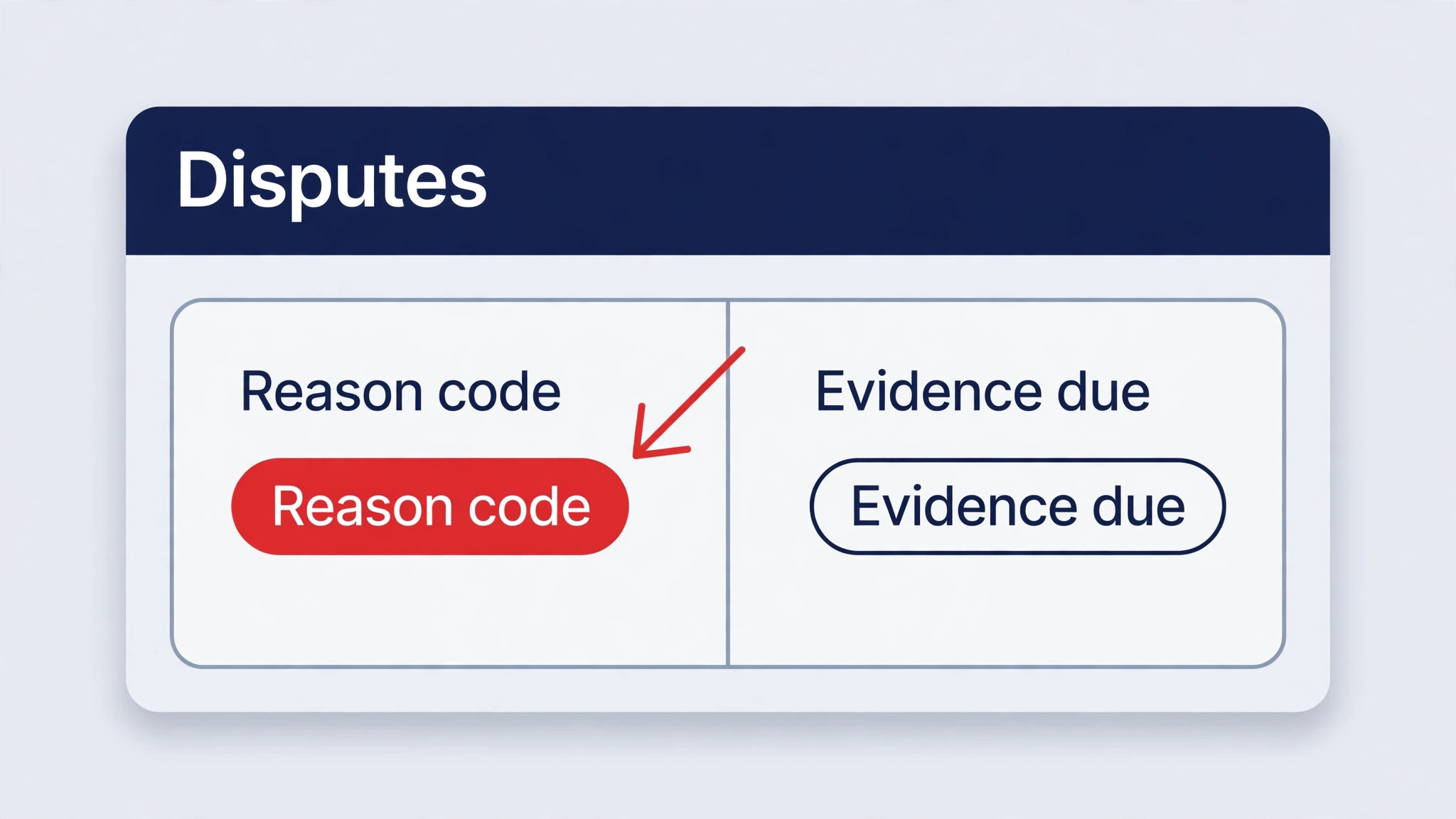
Start by opening the lost dispute in the Stripe dashboard and reading it as a judge would. Note the reason code, the disputed amount, the date of the original payment, the date the dispute was filed, and the date you responded. Then read the evidence you submitted, item by item, and ask whether each item answers the reason code directly. A delivery confirmation answers a claim that goods were not received. It does not answer a claim that the product was not as described. A receipt answers a claim about an unrecognised charge. It does not answer a claim about a cancelled subscription.
Also note what the dispute cost beyond the amount itself. Stripe charges a fee for each chargeback, and published guidance puts that fee at fifteen dollars, with the fee returned if you win a representment in some accounts and retained in others depending on the account terms. The lost amount also counts toward your dispute rate, whether you win or lose future cases, because every filed dispute is counted. That rate matters, because card networks watch it and Stripe may act when it rises too high. A single loss is therefore worth diagnosing properly, even when the amount itself is small.
Step Diagnosis in Order for a Lost Chargeback
Work through these steps in order to fix Stripe chargeback lost small business trouble, from the reason code outward to prevention. The first steps explain why this case was lost. The later steps stop the same loss from repeating. Do not start with prevention until you know which evidence gap decided the case, because prevention aimed at the wrong cause will not help the next dispute either.
Step 1. Read the Reason Code and Match Evidence to It
Every dispute carries a reason code that states what the cardholder claimed, such as a charge not recognised, goods not received, goods not as described, a cancelled subscription, or a fraudulent transaction. Open the dispute details and read that code before you read anything else, because the code defines what evidence could have won. A strong evidence pack for the wrong reason is still a weak submission, and many lost disputes are lost on relevance rather than on effort.

List the evidence you submitted against the reason code, and mark each item as directly answering the claim, partly relevant, or irrelevant. A tracking record with a delivery timestamp directly answers a not received claim. A copy of the listing, the customer messages, and the refund policy directly answer a not as described claim. A cancellation record and a usage log directly answer a cancelled subscription claim. If most of your items fall in the partly relevant or irrelevant groups, the diagnosis is clear. The next submission must be built around the code, not around a general proof that the business is legitimate.
Step 2. Check Whether You Missed the Response Deadline
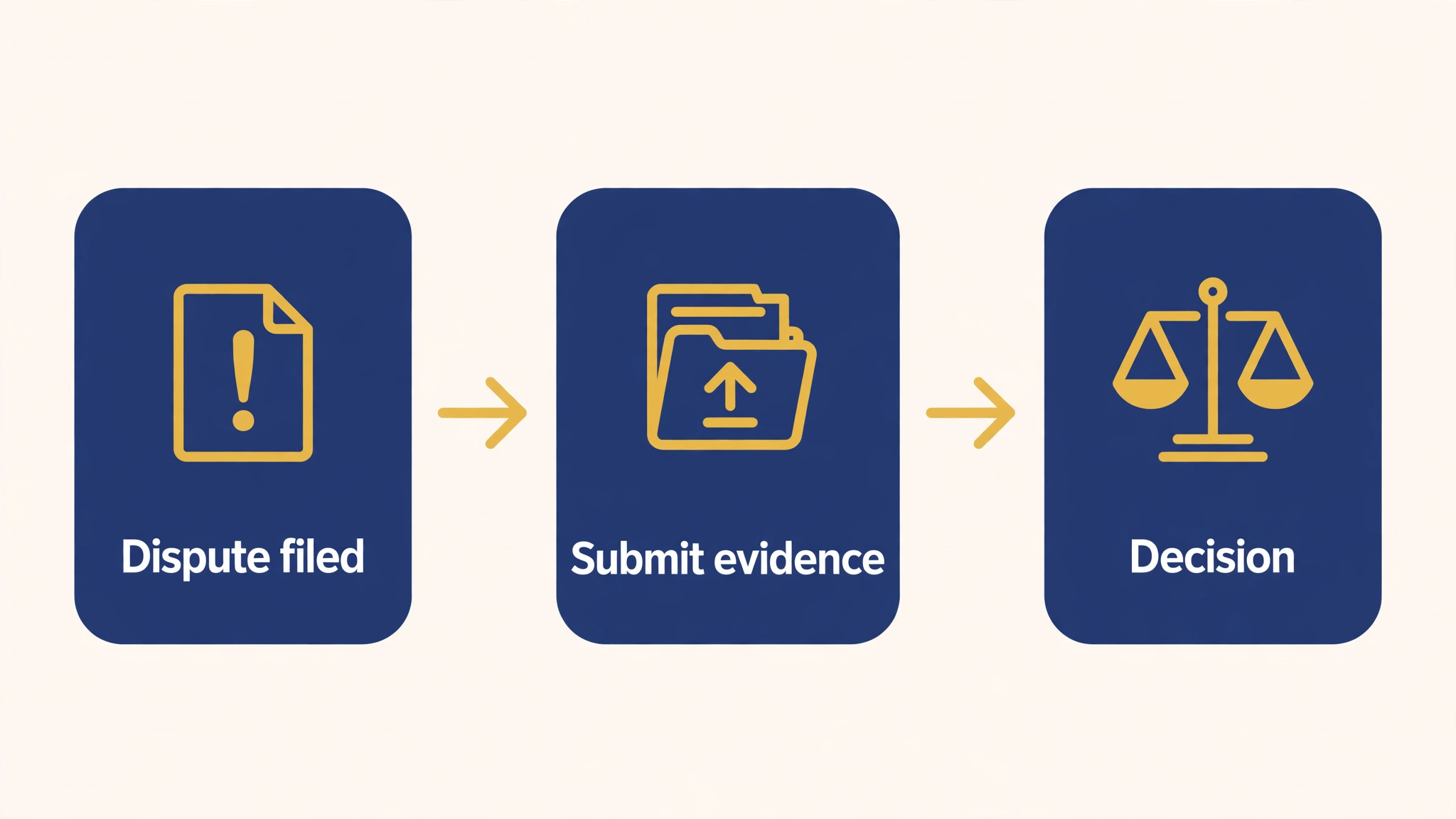
Stripe gives merchants a window to respond to a dispute, commonly described as seven to twenty one days depending on the network and the case, while the issuer then takes weeks to review the evidence. A response filed after the deadline, or a response that was started but never submitted, loses by default, no matter how strong the evidence was. Open the dispute timeline in the dashboard and check the dates. If the response date is after the deadline, or if no submission is recorded, timing is the diagnosis, and no evidence change alone will fix the next case.
Fix timing with a process, not with good intentions. Assign one person to check the Stripe dashboard for new disputes every working day, set a calendar reminder for each dispute on the day it arrives, and aim to submit evidence within the first few days rather than near the deadline. A dispute that arrives on a Friday should not wait until the following Friday, because a short deadline can expire during a holiday or a busy week. Early submission also leaves time to gather a missing delivery record or a customer message before the window closes.
Step 3. Check Delivery, Usage, and Communication Records
For physical goods, the decisive evidence is usually a delivery record that links the tracking number, the delivery address, the delivery date, and the cardholder name. Check whether your lost case included all four, or whether it included only a shipping label or a dispatch note. A label proves you sent something. A delivery confirmation proves the customer received it. That difference decides many not received disputes, and it is the first gap to close in your fulfilment process.
For digital goods and services, the decisive evidence is usually a usage record. Check whether your case included login records, download records, account activity, or service delivery messages tied to the same customer and the same date range. A receipt alone rarely wins a digital dispute, because the cardholder claim is often that the service was never used or never delivered. Usage logs, IP records where appropriate, and customer messages that show the service was accessed all answer that claim directly. If your system does not keep those records, building that logging is the fix, and it must happen before the next dispute, not during it.
Step 4. Check Billing Descriptor, Receipts, and Customer Recognition
Many disputes begin as unrecognised charges. A customer sees a name on a bank statement that does not match the business they bought from, assumes the charge is fraudulent, and disputes it. Check the billing descriptor shown for your Stripe payments, and compare it with the name customers know from your website, your emails, and your packaging. A descriptor that uses a legal company name, a payment processor name, or an abbreviation that customers do not recognise will generate disputes that no evidence pack can fully prevent.
Fix the descriptor so it matches the trading name customers recognise, within the character limits Stripe and the networks allow, and make sure every receipt and confirmation email uses the same name. A clear receipt sent at the time of purchase, showing what was bought, the amount, and how to contact support, also prevents disputes, because a customer who can find the receipt can ask you for a refund instead of asking their bank for a chargeback. That refund, offered early, is often cheaper than a lost dispute plus a fee plus a rate increase.
Step 5. Check Fraud Signals, AVS, and CVV Results
For fraud reason disputes, the evidence that matters is the set of checks recorded at transaction time, including address verification results, card security code results, device and IP information where available, and any prior undisputed transactions on the same payment method. Check what your lost case recorded for those fields. A transaction with a failed address check, a missing security code check, or a shipping address that differs sharply from the billing address without explanation is harder to defend, and the diagnosis may be that the order should not have been accepted without extra verification.
Visa compelling evidence rules add a specific test for some fraud disputes, centred on prior undisputed transactions on the same credential and matching identifiers such as device, IP, shipping address, or account details. Check whether your case could have met that test with records you already held, or whether those records were never captured. If the records exist but were not submitted, the fix is a better evidence checklist. If the records were never captured, the fix is a checkout and order system change that captures them from now on, so future fraud disputes start from a stronger record.
Step 6. Check Subscription Cancellation and Refund Policy Evidence
Subscription disputes turn on a different record from one time purchases. The cardholder often claims the subscription was cancelled, or that a renewal was not expected, and the winning evidence is a clear cancellation record, a renewal notice, a terms acceptance record, and a usage log after the renewal date. Check whether your lost case included those items, and whether the cancellation process itself is easy to find. A subscription that can only be cancelled by emailing support, or that hides cancellation behind several steps, will generate disputes even when the terms were technically clear.
Fix the subscription flow so cancellation is visible in the account, renewal notices are sent before each renewal where the business model allows, and the terms are shown at signup in plain language rather than buried in a long document. Keep a record of each cancellation request and its outcome, and keep a record of each renewal notice sent. When a customer does cancel, confirm it in writing immediately, because a written confirmation prevents the most common subscription dispute, which is a customer who believes they cancelled and sees another charge.
Step 7. Decide Whether Pre-Arbitration or Arbitration Is Worth It
Losing the first stage does not always end the case. Some disputes can be taken further through pre-arbitration or arbitration, where the card network itself decides, depending on the network and the case type. Check the dispute status in Stripe and the guidance for the network involved, and decide whether further action is available and sensible. Pre-arbitration is a chance to present new evidence or to challenge the first decision, but it is not a free second attempt with the same pack. It needs a reason to believe the first decision missed something material.
Weigh the amount, the fee risk, the strength of any new evidence, and the time involved before escalating. A small amount with no new evidence is usually better accepted and learned from, while a larger amount with a delivery record that was missed in the first submission may justify escalation. Record the decision and the reasoning, because a pattern of escalating weak cases can cost more in fees and time than it recovers. When in doubt, seek advice from a payments adviser or from Stripe support about the options for that specific dispute type before committing to arbitration.
Step 8. Fix Prevention for the Cause That Decided the Case
Prevention only works when it targets the diagnosed cause. A not received loss calls for tracked delivery, delivery confirmation, and proactive tracking messages to the customer. A not as described loss calls for clearer listings, accurate photos, and a visible refund policy. An unrecognised charge loss calls for a recognisable descriptor and clear receipts. A fraud loss calls for stronger checkout checks and fraud screening. A subscription loss calls for visible cancellation and renewal notices. Each cause has its own prevention, and a generic prevention plan will miss most of them.
Build prevention into the order flow rather than adding it as a separate chore. Tracked shipping, automated delivery emails, clear descriptors, and saved usage logs should happen for every order without manual effort, so they are present when a dispute arrives months later. Review the prevention for the diagnosed cause after the next ten orders, and check that the records are actually being created. A prevention plan that exists on paper but not in the order system will not help the next dispute, and the next diagnosis will find the same gap again.
Dispute Evidence Checklist for Stripe
Use this checklist for every dispute to fix Stripe chargeback lost small business trouble, and build the evidence pack in this order. It is designed to be copied into a staff document, and each item should be checked against the reason code before submission.
Confirm the reason code, the disputed amount, the payment date, and the response deadline, and record all four at the top of the case file.
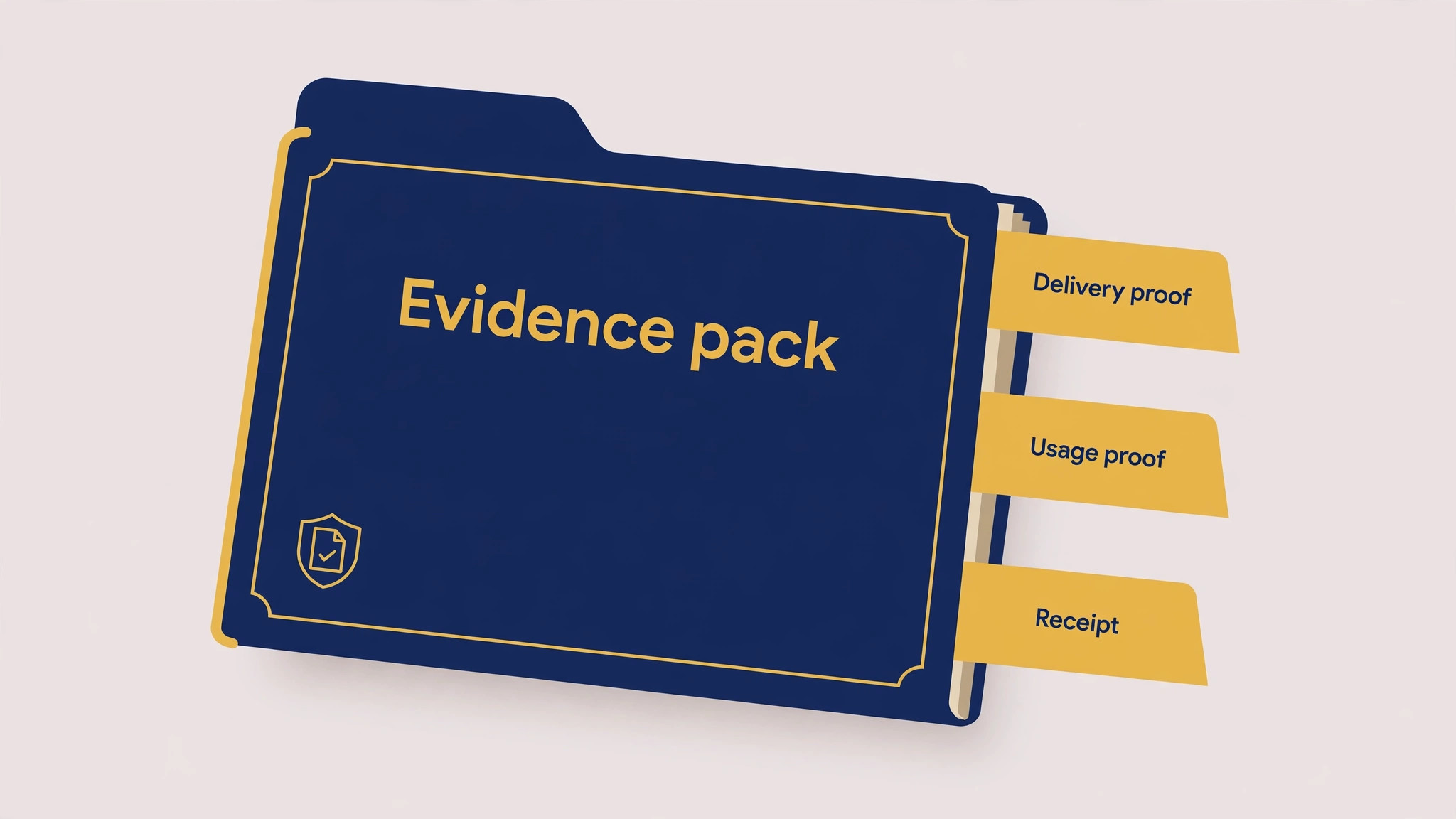
Confirm the customer order record, including the itemised invoice, the payment confirmation, and the billing and shipping addresses.

Confirm delivery evidence for physical goods, including the tracking number, the delivery date, and the delivery address that matches the order.
Confirm usage evidence for digital goods and services, including login, download, or service activity tied to the customer and the date range.
Confirm customer communications, including order confirmations, delivery messages, support messages, and any refund or cancellation correspondence.
Confirm the listing or service description as the customer saw it at purchase, including price, terms, and any renewal terms for subscriptions.
Confirm the refund policy as shown at purchase, and any record of a refund offered, accepted, or refused before the dispute.
Confirm fraud check results recorded at transaction time, including address verification, card security code results, and device or IP information where available.
Confirm prior undisputed transactions on the same payment method and matching identifiers, where the dispute type allows that evidence.
Confirm the billing descriptor and receipt match the trading name customers recognise, and that the receipt was sent at purchase.
Confirm the evidence is submitted well before the deadline, and that submission is confirmed in the dashboard rather than assumed.
Confirm the case file is kept after the decision, win or lose, so the next dispute can be compared against it.
When to Refund Instead of Fighting a Dispute
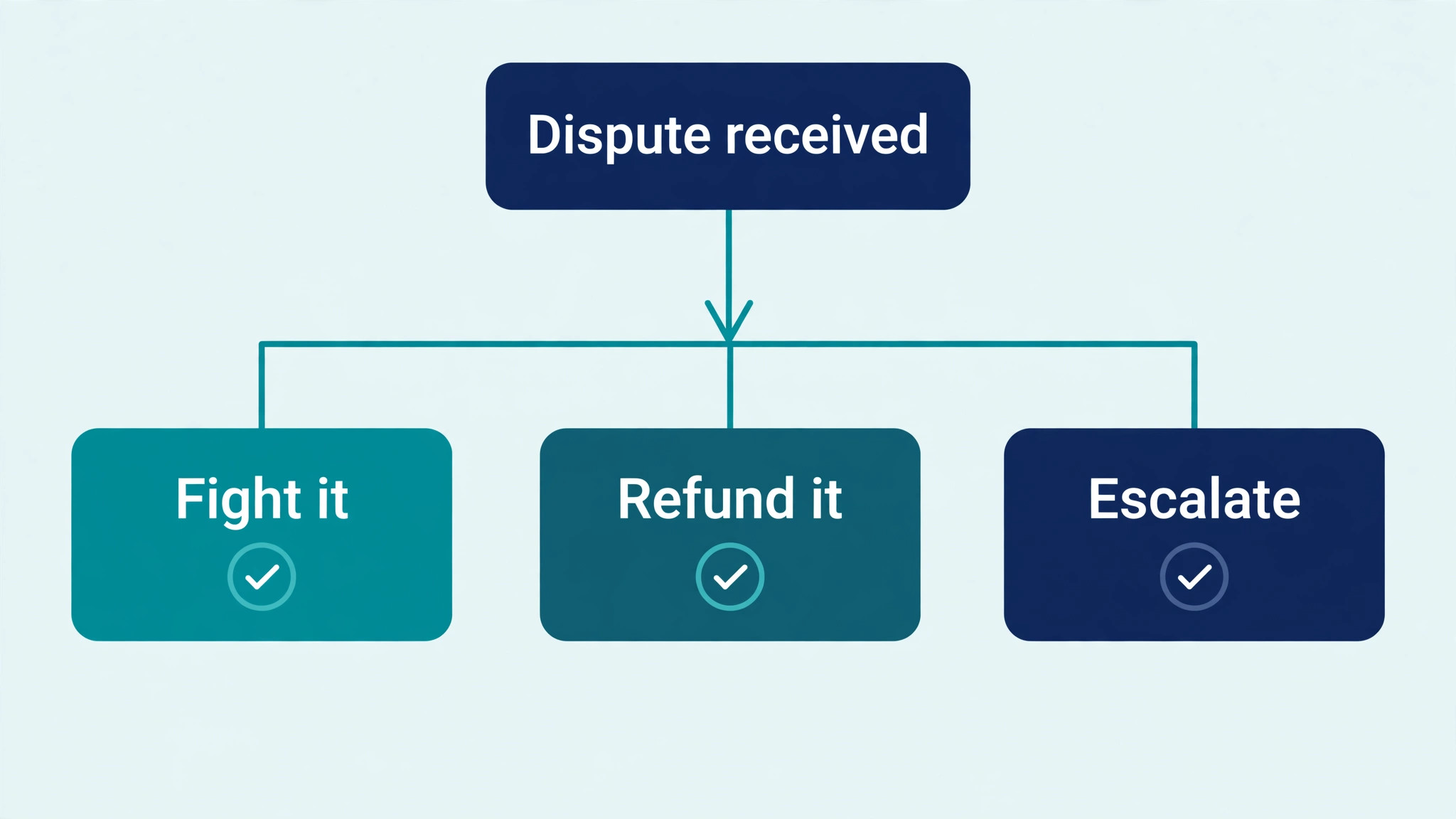
Fighting every dispute is not a strategy when you fix Stripe chargeback lost small business problems. It is a habit that can cost more than it saves, especially for small amounts, for cases with weak evidence, or for customers who have a genuine complaint that a refund would resolve. Before submitting evidence, compare the disputed amount with the fee risk, the time needed to build the pack, and the strength of the evidence against the reason code. A small amount with no delivery record and no usage log is usually better refunded, with the lesson recorded, than fought and lost with a fee added.
Refunding early also has a prevention benefit that fighting does not. A customer who receives a prompt refund is unlikely to file a further complaint, while a customer who wins a dispute after a long fight may still leave a negative review and never return. Offer a refund through support before the dispute escalates where the complaint is genuine, and make that offer easy to accept. Record every early refund and its reason, because a pattern of early refunds for the same cause points to a product, listing, or delivery problem that needs fixing at source rather than case by case.
Set a clear internal rule for the refund versus fight decision, so it does not depend on who happens to handle the case. A common rule for a small business is to fight disputes where the evidence directly answers the reason code and the amount exceeds the fee and time cost, and to refund disputes where the evidence is weak, the amount is small, or the customer complaint is genuine. The exact threshold matters less than having a rule, applying it consistently, and reviewing it after each month of disputes to see whether the balance is right.
Protect Your Dispute Rate Before Stripe Acts
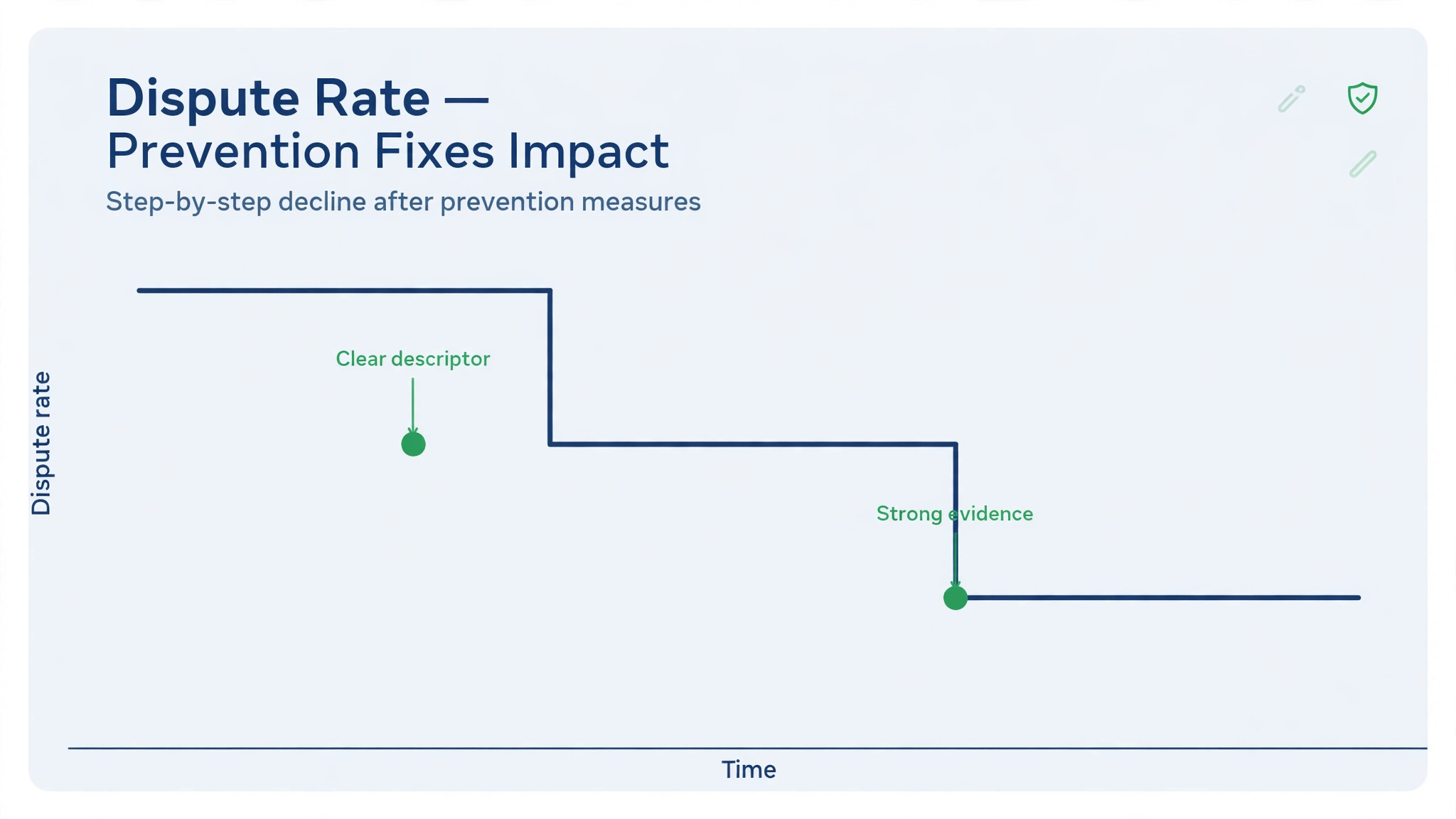
Every filed dispute counts toward your dispute rate, whether you win or lose the individual case, and card networks watch that rate closely when you fix Stripe chargeback lost small business trouble. Published guidance commonly cites a level around one percent as a danger zone, with Stripe monitoring activity against industry standards that are often described near three quarters of a percent. The exact threshold that triggers action varies by account and network, so treat any sustained rise as a warning rather than waiting for a formal notice. A rate that climbs over a quarter, even from a low base, deserves the same diagnosis as a single large loss.
Protect the rate by reducing disputes at source, not by winning more of them after they are filed. Clear descriptors, clear receipts, tracked delivery, honest listings, visible cancellation, and responsive support all reduce the number of disputes filed, which is the only reliable way to lower the rate. Early fraud warnings, where available, also help, because they give you a chance to refund a suspicious transaction before it becomes a chargeback. Use those warnings promptly, and record the decision for each one, so a pattern of ignored warnings does not become a pattern of disputes.
If Stripe contacts you about the dispute rate, respond promptly and plainly with the diagnosis and the prevention work already underway. For a related payments hold problem, see our guide to the Shopify Payments on hold fix. Show the evidence checklist, the descriptor fix, the delivery change, or the subscription change that addresses the main cause, and show the trend in disputes since the fix. A merchant who can demonstrate a diagnosed cause and a working prevention plan is in a far stronger position than a merchant who can only promise to try harder. Keep that record from the day the first dispute arrives, because it is much harder to reconstruct after a warning letter.
What to Do After a Loss, Week by Week
In the first week after a loss, complete the diagnosis in this guide to fix Stripe chargeback lost small business trouble and record the reason code, the evidence gap, and the prevention change needed. Do not wait for the next dispute to start that work, because the records for the next case are being created by orders placed today. Fix the descriptor, the delivery record, or the cancellation flow that the diagnosis identified, and test that the fix actually produces the record you need by placing a test order or reviewing a real order end to end.
In the following month, review every new dispute against the same checklist, and compare the evidence packs with the lost case. Look for whether the same gap appears again, or whether a new gap has replaced it. A repeated gap means the prevention change did not take effect in the order system, while a new gap means the business has more than one weakness to fix. That monthly review, done honestly, is more valuable than any single dispute win, because it turns individual losses into a system that improves.
After three months, judge the trend rather than any single case. Has the number of disputes fallen, has the win rate improved for cases that are fought, and has the dispute rate stabilised. If all three move in the right direction, the prevention work is succeeding, and the lost case that started the process has served its purpose. If they have not moved, return to the diagnosis and check whether the cause was misidentified, or whether a second cause, such as a fraud pattern or a listing problem, is driving disputes alongside the first. For payment comparison background, see our guide to Stripe versus PayPal, and for a related account problem, see the Stripe verification pending fix.
Frequently Asked Questions About Stripe Chargebacks
Why did I lose a Stripe chargeback when the customer received the goods
A delivery record alone does not win every case, because the decision depends on the reason code. If the claim was that the goods were not as described, the listing, the customer messages, and the refund policy matter more than delivery proof. If the claim was fraud, the checkout checks and prior transaction history matter more. Read the reason code for the lost case, and check whether the evidence you submitted answered that specific claim, rather than proving delivery in general.
Does Stripe decide who wins a chargeback
Stripe does not decide the outcome. Stripe passes your evidence to the cardholder bank, which decides the first stage, and the card network decides later stages such as arbitration where they apply. Stripe manages the process, the deadlines, and the dashboard, but the judgement is made by the bank or the network on the evidence submitted. That is why evidence quality and relevance matter more than any appeal to Stripe itself, and why a well built pack is the main lever a merchant controls.
How long do I have to respond to a Stripe dispute
Response windows vary by network and case type, and are commonly described as seven to twenty one days from notification. Check the deadline shown for the specific dispute in the Stripe dashboard, because that date governs your case, not a general guide. Aim to submit within the first few days, so a missing record can still be gathered, and confirm submission in the dashboard rather than assuming a draft was sent. A missed deadline loses the case by default.
Should I fight a small chargeback or just refund it
Fight a small dispute only when the evidence directly answers the reason code and the amount justifies the time and fee risk. Refund a small dispute when the evidence is weak, the complaint is genuine, or the cost of fighting exceeds the amount at stake. Set a clear internal rule for that choice, apply it consistently, and record the reason for each decision. A pattern of fighting weak small cases costs more in fees and time than it recovers, while a pattern of prompt genuine refunds protects the dispute rate.
Can I win a chargeback after losing the first stage
Some disputes can be taken to pre-arbitration or arbitration, where the card network decides, depending on the network and the case type. Escalation needs new or missed evidence that could change the outcome, not simply a repeat of the first submission. Weigh the amount, the fee risk, and the strength of the new evidence before escalating, and check the options for the specific dispute in Stripe before committing. A larger amount with a missed delivery record may justify escalation, while a small amount with no new evidence usually does not.
How can I lower my Stripe dispute rate
Lower the rate by reducing disputes at source, because every filed dispute counts toward the rate whether you win or lose it. Use a recognisable billing descriptor, send clear receipts, use tracked delivery with proactive tracking messages, write honest listings, make cancellation visible, and answer support messages promptly. Monitor the rate monthly, diagnose each new dispute by reason code, and fix the cause that drives the most cases first. Winning more disputes helps revenue, but only fewer filings reliably lower the rate.
A Final Word on Losing a Chargeback
A lost chargeback is not a verdict on the business. It is a verdict on one evidence pack, for one reason code, on one date, and it becomes valuable only when the merchant reads it that way. Work through the diagnosis in order to fix Stripe chargeback lost small business trouble, and you will know whether you lost on relevance, on timing, on a missing record, or on a preventable cause.
Fix that cause in the order flow, keep the checklist for every future dispute, and judge the result over months rather than over a single case. That discipline will not win every dispute, because no merchant wins them all, but it will win more of the winnable ones, lose fewer of the preventable ones, and protect the dispute rate that keeps the Stripe account healthy. For a related payout problem, see our guide to the Square payouts delayed fix, and for a related refund problem, see the PayPal refund stuck fix.