

About 7 in 10 parents say bedtime is the hardest part of the day, and the story is the part that decides whether it ends calmly or in a negotiation. The best ai story generators for parents exist because a fresh story every night, with the child as the hero and the lesson built in, is hard to invent at 8 pm after a long day. A good generator writes a story that fits the child’s age, holds their attention for ten minutes, and ends in a way that makes sleep the next step, not a battle.
StoryBee leads for nightly personalised stories, Oscar Stories leads for child-as-hero tales with life lessons, and Bedtimestory.ai leads for illustrated stories with read-aloud audio. The rest of this guide sorts the ten tools by the job each one does best, so a parent of a toddler, a parent of a school-age reader, and a parent who wants a keepsake book each get a different winner.
Prices below come from vendor pricing pages checked in November 2026, and several tools in this category change prices without notice, so confirm the figure on the vendor page before you pay. Where a price is quoted, the range given is the best-known published figure, and the real number depends on plan and country.
Why a Good Bedtime Story Is Hard to Invent Nightly
A parent who invents a story every night runs out of ideas by Wednesday, and the story that follows is the same dragon, the same forest, and the same ending the child has already heard twice. A generator works because it starts from a fresh idea each night, the child’s name, a favourite animal, a small worry, and builds a story around it that feels new even to a tired parent.
The second reason is the ending. A bedtime story that ends with a chase, a loud noise, or a cliffhanger will keep a child awake, while one that ends with a quiet return home, a warm light, and a sleepy hero will do the opposite. The best tools here are tuned for a calm ending, and the parent who checks the ending before reading will have a calmer night.
The third reason is safety. A story generator that lets a child type anything, or that shows ads and links beside the story, is not a bedtime tool, it is a screen the parent must supervise. The tools in this guide are judged on whether a parent can hand the story to a child without worrying about what appears next.
The 10 Tools at a Glance
| Tool | Main job | Best for | Starting price |
|---|---|---|---|
| StoryBee | Nightly personalised stories | Parents wanting a fresh story every night | from about 7 dollars a month |
| Oscar Stories | Child-as-hero stories with lessons | Parents wanting life lessons in stories | from about 5 dollars a month |
| Bedtimestory.ai | Illustrated stories with audio | Parents wanting pictures plus read-aloud | from about 5 dollars a month |
| Story Spark | Printed hardcover keepsake books | Parents wanting a book to keep | from about 10 dollars a month |
| Childbook.ai | Illustrated books with consistent characters | Parents wanting a consistent hero | pricing on the vendor site |
| StoryWizard.ai | Free-tier story generator | Parents wanting a generous free tier | free tier, from about 8 dollars a month |
| Gemini Storybook | Free stories from Google | Parents wanting a free start | free |
| Branchlings | Interactive stories a child steers | Parents of children who want choices | from about 10 dollars a month |
| Moonbeam | Interactive audio stories | Parents wanting a low-cost interactive story | from about 3 dollars a month |
| Magical Hekaya | Personalised books with audio | Parents wanting a gift book | from about 5 dollars per book |
No single row in this table picks your tool, because a parent of a toddler and a parent of a ten-year-old need different stories. A parent who wants a nightly ritual should weigh StoryBee and Oscar Stories first. A parent who wants a printed keepsake should weigh Story Spark and Childbook.ai. Read the table as a map of trade offs, then read the detail entries for the two or three tools that match your child’s age.
Best Pick by Job
| Job type | First pick | Second tool | Why this pair works |
|---|---|---|---|
| Nightly personalised stories | StoryBee | Oscar Stories | Fresh stories plus child-as-hero tales |
| Illustrated stories with audio | Bedtimestory.ai | StoryBee | Pictures plus read-aloud narration |
| Printed keepsake books | Story Spark | Childbook.ai | Hardcover books plus consistent characters |
| Free bedtime stories | Gemini Storybook | StoryWizard.ai | Free stories plus a generous free tier |
| Parent-voice narration | Bedtime Stories | StoryBee | Your own voice plus preset voices |
A parent who needs the best ai story generators for parents to produce a fresh story every night should start with StoryBee, because its nightly personalised stories in 39 languages suit ages 2 to 13. A parent who wants the child as the hero of a story with a life lesson should start with Oscar Stories. A parent who wants a book to keep should start with Story Spark, because its printed hardcover books turn a generated story into a keepsake.
How to Judge the Best AI Story Generators for Parents
Start with your child’s age, not the tool’s home page. Generate a story for a four-year-old and one for a nine-year-old, and read both out loud. A tool that writes the same story for both ages has not understood the brief, and a child who hears a story that is too babyish or too scary will not ask for another one.
Next, check the ending and the lesson. Read the last page before you read the first, and ask whether the story ends calmly, whether the lesson is kind rather than preachy, and whether anything in it would worry a child at night. The best ai story generators for parents in this guide are tuned for a calm ending, so treat a tool that ends with a chase as a reason to walk away.
Then check the safety and the cost. A tool that shows ads, lets a child type freely, or hides the real price behind a free trial is not a bedtime tool. Check the subscription price, the per-story cost, and whether the illustrations stay consistent across pages, because a hero who changes face every page breaks the spell.
The 10 Tools in Detail
The ten tools below are the ones that matter for parent bedtime stories in 2026. Each entry covers what the tool does best, what it costs, and where it falls short, so you can match the tool to your child’s age and your budget. The best ai story generators for parents are the ones that fit your nightly ritual, not the ones with the longest feature list, so read the entries for your job first and skim the rest.
1. StoryBee
The strongest reason to pick StoryBee is it writes illustrated stories from a one-line idea, tuned to the child’s age from 2 to 13, in 39 languages and 15 genres. Its plans start at about 7 dollars a month in the US for 40 stories, with voice cloning on higher tiers, and the first stories are free after email verification.
StoryBee starts at from about 7 dollars a month. Where it falls short is printed books are coming soon, not available yet, so a parent who wants a keepsake must look elsewhere. The best nightly pick for most parents.
2. Oscar Stories
Oscar Stories earns its place here because it makes the child the hero of a story with a life lesson, with illustrations and preset-voice narration. Its first stories are free, and its subscription at about 5 dollars a month on iPhone, or about 40 dollars a year, is among the cheapest here.
Oscar Stories starts at from about 5 dollars a month. The honest drawback is its per-story fee model is not fully published, and its story languages are not fully stated. The best pick for a hero story.
3. Bedtimestory.ai
Bedtimestory.ai stands out because it produces illustrated stories with five pictures per story and a read-aloud option, which suits a parent who wants the story read aloud. Its plans run about 5, 10, and 20 dollars a month, and its paid tier unlocks photo integration and more advanced features.
Bedtimestory.ai starts at from about 5 dollars a month. The weak spot is there is no free tier listed, so a parent cannot test it properly without paying. The best pick for illustrated audio stories.
4. Story Spark
Story Spark is worth a close look because it is built specifically for children’s stories, not as a general tool with a kids template, and it turns a story into a printed hardcover book. Its paid plans begin at about 10 dollars a month for unlimited stories, with printed books from about 30 dollars as add-ons.
Story Spark starts at from about 10 dollars a month. Where it falls short is the only free tier is a blank book editor, and all AI generation requires a subscription. The best keepsake pick.
5. Childbook.ai
Childbook.ai earns its place here because its characters stay consistent across pages, with illustrations built from photos, which is the hardest thing in this category. Its books suit a parent who wants the same hero to look the same on every page, which most generators cannot do.
Childbook.ai starts at pricing on the vendor site. The honest drawback is its pricing is not fully published, so a parent must check the site before budgeting. The best pick for consistent characters.
6. StoryWizard.ai
StoryWizard.ai stands out because it is the closest thing to a true free competitor in this guide, with a strong free tier and paid plans from about 8 dollars a month. Its stories suit a parent who wants to test the category properly before paying.
StoryWizard.ai starts at free tier, from about 8 dollars a month. The limit to watch is its illustration depth is thinner than StoryBee, and its narration is less polished. The best free-tier pick.
7. Gemini Storybook
Gemini Storybook is worth a close look because it is free, with illustrated stories and basic audio narration, and it takes only a grown-up prompt to start. Its ten-page illustrated stories suit a parent who wants a quick free story without a subscription.
Gemini Storybook starts at free. Where it falls short is the hero can drift across pages, and it is for users 18 and over, so a parent must drive it. The best free start.
8. Branchlings
Branchlings earns its place here because the child steers the story, choosing at every fork or adding their own idea, which keeps a restless child engaged. Its price starts from about 10 dollars a month, with sample stories free to read, and its AI writes and paints each story from the child’s ideas.
Branchlings starts at from about 10 dollars a month. The honest drawback is it is iPhone and iPad only, with Android coming, so a parent on Android cannot use it yet. The best pick for a child who wants choices.
9. Moonbeam
Moonbeam stands out because it is the cheapest paid pick here, at about 3 dollars a month or about 20 dollars a year, with interactive stories a child can steer. Its one picture per story keeps the focus on listening, which suits a bedtime routine without a bright screen.
Moonbeam starts at from about 3 dollars a month. The weak spot is it is iPhone only, and its illustration is lighter than StoryBee. The best low-cost interactive pick.
10. Magical Hekaya
Magical Hekaya is worth a close look because it produces a personalised book with consistent photo-real illustrations across 20 pages and audio narration included, for about 5 dollars per digital book. Its high-resolution print-ready PDF lets a parent print the book at home, and it covers English, French, and Arabic.
Magical Hekaya starts at from about 5 dollars per book. The limit to watch is it is priced per book, so a nightly ritual becomes expensive fast. The best pick for a gift book.
What Bedtime Stories Cost at Three Family Sizes
| Cost band | What it covers | Who it fits |
|---|---|---|
| One child, nightly | Monthly subscription plus free stories | Parents of one child |
| Two children | Family plan plus per-story credits | Parents of two children |
| Gift and keepsake | Per-book price plus printing | Grandparents and gifts |
| Free only | Free tools plus a free tier | Parents testing the category |
A parent with one child can run a nightly story ritual for about 5 to 7 dollars a month, with StoryBee at about 7 dollars a month or Oscar Stories at about 5 dollars a month. That covers forty stories a month on StoryBee, which is more than a nightly ritual needs. The best ai story generators for parents at this size are the ones with a monthly subscription, because a nightly habit needs unlimited stories, not per-story credits.
A parent with two children should look at the family plans and the per-story costs together, because a second child doubles the stories. StoryBee at about 15 dollars a month for fifty stories with voice cloning, or Bedtime Stories at about 2 dollars a story, are the two models to compare. The subscription wins when the children want a story every night, and the per-story model wins when they want one a week.
A gift book costs about 5 dollars per digital book with Magical Hekaya, or from about 30 dollars for a printed hardcover with Story Spark. That is the honest price of a keepsake, and it is worth paying for a birthday or a holiday, but not for a nightly ritual. A parent who wants both should keep a subscription for nights and buy a printed book for special days.

The Ending Decides the Night
A bedtime story that ends with a chase, a loud noise, or a cliffhanger will keep a child awake, while one that ends with a quiet return home, a warm light, and a sleepy hero will do the opposite. The tools in this guide differ most in how they end, and the difference decides whether the night ends calmly or in a negotiation. A parent who reads the last page before the first will have a calmer night.
The second test is the age fit. A story written for a four-year-old and one written for a nine-year-old should read like two different books, and a tool that writes the same story for both has not understood the brief. A child who hears a story that is too babyish or too scary will not ask for another one, and the ritual will end.
The third test is the hero’s face. A child who sees their hero change appearance on every page will notice, and the spell will break. The tools that keep characters consistent across pages are the ones worth paying for, because a hero who looks the same on page one and page ten is a hero the child believes in.
Five Mistakes That Ruin Bedtime Story Time
The first mistake is letting the child drive the generator alone. A tool that lets a child type anything can produce a story that is too scary, too long, or off-topic, and the parent who does not read it first will find out at the worst moment. Generate the story, read the ending, then read it to the child. The best ai story generators for parents in this guide were all tested against this exact mistake before they were ranked.
The second mistake is picking a story that is too long for the age. A four-year-old needs a five-minute story, and a nine-year-old needs a ten-minute one, and a tool that writes the same length for both will bore one and exhaust the other. Check the length setting before you generate.
The third mistake is paying per story for a nightly habit. A parent whose child wants a story every night will spend more on per-story credits in a month than a subscription costs, and the subscription is the cheaper route for a daily ritual. Compare the monthly total, not the single price.
The fourth mistake is ignoring the illustrations. A hero who changes face on every page breaks the spell for a child, and the tools that keep characters consistent are worth paying for. Check three pages of one story before you subscribe, not just the cover.
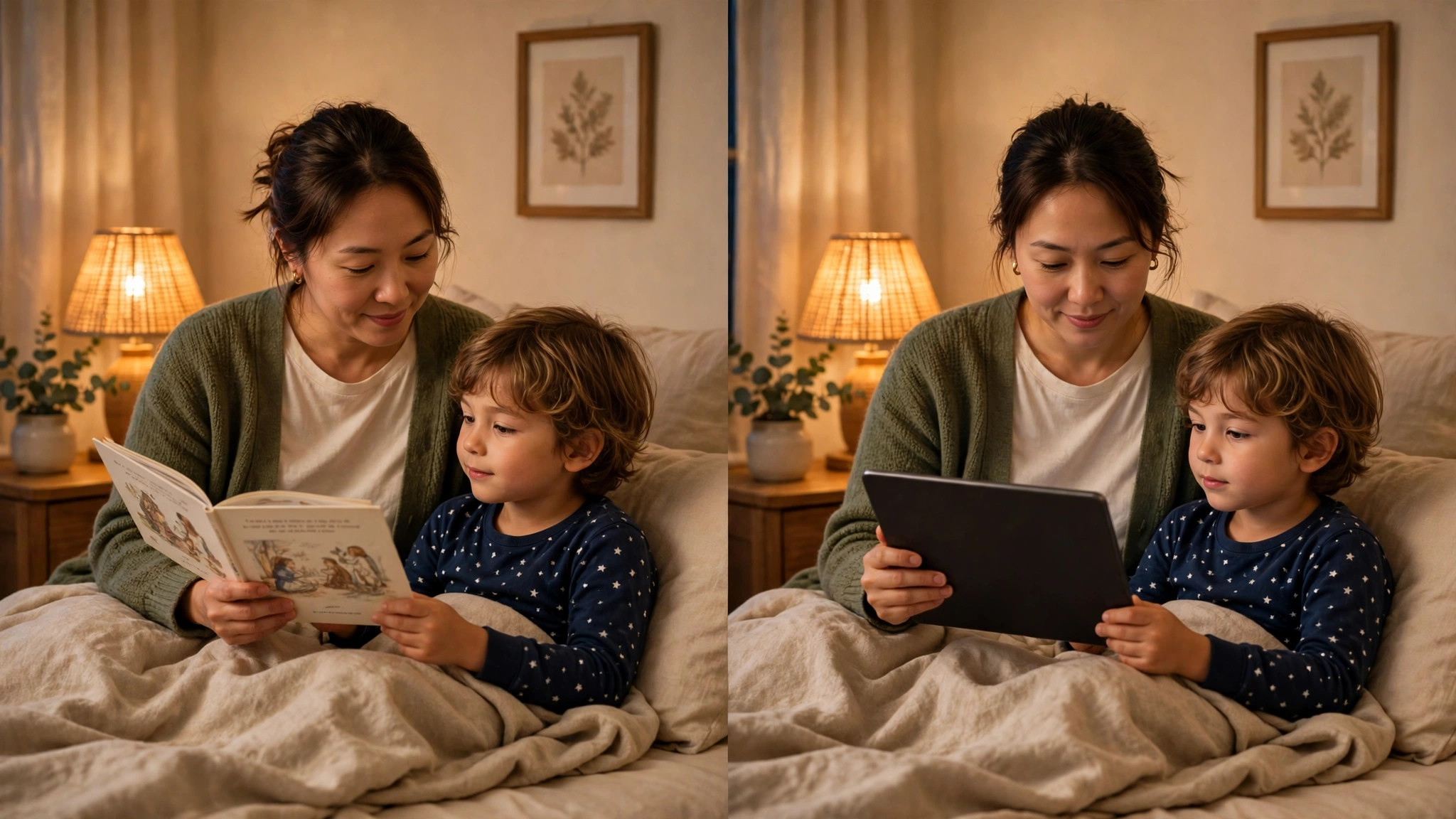
The fifth mistake is using a bright screen at bedtime. A story with pictures on a tablet is still a screen, and a child who stares at it will take longer to sleep. Use the read-aloud audio, or print the story, and keep the screen out of the bedroom.
What Parents Learn After a Month of Generated Stories
A parent who uses a story generator for a month learns that the child remembers the hero, not the plot. A story with the child’s name, their favourite animal, and a small worry they had that day will be asked for again tomorrow, while a generic adventure will be forgotten by morning. The personal detail is the whole product. A buyer weighing the best ai story generators for parents should keep this lesson in mind, because it is the one that separates a careful purchase from a rushed one.
The second lesson is that the ritual matters more than the story. A child who gets a story at the same time, in the same chair, with the same goodnight line will sleep better than one who gets a brilliant story at a random hour. The generator is a tool for the ritual, not a replacement for it.
The third lesson is that the lesson must be gentle. A story that preaches will be resisted, while one that shows a hero being kind, brave, or patient will be absorbed without a lecture. The best tools here build the lesson into the adventure, and the parent who picks those stories gets the teaching without the argument.
A useful test is the three-page check. Before subscribing, generate one story and look at three pages, the hero’s face, the ending, and the length. The tool that passes all three is the one that will survive a month of bedtime, and the one that fails the hero’s face will be noticed by the child on night one.
Languages deserve their own check. A family that speaks two languages at home should test the second language before subscribing, because a story that reads well in English can read badly in translation. StoryBee covers 39 languages, which is the widest here, so test the one your family actually speaks.
Voice cloning is a feature worth testing carefully. A story read in a parent’s own voice is a lovely idea, but only if the clone sounds natural and the child likes it. StoryBee offers voice cloning on higher tiers, and Bedtime Stories builds narration from a ten-second clip, so test it on one story before paying for it.
Printing is the quiet win. A story that can be printed as a book, or saved as a PDF, becomes a keepsake the child can hold, and the tools that offer printing, like Story Spark and Magical Hekaya, are the ones that turn a nightly story into a memory. Check the print quality before you buy a hardcover.
Finally, remember that the generator is a helper, not a replacement for the parent. A story read by a parent, with the parent’s voice and the parent’s pauses, will always beat a story played from a speaker. Use the tool to write the story, then read it yourself, because the reading is the part the child remembers.
A last point worth making is the re-read test. A story a child asks for again tomorrow is a story that worked, and the tools that save favourites make that easy. Keep a small shelf of the winners, digital or printed, because the stories a child returns to are the ones that shape bedtime for years.
Your First Month of Bedtime Stories, in Eight Moves
Work through these eight steps in order before the next bedtime.
- Pick one tool, generate three stories, and read each one out loud before bedtime.
- Check the hero’s face across three pages, and the ending, before you subscribe.
- Set the length for your child’s age, five minutes for a toddler, ten for a school-age child.
- Generate tonight’s story before dinner, and read the ending first.
- Use read-aloud audio or a printed copy, and keep the screen out of the bedroom.
- Ask your child which story they want again tomorrow, and save it.
- Try the second language your family speaks, and check the translation.
- Review the monthly cost after four weeks, and switch to a subscription if per-story credits cost more.
Related Guides
Keep exploring with these guides on Stratilyze:
- Best AI Story Generators for Authors (10 Tools)
- Best AI Story Generators for Content Creators (15 Tools)
- Best AI Slogan Generators for Ecommerce Sellers (12 Tools)
Frequently Asked Questions
Which AI story generator is best for a parent of a toddler?
StoryBee is the best fit for a toddler, because its stories are tuned to ages 2 to 13 and its plans start at about 7 dollars a month for 40 stories. Oscar Stories is the alternative for a child-as-hero tale with a life lesson. The best ai story generators for parents of a toddler are the ones with short, calm stories, and StoryBee is the clearest of them.
How much does StoryBee cost a parent in 2026?
StoryBee costs about 7 dollars a month in the US for 40 stories, about 15 dollars a month for 50 stories with voice cloning, and about 29 dollars a month for 90 stories. The first stories are free after email verification, and prices vary by country. Confirm the current figure on the vendor page before you pay.
Is Gemini Storybook really free for parents?
Yes, Gemini Storybook is free, with illustrated ten-page stories and basic audio narration. It is for users 18 and over, so a parent must drive it, and the hero can drift across pages. It is the best free start in this guide, and a parent who wants a quick free story without a subscription should start there.
What is the difference between Story Spark and Childbook.ai for a parent?
Story Spark is the stronger pick for a printed hardcover keepsake book, with paid plans from about 10 dollars a month and books from about 30 dollars. Childbook.ai is the stronger pick for consistent characters built from photos across pages. A parent who wants a book to keep leans Story Spark, while one who wants the same hero on every page leans Childbook.ai.
Can a parent print an AI-generated bedtime story as a book?
Yes, and two tools here do it well. Story Spark offers printed hardcover books from about 30 dollars as add-ons, and Magical Hekaya delivers a high-resolution print-ready PDF for about 5 dollars per digital book that a parent can print at home. Both turn a generated story into a keepsake, and the print quality is worth checking before ordering a hardcover.
Are AI story generators safe for children to use alone?
No, and a parent should not hand the generator to a child unsupervised. A tool that lets a child type freely can produce a story that is too scary or off-topic, and a tool with ads or links beside the story is not a bedtime tool. Generate the story yourself, read the ending first, and read it to the child, because the reading is the part that matters.
Write the Story, Then Read It Yourself
A parent does not need the most expensive story tool in this guide. A parent needs the one that writes a fresh story for the child’s age, ends calmly, and keeps the hero looking the same on every page. StoryBee is the nightly pick, Oscar Stories is the hero pick, and Story Spark is the keepsake pick, and each of them earns its place for a different family. The best ai story generators for parents in this guide reward the buyer who checks those three things, because every tool here was ranked on them.
Generate tonight’s story before dinner, read the ending first, and read it in your own voice. The child will remember the reading long after they forget the tool, and a bedtime that ends calmly is the whole point.