
Breezy HR is the top 10 applicant tracking software for small businesses pick for a business hiring one role at a time, because the free Bootstrap plan covers one active position and Startup costs $157 a month. JazzHR is the pick for a business that wants the cheapest paid plan, at $1,000 a year for the Hero plan. Workable is the pick for a business that hires steadily and wants the widest job board reach. The twelve tools below compare price, job posting and hiring workflow, so a small business can pick the tracker its hiring managers will actually use.
A small business hires in bursts, not in a steady stream, and that burst pattern decides which tracker fits. A business that hires one person a quarter needs a free plan and a simple pipeline, while a business that hires five people a month needs unlimited postings, automation and a careers page that sells the company. A tracker built for the wrong burst pattern either charges for empty months or caps the hiring when it matters most.
The buying problem is the cap. Some trackers cap the active jobs, some cap the users, and some price by headcount rather than hiring volume. The comparison below shows the cap behind every price, so a business can price the tracker at its real hiring volume rather than the entry tier.
The 12 Tools at a Glance
This table lines up the top 10 applicant tracking software for small businesses on the four numbers that decide a purchase, so the price and the cap are visible before the detail sections begin.
| Tool | Main job | Best for | Starting price |
|---|---|---|---|
| Breezy HR | Visual hiring pipeline | Businesses hiring one role at a time | Free, Startup $157 per month |
| JazzHR | Flat-price ATS | Budget hiring with few open roles | $1,000 per year |
| Workable | Job posting and AI sourcing | Steady hiring with wide reach | Starter $149 per month |
| Recruitee | Collaborative hiring | Growing teams in Europe | Quote-based |
| Zoho Recruit | ATS with a free tier | Lean teams on a budget | Free, Standard $30 per recruiter per month |
| Greenhouse | Structured hiring | Businesses wanting scorecards | Quote-based |
| Lever | CRM plus ATS | Businesses sourcing passive candidates | Quote-based |
| BambooHR | HR suite with hiring | Businesses wanting HR and hiring together | Quote-based |
| Manatal | AI-assisted screening | Small teams wanting AI screening | $15 per user per month |
| Homerun | Branded hiring pages | Small teams wanting a great careers page | From $49 per month |
| Teamtailor | Employer branding and ATS | Businesses selling the employer brand | Quote-based |
| Ashby | Analytics-led hiring | Data-driven hiring teams | Quote-based |
Best Pick by Job
| Job type | First pick | Second tool | Why this pair works |
|---|---|---|---|
| Business hiring one role at a time | Breezy HR | Zoho Recruit | Breezy is free for one role, Zoho is free with more room |
| Budget hiring with few open roles | JazzHR | Breezy HR | JazzHR is flat $1,000 a year, Breezy is free to start |
| Steady hiring with wide reach | Workable | Recruitee | Workable leads on job boards, Recruitee adds collaboration |
| Business wanting HR and hiring together | BambooHR | Workable | BambooHR bundles the HR suite, Workable leads on sourcing |
| Data-driven hiring team | Ashby | Greenhouse | Ashby leads on analytics, Greenhouse leads on structure |
The pattern across this list is that the top 10 applicant tracking software for small businesses splits by the cap. Breezy caps the free plan at one role, JazzHR caps Hero at three jobs, Workable prices by headcount, and Recruitee, Greenhouse, Lever and Ashby sell by quote. A business that knows its open-role count will pick faster than one that compares feature lists.
Which ATS Is Best for a Business Hiring One Person?
Breezy HR is the best pick for a business hiring one person, because the free Bootstrap plan covers one active position with unlimited candidates, a visual pipeline and a careers page. A business can post the role, collect the applications and move the candidates through the stages without paying anything, and the Startup plan at $157 a month on annual billing adds unlimited roles, reporting and automation when the hiring grows. The flat pricing stays the same no matter how many people the business employs.
The limit is the single-role cap on the free plan, since a business that opens a second role must pay for Startup. The Startup price of $157 a month is also higher than the JazzHR Hero plan at $1,000 a year, which works out to about $83 a month, so a business with three open roles should compare the two.
JazzHR is the better pick when the business wants the cheapest paid plan with more room. The Hero plan costs $1,000 a year, billed yearly only, with three active jobs and unlimited users, which is three times the room of the Breezy free plan. The Plus plan above it adds more jobs, and the flat annual price makes the budget predictable. The interface is plainer than Breezy, and a hiring manager who wants the visual pipeline may prefer Breezy.
How to Choose the Top 10 Applicant Tracking Software For Small Businesses
Start with the open-role count, because it sets the cap that matters. A business with one open role can take Breezy free or Zoho Recruit free, since both cover a single hire without a bill. A business with three open roles should take JazzHR Hero at $1,000 a year, since it covers three jobs for less than Breezy Startup. A business with ten open roles should take Workable Standard at $299 a month, since the per-role cost falls as the hiring grows.
Next, test the pipeline the way the hiring manager uses it. Post a real role, move five candidates through the stages, and check whether the pipeline shows the whole process at a glance. A tracker that hides candidates behind tabs will slow every hire, and the hiring manager will stop using it. Then check the careers page on a phone, because most candidates apply from a phone, and a careers page that looks broken on mobile loses the applicants before they start.
Then confirm the job board reach, since the posting is the point of the tracker. Ask which boards are included in the plan and whether the posting is automatic or manual, because a tracker that posts to 200 boards automatically is worth more than one that posts to 20. Finally, check the price model, since Workable prices by headcount and a business that grows staff but keeps hiring flat will still pay more at renewal.
The 12 Tools in Detail
The twelve tools below cover free trackers, flat-price systems and enterprise platforms. Each one is judged on the pipeline, the careers page, the job board reach and price, so this roundup of the top 10 applicant tracking software for small businesses stays honest about what a small business actually pays.
1. Breezy HR
Breezy HR is the visual hiring tracker for small businesses, built around a drag-and-drop pipeline a hiring manager can learn in an afternoon. The free Bootstrap plan covers one active position with unlimited candidates, a careers page and the core pipeline, while Startup at $157 a month on annual billing adds unlimited roles, reporting, automation and mobile apps. The flat pricing stays the same no matter how many people the business employs.
The limit is the single-role cap on the free plan, since a business that opens a second role must pay for Startup. The Startup price is also higher than JazzHR Hero at $1,000 a year, so a business with three open roles should compare the two. The visual pipeline and the unlimited candidates on the free plan are the reasons to pick it, and the flat fee is the reason to stay.
It suits a business posting one role at a time, or a growing team ready to pay for unlimited postings. The free start and the simple pipeline are the reason to pick it, and the Startup price needs a check against JazzHR before paying.
Start free on one real role, move the candidates through the pipeline, and upgrade to Startup only when a second role opens.
2. JazzHR
JazzHR is the flat-price ATS for a small business that wants the cheapest real tracker. The Hero plan costs $1,000 a year, billed yearly only, with three active jobs and unlimited users, which is three times the room of the Breezy free plan. The system covers job posting, candidate tracking, email templates and LinkedIn Recruiter integration, with the Plus plan above it for more jobs.
The limit is the job cap, since a business that opens a fourth role must jump to Plus, and there is no free tier, only a 21-day trial. The interface is plainer than Breezy, and a hiring manager who wants the visual pipeline may prefer the Breezy look. The flat annual price makes the budget predictable, which is the reason a small business picks it over a monthly subscription that rises with headcount.
It suits a business that wants a standalone tracker with a flat annual price. The $1,000 a year and the three-job room are the reason to pick it, and the job cap needs a check against the hiring plan before paying.
Trial it on a real role, post to the boards included, and confirm the Plus price before the fourth role opens.
3. Workable
Workable is the self-serve ATS for the business that hires regularly and wants the widest job board reach. The Starter plan costs $149 a month on annual billing, Standard costs $299 a month for up to 20 employees, and Premier costs $599 a month, with pay-as-you-go at $99 per open role. The Standard plan posts to more than 200 job boards and adds AI sourcing, onboarding, time tracking and e-signatures.
The limit is the headcount pricing, since the price is tied to total employees rather than hiring volume, so a business that grows staff but keeps hiring flat still pays more at renewal. The add-ons also stack up, with texting, video interviews and assessments sold separately at $89, $109 and $59 a month on the lower tiers. The job board reach and the AI sourcing are the reasons to pay the premium.
It suits a small business ready to spend more for AI sourcing and a deeper feature set. The published prices and the wide posting are the reason to pick it, and the headcount model needs a check against the hiring plan before paying.
Trial it on a real role, test the AI sourcing on the job description, and price the Standard plan at the current headcount before committing.
4. Recruitee
Recruitee is the collaborative hiring platform for growing teams, with a visual pipeline, a careers site builder and more than 200 integrations. The system covers job posting, candidate tracking, collaborative evaluation and employer branding, with the Start plan covering up to five active jobs. The platform suits a European mid-market team that wants a modern pipeline with strong collaboration.
The pricing is quote based, with the vendor publishing no list price and third-party reports putting the Start plan near $270 a month on annual billing, so that figure is reported rather than confirmed. The annual commitment runs a year minimum, and the price sits above Breezy and JazzHR for the same job count. The collaboration and the careers site are the reasons to pick it despite the quote.
It suits a growing team that wants collaborative hiring with a modern pipeline. The careers site and the evaluation tools are the reason to pick it, and the quote-based pricing needs a written number before any comparison.
Ask for a written quote on the real headcount, test the collaborative evaluation with the hiring team, and compare the total against Workable before signing.
5. Zoho Recruit
Zoho Recruit is the ATS with a free tier for lean teams, covering job posting, candidate tracking, a careers page and automation. The Forever Free plan covers one recruiter with basic hiring, and the Standard plan costs $30 per recruiter per month on annual billing, with Professional and Enterprise tiers above it. The platform sits inside the Zoho world, so a business already on Zoho CRM or Zoho People gets the integration for free.
The limit is the per-recruiter pricing, since the bill grows with every hiring manager, and the interface is busier than Breezy. The free tier is also thinner than Breezy on the pipeline, though it covers more roles. A business that wants the simplest tracker should take Breezy, while a business already on Zoho should take Zoho Recruit for the integration.
It suits a lean team on a budget that already uses Zoho. The free tier and the $30 Standard plan are the reason to pick it, and the per-recruiter model needs a check against the hiring team size before paying.
Start free on one real role, test the Zoho integration if the business uses it, and upgrade to Standard only when the free limits appear.
6. Greenhouse
Greenhouse is the structured hiring platform for businesses that want scorecards, structured interviews and a disciplined process. The system covers job posting, candidate tracking, interview kits, scorecards and reporting, with the structure as the core selling point. The platform suits a business that hires the same role repeatedly and wants every candidate judged the same way.
The pricing is quote based, so a small business must ask for a written quote, and the price sits above the flat-price tools here. The structure is also the weight, since a business that hires one person a quarter will find the interview kits more process than it needs. The reporting and the analytics are the strongest here for a business that wants to prove its hiring works.
It suits a business that wants structured hiring with scorecards. The interview discipline and the reporting are the reason to pick it, and the quote-based pricing needs a written number before any comparison.
7. Lever
Lever combines a CRM with an ATS, built for businesses that source passive candidates rather than waiting for applications. The system covers sourcing, nurture campaigns, candidate tracking and analytics, with the CRM as the centre. The platform suits a business that hires hard-to-fill roles and needs to keep in touch with candidates for months before they apply.
Lever sells by quote, so the price needs a written number, and it sits above the flat-price tools here. The CRM depth is the reason to pick it, and a business that hires from inbound applications will find it more system than it needs. The analytics and the sourcing automation are the strongest here for a proactive hiring team.
It suits a business sourcing passive candidates for hard roles. The CRM and the nurture campaigns are the reason to pick it, and the quote-based pricing needs a written number before any comparison.
8. BambooHR
BambooHR is the HR suite with hiring built in, covering employee records, time off, onboarding and applicant tracking in one system. The hiring module covers job posting, candidate tracking and onboarding, so a new hire moves from the pipeline to the employee record without re-entry. The platform suits a business that wants HR and hiring together rather than two separate systems.
The pricing is quote based, so a small business must ask for a written quote, and the price sits above the standalone trackers here. The hiring depth is thinner than Workable or Greenhouse, since BambooHR is an HR suite first. A business that hires heavily should take a dedicated tracker, while a business that wants one HR system should take BambooHR for the integration.
It suits a business that wants HR and hiring in one system. The employee record and the onboarding flow are the reason to pick it, and the quote-based pricing needs a written number before any comparison.
9. Manatal
Manatal is the AI-assisted ATS for small teams that want screening without a big price. The system covers job posting, candidate tracking, AI screening, a careers page and automation, with the AI scoring candidates against the job description. The Professional plan costs $15 per user per month on annual billing, which is the cheapest paid plan here per user.
The limit is the brand, since Manatal is smaller than Workable or Greenhouse and the reference list is thinner. The AI screening is the reason to pick it, and a team that hires many similar roles will save hours on the first screen. The per-user pricing also means the bill grows with the hiring team, though $15 a user is low enough that the growth costs little.
It suits a small team that wants AI-assisted screening at a low price. The $15 a user and the AI scoring are the reason to pick it, and the smaller brand needs a trial on a real role before paying.
Trial it on a real role, test the AI screening against the hiring manager judgment, and confirm the careers page looks right on a phone before paying.
10. Homerun
Homerun is the hiring tool for small teams that want a beautiful careers page, with branded job pages, a simple pipeline and a focus on the candidate experience. The system covers job posting, candidate tracking and team collaboration, with the careers page as the centre of the product. The platform suits a small team that sells the company as much as the role.
The pricing starts from about $49 a month according to third-party reports, so a business should treat that figure as reported and ask for a written quote. The careers page is the reason to pick it, and a business that hires from inbound applications will find the candidate experience the best here for the price. The job board reach is thinner than Workable, so a business that needs wide posting should pair it with a broader tool.
It suits a small team that wants a great careers page. The branded pages and the candidate experience are the reason to pick it, and the reported price needs a written number before any comparison.
Ask for a written quote, test the careers page on a phone with a real candidate, and compare the job board reach against Workable before signing.
11. Teamtailor
Teamtailor is the employer branding platform with an ATS built in, covering careers pages, candidate communication, hiring workflows and analytics. The system suits a business that sells the employer brand as hard as the role, with the careers site as the centre of the hiring. The platform is popular in Europe, with the branding tools as the core selling point.
The pricing is quote based, so a small business must ask for a written quote, and the price sits above the flat-price tools here. The branding depth is the reason to pick it, and a business that hires from inbound applications will find the candidate experience strong. The hiring workflow is lighter than Greenhouse on structure, so a business that wants scorecards should look elsewhere.
It suits a business that wants employer branding with its hiring. The careers site and the candidate communication are the reason to pick it, and the quote-based pricing needs a written number before any comparison.
12. Ashby
Ashby is the analytics-led hiring platform for data-driven teams, covering job posting, candidate tracking, scheduling, scorecards and reporting in one system. The analytics are the strongest here, showing where candidates come from, where they stall and which sources hire. The platform suits a team that wants to prove its hiring works with numbers rather than instinct.
Ashby sells by quote, so a small business needs a written number before comparing, and the price sits above the flat-price tools here. The analytics depth is the reason to pick it, and a business that hires one person a quarter will find it more system than it needs. The scheduling and the scorecards are the strongest here for a team that interviews heavily.
It suits a data-driven hiring team that wants analytics. The reporting and the source tracking are the reason to pick it, and the quote-based pricing needs a written number before any comparison.
Breezy HR vs JazzHR: Free Start Against Flat Annual Price
The free plan is the first difference. Breezy offers a free Bootstrap plan for one active position with unlimited candidates, while JazzHR offers no free tier, only a 21-day trial. A business hiring one person pays nothing on Breezy and $1,000 a year on JazzHR, so the free start is the reason to pick Breezy for a single hire. The gap closes as the hiring grows, since Breezy Startup at $157 a month costs more than JazzHR Hero at about $83 a month.
The job cap is the second difference. JazzHR Hero covers three active jobs for $1,000 a year, while Breezy free covers one role and Startup covers unlimited roles for $157 a month. A business with three open roles pays less on JazzHR, while a business with ten open roles pays less on Breezy Startup than on the JazzHR Plus jump. The pipeline is the third difference, since Breezy is visual and easy to learn, while JazzHR is plainer and more functional.
The deciding factor is the open-role count. A business hiring one person should take Breezy, because the free plan covers the whole hire without a bill. A business with three open roles should take JazzHR, because the flat $1,000 a year covers three jobs for less than Breezy Startup. That split is the cleanest way to read the top 10 applicant tracking software for small businesses when the choice narrows to two.
What Does an ATS Cost a Small Business?
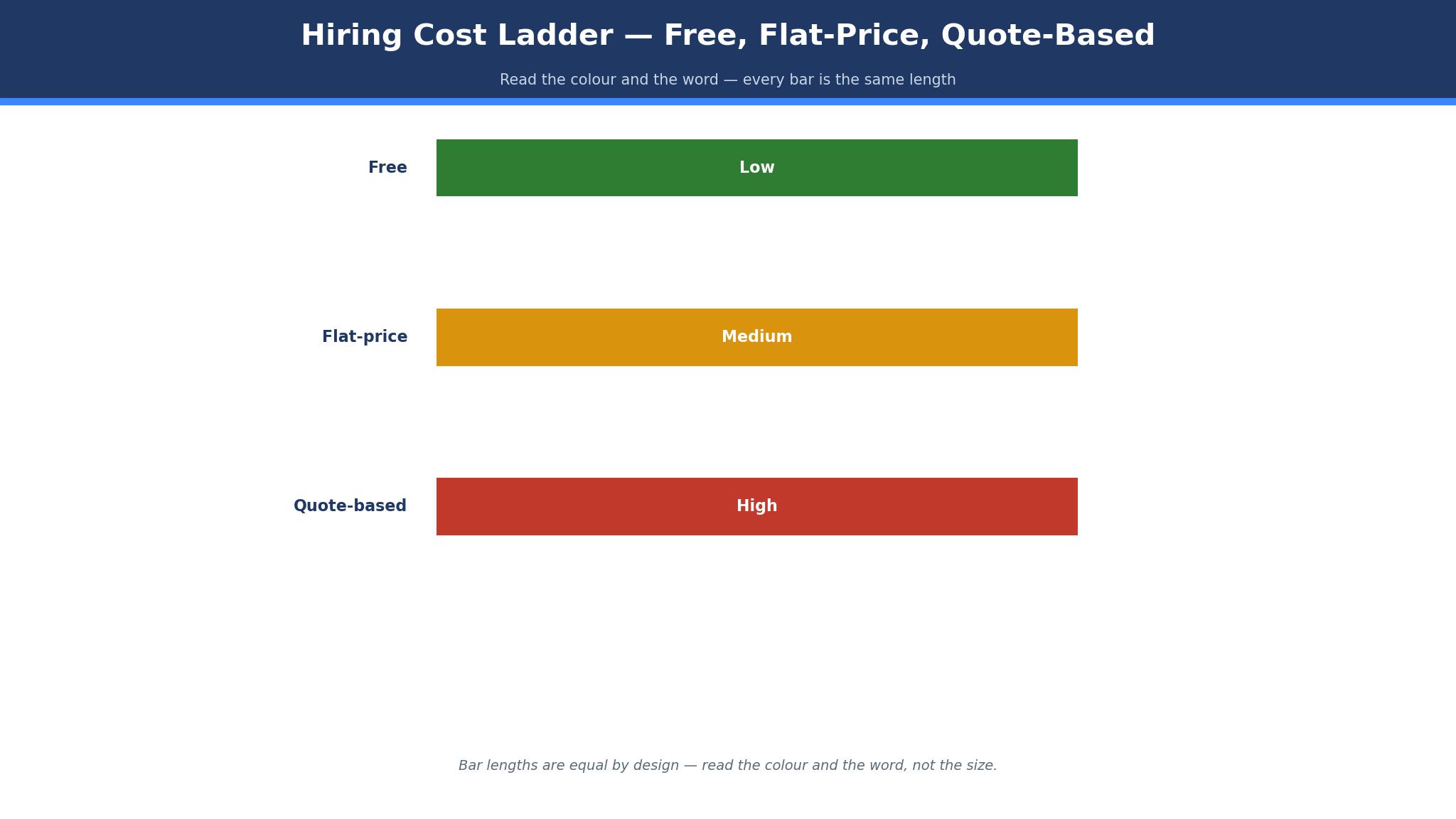
A small business pays anywhere from free to about $599 a month for the top 10 applicant tracking software for small businesses, and the cap decides the real price. Breezy Bootstrap and Zoho Recruit Forever Free cost nothing, JazzHR Hero costs $1,000 a year, and Manatal Professional costs $15 per user per month. Workable Starter costs $149 a month, Standard $299 and Premier $599, while Recruitee, Greenhouse, Lever, BambooHR, Teamtailor and Ashby sell by quote.
The hidden costs sit in the add-ons and the price model. Workable sells texting, video interviews and assessments separately at $89, $109 and $59 a month on the lower tiers, so the Standard bill grows quickly. Workable also prices by headcount, so a business that grows staff but keeps hiring flat still pays more at renewal. A business should price the plan at the headcount and the open-role count expected in a year, not today.
The honest way to budget is to start free, find the cap, and pay for the plan that removes it. A business hiring one person should take Breezy free, a business with three roles should take JazzHR Hero at $1,000 a year, and a business hiring steadily should take Workable Standard at $299 a month. Never pay for a quote-only platform before the free and flat-price tools have shown their limits on a real hire.
How Fast Can a Small Business Hire With an ATS?
A small business using an ATS can move from a posted role to an offer in about 14 days, against about 30 days without one, and the pipeline is the reason. Days one to three are the posting, with the role live on the boards and the careers page the same day. Days four to ten are the screening, with the pipeline showing every candidate at a glance and the AI or the templates cutting the unqualified fast. Days eleven to fourteen are the interviews, with the scheduling and the scorecards keeping the process moving.
The workflow that fits in 14 days starts with the template. Write the job description once, reuse the interview scorecard, and schedule the interviews in one batch rather than one at a time. A business that interviews one candidate a week will take a month, while a business that interviews five candidates in two days will decide in a week. The tracker removes the admin, but the batching removes the delay.

Frequently Asked Questions
Is Breezy HR really free?
Yes, for one active position. Breezy HR offers a free Bootstrap plan with one active position, unlimited candidates, a careers page and the core pipeline, which is why it leads the top 10 applicant tracking software for small businesses for a single hire. The Startup plan costs $157 a month on annual billing for unlimited roles, reporting and automation, and the flat pricing stays the same no matter how many people the business employs.
How much does JazzHR cost?
JazzHR Hero costs $1,000 a year, billed yearly only, with three active jobs and unlimited users. There is no free tier, only a 21-day trial, and the Plus plan above Hero adds more jobs. A business with three open roles pays about $83 a month on Hero, which undercuts Breezy Startup at $157 a month.
Does Workable post to many job boards?
Yes. Workable Standard posts to more than 200 job boards and adds AI sourcing, onboarding, time tracking and e-signatures at $299 a month for up to 20 employees. The Starter plan at $149 a month covers the basic posting, while the add-ons for texting, video interviews and assessments cost extra on the lower tiers.
Is there an ATS with a free plan?
Yes. Breezy HR offers a free Bootstrap plan for one active position, and Zoho Recruit offers a Forever Free plan for one recruiter. Both cover the core hiring without a bill, and the choice depends on whether the business wants the visual pipeline or the Zoho integration.
What is the cheapest paid ATS for a small business?
JazzHR Hero at $1,000 a year is the cheapest paid plan here for a business with three open roles, working out to about $83 a month. Manatal Professional at $15 per user per month is the cheapest per-user plan, and Zoho Recruit Standard at $30 per recruiter per month sits between them. A business should price the plan at its real open-role count before deciding.
Does an ATS work for hiring part-time staff?
Yes. Breezy HR, JazzHR and Workable all handle part-time and seasonal roles the same way as full-time ones, with the same pipeline and the same job board posting. A business hiring seasonally should pick the plan by open-role count rather than headcount, since a part-time role still occupies one active position on most plans.
Hire Faster Without Hiring a Recruiter
A business hiring one person should take Breezy HR free, because the Bootstrap plan covers the whole hire without a bill and the visual pipeline takes an afternoon to learn. A business with three open roles should take JazzHR Hero at $1,000 a year, because the flat annual price covers three jobs for less than Breezy Startup. A business hiring steadily should take Workable Standard at $299 a month, because the 200 plus job boards and the AI sourcing fill the pipeline, and that cap-first test is the core test for the top 10 applicant tracking software for small businesses.