

A small business that misses calls while the owner is with a customer is not losing a few messages. It is losing the caller who rings the next business on the list, because the first company to answer usually wins the job. The best ai phone answering services in this guide were picked to answer every call, book the appointment and take the message, even at midnight.
Smith.ai leads for businesses that want an AI receptionist with live human backup, Goodcall leads for AI-first call handling at a low monthly price, and Ruby leads for callers who want a polished person on the line. The twelve services below are ordered by the job each one does best, so a solo owner and a busy clinic come away with different winners instead of one default answer.
All prices here were taken from vendor pricing pages in November 2026, and Smith.ai leads the figures with an AI receptionist free for 25 calls a month and Pro at about 150 dollars a month for 75 calls, so confirm the figure on the vendor page before you pay. The monthly price is only the start of the bill, because overage minutes, per-call charges and setup fees all move the monthly total.
What an AI Phone Service Has to Get Right on the First Ring
A phone service has one test that matters more than any other, and it is the first ten seconds. A caller who hears a natural greeting, gets asked the right question and reaches the right place will stay, while a caller who hears a robot stumble over a name will hang up and call the next business. The tools in this guide were ranked on how the first ring sounds, not on how many features the pricing page lists.
The second test is the billing model. Some services charge by the minute, some by the call, and some by the month, and the same fifty calls can cost 25 dollars on one plan and 250 on another. A two-minute call and a fifteen-minute call cost the same on a per-call plan, which cuts both ways, so the right model depends on how long your callers actually talk.
The third test is the handoff. An AI receptionist that books the appointment, takes the message and transfers the urgent call covers the whole job, while one that only takes messages leaves the caller waiting for a callback that may never come. Ask every vendor what the AI can do without a human, and what happens when the caller asks for a person.
The 12 Tools at a Glance
Read the table as a map of trade-offs, then read the detail entries for the two or three services that match how your callers actually behave.
| Tool | Main job | Best for | Starting price |
|---|---|---|---|
| Smith.ai | AI receptionist with live human backup | Law firms and long intake calls | AI free for 25 calls, Pro from about 150 dollars a month |
| Goodcall | AI-first call handling with custom flows | Businesses wanting AI automation cheaply | from about 59 dollars a month |
| Ruby | Premium live receptionists, US based | Callers wanting a polished person | from about 250 dollars a month for 50 minutes |
| AnswerConnect | 24/7 human answering at volume | Businesses needing round-the-clock humans | from about 350 dollars a month for 200 minutes |
| Rosie | Low-cost AI receptionist for small teams | Small businesses wanting cheap AI cover | from about 49 dollars a month |
| PATLive | Human answering with pay-as-you-go billing | Businesses wanting humans without a bundle | from about 75 dollars a month pay as you go |
| Abby Connect | Hybrid answering with AI and human handoff | Businesses wanting a hybrid safety net | from about 164 dollars a month for 50 minutes |
| Moneypenny | Human or AI answering, your choice | Businesses choosing between human and AI | AI from about 99 dollars a month, human from about 165 dollars |
| Upfirst | Low-cost AI answering for small businesses | Solo owners wanting the cheapest AI cover | from about 24.95 dollars a month for 30 calls |
| Dialzara | AI receptionist with custom call flows | Businesses wanting a tailored AI voice | from about 29 dollars a month |
| Retell AI | Pay-as-you-go voice agents you build yourself | Teams building a custom phone agent | from about 0.07 dollars a minute |
| Synthflow | AI phone agents with a visual builder | Teams wanting a no-code phone agent | from about 29 dollars a month or pay as you go |
No single row picks your phone service, because a business with short calls and a business with long intake calls need different machines. A business with short calls should weigh Ruby and AnswerConnect first. A business with long calls should weigh Smith.ai and Goodcall. A business that wants a person every time should weigh Ruby and PATLive.
Best Pick by Job
The caller decides this category. Read each row as a pair, because the second name is the safety net when the first falls short.
| Job type | First pick | Second tool | Why this pair works |
|---|---|---|---|
| Answer every call cheaply | Goodcall | Upfirst | AI-first answering plus a low monthly price covers small teams honestly |
| Keep a human on the line | Ruby | AnswerConnect | Polished receptionists plus 24/7 coverage covers callers who want a person |
| Handle long intake calls | Smith.ai | Abby Connect | Per-call billing plus hybrid handoff covers long conversations well |
| Cover nights and weekends | AnswerConnect | PATLive | Round-the-clock humans plus pay-as-you-go covers after hours |
| Build a custom phone agent | Retell AI | Synthflow | Pay-as-you-go voice plus a builder covers custom workflows |
A small business that needs the best ai phone answering services to stop missing calls should start with Goodcall for AI-first answering and Smith.ai for the human backup, because that pair covers the two ways callers actually behave. A business whose callers expect a person should start with Ruby, because the premium voice only works when every call gets a human.
How to Judge the Best AI Phone Answering Services
Start with your real call log, not a demo. Count last month calls, note how long they lasted and how many needed a human, and check whether the service bills by the minute, by the call or by the month. A per-minute plan punishes long calls, a per-call plan punishes short ones, and the wrong model can double the bill. The best ai phone answering services in this guide were all tested against that question before they were ranked.
Next, convert every plan to an effective per-minute rate before comparing. Ruby at 250 dollars for 50 minutes is 5 dollars a minute before overage, AnswerConnect at 350 dollars for 200 minutes is about 1 dollar 75 a minute, and Smith.ai at 300 dollars for 30 calls is 10 dollars a call whatever the length. Bundle sizes and rounding rules move the real price more than the headline does.
Then call the service yourself, because a demo never shows the voice your customers will hear. Ring the number, ask a awkward question, ask for a person, and listen to how the handoff sounds. The service that handles your awkward call well will handle your customers well too.
The 12 Tools in Detail
The twelve services below are the ones that matter for a small business in 2026. Each entry below explains what the service does best, what it costs, and where it falls short, so you can match the service to your callers and your volume. The best ai phone answering services that fit your busiest week matter more than the ones with the longest feature list, so read the entries for your job first and skim the rest.
1. Smith.ai
Smith.ai combines an AI receptionist with live agents, giving a business an AI-first way to answer calls while keeping human help for the situations that need it. The AI tier is free for 25 calls a month, Pro runs about 150 dollars a month for 75 calls, and human plans start at about 300 dollars a month for 30 calls.
Smith.ai starts at AI free for 25 calls, Pro from about 150 dollars a month. The expensive side is the human plans, which climb fast, with overage at 11 dollars 50 a call, so a firm taking 100 calls a month climbs past 1,000 dollars quickly. Smith.ai owns the number 1 spot: the only AI receptionist here with live human backup.
Pick Smith.ai when law firms and long intake calls is the priority, because per-call billing makes a twelve-minute intake cost the same as a forty-second wrong number.
2. Goodcall
Goodcall is built for AI-first call handling with repeatable workflows, and it suits a business that wants the phone answered, the caller qualified and the appointment booked without a human in the loop. It runs from about 59 dollars a month, with newer reporting at 79 dollars a month for 100 unique customers, and unlimited AI minutes on its core plans.
Goodcall starts at from about 59 dollars a month. The gap is the human fallback: there is no human fallback on the cheapest plans, so a caller who needs a person waits for a callback. Goodcall stands at number 2: AI-first call handling from about 59 dollars a month.
A strong pick for businesses wanting AI automation cheaply, and the best value for a team that trusts the AI to run the phones.
3. Ruby
Ruby is the premium human service, with 250 dollars a month for 50 minutes, which is 5 dollars a minute before 4 dollars 70 overage minutes, and callers get a polished, US-based receptionist team. It answers 24/7, screens and transfers calls, and handles English and Spanish without a setup fee.
Ruby starts at from about 250 dollars a month for 50 minutes. The dear side is the rate: it is the dearest per-minute service here, and every call rounds up to the next minute, so short calls bill double. Ruby sits 3rd in this ranking: a polished person on the line is the whole product.
Worth a trial if callers wanting a polished person is your main job, and the right buy when the voice is the brand.
4. AnswerConnect
AnswerConnect gives the most minutes at entry, around 350 dollars for 200 minutes, with a 49 dollars 99 setup fee, and its team answers 24/7 with lead capture, scheduling and CRM connections. It suits a business that wants a person on the line at midnight as well as at noon.
AnswerConnect starts at from about 350 dollars a month for 200 minutes. The rounding is the sting: every call rounds up to the next full minute, so short calls bill double, and light users overpay for the bundle. For number 4, AnswerConnect is the pick: a real receptionist team with 24-hour cover.
The right buy once businesses needing round-the-clock humans becomes the daily work, and the best per-minute value at volume.
5. Rosie
Rosie is a low-cost AI receptionist that answers calls, books appointments and takes messages for a small monthly fee. It runs from about 49 dollars a month, bills per minute, and suits a business that wants AI cover without the 250-dollar human plans.
Rosie starts at from about 49 dollars a month. The limit is the roster: it is AI-only, so a caller who asks for a person gets a message taken rather than a transfer. Rosie takes the 5th slot: every call answered from about 49 dollars a month, no per-minute meter.
Choose it when small businesses wanting cheap AI cover decides the purchase, and when the budget is the deciding factor.
6. PATLive
PATLive offers US-based receptionists on a pay-as-you-go plan from 75 dollars a month, with no included minutes and all time billed on top, plus bundles from 250 dollars for 75 minutes. It bills in six-second increments after a one-minute minimum, which suits a business with uneven call volume.
PATLive starts at from about 75 dollars a month pay as you go. The meter to watch is the per-minute rate, which runs 2 dollars 60 on Basic, so a busy month climbs fast without a bundle. PATLive takes number 6: pay-as-you-go from about 75 dollars a month for uneven call volume.
A sensible first buy for businesses wanting humans without a bundle, and the most flexible human plan here.
7. Abby Connect
Abby Connect pairs AI answering with a human handoff, and it suits a business that wants the AI to handle the routine calls and a person to take the rest. It runs from about 164 dollars a month for 50 Abby Minutes, with AI minutes counted at half rate, and it books appointments and transfers calls.
Abby Connect starts at from about 164 dollars a month for 50 minutes. The thin part is the bundle: the minute bundle is small for the price, so a busy week burns through it fast. Abby Connect holds number 7: a US-based team answering as your business.
Worth a trial if businesses wanting a hybrid safety net is your main job, and the best hybrid value under 200 dollars.
8. Moneypenny
Moneypenny lets a business choose between a human plan and an AI plan, which suits an owner who has not decided which the callers prefer. Human plans run from about 165 dollars a month for 50 minutes, AI plans from about 99 dollars a month for 50 calls, and both offer 24/7 service with human escalation.
Moneypenny starts at AI from about 99 dollars a month, human from about 165 dollars. The awkward split is the plans: the two plans are separate, so switching between them means a new setup. Moneypenny keeps number 8: both an AI receptionist and a human team under one vendor.
The best fit when businesses choosing between human and AI is the priority, and the only service here that sells both honestly.
9. Upfirst
Upfirst is the cheapest AI answering service in this list, at 24 dollars 95 a month for 30 calls, with 24/7 AI answering, summaries, transcription, transfers, appointment scheduling, spam blocking and 35 or more languages. It suits a solo owner who wants every call answered for the price of a lunch.
Upfirst starts at from about 24.95 dollars a month for 30 calls. The trade is human cover: it is AI-only with no human team behind it, so a caller who needs a person gets a message. Upfirst earns number 9: 24.95 dollars a month for 30 calls, the cheapest entry here.
A strong pick for solo owners wanting the cheapest AI cover, and the lowest honest price in this guide.
10. Dialzara
Dialzara builds an AI receptionist around custom call flows, which suits a business with a specific intake script that a generic AI would fumble. It runs from about 29 dollars a month, handles booking, message taking and FAQs, and fits a team that wants the AI to sound like their own front desk.
Dialzara starts at from about 29 dollars a month. The small-vendor cost is integration: it is a smaller vendor, so the integration list is shorter than the leaders. Dialzara lands at number 10: answers, books and routes calls from about 29 dollars a month.
The right buy once businesses wanting a tailored AI voice becomes the daily work.
11. Retell AI
Retell AI sells voice agents by the minute, at about 7 cents a minute, which suits a team that wants to build its own phone agent and pay only for what it uses. It handles custom workflows, transfers and integrations, and it fits a business with a developer on hand.
Retell AI starts at from about 0.07 dollars a minute. The barrier is the build: it needs building, so a business without technical help will struggle to launch it. Retell AI sits at number 11: about 0.07 dollars a minute, the cheapest voice here.
Choose it when teams building a custom phone agent decides the purchase, and when per-minute pricing beats a bundle.
12. Synthflow
Synthflow lets a team build an AI phone agent with a visual builder, no code needed, which suits a business that wants a custom voice without hiring a developer. It runs from about 29 dollars a month or pay as you go, and it handles booking, transfers and integrations.
Synthflow starts at from about 29 dollars a month or pay as you go. The craft it demands is the script: the builder still needs a careful script, and a rushed setup sounds like one. Synthflow takes the final slot at number 12: a voice agent the owner shapes call by call.
Worth a trial if teams wanting a no-code phone agent is your main job.
What a Small Business Actually Pays per Answered Call
For a business taking a hundred calls a month, the honest monthly cost runs from about 25 dollars to about 1,000 dollars. Upfirst is about 25 dollars for 30 calls, Goodcall is about 59, Rosie is about 49, Smith.ai’s AI Pro plan is about 150 dollars for 75 calls, and Ruby at 250 dollars for 50 minutes covers only the shortest calls. The best ai phone answering services in this guide include a genuine free tier in Smith.ai’s free AI receptionist tier for 25 calls, which is why a new business should not pay for answering before the call log proves the volume.
The cost that surprises buyers is the rounding rule. Ruby and AnswerConnect round every call up to the next minute, so a forty-second call bills as a full minute, and a business with many short calls pays double without noticing. Add the bundle, the overage and the rounding together before you compare two services, or the comparison is fiction.
| Cost band | What it covers | Who it fits |
|---|---|---|
| Free or cheap AI | AI answers and books | Solo owners and startups |
| Mid-price AI | AI plus human handoff | Small teams with mixed callers |
| Human bundles | A person on every call | Businesses whose callers expect a person |
| Custom voice agents | A built agent billed per minute | Teams with a developer on hand |
A business taking a hundred short calls a month pays about 59 dollars on Goodcall and about 500 dollars on Ruby at 5 dollars a minute. The human service earns its price only when the caller needs a person and the sale depends on it, so count how many callers actually ask for a human in the trial, not in the sales call. That is why the best ai phone answering services in this guide were compared on the effective per-minute rate, not on the headline price.

Five Phone Answering Mistakes That Lose Callers
The first mistake is buying on the headline price and ignoring the billing model. A business with long calls that picks a per-minute plan will pay five times the per-call price for the same hundred calls, while a business with short calls that picks a per-call plan overpays for every forty-second ring. Count your call lengths before you compare prices.
The second mistake is never calling the service yourself. A demo never shows the voice your customers will hear, and a robot that stumbles over your business name will cost you callers on day one. Ring the number, ask an awkward question, ask for a person, and listen to how the handoff sounds.
The third mistake is letting the AI answer without a human fallback. A caller with a billing dispute or an emergency who gets a confident AI answer and no way to reach a person will not call back. Set a clear rule for which calls transfer immediately, and test it with a real call.
The fourth mistake is forgetting the rounding rule. Ruby and AnswerConnect round every call up to the next minute, so a business with many short calls pays double without noticing. Ask every vendor how calls are rounded, and model your real call lengths before you sign.
The fifth mistake is buying a bundle bigger than the volume. A business that takes thirty calls a month and buys a 200-minute bundle pays for 170 minutes it never uses, while a pay-as-you-go plan would cost a third as much. Start small, measure the volume for a month, and only then buy the bundle.
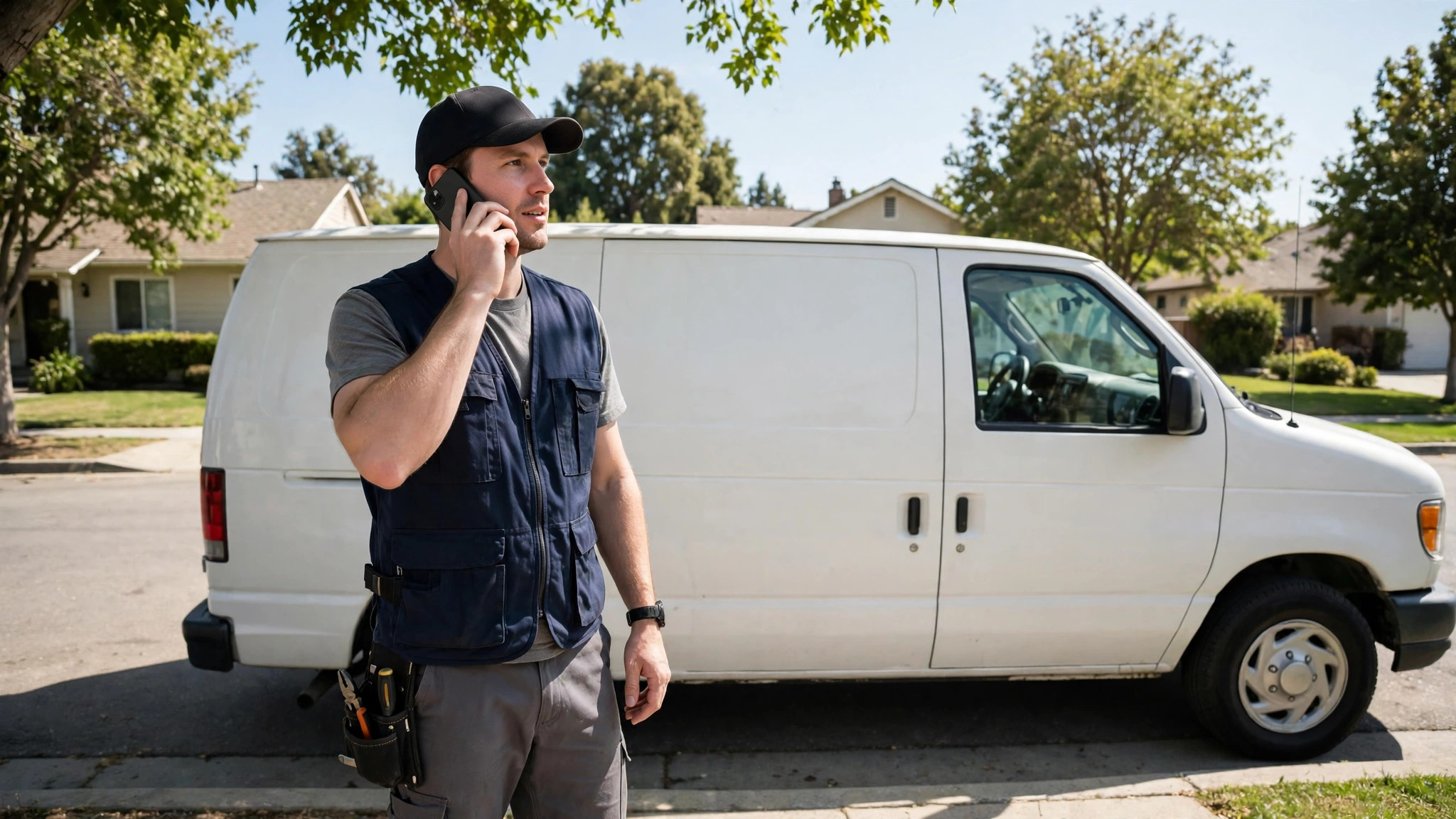
AI Voices, Human Voices, and the Caller Who Needs a Person
The best phone services in 2026 are not the ones with the most human or the most AI, but the ones that know which caller needs which. A caller booking a haircut is happy with an AI that checks the calendar, while a caller disputing a bill wants a person who can listen. The metric that matters is not how many calls the AI answers, but how many callers hang up happy. The best ai phone answering services in this guide all bill the handoff differently, so ring the number yourself before you sign.
The handoff itself needs designing. A call that moves from AI to human should carry the caller name, the reason for the call and the AI summary, so the customer never repeats the story. Test this in the trial with a real transfer, because vendors demo the AI greeting and hide the handoff, and the handoff is where callers feel the difference.
Staffing changes with the mix too. A business where AI answers half the calls does not need half the front desk, but it does need someone who can handle the hard calls and review the AI summaries. Budget for training alongside the service, because the team that treats the AI as a junior colleague rather than a replacement keeps callers longer.
Nine Moves Before You Hand Your Phones to an AI Service
Do these nine steps in order, on fifty real calls from your log, before you pay for a second month of any service in this guide.
- Count last month calls, note how long they lasted and how many needed a human.
- Convert every plan to an effective per-minute rate, and compare on your real call lengths.
- Call the service yourself, ask an awkward question, and listen to how the handoff sounds.
- Test the AI on ten real calls, and count how many it books without a human touching them.
- Ask every vendor how calls are rounded, and model the rounding on your real log.
- Set a clear rule for which calls transfer to a human immediately.
- Test the booking link on five real callers, and count how many appointments stick.
- Ask the person who answers the phones now whether the AI sounds like your business.
- Cancel the service nobody trusted twice, and pay for the one the team kept using.
Frequently Asked Questions
Which AI phone answering service is best for a small business?
Goodcall is the best first pick for a small business, because it runs from about 59 dollars a month with AI-first call handling, custom flows and appointment booking. Upfirst at about 24 dollars 95 a month is the cheaper alternative when the budget is tight.
How much does Ruby cost a business taking 100 calls a month?
Ruby costs 250 dollars a month for 50 minutes, which is 5 dollars a minute, so a hundred short calls can cost 500 dollars or more once overage and rounding are counted. A business with long calls should pick Smith.ai per-call billing instead.
Is the Smith.ai receptionist really free?
Yes, Smith.ai offers a free AI receptionist tier for 25 calls a month, with Pro at about 150 dollars a month for 75 calls. Overage costs 3 dollars a call on the free tier and 2 dollars 50 on Pro, so the free tier suits a business testing the habit.
Can an AI receptionist transfer a call to a human?
Yes, if the service offers a human handoff. Smith.ai, Abby Connect and Moneypenny all transfer calls to a live person, while Goodcall, Rosie and Upfirst are AI-only on their cheapest plans. Test the transfer with a real call before you buy.
What is the difference between per-minute and per-call billing?
Per-minute billing charges for the length of the call, so a fifteen-minute call costs far more than a two-minute one, while per-call billing charges the same whatever the length. Smith.ai bills per call, Ruby and AnswerConnect bill per minute, so long calls are cheaper on Smith.ai and short calls are cheaper on AnswerConnect.
Should a small business worry about AI answering its phones?
A small business should set a clear handoff rule, because a caller with a billing dispute who gets a confident AI answer and no way to reach a person will not call back. Let the AI book and take messages, route the hard calls to a human, and review AI summaries weekly for the first month.
Pick the Voice Your Callers Will Trust
The best phone answering service for a small business is not the one with the most features. It is the one that answers on the first ring, sounds like your business, and hands the hard calls to a human with the full story attached. Goodcall is that service for most businesses, Smith.ai is the hybrid pick, and Ruby is the choice when every caller expects a person.
Count the calls by length this week, ring the service yourself, and let the voice and the per-call cost decide the purchase. The best ai phone answering services in this guide reward the business that prices the calls on real volume first. The phone is already ringing, and every unanswered call is a customer deciding to ring someone else. The business that answers on the first ring, in its own voice, wins the customer before the competitor even picks up.