

Take a five person agency with 1,200 active policies. If one in ten of those policies renews in a given month, the team faces 120 renewal conversations, plus new quotes, endorsements and claims calls, all in the same few weeks. That workload is why this guide to the best CRM for insurance agents small business starts with arithmetic rather than a feature list. A tool that cannot surface the right renewal at the right time will cost the agency far more than its monthly subscription.
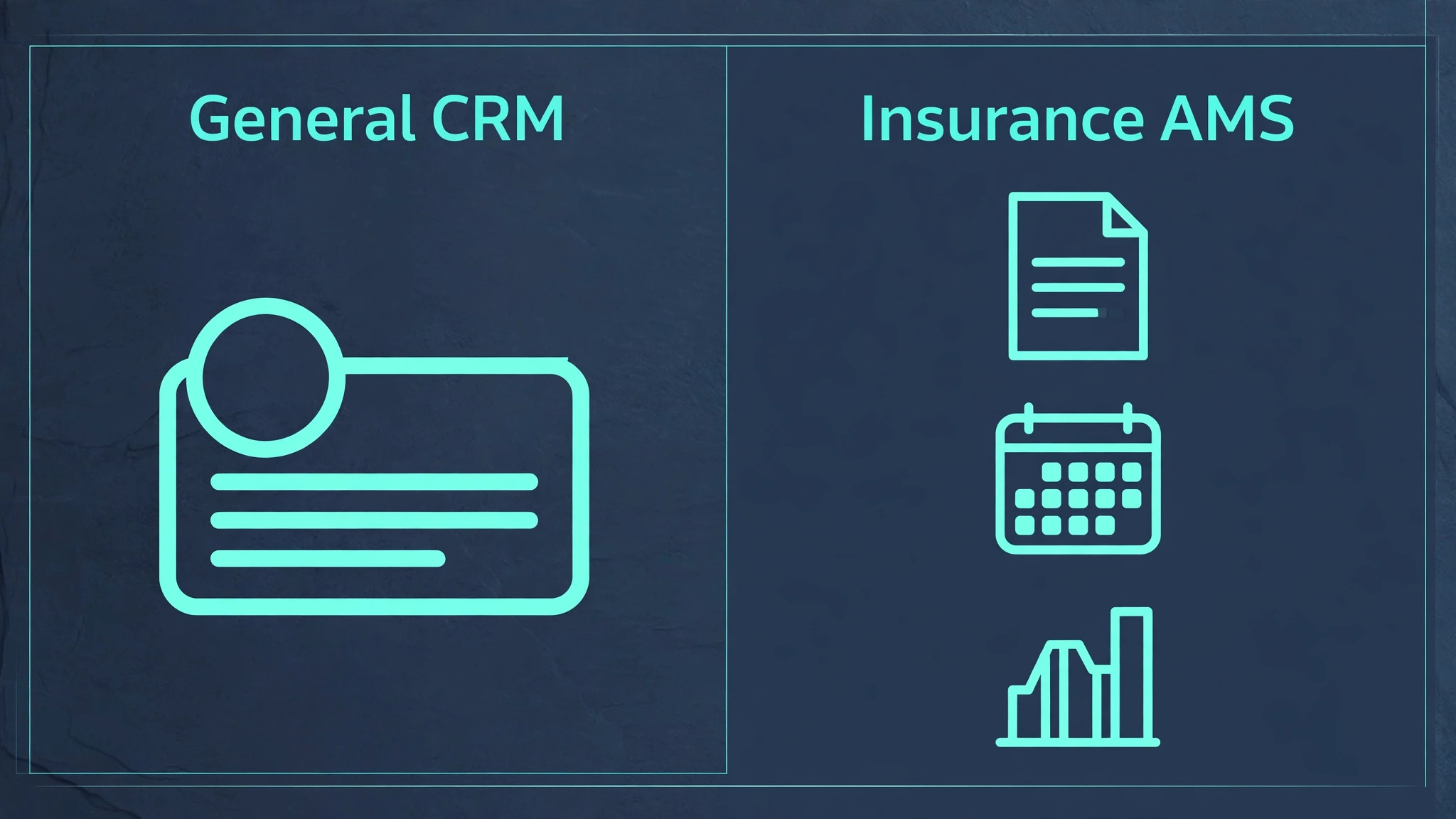
Insurance software splits into two families, and the distinction matters before any demo. A general CRM tracks contacts and deals. An insurance agency management system, often called an AMS, tracks policies, carriers, commissions and renewals as its core data. Many tools in this guide sit in the second family, while a few add insurance workflows on top of a general CRM. The right choice depends on whether the agency needs a sales engine, a system of record, or both in one place.
Prices in this guide come from vendor pages and reputable comparison listings checked at writing time. Insurance pricing changes often, and several vendors quote rather than publish a price, so treat every figure as a starting point and confirm the current price on the vendor page before buying. Where a price is reported rather than published, the text says so plainly.
The Shortlist at a Glance
| Tool | Starting price | Best for |
|---|---|---|
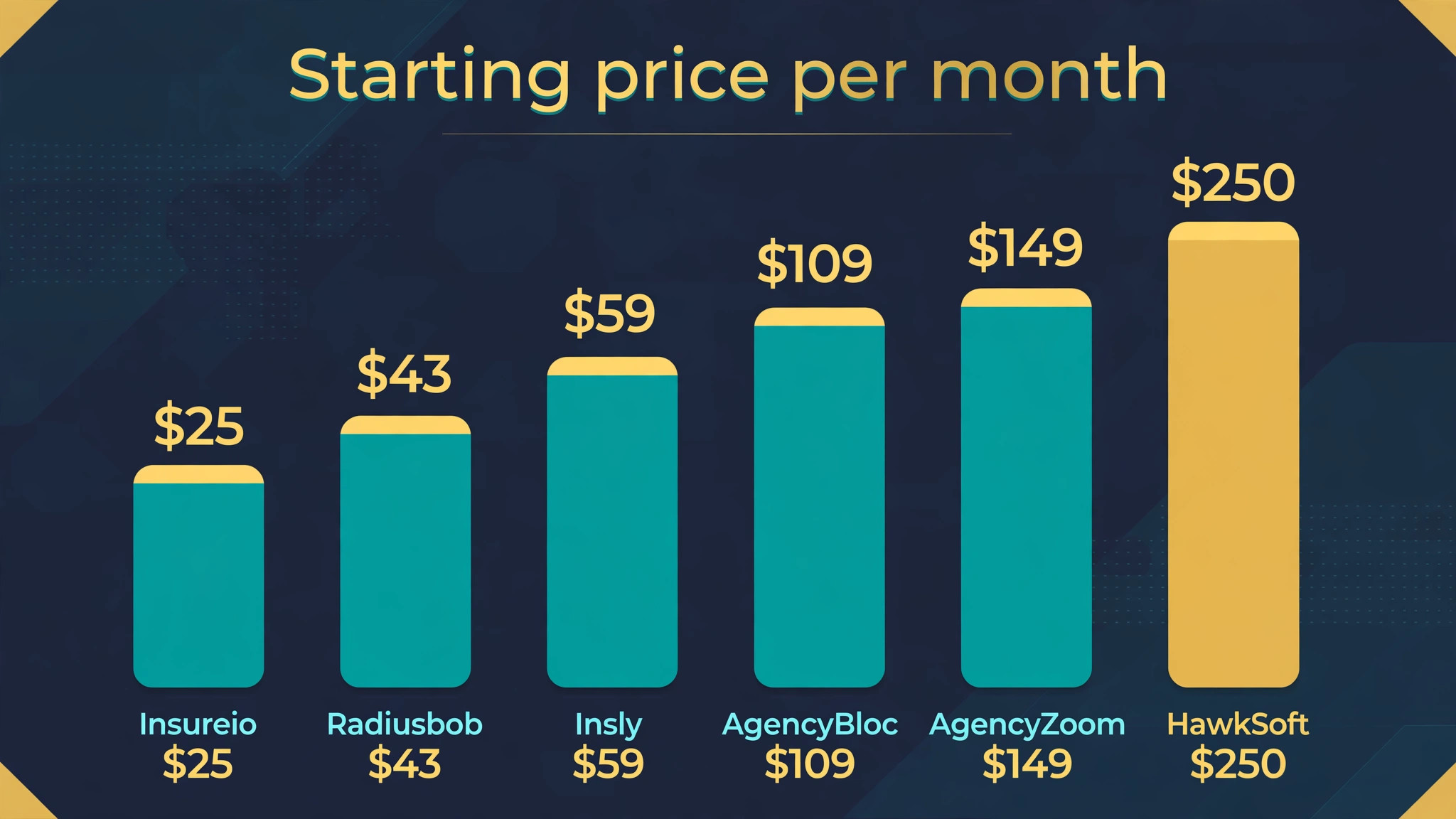
| AgencyZoom | from $149 a month flat | P and C sales and renewals |
| HawkSoft | from $250 a month reported | Established P and C agencies |
| EZLynx | from $350 a month reported | High volume personal lines quoting |
| Better Agency | priced by quote | Automation heavy P and C agencies |
| NowCerts | from $99 per user a month reported | Independent P and C agencies |
| AgencyBloc | from $109 per user a month | Life and health agencies |
| Insly | from $59 a month reported | Small agencies wanting a simple AMS |
| Radiusbob | from $43 a month reported | Life and health agents on a budget |
| Insureio | from $25 a month reported | Life agents needing quoting depth |
| Ringy | from $119 a month reported | High volume phone sales teams |
| QQCatalyst | from $129 per user a month reported | Small agencies wanting easy setup |
Read the table as a shortlist, not a ranking. A tool that looks expensive per user may be cheap for a team of eight, while a flat fee tool may be poor value for a solo agent. This best CRM for insurance agents small business comparison prices each tool at a realistic small agency size, so the comparison reflects the bill the agency will actually pay.
Why the Best CRM for Insurance Agents Small Business Is Not a General CRM
A general CRM treats a policy as a note on a contact record. An insurance tool treats the policy as the central object, with its carrier, effective date, premium, renewal date and commission attached. That structure changes daily work. When a client calls about a claim, the agent sees the policy in one screen instead of searching emails, files and a spreadsheet for the same facts.
Renewals are the second difference. In a general CRM, a renewal is a task someone must remember to create. In an insurance tool, the renewal date drives the workflow, and the system can start a review sequence 90, 60 and 30 days before expiry without manual setup for each policy. For a small agency, that automation is the difference between retaining a client and discovering the loss after the policy has lapsed.
Commissions are the third difference. Life and health agencies in particular reconcile carrier statements against expected commissions, and errors sit quietly in a spreadsheet for months. Tools built for insurance track commission splits, hierarchies and statement matching, which turns a monthly chore into a checkable report. A general CRM can be customised to do some of this, but the agency pays for that customisation in setup time and upkeep.
How to Judge an Insurance CRM
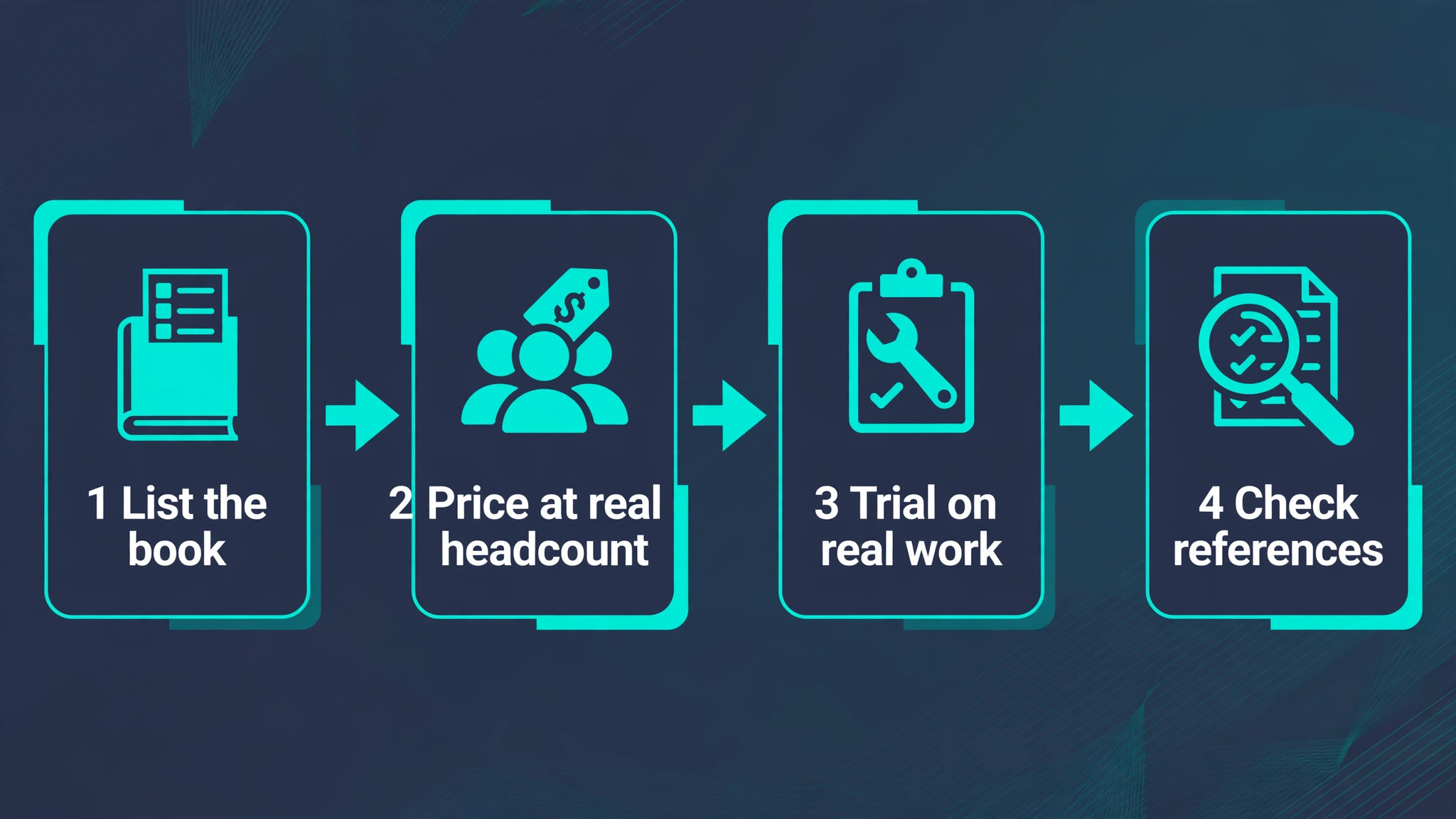
Start with the book, not the brochure. List the lines the agency writes, the number of producers and service staff, the carriers that matter most, and whether quoting, servicing or sales growth is the current bottleneck. A personal lines agency quoting home and auto all day needs a comparative rater. A life agency needs underwriting tracking and commission accuracy. A commercial agency needs certificates and endorsement workflows.
Then price the tool at real headcount and real volume. Flat fee tools favour growing teams, while per user tools punish every extra seat. Add messaging charges, dialer costs, commission module fees and carrier rating fees on top of the subscription, because those extras decide the true monthly total. Ask each vendor for a written breakdown that names every charge, not a headline monthly figure.
Finally, run a trial on real work. Import a slice of the real book, run a genuine renewal cycle, and process a real endorsement and a real commission statement. A trial with test data hides the messy parts, which are exactly the parts that will consume staff time after purchase. If the vendor will not allow a real data trial, treat that refusal as useful information when judging the best CRM for insurance agents small business for your agency.
Eleven Tools Under the Microscope
AgencyZoom
AgencyZoom is the pick for independent property and casualty agencies that want sales discipline without a full AMS replacement. It sits on top of the agency management system the agency already runs, and it adds lead pipelines, producer goals, renewal campaigns and performance dashboards. Published pricing runs from $149 to $349 a month, with each tier covering seven seats, and annual billing brings a discount.
The flat fee structure is the main attraction. A solo agent pays the same $149 base as a seven person team, which makes it pricey for one person and strong value once the team passes three or four users. The limit is the seven seat cap, since the price of an eighth seat is not published and must be confirmed with sales. Life and health agencies will also find quoting depth thinner here than on life focused tools.
Choose AgencyZoom if the agency already has an AMS and the gap is follow up, accountability and renewals. Skip it if the agency needs a system of record from scratch, or if the team is already larger than seven and the seat price is unclear.
HawkSoft
HawkSoft is the pick for established property and casualty agencies that want a full AMS with strong support. It consolidates policies, client records and communications in one system, with Agency Intelligence reporting on pipeline, retention and cross sell opportunities. Comparison listings report a starting price around $250 a month, with per user charges on top for larger teams, so confirm the full quote for the agency size.
Reviewers consistently praise its ease of use and its support team, which matters for a small agency without an IT department. The system also offers texting that meets compliance rules and e-signature integration, so client communication stays inside the record. The trade offs are tighter customisation than some rivals and occasional difficulty with third party integrations, so check any must have integration before committing.
Choose HawkSoft if the agency wants a dependable daily system and values support over deep customisation. Skip it if the book is heavily commercial and needs specialist workflows, or if the budget only stretches to a light CRM layer.
EZLynx
EZLynx is the pick for personal lines agencies where quoting volume is the business. Its comparative rater runs real time quotes across more than 300 carriers, pre fills application data from vehicle and driver records, and stores application forms in one dashboard. Comparison listings report a starting price around $350 a month, with rating and module fees varying by agency, so the quoted total depends on the modules taken.
The strength is speed at the quote stage. An agency writing home and auto all day saves real time when one entry produces many carrier quotes, and the patented retention workflow helps prioritise at risk renewals. The weaknesses are a longer implementation, weaker vendor support reports from some users, and a module structure that makes like for like price comparison difficult. Ask exactly what sits in the base system and what is billed as an addition.
Choose EZLynx if quoting speed across many carriers is the constraint on growth. Skip it if the agency is commercial heavy, or if a long rollout would disrupt a small team that needs to be live quickly.
Better Agency
Better Agency is the pick for property and casualty agencies that want automation to do the chasing. It offers more than 100 prebuilt insurance campaigns, policy tracking, producer activity reporting and marketing automation, all shaped around agency workflows. Pricing is by quote, which reflects its sales led model and makes direct comparison harder, so ask for a written quote at the agency headcount.
The appeal is campaign depth. Renewal sequences, cross sell triggers and onboarding flows arrive ready to use rather than built from scratch, which suits an agency that knows it loses business to slow follow up. The risk is the same as with any quote based tool. The final price, contract length and any onboarding fee only emerge in the sales conversation, so the agency should compare the full written offer against published price rivals before signing.
Choose Better Agency if automation is the main gap and the team will actually use the campaign library. Skip it if the agency needs a published price to budget against, or if it wants a light tool rather than a full automation platform.
NowCerts
NowCerts is the pick for independent property and casualty agencies that want a full AMS at a per user price. It covers the policy lifecycle from prospecting through renewal, with client management, document storage and workflow tools for agents and service staff. Comparison listings report a starting price around $99 per user a month, with higher tier packages quoted by the vendor, so confirm the tier that matches the agency size.
The strength is breadth at a price a small agency can model. A five person agency can multiply the per user figure and see the monthly bill without a sales call, which is rarer than it should be in this market. The trade off is that per user pricing climbs with every hire, including service staff who only need partial access, so check whether read only or limited roles cost less before counting seats.
Choose NowCerts if the agency wants a full AMS and prefers a clear per user model. Skip it if the team is growing fast and a flat fee tool would cost less at eight or ten users.
AgencyBloc
AgencyBloc is the pick for life, health and Medicare agencies, where commissions and policy lifecycle tracking decide the day. Its AMS+ Grow tier is published at $109 per user a month and covers CRM, automation, reporting and marketing, while higher tiers are quoted. Commission tracking sits in a separate volume based module, and email campaigns cost two cents per send as a usage add on.
The standout is commission reconciliation. Matching carrier statements by hand is slow and error prone, and AgencyBloc automates that matching for carrier paid structures, including splits and hierarchies. The system also handles renewal reminders and Medicare enrolment pipelines, which fit the life and health calendar. The weaknesses are price at scale, since every seat costs the full rate, and an interface some reviewers describe as dated.
Choose AgencyBloc if commissions accuracy and life and health workflows are the core problem. Skip it for a property and casualty only agency, where a P and C focused tool will fit better for the same money.
Insly
Insly is the pick for small agencies that want a simple cloud AMS without a heavy rollout. It covers quotes and estimates, document storage, claims tracking, lead and contact management, policy management and commission and billing basics. Comparison listings report a starting price around $59 a month, with a free trial available, so confirm the current tier structure on the vendor page.
The appeal is simplicity. A small team can move from spreadsheets to a real system of record without hiring a consultant or spending weeks on setup, and the cloud model keeps access simple for remote staff. The limit is depth. Agencies with complex commercial books, heavy automation needs or large producer teams will outgrow it sooner than they would a full AMS, so treat it as a strong starting system rather than a forever system.
Choose Insly if the agency is small, wants a quick move off spreadsheets, and values simplicity over depth. Skip it if the book is complex or the agency plans rapid hiring that would soon demand a larger platform.
Radiusbob
Radiusbob is the pick for budget conscious life and health agents who need an insurance native CRM at a low entry price. Comparison listings report a CRM only price around $43 a month, which makes it one of the cheapest insurance native options in this guide. It covers lead management and client records with customisation options, and it is built for insurance workflows rather than adapted from a general sales tool.
The strength is the price to value ratio for a solo agent or a very small team. A new agent can run a real pipeline, track follow ups and keep client records in one place for less than the cost of a single lost sale. The limit is scope. It is a CRM layer rather than a full AMS, so policy servicing depth, commission reconciliation and carrier downloads may still need a companion system as the book grows.
Choose Radiusbob if budget is tight and the main gap is lead and client follow up. Skip it if the agency needs full policy servicing and commission handling in one system from day one.
Insureio
Insureio is the pick for life agents who need quoting depth rather than a general pipeline. Its quoting engine pulls real time rates from major life carriers, handles underwriting class adjustments, and tracks a case from application through underwriting review to binding. Comparison listings report a starting price around $25 a month, with fuller pricing reported in a range up to about $85 per user, so confirm the tier that includes the carriers the agency writes.
The strength is case tracking across a long sales cycle. Life cases often take 30 to 90 days from quote to bind, and Insureio keeps underwriting status, requirements and carrier communication attached to the case instead of scattered across email. The limit is focus. Property and casualty agencies will find it narrow, and a general agency writing many lines may need a second system for the rest of the book.
Choose Insureio if life quoting and case management drive revenue. Skip it if the agency writes mainly property and casualty, where a rater led AMS will serve better.
Ringy
Ringy is the pick for high volume phone sales teams that live on calls. It pairs a CRM with a built in power dialer, so agents can work call lists, log outcomes and trigger follow ups without switching tools. Comparison listings report a starting price around $119 a month plus dialer costs, so confirm what the dialer charge covers before comparing it with a CRM only price.
The strength is speed on the phone. A team running outbound campaigns or inbound lead response will feel the difference between a CRM that records calls and a CRM that drives the calling itself. The limit is breadth. Servicing depth, commission reconciliation and carrier integration are thinner than on a full AMS, so Ringy fits best as a sales front end or for a sales led agency rather than as the sole system of record.
Choose Ringy if call volume is the bottleneck and the dialer is used every day. Skip it if servicing and policy administration are the main workload, where an AMS will carry more weight.
QQCatalyst
QQCatalyst is the pick for small agencies that want an easy to learn system for daily client management. It covers the client lifecycle from prospecting through renewal, with client profiles, document storage, policy tracking and customisable workflows. Comparison listings report a starting price around $129 per user a month, which is high for a small team, so weigh it against the flat fee rivals before deciding.
The strength is the learning curve. New agents can pick it up quickly without long training, and the broad operational toolkit covers most daily tasks in one place. The weaknesses are the absence of built in invoicing and a limit on handling multiple application forms at once, which slows agencies that process forms in bulk. Check both points against the agency workflow during a trial.
Choose QQCatalyst if ease of use and a broad daily toolkit matter most for a small team. Skip it if invoicing inside the system is essential, or if per user pricing at this level makes a flat fee rival cheaper at the same headcount.
The Best Pick by Job for Solo Agents and Small Agencies
| Job | Best pick | Why it wins |
|---|---|---|
| Solo agent starting out | Radiusbob | Lowest insurance native entry price |
| Solo life agent | Insureio | Quoting depth across a long case cycle |
| Small P and C agency | AgencyZoom | Flat fee value once the team grows |
| Small life and health agency | AgencyBloc | Commission accuracy built in |
| High volume quoting agency | EZLynx | Carrier breadth and rating speed |
| Phone led sales team | Ringy | Dialer built into the daily workflow |
| Agency needing a full AMS | HawkSoft | Dependable system with strong support |
Use the table to narrow the field to two finalists, then trial both on real work. A best pick table in a best CRM for insurance agents small business guide is a starting point, not a substitute for a trial, because the feel of the daily workflow only shows up when the team uses the tool under real pressure.
Renewal Tracking Compared Across the Shortlist
| Tool | Renewal workflow | Commission tracking | Quoting strength |
|---|---|---|---|
| AgencyZoom | 90 60 and 30 day campaigns | Producer reporting | Moderate |
| HawkSoft | Policy driven reminders | Reporting included | Moderate |
| EZLynx | At risk renewal prioritisation | Basic reporting | Very strong |
| Better Agency | Prebuilt campaign library | Producer tracking | Strong |
| NowCerts | Lifecycle renewal tasks | Workflow based | Moderate |
| AgencyBloc | Renewal and enrolment pipelines | Dedicated module | Life focused |
| Insly | Policy date reminders | Basic billing | Basic |
| Radiusbob | Follow up tasks | Basic | Life focused |
| Insureio | Case stage tracking | Case based | Very strong for life |
| Ringy | Call based follow up | Sales reporting | Sales focused |
| QQCatalyst | Lifecycle renewal workflows | Basic | Moderate |
Read the renewal column first if retention is the problem. An agency losing clients at renewal needs a system that starts the conversation early, not a system that only records the loss afterwards. That early start is the core test in any best CRM for insurance agents small business shortlist. Read the commission column first if statement reconciliation eats staff time every month, because that pain grows with the book.
Trial Mistakes That Waste a Small Agency Budget
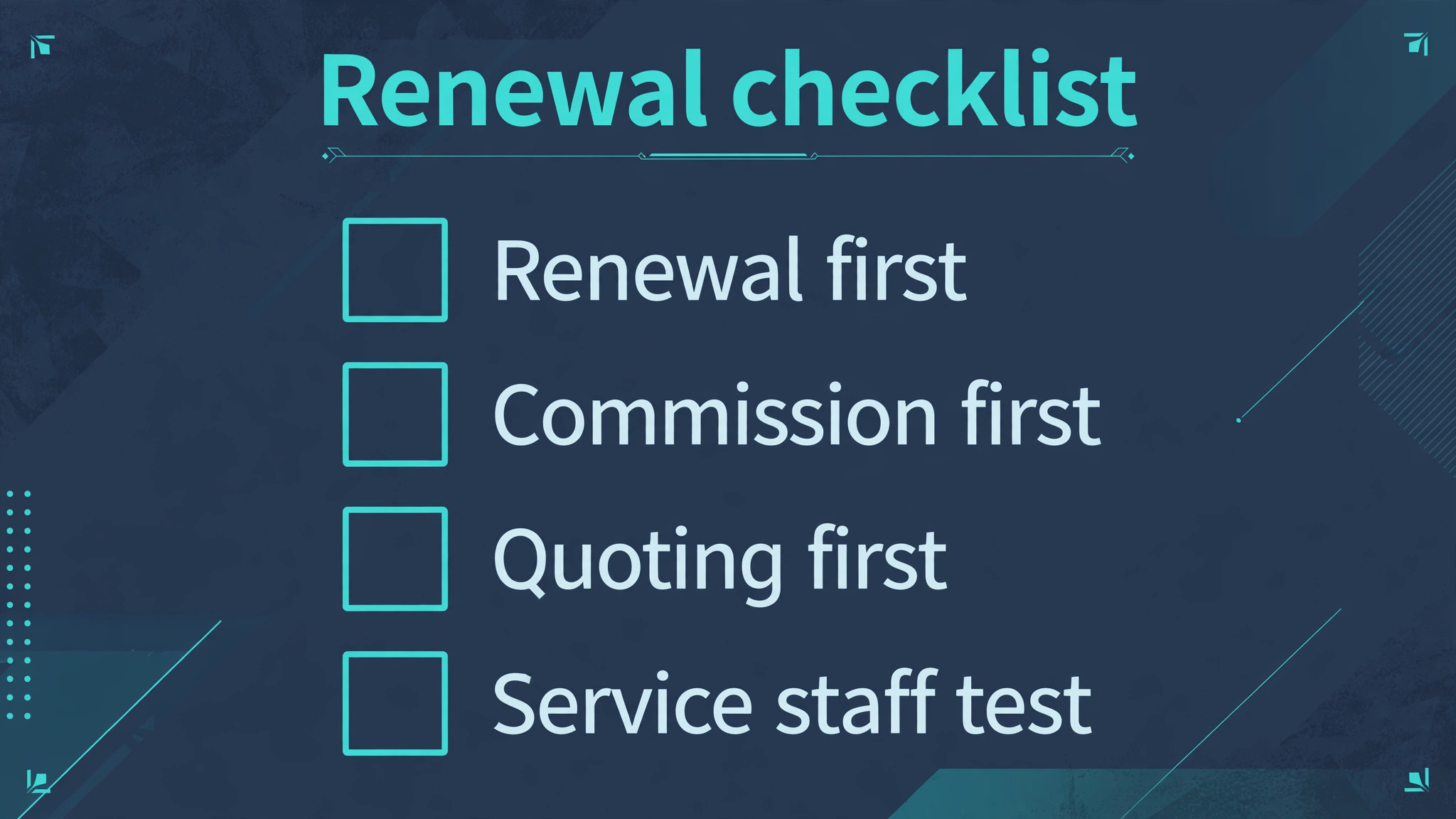
The most common mistake is trialling with test data. A demo book with ten clean policies hides duplicate clients, missing carrier downloads and messy commission statements, which are the exact problems the new tool must solve. Import a real slice of the book, including the awkward cases, and judge the tool on those.
The second mistake is letting one enthusiastic producer choose for the whole agency. Service staff live in the system all day, and a tool they find slow or confusing will be worked around, which recreates the spreadsheet problem inside a paid subscription. Give service staff a real week in the trial and weight their feedback heavily.
The third mistake is ignoring the exit. Ask how data exports work, what format policies and documents leave in, and what happens to carrier download history if the agency leaves. A tool that locks the book inside its own format creates a switching cost that grows every year, so the exit terms deserve the same attention as the entry price.
The fourth mistake is signing an annual contract before the renewal cycle has been tested. A tool can look good for new business and fail at renewals, which only appear over time. If the vendor will not offer a monthly start or a renewal cycle trial, negotiate a shorter initial term and a clear renewal review point.

A Practical Buying Sequence for a Small Agency
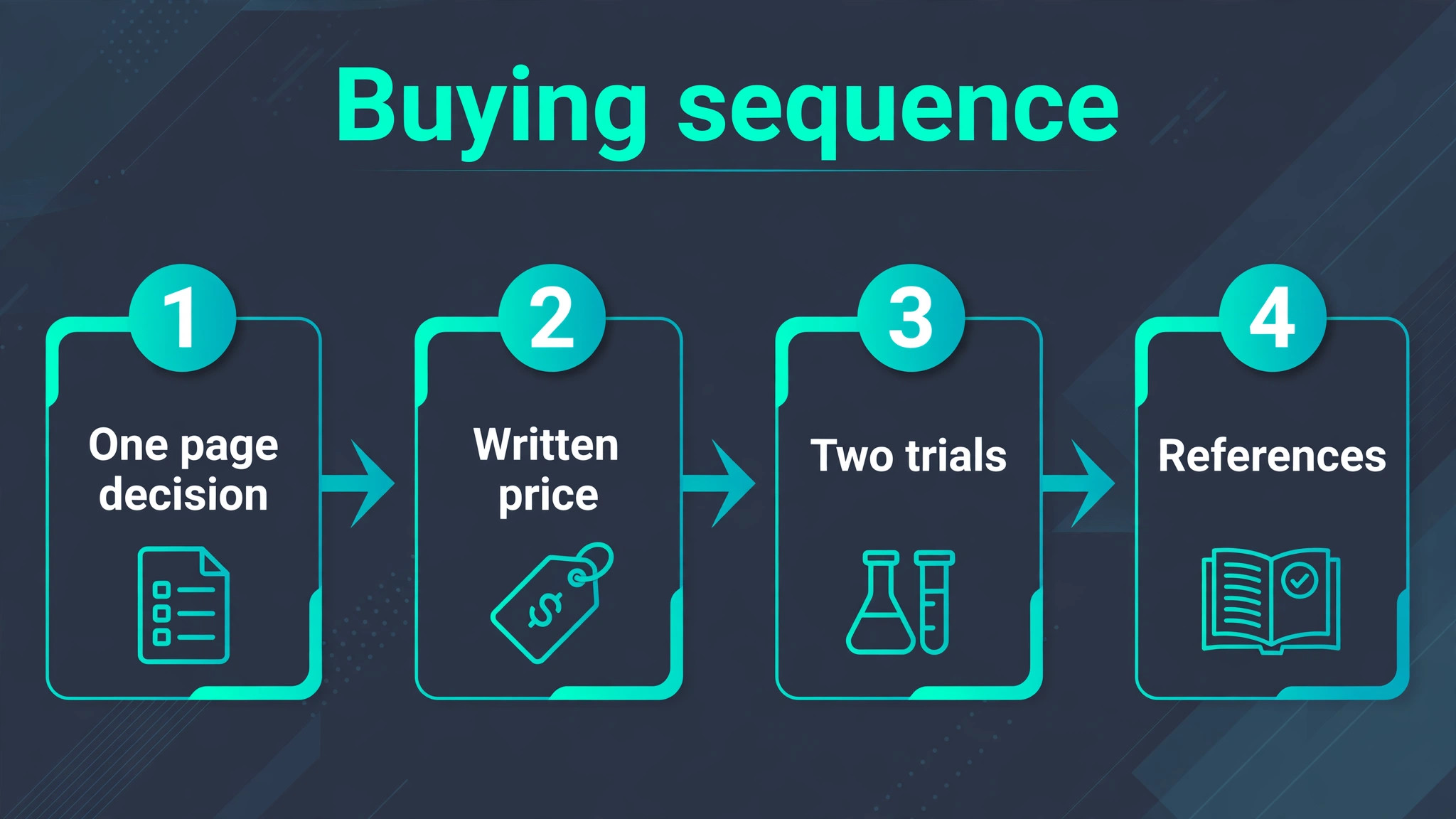
Start by writing the decision on one page. Name the lines written, the team size now and in twelve months, the three daily jobs the tool must handle, and the maximum monthly total including extras. That page stops the demo from resetting the criteria for the best CRM for insurance agents small business, because every vendor demo is designed to make its own strengths feel like the criteria.
Next, shortlist three tools from the table in this guide and request a written price for the agency size, including messaging, dialer, commission and rating charges. Compare the written totals, not the headline rates, and ask each vendor to confirm the seat model in writing, including whether limited or read only roles cost less.
Then trial two finalists for a real working week each, with the same renewal and servicing tasks in both. Score speed, clarity and support response, not feature count, because a feature the team never uses is not a benefit. Finally, check references from agencies of a similar size and line mix, and ask those references what broke in the first ninety days.
Our Final Verdict on the Insurance CRM Shortlist
For most small property and casualty agencies, AgencyZoom paired with an existing AMS is the strongest starting point, because its flat fee rewards growth and its renewal campaigns attack the most expensive leak in the book. For a small agency that still needs a system of record, HawkSoft is the safer full AMS choice, with support that small teams actually reach. For life and health agencies, AgencyBloc remains the default, because commission accuracy pays for itself once the book passes a modest size.
Solo agents should start cheaper and simpler. Radiusbob covers follow up at a price that does not punish a small book, while Insureio suits a life agent whose quoting depth drives income. Either choice leaves room to upgrade later, which matters more than picking a forever system at the start. The wrong move is buying the biggest system first and hoping the agency grows into it, because the cost arrives now and the growth may not.
Whatever the choice, judge it after ninety days on three numbers. Renewal retention against the previous year, time spent on commission reconciliation, and the share of follow ups completed on time. If those three numbers do not improve, the best CRM for insurance agents small business you chose is not working, however good the demo looked. That discipline is what turns a software purchase into a business improvement, and it is the standard this guide recommends for every agency in the shortlist.

More Reading on Stratilyze
For a related comparison, read how a small law firm should choose case management software and what small landlords should look for in property management software. For a different client service model, see practice management software for therapists.
Frequently Asked Questions
What is the difference between an insurance CRM and an AMS
An insurance CRM focuses on leads, pipelines and follow up, while an AMS acts as the system of record for policies, carriers, commissions and renewals. Many small agencies need both functions, and several tools in this guide combine them, so check whether the tool covers servicing and commissions or only sales before buying.
How much should a small insurance agency budget for a CRM
A solo agent can start from around $43 to $59 a month on a light insurance native tool, while a small team on a full AMS should budget from around $149 to $350 a month before extras. Add messaging, dialer, commission and rating charges to the subscription, and price the total at real headcount rather than comparing headline rates alone.
Is AgencyZoom a full agency management system
No, AgencyZoom is a CRM and sales automation layer that sits on top of an existing AMS, rather than replacing it. That design suits an agency that already has a system of record and needs better pipelines, producer accountability and renewal campaigns, but it is not the right pick for an agency starting from scratch.
Which insurance CRM is best for life and health agencies
AgencyBloc is the strongest fit for most life and health agencies, because it tracks the policy lifecycle, Medicare enrolment pipelines and commission reconciliation in one system. Insureio suits life agents who need deeper quoting, while Radiusbob offers a lower cost starting point for a solo life or health agent.
Can a small agency start on a general CRM instead
A general CRM can work for a solo agent with a small book, but it requires manual setup for renewal dates, policy objects and commission tracking, and that setup grows harder as the book grows. Most agencies save time by moving to an insurance native tool once renewals and servicing become a daily workload rather than an occasional task.
What should an agency check before signing an annual contract
Check the seat model, the cost of messaging and add on modules, the data export format, and what happens to carrier download history on exit. Run a trial on real book data, test a full renewal cycle, and confirm the total written price at the agency headcount before committing to a year.