

Intercom Fin is the best ai agents for ecommerce pick for most stores, because it resolves support chats end to end at 0.99 dollars per outcome, with a native human handoff and 45 plus languages. Gorgias is the pick for Shopify brands that want the agent inside their help desk, and Zendesk AI is the pick for enterprise stores already on Zendesk. The ten tools below compare price per resolution, Shopify depth and what the agent can actually do, so a store can buy the agent that cuts tickets without cutting customers.
An ecommerce AI agent is not a chatbot that answers FAQs. It checks an order, starts a return, changes an address, applies a refund and escalates to a human when the answer is unclear, all inside the chat. A store that buys an agent which only deflects questions will watch its customers leave for a rival that answers them.
The buying problem is the billing unit. Fin charges per outcome, Zendesk charges per automated resolution, Gorgias charges per automated interaction, and Ada, Sierra and Drift publish no price at all. A store doing 1,000 resolutions a month pays 990 dollars on Fin, about 1,500 dollars on Zendesk committed pricing, and about 900 dollars on Gorgias annual pricing, before seat fees. This guide prices the same volume on every tool so the comparison is honest.
The 10 Tools at a Glance
| Tool | Main job | Best for | Starting price |
|---|---|---|---|
| Intercom Fin | AI resolution agent | Most ecommerce stores | 0.99 dollars per outcome |
| Zendesk AI | AI agents inside Zendesk | Enterprise Zendesk stores | 55 dollars per agent a month |
| Gorgias | AI agent inside a Shopify help desk | Shopify DTC brands | 10 dollars a month |
| Ada | No-code enterprise automation | High-volume global brands | Quote-based |
| Sierra | Enterprise conversational AI | Large brands, voice and chat | Quote-based |
| Drift | Conversational sales and support | B2B ecommerce, sales-led | Quote-based |
| Tidio | Lyro AI for small stores | Small stores on a budget | 29 dollars a month |
| Chatfuel | AI chat for social and web | Social-first stores | 19 dollars a month |
| Rep AI | AI sales concierge for Shopify | Shopify conversion | Quote-based |
| Octane AI | AI quizzes and chat for Shopify | Shopify guided selling | 50 dollars a month |
Best Pick by Job
| Job type | First pick | Second tool | Why this pair works |
|---|---|---|---|
| High-volume support | Intercom Fin | Zendesk AI | Fin resolves cheapest, Zendesk fits Zendesk shops |
| Shopify DTC brand | Gorgias | Rep AI | Gorgias handles support, Rep AI sells |
| Small store, tight budget | Tidio | Chatfuel | Tidio is flat priced, Chatfuel covers social |
| Enterprise, many channels | Ada | Sierra | Ada is no-code at scale, Sierra adds voice |
| Guided selling on Shopify | Octane AI | Rep AI | Octane quizzes, Rep AI converses |
A store doing 500 support chats a month should start with Fin. The agent runs inside Intercom, with Essential seats from 29 dollars a seat a month, and charges 0.99 dollars per outcome on committed pricing, with a 49 dollar monthly minimum including 50 outcomes off Intercom. Fin also runs on Zendesk, Salesforce, HubSpot, Freshdesk and other help desks without Intercom seats, which is why it leads this guide.
A Shopify brand should start with Gorgias instead. The help desk with AI Agent starts from 10 dollars a month for Starter, and the AI Agent costs about 0.90 dollars per resolved interaction on annual plans, or 1 dollar on monthly billing, plus help desk ticket costs. The agent takes real actions in Shopify, orders, returns, refunds and subscription edits, which is the difference between an agent and a chatbot.
Which AI Agent Is Best for a Shopify Store?
Gorgias is the best pick for a Shopify store, because the AI Agent lives inside the help desk the brand already uses, reads Shopify order data directly, and resolves tickets by taking action, not by sending a link. A customer who asks where an order is gets the tracking, a customer who wants a return gets the return started, and a customer who wants a refund gets it processed, all without a human touching the ticket.
Rep AI is the better pick when the job is selling, not support. The AI sales concierge greets shoppers, answers product questions, recommends items and recovers carts, which lifts conversion rather than cutting tickets. The pricing is quote-based and set per store, so the budget conversation needs a sales call, but the return is measured in sales, not in tickets resolved.
Octane AI is the third option for guided selling. The AI quizzes ask shoppers a few questions and recommend the right product, which suits a store with a wide catalogue where shoppers do not know what to buy. The entry plan is reported from 50 dollars a month. It suits stores where the problem is choice, not support volume.
How to Choose the Best AI Agents for Ecommerce
Start with the help desk the store already runs. A store on Intercom should buy Fin, a store on Zendesk should buy Zendesk AI, and a store on Shopify should buy Gorgias, because the agent that lives inside the existing system needs no migration and no new training. The best ai agents for ecommerce are the ones that fit the stack, because an agent that needs a new help desk costs more in migration than in licences.
Next, check what the agent can do, not just what it can say. Fin completes handoffs through Procedures, Gorgias processes returns and refunds in Shopify, and Yuma-style agents complete order actions in the store tools. An agent that can only answer questions will deflect, not resolve, and the resolution rate will show it within a month.
Then price the same volume on every tool. A store doing 1,000 resolutions a month pays 990 dollars on Fin, about 1,500 dollars on Zendesk committed pricing, and about 900 dollars on Gorgias annual pricing, before seats. Finally, check the handoff, because every agent makes mistakes, and the agent that hands over with full context keeps the customer, while the agent that restarts the conversation loses them.
The 10 Tools in Detail
The ten tools below cover native help desk agents, cross-platform agents and Shopify sales agents. Each one is judged on price per resolution, action depth, Shopify fit and handoff quality, so this roundup of the best ai agents for ecommerce stays honest about what each agent actually does.
1. Intercom Fin
Fin is the AI resolution agent from Intercom, and it charges 0.99 dollars per outcome on committed pricing, with a 49 dollar monthly minimum including 50 outcomes when used off Intercom. Intercom help desk seats are separate, with Essential from 29 dollars a seat a month, Advanced at 85 dollars and Expert at 132 dollars on annual billing. A 14-day trial is available, and the vendor says setup takes under an hour.
The resolution model is the strength. Fin reads the approved support knowledge, resolves chats end to end, follows Procedures to complete handoffs, and charges only when it resolves or completes a handoff, not when a conversation simply passes to the team. It works in 45 plus languages, covers chat, email, WhatsApp, SMS, social and Slack, and runs on Zendesk, Salesforce, HubSpot, Freshdesk, Front, Gorgias, Zoho and other help desks without Intercom seats.
The drawback is the volume cost. At 1,000 resolutions a month, Fin costs 990 dollars before seat fees, which adds up fast for a busy store, and the per-outcome price is the whole model, so there is no flat-rate safety net. It suits most ecommerce stores that want the best resolution agent available. Start with a 500-outcome test month, measure the resolution rate, and only commit when the rate holds.
2. Zendesk AI
Zendesk AI Agents are the AI agents inside the Zendesk Suite, and they are included in every Suite and Support plan, starting with Suite Team at 55 dollars per agent a month billed annually. The plan includes 5 automated resolutions per agent a month, then about 1.50 dollars each on committed pricing or 2 dollars each pay-as-you-go. The billing model changed in January 2026 to enable automatic billing for resolutions above a committed volume, which surprised some customers who had not modelled the overage.
The native fit is the strength. A store already on Zendesk gets intent detection, routing, omnichannel triage, summarisation and audit-ready workflows without a new system, and the agent hands over to a Zendesk agent or group with context. The platform is proven at enterprise scale, with a long history in support.
The drawback is the layered price. Seats plus per-resolution fees plus overage billing make forecasting hard, and the per-resolution cost is the highest in this guide at 1.50 to 2 dollars. It suits enterprise stores already standardised on Zendesk. Ask for a written quote on the expected resolution volume, and model the overage before signing.
3. Gorgias
Gorgias is the help desk built for ecommerce brands on Shopify, Magento and WooCommerce, and its AI Agent resolves tickets by taking real actions. The help desk starts from 10 dollars a month for Starter, with 50 tickets included, and the AI Agent costs about 0.90 dollars per resolved interaction on annual plans, or 1 dollar on monthly billing, plus the help desk ticket cost. Each automated interaction also counts as a help desk ticket.
The Shopify depth is the strength. The agent looks up orders, checks shipping, starts returns, processes refunds and edits subscriptions inside Shopify, which is the work that actually resolves a ticket. The unified inbox covers email, chat, SMS and social, so the whole customer conversation lives in one place.
The limit is the platform. Gorgias is the help desk, so choosing it means moving help desks, and the value is Shopify-specific, which matters less for a store on another platform. It suits Shopify DTC brands that want support and sales in one system. Start on Starter, measure the AI resolution rate for a month, and move up when the ticket volume grows.
4. Ada
Ada is a no-code enterprise automation platform for high-volume global brands, covering voice, email, chat and messaging with multilingual automation in 50 plus languages. It offers a no-code builder, deep knowledge ingestion and enterprise security, and it is built for brands that automate thousands of conversations a month. Pricing is quote-based, with reported contracts from about 30,000 dollars a year and per-conversation costs reported near 3.50 dollars.
The no-code builder is the strength. A team without engineers can build, test and improve automations, and the multilingual depth suits a global store that serves customers in many languages. The knowledge ingestion handles large support libraries, which is what an enterprise needs.
The drawback is price and setup. The quote-only model and the enterprise sales cycle make Ada a poor fit for a small store, and the setup work for the knowledge base is significant. It suits high-volume enterprises with a global customer base. Ask for a quote tied to the conversation volume, and compare the per-resolution cost against Fin before signing.
5. Sierra
Sierra is an enterprise conversational AI platform for large brands, covering chat and voice with deep workflows and human handoff. It is built for companies that want an AI agent as a core part of the customer experience, with strong design, safety and measurement. Pricing is quote-based, with no published rates.
The enterprise focus is the strength. Sierra builds agents that feel like the brand, handle complex multi-step conversations and hand over to humans gracefully, which suits a large store where the agent is the front door. The voice capability adds phone support, which most tools in this guide do not cover well.
The limit is access. A small or mid-size store will find the sales process heavy and the price high, and the platform is built for brands with the volume to justify it. It suits large ecommerce brands with a serious AI investment. Ask for a demo built around the store’s top ten customer questions, and compare the resolution rate against Fin before committing.
6. Drift
Drift is a conversational sales and support platform, now part of Salesloft, built for sales-led ecommerce and B2B stores. It covers chat, conversational marketing, lead qualification and support, with AI that routes buyers to the right conversation. Pricing is quote-based, with no published rates.
The sales focus is the strength. A store that sells high-value products through conversation will get more from Drift than from a support-only agent, because the platform qualifies buyers, books meetings and hands over to sales. The chat experience is polished, and the routing is smart.
The drawback is the support depth. Drift is a sales tool first, so a store that needs order tracking, returns and refunds will find less here than in Gorgias or Fin. It suits sales-led ecommerce brands. Ask for a quote tied to the conversation volume, and test the sales routing on real buyer chats before buying.
7. Tidio
Tidio is the AI chatbot platform for small ecommerce stores, with Lyro AI as its resolution agent, and paid plans start from 29 dollars a month. The free plan covers 50 conversations, and the platform includes live chat, chatbots, email marketing and help desk tools in one system. The flat pricing is the difference from the per-resolution tools in this guide.
The price is the strength. A small store can run AI chat for 29 dollars a month with predictable costs, which beats a per-resolution bill that grows with every customer. The setup is fast, the interface is simple, and the Shopify and WooCommerce integrations are solid.
The limit is depth. Lyro AI handles common questions well, but it cannot match Fin or Gorgias on complex order actions, and the resolution rate is lower on hard tickets. It suits small stores on a budget that need AI chat now. Start on the paid plan, measure the resolution rate for a month, and move up only when the volume proves the tool works.
8. Chatfuel
Chatfuel is an AI chat platform for social-first stores, covering Facebook Messenger, Instagram, WhatsApp and web chat, with AI agents that answer questions, take orders and recover carts. The entry plan is reported from 19 dollars a month, which makes it one of the cheapest paid starts in this guide.
The social depth is the strength. A store that sells through Instagram and Facebook needs an agent that lives where the customers are, and Chatfuel is built for that. The bot builder is visual, the setup is fast, and the social integrations are deeper than the help desk tools.
The drawback is the help desk gap. Chatfuel is a chat tool, not a full help desk, so a store that needs ticketing, email and voice will need a second system. It suits social-first stores that sell through DMs. Start on the entry plan, measure the DM resolution rate, and pair it with a help desk when the ticket volume grows.
9. Rep AI
Rep AI is an AI sales concierge for Shopify stores, and it greets shoppers, answers product questions, recommends items, handles objections and recovers carts in real time. The agent is built to sell, not to support, and it works on the storefront rather than in the help desk. Pricing is quote-based and set per store.
The sales focus is the strength. A store with a wide catalogue and shoppers who do not know what to buy will see Rep AI lift conversion, because the agent guides the shopper to the right product instead of leaving them to browse. The concierge feels like a shop assistant, which suits a brand that sells on service.
The limit is the support gap. Rep AI does not handle returns, refunds or order tracking, so a store still needs Gorgias or Fin for support. It suits Shopify stores where conversion is the bottleneck. Ask for a quote tied to the store revenue, and measure the conversion lift for a month before committing.
10. Octane AI
Octane AI is an AI quiz and chat platform for Shopify stores, covering guided selling through quizzes, product recommendations and conversational commerce. The entry plan is reported from 50 dollars a month, and the platform integrates with Shopify, Klaviyo and the major email tools.
The quiz is the strength. A shopper who answers a few questions gets a product recommendation that fits, which lifts conversion on stores with many similar products, such as skincare, supplements and apparel. The quiz data also feeds the email marketing, so the store can follow up with the right offer.
The drawback is scope. Octane AI is a guided selling tool, not a support agent, so it does not resolve tickets or handle orders. It suits Shopify stores where choice is the problem. Start on the entry plan, run the quiz on the top category for a month, and measure the conversion lift before adding more quizzes.
Intercom Fin vs Gorgias: Resolution Cost Against Shopify Depth
The first difference is the billing unit. Fin charges 0.99 dollars per outcome, with seats from 29 dollars a month, and works across help desks. Gorgias charges about 0.90 dollars per resolved interaction on annual plans, with the help desk from 10 dollars a month, and works inside its own help desk. At 1,000 resolutions a month, Fin costs 990 dollars before seats, and Gorgias costs about 900 dollars plus ticket costs.
The second difference is the action depth. Fin completes handoffs through Procedures and resolves across channels, while Gorgias takes real actions in Shopify, orders, returns, refunds and subscription edits. A store that needs Shopify actions should weigh Gorgias more heavily, and a store that needs cross-platform resolution should weigh Fin more heavily.
The deciding factor is the store. A Shopify DTC brand should take Gorgias. A store on Intercom, Zendesk or another help desk should take Fin. That split is the cleanest way to read the best ai agents for ecommerce when the choice narrows to two, and a large store with both needs should own both, with Gorgias on the storefront and Fin on the help desk.
What Does an AI Agent Cost a Store Doing 1,000 Chats a Month?
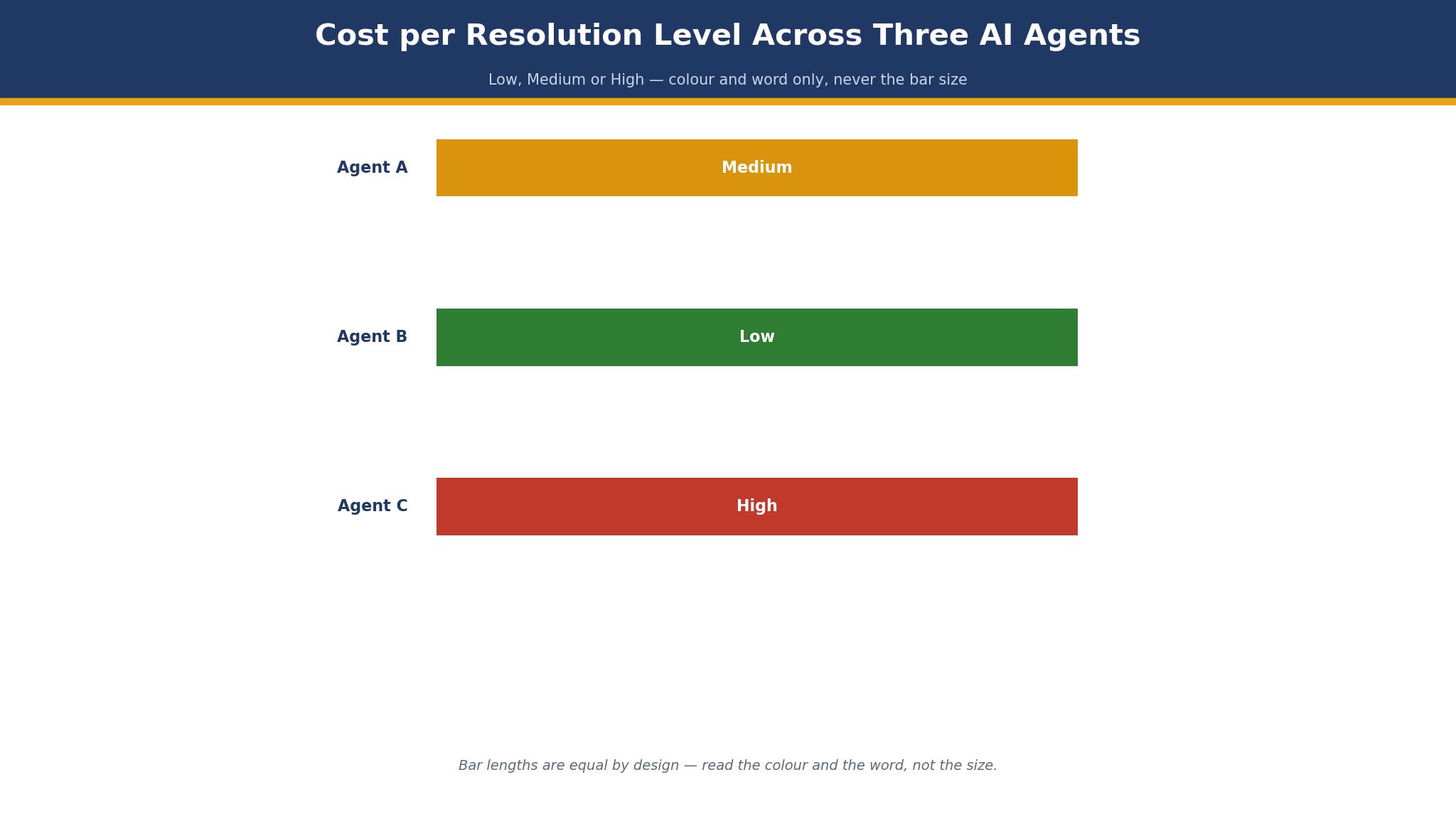
The monthly cost at 1,000 resolutions runs from 29 dollars to about 2,000 dollars in this guide. Tidio at 29 dollars a month is the cheapest, with flat pricing and no per-resolution fee. Chatfuel at a reported 19 dollars a month is cheaper still for social chats, though it is not a full help desk. Gorgias at about 0.90 dollars per interaction costs about 900 dollars plus ticket costs. Fin at 0.99 dollars per outcome costs 990 dollars plus seats. Zendesk at 1.50 dollars committed costs about 1,500 dollars plus seats. Ada, Sierra, Drift and Rep AI are quote-based and sit above the published tools.
The number that matters is cost per resolution that sticks. An agent that resolves 60 percent of chats at 0.99 dollars each costs less than an agent that resolves 40 percent at 0.90 dollars each, because the unresolved chats still need a human. A store should measure the resolution rate first and the price second, because the rate decides the real cost.
The honest way to budget is to run a 500-resolution test month on two tools, measure the resolution rate and the customer satisfaction, and price the winner at the real volume. A tool that looks cheap on the pricing page and resolves nothing is the most expensive tool in the guide. That is the discipline the best ai agents for ecommerce rewards, because the resolution rate, not the per-unit price, decides the bill.
Can a Small Store Afford an AI Agent?
Yes, and the path is flat pricing. Tidio at 29 dollars a month covers AI chat with Lyro, and the free plan covers 50 conversations for a store just starting out. Chatfuel at a reported 19 dollars a month covers social chats. A small store doing a hundred chats a month can run AI support for less than a dollar a chat, which is cheaper than hiring anyone.
The second path is to start with the free tier and grow. Tidio free covers 50 conversations, Fin offers a 14-day trial, and Gorgias Starter costs 10 dollars a month. A store that tests the agent on real chats for a month will know the resolution rate before it pays anything serious.
The third path is to use the agent only where it wins. Let the agent handle order tracking, returns and FAQs, and keep humans on the complaints and the complex cases. A store that automates the easy half of its chats cuts its support cost in half, and a store that tries to automate everything will frustrate its customers. That is how a small store affords an agent without losing its customers.
A 30-Day AI Agent Launch Plan for a Store
Days one to seven are the knowledge. Gather the top fifty customer questions, write the approved answers, and load them into the agent. An agent that answers from approved knowledge will not invent a policy, and an agent that answers from the open web will. The knowledge base is the whole job in week one.
Days eight to twenty-one are the pilot. Turn the agent on for one channel, such as web chat, and watch the resolution rate and the handoff rate daily. A resolution rate below half means the knowledge is thin or the questions are wrong, and the fix is to add answers, not to buy a bigger plan.
Days twenty-two to thirty are the rollout. Open the agent to every channel, train the support team on the handoff, and publish the resolution rate to the team. A store that launches the agent without telling the support team will spend the first month answering the same questions twice. That plan is what a careful launch looks like.

Frequently Asked Questions
Which AI agent is best for ecommerce?
Intercom Fin is the best pick for most stores, at 0.99 dollars per outcome with a native human handoff and 45 plus languages. Gorgias is the pick for Shopify brands, at about 0.90 dollars per resolved interaction on annual plans. Zendesk AI is the pick for enterprise stores already on Zendesk, at 55 dollars per agent a month plus per-resolution fees.
How much does Intercom Fin cost per resolution?
Fin charges 0.99 dollars per outcome on committed pricing, with a 49 dollar monthly minimum including 50 outcomes when used off Intercom. Intercom seats are separate, with Essential from 29 dollars a seat a month. At 1,000 resolutions a month, Fin costs 990 dollars before seat fees.
Is Gorgias good for Shopify stores?
Yes. Gorgias is built for Shopify brands, with a unified inbox for email, chat, SMS and social, and an AI Agent that takes real actions in Shopify, including order lookups, returns, refunds and subscription edits. The help desk starts from 10 dollars a month, and the AI Agent costs about 0.90 dollars per resolved interaction on annual plans.
Can a small store afford an AI agent?
Yes. Tidio starts from 29 dollars a month with Lyro AI, and the free plan covers 50 conversations. Chatfuel is reported from 19 dollars a month for social chats. A small store doing a hundred chats a month can run AI support for less than a dollar a chat, which is cheaper than hiring anyone.
Do AI agents replace human support staff?
No. The best ai agents for ecommerce resolve the routine chats, order tracking, returns and FAQs, and hand the complex cases to a human with full context. A store that automates the easy half of its chats cuts its support cost in half, and a store that tries to automate everything will frustrate its customers.
What is the difference between Fin and Zendesk AI pricing?
Fin charges 0.99 dollars per outcome on committed pricing, with seats from 29 dollars a month, and works across help desks. Zendesk AI is included in Suite plans from 55 dollars per agent a month, with 5 automated resolutions per agent a month, then about 1.50 dollars each committed or 2 dollars pay-as-you-go. Fin is cheaper per resolution, and Zendesk fits stores already on Zendesk.
The Ecommerce AI Agent Verdict
A store doing real support volume should buy Intercom Fin at 0.99 dollars per outcome, because the resolution rate and the human handoff are the best in this guide. A Shopify DTC brand should buy Gorgias from 10 dollars a month, because the AI Agent takes real actions in Shopify. A small store should buy Tidio from 29 dollars a month, because flat pricing beats a per-resolution bill at low volume.
An enterprise store on Zendesk should buy Zendesk AI, and a store that sells through social should buy Chatfuel. Run a 500-resolution test month, measure the rate, and let the customers decide whether to keep it. That test is the only honest way to choose among the best ai agents for ecommerce.