
HubSpot is the best crm software for retailers pick for most independent shops, because the free plan covers two users with contacts, deals and email, and Starter costs $20 per seat per month when the shop is ready to pay. Salesforce is the pick for retail chains that need deep customisation, and Zoho CRM is the pick for a shop that wants the lowest honest paid price. The ten tools below compare retail depth, till integrations and real per-user cost, so a retailer can buy the customer system that fits the shop floor rather than the one with the biggest brand.
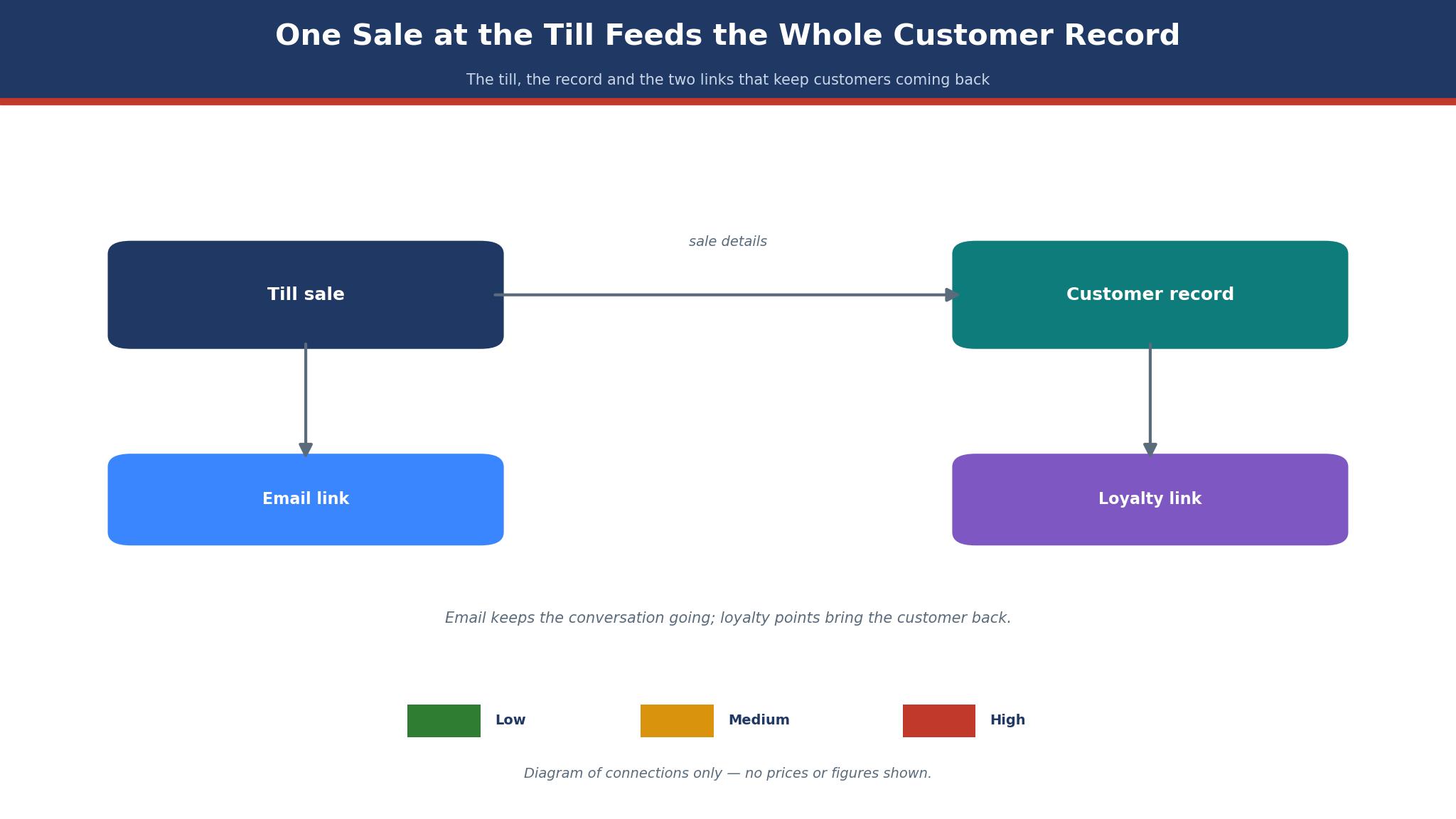
A retailer loses money in a quiet way when the till and the customer list never meet. The shop knows what sold, but not who bought it, so the best customers get the same generic email as a one-time browser, and the loyalty scheme runs on a stamp card while the data sits in two systems. A CRM that connects to the point of sale fixes that gap, and the fix pays for itself in repeat visits.
The buying trap is the tier jump. HubSpot Starter looks cheap until Professional at $90 per seat, Salesforce Starter at $25 lacks API access and workflow automation, and Pipedrive Lite at $14 is too limited for an active team. This guide names the first genuinely useful tier for every tool, because that is the price a retailer actually pays.
The 10 Tools at a Glance
| Tool | Main job | Best for | Starting price |
|---|---|---|---|
| HubSpot CRM | Free CRM with sales and marketing | Independent shops starting free | Free for up to 2 users |
| Salesforce | Enterprise CRM with deep customisation | Retail chains and large teams | $25 per user per month |
| Zoho CRM | Budget CRM with depth | Shops watching every dollar | Free for up to 3 users |
| Pipedrive | Visual pipeline sales CRM | Sales-led retail teams | $14 per seat per month |
| Freshsales | Sales CRM with built-in phone | Small retail sales teams | $9 per user per month |
| Monday CRM | Work-style CRM on Monday boards | Teams already on Monday | $12 per user per month |
| Capsule CRM | Simple contact and deal tracking | Tiny shops that want simple | Free plan |
| Insightly | CRM with project delivery | Shops that deliver orders | $29 per user per month |
| Keap | CRM with marketing automation | Shops that automate follow-up | $249 per month |
| Streak | CRM inside Gmail | Shops run from the inbox | Free plan |
Best Pick by Job
| Job type | First pick | Second tool | Why this pair works |
|---|---|---|---|
| Independent shop starting free | HubSpot CRM | Zoho CRM | HubSpot is free to two users, Zoho is free to three |
| Retail chain needing depth | Salesforce | HubSpot CRM | Salesforce customises everything, HubSpot adds marketing |
| Sales-led team on a visual pipeline | Pipedrive | Freshsales | Pipedrive shows the pipeline, Freshsales adds the phone |
| Tiny shop that wants simple | Capsule CRM | Streak | Capsule is plain and clear, Streak lives in Gmail |
| Shop that automates follow-up | Keap | HubSpot CRM | Keap automates the sequence, HubSpot scales the marketing |
An independent shop should start with HubSpot CRM. The free plan covers up to two users and 1,000 contacts, with deals, email and a shared customer record, and Starter is normally $20 per seat per month, with a limited-time new-customer price of $7 on annual billing. The jump to Professional at $90 per seat per month is steep, and it carries a $1,500 onboarding fee, so a shop should plan the move rather than stumble into it.
A retail chain should start with Salesforce instead. Starter Suite costs $25 per user per month, Pro Suite costs $100, and the core plans run from $195 to $550, mostly on annual contracts. When you compare the best crm software for retailers side by side, the trade is clear, because Salesforce is the most customisable system here and HubSpot is the easiest to start, and a retailer has to choose between depth and speed.
Which CRM Fits a Single-Store Retailer Best?
HubSpot CRM is the best pick for a single-store retailer, because the free plan covers the whole customer record without a card, and the shop can add Starter when the team grows past two users. The shared record means the till, the email list and the service notes all point at the same customer, which is the change that turns a one-time buyer into a regular.
Zoho CRM is the better pick if the shop wants paid depth at the lowest price. Standard costs $14 per user per month on annual billing, Professional costs $23 and Enterprise costs $40, and the free plan covers three users. The Standard tier is genuinely functional, which is rare at this price, and the Zoho suite adds accounting and inventory when the shop is ready.
Capsule CRM is the third option for a shop that finds both of those too heavy. The free plan covers a small contact list, Professional costs $18 per user per month, and the interface is plain enough that a shop assistant can learn it in an afternoon. The trade-off is depth, because Capsule has no marketing automation and no till integration of its own.
How to Choose the Best CRM Software for Retailers
Start with the till integration, not the feature list. A CRM that cannot read sales from Square, Lightspeed or Shopify is a second database the staff will ignore, so ask each vendor which point of sale systems connect natively and which need a paid connector. The integration decides whether the customer record is real or aspirational.
Next, count the contacts and the users honestly. HubSpot free covers 1,000 contacts and two users, Zoho free covers three users, and Salesforce has no free tier worth using at retail scale. A shop with four staff and 5,000 contacts will pay for HubSpot Starter or Zoho Standard, so price the tier that fits the real numbers rather than the free headline.
Then check the first useful tier. Salesforce Starter at $25 lacks API access and workflow automation, so it is effectively a contact database rather than a CRM, and the first useful tier is Pro Suite at $100 or higher. Pipedrive Lite at $14 is too limited for an active team, so the practical entry is Growth at $39. Write down the practical entry for each finalist before you compare prices.
Finally, test the follow-up flow with one real customer journey. Send the welcome email, log the second visit, and trigger the win-back message for a customer who has not returned in ninety days. If the CRM cannot run that journey without a consultant, it is the wrong tool for a small shop.
The 10 Tools in Detail
The ten tools below cover free starters, budget workhorses and enterprise platforms. Each one is judged on retail depth, till integration and the first genuinely useful tier, so this roundup of the best crm software for retailers stays honest about the price a shop actually pays.
1. HubSpot CRM
HubSpot CRM is the easiest place for a retailer to start, because the free plan covers up to two users and 1,000 contacts with deals, email and a shared customer record. Starter is normally $20 per seat per month, with a limited-time new-customer price of $7 on annual billing or $10 month to month. Professional costs $90 per seat per month on annual billing, plus a one-time $1,500 onboarding fee, and Enterprise costs $150.
The tier jump is the drawback. A shop that outgrows Starter faces a fourfold price rise to Professional, and the onboarding fee arrives at the same moment. The free plan is also capped at two users, so a shop with three staff pays from the start, though the Starter price is still low.
It suits independent shops that want sales and marketing in one place. The email tools, the deal pipeline and the customer record share one system, and the free tier lets a shop prove the value before paying.
Start on the free plan with two users, and budget the Professional jump before the contact list forces it.
2. Salesforce
Salesforce is the most customisable CRM in this guide, and the pick for retail chains that need deep control over objects, automations and reporting. Starter Suite costs $25 per user per month, Pro Suite costs $100, and the core plans run from $195 to $550, mostly on annual contracts. The AppExchange adds thousands of retail integrations, from till connectors to loyalty platforms, though many of them cost extra.
The entry tier is the trap. Starter Suite excludes API access, workflow automation and forecasting, so it is effectively a contact database rather than a CRM, and the first useful tier is Pro Suite at $100 or Enterprise higher. The onboarding timeline runs one to four weeks, and the total cost includes add-ons and integrations on top of the seat price.
It suits retail chains and large teams that need deep customisation. The reporting, the automation and the integration depth are the strongest in this guide, and the platform scales from one store to a hundred.
Ask Salesforce for a Pro Suite quote for your user count, and price the till connector before you sign.
3. Zoho CRM
Zoho CRM is the budget workhorse of this guide, free for up to three users, with Standard at $14 per user per month, Professional at $23 and Enterprise at $40 on annual billing. The Standard tier is genuinely functional, with pipeline, automation and reporting, and the Zoho suite adds accounting, inventory and email when the shop is ready. Monthly billing costs more, at $20, $35 and $50 for the same tiers.
The interface is the compromise. Zoho is powerful but busier than HubSpot, and a small team will spend a week learning where things live. The AI selling tools and the approval processes also sit only on Enterprise, so a shop that wants them pays $40 per user.
It suits budget-minded retailers that want depth without the enterprise price. The $14 Standard tier covers the daily work, and the suite means the shop can grow without changing vendors.
Start on the free plan with three users, and move to Standard when the contact list passes the free limit.
4. Pipedrive
Pipedrive is the pipeline-first CRM, built for sales-led teams that work from a visual board. Lite costs $14 per seat per month on annual billing, Growth costs $39, Premium costs $59 and Ultimate costs $79, with a 14-day free trial and no free plan. The activity-based selling view keeps a small team focused on the next call, the next visit and the next follow-up.
The Lite tier is the limit. It is too thin for an active team, so the practical entry is Growth at $39, and lead capture and email campaigns are paid add-ons below Premium. A retailer that wants marketing inside the CRM will pay more here than on HubSpot, where email is built in from the free plan.
It suits small sales teams that work from a visual pipeline. The board is the clearest in this guide, and the activity reminders keep follow-ups from slipping.
Try the 14-day trial on Growth, and price the lead capture add-on before you compare it with HubSpot.
5. Freshsales
Freshsales is the sales CRM with a built-in phone, email and chat, so a small retail team can call, message and track a customer without a second tool. Growth costs $9 per user per month, Pro costs $39 and Enterprise costs $59, with a free plan for light use. The phone integration is the standout, because a shop can log calls against the customer record automatically.
The ecosystem is smaller than HubSpot or Salesforce. Freshsales has fewer till integrations and fewer third-party apps, so a shop with an unusual point of sale may need a workaround. The free plan is also thin, so most shops will pay from the start, though $9 a user is the lowest paid entry here.
It suits small retail sales teams that call customers. The built-in phone and the clean pipeline cover the daily work, and the price stays low as the team grows.
Start on Growth for one user, and test the phone logging on real customer calls before you roll it out.
6. Monday CRM
Monday CRM is the work-management style CRM, built on Monday boards that a team can shape around its own process. Basic costs $12 per user per month, with higher tiers adding automation, integrations and reporting. A team already on Monday for projects gets the CRM inside a tool it knows, which cuts the learning curve to almost nothing.
The CRM depth is thinner than the specialists. Monday CRM is a flexible board system rather than a retail CRM, so the till integrations and the retail reporting are lighter than HubSpot or Zoho. A shop that needs deep customer history will find the boards a poor substitute for a real customer record.
It suits teams already on Monday that want a light CRM on the same boards. The automation and the visual layout are strong, and the price is fair for what it does.
Add the CRM to your existing Monday account, and test one customer journey on a board before you move the whole list.
7. Capsule CRM
Capsule CRM is the simple contact and deal tracker, built for tiny shops that want a shared customer list without a platform around it. The free plan covers a small list, Professional costs $18 per user per month, and the interface is plain enough that a shop assistant can learn it in an afternoon. The contact record, the deal pipeline and the task list are the whole product, and that is the appeal.
The simplicity is also the ceiling. Capsule has no marketing automation, no till integration of its own and no deep reporting, so a growing shop will outgrow it. A retailer that wants email campaigns or loyalty tracking will need a second tool, which defeats the simplicity.
It suits tiny shops that want a simple shared customer list. The price is low, the setup takes an hour, and the team will actually use it.
Start on the free plan with the whole team, and move to Professional when the contact list passes the free limit.
8. Insightly
Insightly is the CRM with project delivery built in, so a retailer that sells and then delivers, installs or fits can track the order after the sale. Plus costs $29 per user per month, Professional costs $49 and Enterprise costs $99, with a 14-day trial and no free plan. The project links are the standout, because the sale and the delivery share one record.
The price is the drawback for a small shop. Plus at $29 is dearer than Zoho Standard at $14 and Pipedrive Growth at $39 is close, while the CRM itself is less retail-focused than either. A shop that does not deliver or install will pay for project tools it never opens.
It suits retailers that deliver, install or fit what they sell. The order tracking and the project milestones keep the after-sale work visible, and the CRM covers the customer record underneath.
Try the trial with one real order from sale to delivery, and confirm the project tools earn their keep before you pay.
9. Keap
Keap is the CRM with marketing automation at its centre, built for shops that live on follow-up sequences. Pro costs $249 a month, Max costs $299, and the plans include email automation, text messaging, invoicing and payments. A shop that sends a welcome series, a win-back series and a birthday offer will find the automation saves hours every week.
The price is the barrier for a small shop. Pro at $249 a month is ten times the cost of Zoho Standard for one user, and the platform needs setup time before the first sequence runs. A shop with a small list will not see the return, while a shop with a large list and a strong email habit will.
It suits shops that automate follow-up and sell by email. The sequences, the tagging and the payment links turn a customer list into repeat revenue, and the automation is the deepest in this guide at this price.
Ask Keap for a Pro quote for your contact count, and build one sequence before you commit to the year.
10. Streak
Streak is the CRM that lives inside Gmail, so a shop that runs from the inbox gets pipelines, contacts and email tracking without leaving email. The free plan covers light use, Pro costs $15 per user per month, and the higher tiers add reporting and integrations. A one-person shop can run the whole customer list from the inbox, which is the appeal.
The Gmail dependence is the limit. A shop that does not live in Gmail gets nothing from Streak, and the CRM depth is thinner than HubSpot or Zoho, with no marketing automation and no till integration. A growing team will also find the inbox view crowded once the pipeline grows past a few dozen deals.
It suits shops run from the inbox, especially one-person operations. The price is low, the setup is instant, and the email tracking shows who opened what.
Start on the free plan inside Gmail, and move to Pro when the pipeline passes the free limit.
HubSpot vs Salesforce: Free Start Against Enterprise Depth
The entry price is the first difference, and it is stark. HubSpot is free for up to two users, with Starter at $20 per seat per month, while Salesforce Starter Suite costs $25 per user per month with no free tier worth using. A five-person shop pays nothing on HubSpot free, or about $100 a month on Starter, and about $125 a month on Salesforce Starter, though the Salesforce figure buys far less than it appears.
The capability gap runs the other way. Salesforce Starter excludes API access, workflow automation and forecasting, so the first useful tier is Pro Suite at $100, which makes a five-person shop pay $500 a month. HubSpot Professional at $90 per seat is close in price, but the free and Starter tiers are genuinely usable, so a small shop can grow on HubSpot for a year before the big jump arrives.
The deciding factor is the growth plan. A shop that will stay small should take HubSpot, because the free plan and Starter cover the work and the marketing tools are built in. A chain that will scale to many stores should take Salesforce, because the customisation, the reporting and the AppExchange repay the cost at scale. That split is the cleanest way to read the best crm software for retailers when the choice narrows to two.
What Does Retail CRM Software Cost per User?
The honest range among the best crm software for retailers runs from free to $100 per user per month for the first useful tier. HubSpot is free for two users, Zoho is free for three, Capsule and Streak offer free plans, and Freshsales Growth costs $9 per user per month. Pipedrive Growth costs $39, Zoho Professional costs $23, HubSpot Professional costs $90, and Salesforce Pro Suite costs $100, which is the dearest first useful tier here.
The tier jump matters more than the headline. HubSpot Starter at $20 is cheap, but Professional at $90 is the tier a growing shop eventually needs, and it carries a $1,500 onboarding fee on top. Salesforce Starter at $25 looks close to HubSpot Starter, but the first useful tier is Pro Suite at $100, so the real comparison is $90 against $100 rather than $20 against $25.
The honest way to budget is to price the first useful tier for your user count, then add the onboarding and the connectors. A five-person shop pays about $100 a month on HubSpot Starter, $70 on Zoho Standard, $195 on Pipedrive Growth and $500 on Salesforce Pro Suite, before tax and before the till connector. Keap is the outlier, because Pro at $249 a month is priced per account rather than per user, so a larger team pays the same as a small one.
Can a Retail CRM Connect the Till and the Online Store?
Yes, on the tools in this guide that publish till integrations. HubSpot connects to Shopify and several point of sale systems through native integrations and the AppExchange, Salesforce connects through AppExchange apps and custom objects, and Zoho connects to its own inventory and to Shopify through the Zoho suite. The connection means a sale at the till updates the customer record, which is the change that makes loyalty and win-back emails accurate.
The integration quality decides whether the connection is real. A native connector syncs sales in minutes, while a paid third-party connector can lag by hours and cost $50 a month on top of the CRM. Ask each vendor whether the till connector is native, what it costs, and how often it syncs, because a stale customer record is worse than no record at all.
The limit is the till itself. An old till with no API cannot connect to any CRM, so a shop on legacy hardware may need a till upgrade before the CRM pays off. The best crm software for retailers cannot fix a till that will not share its data, and the upgrade cost belongs in the CRM budget rather than in a surprise later.
A 60-Day Retail CRM Rollout Plan
Days one to fifteen are the clean-up. Export the customer list from the till, the email tool and the paper book, remove the duplicates, and agree the fields every record must carry. Days sixteen to thirty are the import. Load the clean list into the CRM, connect the till, and check that a test sale updates the customer record within minutes rather than hours.
Days thirty-one to forty-five are the journey. Build the welcome email, the win-back message for customers who have not returned in ninety days, and the birthday offer, then test all three on staff accounts. Days forty-six to sixty are the live run. Use the CRM for every customer interaction, log every sale against a record, and check the weekly report for the customers who bought twice.
The full adoption follows only when the staff use the CRM without being reminded. A rollout that skips the clean-up will import a mess, and a mess will teach the staff that the CRM cannot be trusted. Keep the list clean, keep the journeys short, and let the repeat visits decide the purchase.

Frequently Asked Questions
Which retail CRM is best for a shop starting free?
HubSpot CRM is the best free start, because the free plan covers up to two users and 1,000 contacts with deals and email. Zoho CRM is free for up to three users, and Capsule and Streak also offer free plans. A shop with more than two staff should price HubSpot Starter at $20 per seat or Zoho Standard at $14, because that is where the best crm software for retailers shortlist starts to cost real money.
Does Salesforce Starter include workflow automation?
No. Salesforce Starter Suite at $25 per user per month excludes API access, workflow automation and forecasting, so it works as a contact database rather than a full CRM. The first useful tier is Pro Suite at $100 per user per month, which adds custom objects and automations. A retailer should budget Pro Suite rather than Starter.
Can Zoho CRM handle a shop with 5,000 contacts?
Yes. Zoho CRM Standard at $14 per user per month handles thousands of contacts, with pipeline, automation and reporting included. The free plan covers three users, and the paid tiers scale by user rather than by contact count. A shop with 5,000 contacts and four staff pays about $56 a month on Standard.
Is Pipedrive good for retail?
Pipedrive suits a sales-led retail team that works from a visual pipeline, with Growth at $39 per seat per month the practical entry. Lite at $14 is too limited for an active team, and lead capture and email campaigns are paid add-ons. A shop that wants marketing inside the CRM should compare HubSpot, where email is built in from the free plan.
How much does Keap cost for a small shop?
Keap Pro costs $249 a month, with Max at $299, priced per account rather than per user. The plans include email automation, text messaging, invoicing and payments. A small shop with a small list will not see the return, while a shop with a large list and a strong email habit will recover the cost in repeat sales.
Does Streak work outside Gmail?
No. Streak lives inside Gmail, so a shop that does not use Gmail gets nothing from it. The free plan covers light use, and Pro costs $15 per user per month. A shop on Outlook or another email system should shortlist HubSpot or Zoho instead, because both work independently of the inbox.
The Retail CRM Pick by Store Size
A single-store retailer should take HubSpot CRM, because the free plan covers two users and Starter at $20 per seat is the cheapest honest step up, and the marketing tools are built in from the start. A budget-minded shop should take Zoho CRM Standard at $14 per user per month, because the tier is genuinely functional and the suite adds inventory when the shop is ready. A sales-led team should take Pipedrive Growth at $39 per seat, because the visual pipeline keeps follow-ups from slipping.
A retail chain comparing the best crm software for retailers should take Salesforce Pro Suite at $100 per user per month, because the customisation and the AppExchange repay the cost at scale, and Starter at $25 is not a real CRM. Import a clean list, connect the till, test one customer journey, and let the repeat visits decide.