
CampMinder is the best summer camp management software pick for large residential camps, because the tiered suites cover registration, health records, cabins, transport and staff hiring in one system with a parent app. UltraCamp is the pick for a camp that wants a published price, with Basic at $275 a month, and CampBrain is the pick for a camp that wants hands-on support. The eight tools below compare pricing models, health depth and parent tools, so a camp director can buy the system that fits the camp rather than the one with the longest feature list.
A camp runs on paper until the paper breaks. Registration forms arrive by email, health forms sit in a filing cabinet, cabin lists change daily, and the nurse cannot find the medication log when a camper needs it. Camp software fixes that gap by keeping registration, health, cabins and staff in one system, and the fix pays for itself the first time a parent registers online without a phone call.
The buying trap is the quote. CampMinder, CampBrain and CampSite all price by camp size after a demo, so there is no number to compare before the sales call, while UltraCamp publishes every tier and iCampPro publishes its monthly range. This guide states which tools publish a price and which ones need a quote, because a camp cannot budget a tool it cannot price.
The 8 Tools at a Glance
| Tool | Main job | Best for | Starting price |
|---|---|---|---|
| CampMinder | All-in-one camp platform | Large residential camps | Quote-based |
| CampBrain | Full camp suite with support | Overnight camps, YMCA, faith-based | Quote-based |
| CampSite | Camp registration and operations | Camps that want a quoted suite | Quote-based |
| UltraCamp | Published-price camp suite | Camps that want a clear price | $275 per month |
| Regpack | Registration and payments | Camps that bill per registration | Quote-based |
| Sawyer | Class and camp bookings | Day camps and class providers | Quote-based |
| CampDoc | Health records for camps | Camps with a nurse on site | $355 per month |
| iCampPro | Camp management with fees | Camps that accept per-camper fees | $199 per month |
Best Pick by Job
| Job type | First pick | Second tool | Why this pair works |
|---|---|---|---|
| Large residential camp | CampMinder | CampBrain | CampMinder adds the parent app, CampBrain adds support |
| Camp that wants a published price | UltraCamp | iCampPro | UltraCamp publishes tiers, iCampPro publishes a range |
| Overnight camp with a nurse | CampDoc | CampMinder | CampDoc leads on health, CampMinder covers the rest |
| Day camp with classes | Sawyer | Regpack | Sawyer books classes, Regpack handles payments |
| Camp that rents in the off-season | CampBrain | UltraCamp | CampBrain adds rentals, UltraCamp adds the store |
A large residential camp should start with CampMinder. The suites are tiered by enrolled campers, with Classic, Deluxe and Professional levels, and the higher tiers add a parent app experience, scheduled emails and included SMS. The Campanion parent app carries photo streams with facial recognition, and the health centre and eMAR cover the medical side that a residential camp cannot run on paper.
A camp that wants a published price should start with UltraCamp instead. Basic costs $275 a month and includes 500 individuals a year, then $6 per extra person, Advanced costs $475 for 1,250 individuals, then $4 each, and Enterprise costs $975 for 3,500, then $2 each. When you compare the best summer camp management software side by side, the split is clear, because CampMinder wins on depth and UltraCamp wins on price transparency, and a camp has to choose between the two.
Which Camp Software Is Best for an Overnight Camp?
CampMinder is the best pick for an overnight camp, because the health centre, the cabin assignments and the parent app are built for residential life rather than added on. The suites cover online registration and payments, parent and staff forms, integrated health care, cabin and group assignments, transportation and camp staffing, so the whole residential operation sits in one system. The Campanion app keeps parents close with photo streams, which is the feature families ask about first.
CampBrain is the better pick if the camp wants hands-on support with the suite. The platform covers registration, reports, fundraising, attendance and a health centre module, with a camp store and a conference centre rental module for the off-season. CampBrain serves more than 1,100 organisations since 1994, with a strong presence in Canada, and the support team is the reason camps stay.
CampDoc is the third option for an overnight camp with a nurse on site. The health records and the medication log are the core of the product, and the starting price of $355 a month is published, which is rare in this category. A camp that already runs registration elsewhere can add CampDoc for health alone, though most camps will want the full suite in time.
A day camp that needs none of the residential depth should look at Sawyer or UltraCamp instead. The best summer camp management software for a day camp is the one that books sessions fast and keeps parents informed, because cabins and health centres matter less when every child goes home at five. Price the session volume first, then check the parent tools, and the choice will be clear.
How to Choose the Best Summer Camp Management Software
Start with the health need, not the registration page. An overnight camp with a nurse needs electronic health records and a medication log, which CampMinder, CampBrain and CampDoc all cover, while a day camp without a nurse can skip the health module entirely. Ask each vendor how the health centre works, who can see the records, and how the medication log is kept, because the nurse will use it daily.
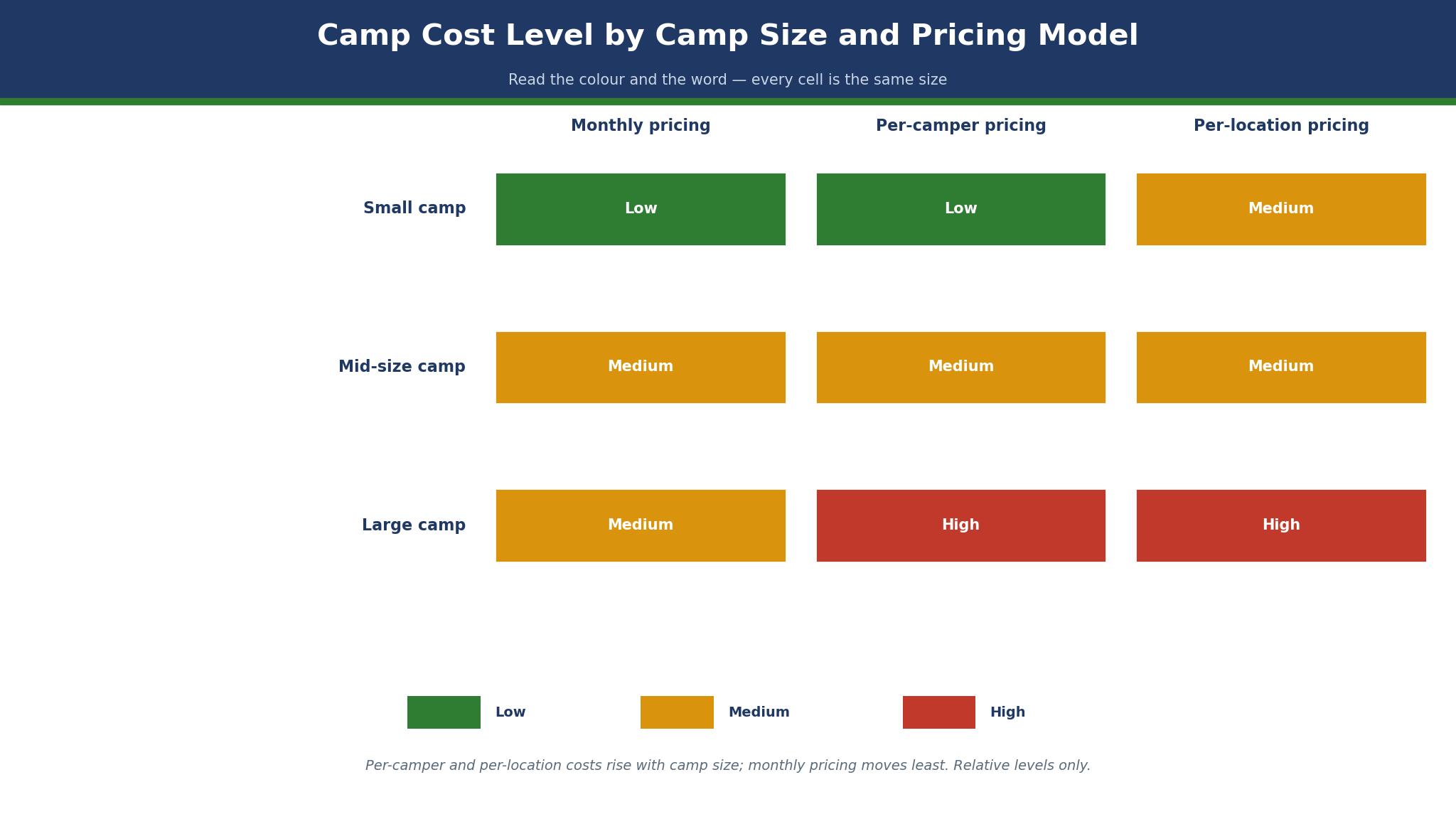
Next, count the campers and the pricing model. UltraCamp charges $275 a month for 500 individuals a year, then $6 per extra person, iCampPro charges $199 to $999 a month plus $2 to $4.50 per camper registration, and CampMinder prices per camper by suite after a quote. A camp with 300 campers pays very different amounts on those three models, so model the real enrolment before comparing prices.
Then check the parent experience. CampMinder Campanion carries photo streams with facial recognition, UltraCamp offers a parent portal, and CampBrain keeps parents informed through reports and messaging. Parents choose camps partly on communication, so the app a family sees matters as much as the back office the director sees.
Finally, test the registration flow with one real family. Register a camper, pay online, submit a health form and assign a cabin, then check that every step works on a phone. If a parent has to call the office to finish registration, the software has not solved the problem it was bought for, and the office will keep doing the work by hand.
The 8 Tools in Detail
The eight tools below cover residential specialists, published-price suites and health-first platforms. Each one is judged on pricing transparency, health depth and parent tools, so this roundup of the best summer camp management software stays honest about which tools publish a price and which ones need a quote.
1. CampMinder
CampMinder is the most established name in camp management software, and the pick for medium to large residential summer camps. The suites are tiered by enrolled campers, with Classic, Deluxe and Professional levels priced per camp on a per-camper framework, and the price is set by quote after a demo. Reported figures put a season at $2,500 to $5,000 for residential camps, though the vendor does not publish a price, so confirm the quote in writing before you budget.
The platform covers online registration and payments, parent and staff forms, integrated health care with a health centre and eMAR, cabin and group assignments, transportation and camp staffing. The higher tiers add a parent app experience, scheduled emails and included SMS, and the Campanion parent app carries photo streams with facial recognition. Reviewers cite limited form customisation and complex reporting setup as the drawbacks, and there are no memberships, facility rentals or volunteer tools.
It suits established camps that want a parent app with photos and a full back office. The health depth and the cabin tools are the strongest in this guide for residential life, and the tiered suites let a camp buy only the depth it needs.
Ask CampMinder for a quote by camper count, and confirm which suite carries the parent app before you sign.
2. CampBrain
CampBrain is the full camp suite with hands-on support, serving more than 1,100 organisations since 1994. The platform covers registration, reports, fundraising, attendance and a health centre module, with a camp store and a conference centre rental module for the off-season. The pages cover seven camp types, including school auxiliary, faith-based, special-needs and YMCA camps, which is the widest type coverage in this guide.
The pricing is quote only, with no public price and no free trial, so a camp has to go through a demo before it can budget. Reviewers note there is no mobile app, and the household setup and reporting are described as cumbersome at first, though the support team is the reason camps stay. The quote model means the price depends on the camp size and the modules chosen.
It suits camps and retreat centres that want a full suite with hands-on support. The rental module keeps the site earning in the off-season, and the support team helps a small office run a large system.
Request a demo and a written quote by camp size, and ask for a reference camp of a similar type before you commit.
3. CampSite
CampSite is the camp registration and operations platform that quotes each camp after a demo, usually against enrolment volume. The system covers online registration, payments, scheduling, attendance and reporting, with a focus on the core camp workflow rather than the extras. The quote model means the price is set by the camp size and the modules, so a small day camp and a large residential camp pay very different amounts.
The lack of a published price is the drawback. A camp cannot compare CampSite against UltraCamp without a sales call, and the feature depth is thinner than CampMinder on health and parent tools. The platform is solid on the basics, though, and a camp that needs registration and scheduling without the full suite will find it sufficient.
It suits camps that want a quoted suite for the core workflow. The registration and scheduling tools cover the daily work, and the quote lets a small camp pay less than a large one.
Ask CampSite for a quote by enrolment, and confirm which modules the quote covers before you compare it with a published price.
4. UltraCamp
UltraCamp is the published-price camp suite, and the pick for a camp that wants a clear monthly figure before the demo. Basic costs $275 a month and includes 500 individuals a year, then $6 per extra person, Advanced costs $475 for 1,250 individuals, then $4 each, and Enterprise costs $975 for 3,500, then $2 each. The plans include staff applications, integrated background checks and text messaging, with retreat and point-of-sale tools on the higher tiers.
The per-person overage is the thing to model. A camp with 700 individuals a year pays $275 a month plus $6 for each of the 200 extra people, which is $1,200 a year on top of the base, so the real cost depends on the enrolment count. Unlimited admin users, training and custom reports come on every plan, which is generous, and the published tiers make the comparison honest.
It suits small and mid-sized camps that want a published monthly price with usage-based overage. The background checks and the text messaging cover the staffing and parent work, and the price transparency is the best in this guide.
Start on Basic for 500 individuals, and count the real enrolment before you pick a tier.
5. Regpack
Regpack is the registration and payments platform for camps that bill per registration. The system covers online registration, payment plans, forms and reporting, with a focus on the money flow rather than the camp operations. The pricing is quote-based, with the figure set by registration volume and payment processing terms, so a camp has to ask for the number.
The narrow focus is both the strength and the limit. Regpack handles registration and payments well, but a camp that needs cabins, health records and staff hiring will need a second tool for the rest. The payment processing terms are not published, so the real cost includes a transaction percentage that only appears in the quote.
It suits camps that need strong registration and payment handling above all else. The payment plans and the forms cover the enrolment work, and the reporting shows the money clearly.
Ask Regpack for a quote by registration volume, and confirm the transaction percentage in writing before you sign.
6. Sawyer
Sawyer is the class and camp booking platform, built for day camps and class providers that sell sessions rather than residential weeks. The system covers online booking, scheduling, payments and parent communication, with a focus on the class workflow. Pricing is quote-based, with the figure set by booking volume and payment processing, so a camp has to ask for the number.
The day-camp focus is the boundary. Sawyer has no residential cabin tools and no health centre depth, so an overnight camp will find the wrong tool. A day camp that runs classes, after-school sessions and holiday camps will find the booking flow fits the work, because the product is built for sessions rather than weeks.
It suits day camps and class providers that sell sessions. The booking page converts well, the parent communication keeps families informed, and the scheduling handles the weekly churn.
Request a quote by booking volume, and test the parent booking flow on a phone before you commit.
7. CampDoc
CampDoc is the health-first camp platform, built around electronic health records and medication logs. The starting price is $355 a month, which is published, and the system covers health forms, allergies, medications and nurse workflows, with the depth a camp nurse needs on a residential site. The health focus makes it the easiest tool in this guide to defend to a camp board, because the medical risk is the one that keeps a director awake.
The narrow focus is the limit. CampDoc covers health well, but a camp that needs registration, cabins and staffing will need a second system for the rest, though many camps pair CampDoc with a registration tool. The starting price is also dearer than UltraCamp Basic at $275, so a camp should compare the health depth against the full-suite price.
It suits overnight camps with a camp nurse. The health records and the medication log are the core of the product, and the published price makes the comparison honest.
Ask CampDoc for the $355 starting quote, and confirm which health features the starting tier carries.
8. iCampPro
iCampPro is the camp management platform with published monthly prices and per-camper fees on top. Plans run from $199 to $999 a month, plus $2 to $4.50 per camper registration and payment processing fees. The system covers registration, scheduling, attendance and reporting, with the per-camper fee model matching camps that bill by enrolment.
The per-camper fee is the thing to model. A camp with 500 campers at $4.50 each pays $2,250 in registration fees on top of the monthly plan, so the real cost is far higher than the headline $199. The published range is honest, though, and a camp can work out the total before the demo, which is more than the quote-only tools offer.
It suits camps that accept per-camper fees and want a published price. The registration and scheduling tools cover the core work, and the monthly range lets a camp budget the base before the fees.
Start on the $199 tier, and work out the per-camper fees for the real enrolment before you sign.
CampMinder vs CampBrain: Parent App Against Full Suite
The parent experience is the first difference. CampMinder Campanion carries photo streams with facial recognition, scheduled emails and included SMS on the higher tiers, while CampBrain keeps parents informed through reports and messaging without a dedicated app. A camp whose families ask for photos daily will feel the gap, because the app is the feature parents mention when they recommend a camp.
The off-season tools run the other way. CampBrain adds a camp store and a conference centre rental module, so the site earns in the winter, while CampMinder has no facility rentals or memberships. A camp with a site to rent will value the rental module more than the photo app, and the revenue it brings can pay for the software several times over.
The deciding factor is the camp type. A residential camp that lives on parent trust should take CampMinder, because the parent app and the health centre are the features families feel. A camp with a site to rent and a small office that needs support should take CampBrain, because the rental module and the hands-on support are the features the director feels. That split is the cleanest way to read the best summer camp management software when the choice narrows to two.
What Does Summer Camp Management Software Cost?
The honest range in this guide runs from $199 a month to a quote in the thousands per season. UltraCamp Basic costs $275 a month for 500 individuals a year, iCampPro runs $199 to $999 a month plus $2 to $4.50 per camper registration, and CampDoc starts at $355 a month. CampMinder is reported at $2,500 to $5,000 per season for residential camps, while CampBrain, CampSite, Regpack and Sawyer are all quote only.
The pricing model changes the real cost more than the monthly figure does. UltraCamp charges per extra person above the included count, iCampPro charges per camper registration on top of the monthly plan, and CampMinder charges per camper by suite. A camp with 700 campers pays $275 a month plus $1,200 a year in overage on UltraCamp Basic, while the same camp pays $2,250 in registration fees on iCampPro at $4.50 each.
The honest way to budget is to price the real enrolment for a full season, including the overage and the transaction fees. Most platforms charge per-camper fees of $2 to $8 per registration or annual licenses, with transaction fees adding 2.5 to 3.5 percent for credit card payments. The best summer camp management software is the one where the total season cost is clear before the contract is signed, not the one with the lowest monthly headline.
Can Camp Software Handle Health Records and Medication?
Yes, on the best summer camp management software tools in this guide that build health into the core. CampMinder covers a health centre and eMAR, CampBrain covers a health centre module, and CampDoc is built around electronic health records and medication logs. The health record keeps allergies, medications and emergency contacts in one place, and the medication log records every dose with a time and a nurse signature.
The access control decides whether the health system is safe. A camp should ask who can see the records, whether the nurse alone can edit the medication log, and how the data is stored, because health data is the most sensitive information a camp holds. CampMinder and CampDoc both restrict health access to the medical team, which is the standard a camp board should demand.
The limit is the paper backup. A camp in a rural site with weak signal needs a health record that works offline, and a nurse who cannot open the log during an outage is worse off than one with a paper binder. Ask each vendor how the health module works without a connection, and keep a printed medication list for the first week of camp until the system proves itself.
A 90-Day Camp Registration Launch Plan
Days one to thirty are the setup. Load last year camper list, build the registration forms, set the cabin rules and connect the payment processor, because the launch is only as good as the data it starts with. Days thirty-one to sixty are the test. Register ten test families, run a health form through the nurse, assign cabins and check that the parent app shows the right photos to the right family.
Days sixty-one to ninety are the launch. Open registration to returning families first, then to new families, and watch the support inbox daily for the first two weeks. If parents can register, pay and submit a health form without calling the office, the system earns its keep. If the office phone rings with registration questions, the forms are too long or the payment step is broken.
The full season follows only when the test families say the flow is easy. A launch that skips the test will cost more in office hours than it saves in paper, and a parent who struggles to register will tell other parents. Keep the forms short, keep the payment step simple, and let the test families decide the launch date.

Frequently Asked Questions
Which camp software is best for a large residential camp?
CampMinder is the best pick for a large residential camp, because the tiered suites cover registration, health records, cabins, transport and staff hiring in one system with a parent app. Reported figures put a season at $2,500 to $5,000, though the vendor does not publish a price, so confirm the quote in writing. CampBrain is the alternative for a camp that wants hands-on support.
Does CampMinder publish its prices?
No. CampMinder says pricing is customised to each camp based on factors including the number of campers, and an account executive sets the suite and price. Reported figures put a residential season at $2,500 to $5,000, though that is a third-party range rather than a vendor price. A camp has to request a quote to get a number.
What does UltraCamp cost for 700 campers a year?
UltraCamp Basic costs $275 a month and includes 500 individuals a year, then $6 per extra person. A camp with 700 individuals pays $275 a month plus $6 for each of the 200 extra people, which is $1,200 a year on top of the base. Advanced at $475 covers 1,250 individuals, so a growing camp should compare the tiers before it commits.
Can camp software handle health records?
Yes. CampMinder covers a health centre and eMAR, CampBrain covers a health centre module, and CampDoc is built around electronic health records and medication logs. The health record keeps allergies, medications and emergency contacts in one place, and the medication log records every dose. A camp should ask who can see the records before it buys.
Is there a free camp management tool?
No, not among the eight tools in this guide. UltraCamp starts at $275 a month, iCampPro starts at $199 a month, and CampDoc starts at $355 a month, while CampMinder, CampBrain, CampSite, Regpack and Sawyer are all quote only. A small camp should shortlist UltraCamp Basic from the best summer camp management software list, because the published price lets it budget without a sales call.
How long does it take to launch camp software?
Ninety days is realistic for a full launch, with thirty days for setup, thirty days for testing with ten families, and thirty days for the live launch. A camp that launches registration without testing will pay for the mistake in office hours, because parents will call with questions the forms should have answered. Start the setup at least ninety days before registration opens.
The Camp Software Pick by Camp Type
A large residential camp should take CampMinder, because the health centre, the cabin tools and the Campanion parent app are built for residential life. A camp that wants a published price should take UltraCamp Basic at $275 a month, because the tiers are clear and the overage is easy to model. An overnight camp with a nurse should take CampDoc from $355 a month, because the health records are the core of the product.
A day camp that sells sessions should take Sawyer, because the booking flow fits classes and holiday camps, and a camp that rents in the off-season should take CampBrain, because the rental module keeps the site earning. Load last year list, test with ten families, and let the parents decide.