
A customer calls at 6.30 in the evening, hears a voicemail, and hangs up without leaving a message. By morning, that customer has called a competitor, booked there, and never calls back. The business never knew the call happened, yet it lost the sale all the same. That silent missed call is the everyday problem behind this guide, and the best ai phone answering services for small businesses exist to make sure a real person, or a good AI, answers every time.
A small business cannot staff a phone around the clock, yet its customers call around the clock. The calls come at lunch, after hours, and on weekends, and each one is a customer with money in hand. A service that answers, takes the details, books the appointment, and passes the message on turns those calls into revenue, while a voicemail turns them into a competitor’s revenue.
This guide compares twelve services on what they do for a small business with real callers, real bookings, and a real budget. The prices below come from the vendor list prices checked in November 2026. The goal is a phone that is always answered, without hiring a full-time receptionist.
Why a Missed Call Costs More Than a Missed Email
A missed call costs more than a missed email because a caller is ready now. An email can wait a day, and the sender expects it to, but a caller who reaches voicemail assumes the business is closed, busy, or gone, and most callers will not leave a message. They will call the next number in the search results, and the business that answers first wins the customer.
The second cost is the repeat call. A customer who calls twice and gets no answer will stop calling, and the business will never know why the phone went quiet. The lost calls do not show up in any report, so the owner thinks the phone is fine while the customers are quietly going elsewhere. An answering service makes the invisible visible, because every call is logged, every message is recorded, and the owner can see the volume for the first time.
The third cost is the first impression. A caller who reaches a friendly, professional voice forms a good opinion of the business in ten seconds, while a caller who reaches a full voicemail forms a bad one. The answering service is the front door of the business, and a good front door is worth more than a good website.
What an Answering Service Has to Do Before It Speaks for You
An answering service has to do three things before it speaks for your business. First, it has to sound like you. The greeting should use your business name, your tone, and your way of handling a caller, not a generic script. A caller should feel they reached your business, not a call centre, and the difference is in the details the service knows about you.
Second, it has to know what to do with the call. A booking, a quote request, an emergency, and a sales call all need different handling, and the service should follow your rules for each one. A booking should go into the calendar, an emergency should reach you at once, and a sales call should be logged without interrupting your day.
Third, it has to hand over cleanly. Every call should arrive as a message with the caller name, the number, the reason, and the action taken, so you can follow up without calling back to ask what the caller wanted. A service that takes a message and loses the details is worse than no service at all, because it creates the illusion that the call was handled.
The 12 Tools at a Glance
The table below gives the short version of the best ai phone answering services for small businesses. Prices are starting monthly prices unless stated, and the main job column states what each service is built to do first.
| Tool | Main job | Best for | Starting price |
|---|---|---|---|
| Smith.ai | AI plus live receptionists | Businesses that want AI and humans together | $150 per month |
| Ruby | Live US receptionists | Businesses that want a human voice first | $250 per month |
| Abby Connect | Dedicated receptionist team | Businesses that want a team that knows them | $165 per month |
| PATLive | Live receptionists at a low price | Businesses that want the cheapest live cover | $99 per month |
| AnswerConnect | Live answering with booking | Businesses that want bookings taken by phone | $350 per month |
| AnswerForce | Live answering with bilingual cover | Businesses that need bilingual answering | Pricing on the vendor site |
| Moneypenny | Live and AI answering | Businesses that want a UK and US option | Pricing on the vendor site |
| Goodcall | AI answering with booking | Businesses that want cheap AI cover | From $39 per month |
| Dialzara | AI answering with calls | Small businesses that want a low AI price | From $29 per month |
| Rosie | AI answering for small teams | Businesses that want a simple AI receptionist | Pricing on the vendor site |
| Nexa | Live answering with AI | Businesses that want live cover with AI help | Pricing on the vendor site |
| VoiceNation | Live answering with a phone system | Businesses that want answering plus a phone | Pricing on the vendor site |
Best Pick by Job
The table below matches each business pattern to a first pick and a backup from the best ai phone answering services for small businesses, so a solo owner and a busy team can each see their own answer at once.
| Job type | First pick | Second tool | Why this pair works |
|---|---|---|---|
| Solo owner, first answering service | Goodcall | Dialzara | Goodcall books cheaply and Dialzara costs less to start |
| Business that wants a human voice | PATLive | Ruby | PATLive is the cheapest live cover and Ruby is the best-known human team |
| Business that wants AI plus humans | Smith.ai | Nexa | Smith.ai blends both well and Nexa adds AI to live cover |
| Business that takes bookings by phone | AnswerConnect | Abby Connect | AnswerConnect books from the call and Abby Connect knows your business |
| Business that needs bilingual cover | AnswerForce | Ruby | AnswerForce covers two languages and Ruby offers bilingual receptionists |
How to Choose the Best AI Phone Answering Services for Small Businesses
Choosing starts with your own calls. Count how many calls you miss in a week, when they come, and what they were about, by checking the phone log and asking your team. The best ai phone answering services for small businesses differ most on how they handle your busiest hour, and the service that covers that hour well is the one to buy.
Then check the billing model, because these services charge in three different ways. Per-minute services like Ruby and PATLive charge for receptionist time, so long calls cost more. Per-call services like Smith.ai charge the same for a short message and a long intake, which suits a business with long calls. Flat-rate AI services like Goodcall and Dialzara charge one price whatever the volume, which suits a business with unpredictable call numbers.
Finally, test the service with a real call. Ring your own number as a customer, ask a typical question, and listen to how the service answers, what it asks, and what message arrives afterwards. If the answer sounds like your business and the message carries the details you need, the service is ready for your customers. If the answer sounds generic and the message is thin, the service will not represent you well.
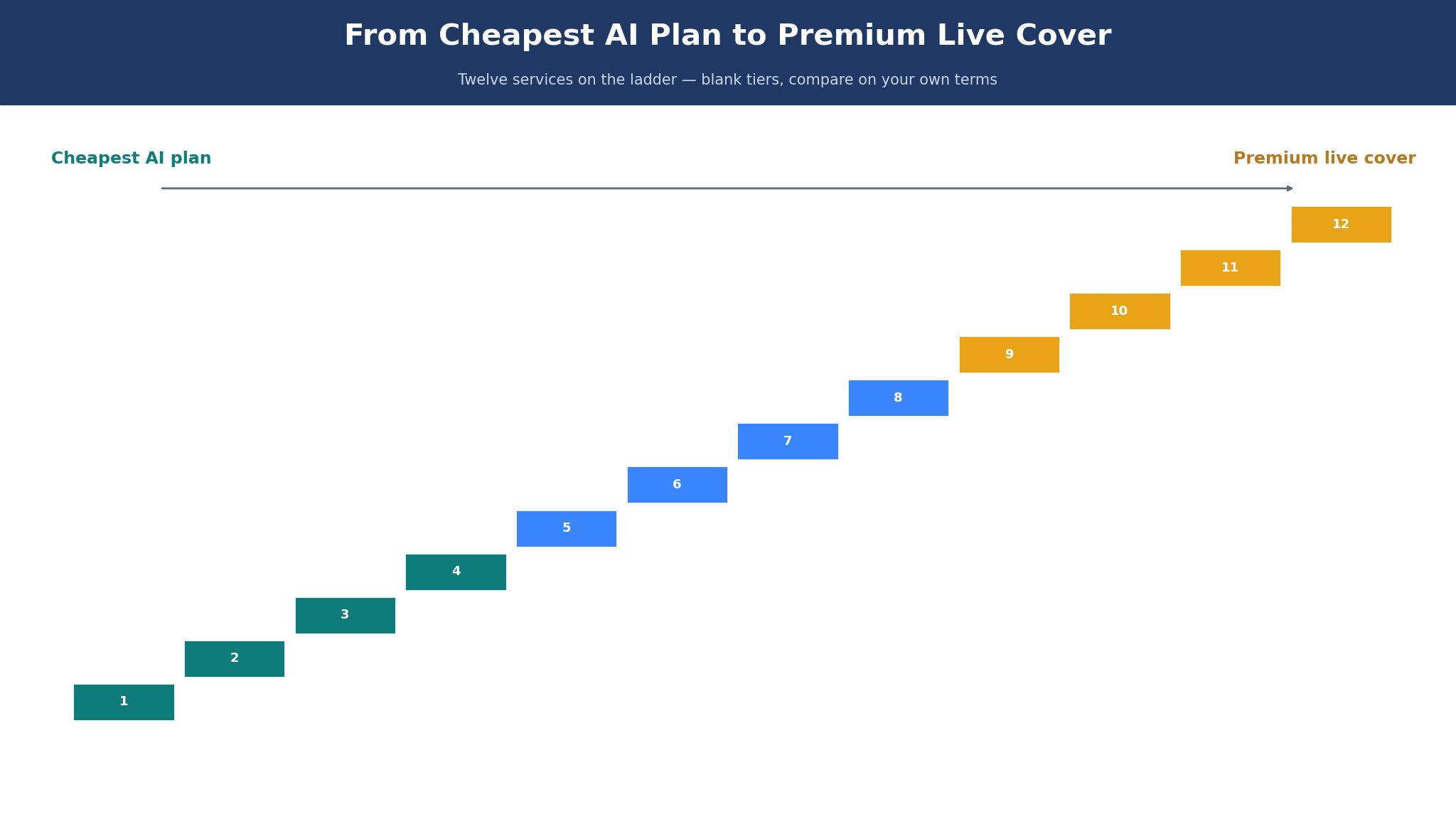
The 12 Tools in Detail
1. Smith.ai
Smith.ai is the blend pick on this list, offering an AI receptionist and live human receptionists under one roof. The AI receptionist is free for 25 calls, with Pro at $150 a month for 75 calls, while the human receptionist starts at $300 a month for 30 calls. The AI answers, books, and takes messages, and a live agent can take over when the call needs a person.
The weak point is the price split. The AI plan and the human plan are separate bills, and a business that needs both will pay for both. The per-call overage on the human plans runs $8.50 to $11.50 a call, so a busy month costs more than the headline, and the booking and recording add-ons cost extra per call.
It suits a business that wants AI cover most of the time and a human for the hard calls. For that business, the blend is the best of both, and the month-to-month terms make it easy to test.
Test it by running the AI receptionist for two weeks, counting how many calls it handled alone, how many it passed to a human, and how many became bookings. If the AI handled most calls and the handoffs were clean, Smith.ai has done its job.
2. Ruby
Ruby is the best-known live receptionist service, with US-based receptionists answering around the clock, including weekends and holidays. The entry plan costs $250 a month for 50 minutes, rising to $395 for 100 minutes and $720 for 200 minutes, with bilingual cover and AI add-ons included. The service is polished, and the receptionists sound like part of your team.
The catch is the per-minute cost. At $250 for 50 minutes, a long call costs real money, and the overage rate runs $3.30 to $5.40 a minute depending on the tier. A business with long intake calls will pay far more than the headline, and the minutes are the metric that matters, not the calls.
It suits a business that wants a human voice first and is willing to pay for it. For that business, the professional greeting and the 24-hour cover are worth the per-minute price.
Judge it by timing your last twenty calls, then pricing that volume on Ruby’s plans. If the monthly cost fits and the test calls sounded like your business, Ruby is the premium choice, and if the cost is too high, a per-call or flat-rate service will fit better.
3. Abby Connect
Abby Connect is the dedicated-team pick, with a small team of receptionists assigned to each client, so the callers hear a familiar voice who knows the business. The Starter plan costs $165 a month for 50 Abby Minutes, with AI-answered minutes counting as half a minute, and the plans rise to $1,380 a month for 500 minutes. The service includes AI answering as part of the package.
The downside is the minute model. The AI minutes count as half, which helps, but the human minutes still add up, and the overage rate is not published as clearly as PATLive. The service is premium-priced, and a business with high call volume will find the bill grows fast.
It suits a business that wants a dedicated team who knows its callers by name. For that business, the familiarity is worth the premium, and the AI minutes make the price fairer than it first looks.
Try it by calling your own number three times in one week and listening to whether the receptionist sounds like someone who knows your business. If the greeting, the questions, and the message all feel personal, Abby Connect is doing its job.
4. PATLive
PATLive is the budget live pick, with US-based receptionists around the clock and the most open rate card on this list. The pay-as-you-go plan costs $49 a month, and packages start at $99 a month for 50 minutes, $189 for 100, and $349 for 200, with overage at $1.79 to $2.29 a minute. The 14-day free trial and the lack of a contract make it easy to test.
The trade-off is the per-minute billing, which means long calls cost more, and the service is simpler than Ruby or Abby Connect, with fewer premium touches. A business that needs a dedicated team or deep integrations will find PATLive thinner, though the price reflects that.
It suits a business that wants live human cover at the lowest published price. For that business, the open rate card and the low entry cost are the whole argument.
Test it by running PATLive for one month, counting the minutes used and the calls answered, then comparing the real bill with the quoted price. If the bill matches and the callers were happy, PATLive is the cheapest live cover that works.
5. AnswerConnect
AnswerConnect is the booking pick, with live answering that books appointments directly into the calendar, including a native Setmore link. The Entry plan costs $350 a month for 200 minutes, with Growth at $395 for 300 minutes and Standard at $575 for 400 minutes, plus a $49.99 setup fee. The service runs 24 hours a day, every day of the year.
The flaw is the entry price, which is the highest starting price for live cover on this list, and the setup fee on top. A small business with low call volume will pay for 200 minutes it may not use, and the per-minute overage runs $1.85 to $2.50 a minute.
It suits a business that takes bookings by phone and wants those bookings in the calendar without staff time. For that business, the booking feature is worth the higher entry price.
Judge it by counting how many bookings your phone currently takes in a month, then pricing that volume on AnswerConnect. If the bookings cover the fee and the calendar stays full, the service earns its place.
6. AnswerForce
AnswerForce is the bilingual pick, with live receptionists covering English and Spanish, and a focus on businesses that serve both languages. The service answers around the clock, takes messages, books appointments, and handles overflow calls when the office is busy. Pricing sits on the vendor site, with a setup fee reported at $75 to $99.
The limit is the price opacity. A buyer cannot budget from the website and must ask for a quote, and the setup fee adds to the first bill. The service is smaller than Ruby or PATLive, so the integrations and the reporting are thinner.
It suits a business whose callers speak English and Spanish and need both handled well. For that business, the bilingual cover is the feature that matters, and the quote is worth getting.
Test it by calling in both languages as a customer, asking a typical question in each, and checking whether the answers were equally good. If both calls felt professional and the messages arrived in full, AnswerForce is doing its job.
7. Moneypenny
Moneypenny is the established name, with live and AI answering across the UK and the US, and a reputation for a polished, professional greeting. The service offers dedicated receptionists, AI answering, and call handling that fits a professional firm, with pricing on the vendor site and a setup fee reported at $99 for the AI plans.
The snag is the price opacity and the positioning. Moneypenny is a premium service, and a small business on a tight budget will find the quote higher than PATLive or Goodcall. The AI plans and the people plans are priced separately, so the total needs a conversation with sales.
It suits a professional firm, like a law office or a consultancy, that wants a polished front door and is willing to pay for it. For that firm, the reputation and the greeting quality are the whole point.
Evaluate it by asking for a quote at your call volume, then calling the test number and listening to the greeting. If the greeting sounds like a top firm and the price fits, Moneypenny is the premium choice.
8. Goodcall
Goodcall is the cheap AI pick, with an AI receptionist that answers, books, and takes messages from $39 a month. The service charges no per-minute fees, so a business with unpredictable call volume pays one flat price, and the AI handles the routine calls well, with a human handoff where needed. The setup is fast, and the trial lets a business test it before paying.
The part to weigh is the AI limit. Goodcall handles routine calls well, but a caller with a complex problem, an emergency, or a complaint will need a person, and the handoff needs testing. The service is newer than the live leaders, so the track record is shorter.
It suits a small business that wants cheap AI cover for routine calls and does not need a human voice on every call. For that business, the flat $39 price is the whole argument.
Try it by running Goodcall for two weeks, counting how many calls it handled alone, how many it passed on, and how many became bookings. If the AI handled most calls and the bookings arrived cleanly, Goodcall is doing its job.
9. Dialzara
Dialzara is the low-price AI pick, with an AI receptionist starting from $29 a month and a phone number included at $3 to $5 a month. The service answers calls, takes messages, and books appointments, with no per-minute charges, which makes it the cheapest AI cover on this list. The setup is quick, and the price is easy to budget.
The thing to watch is the newness and the depth. Dialzara is a smaller, newer service than Goodcall, and the AI is simpler, so a business with complex call handling will find its limits fast. The integrations are fewer than the leaders, and the support is thinner.
It suits a solo owner or a tiny team that wants the cheapest AI answering that works. For that owner, the $29 price is the right place to start, with an upgrade path when the call volume grows.
Test it by calling your own number five times with five different questions, then checking whether the answers were correct and the messages arrived complete. If the AI handled the routine questions well, Dialzara is doing its job at the lowest price here.
10. Rosie
Rosie is the simple AI receptionist, built for small teams that want a straightforward answering service without a complex setup. The AI answers calls, takes messages, and routes the urgent ones to the owner, with a clean interface and a fast setup. No price is published, so the purchase is arranged through the sales team.
The cost to weigh is the visibility. Rosie is a smaller vendor, and the pricing, the limits, and the roadmap need checking directly. The AI is simpler than Smith.ai, and a business with high call volume or complex routing will outgrow it.
It suits a small team that wants a simple AI receptionist and is willing to ask for a quote. For that team, the simplicity is the whole point.
Judge it by running Rosie for two weeks on your real calls, counting how many it answered, how many it routed correctly, and how many messages arrived complete. If the routing was right and the team trusted it, Rosie fits.
11. Nexa
Nexa is the live-plus-AI pick, with live receptionists backed by AI tools that help them answer faster and log calls better. The service covers 24 hours a day, handles bookings and messages, and suits a business that wants a human voice with AI support behind it. Pricing sits on the vendor site, with reviewer-reported figures rather than a published rate card.
The weak spot is the price opacity, which is the worst on this list, with no published starting price at all. A buyer must go through sales to get a number, and the service is smaller than Ruby, so the integrations are thinner.
It suits a business that wants live cover with AI help and is willing to go through a sales conversation to get a price. For that business, the human-plus-AI combination is worth the quote process.
Test it by asking for a quote at your call volume, then calling the test number twice, once with a simple question and once with a booking request. If both calls were handled well and the quote fits, Nexa is a real option.
12. VoiceNation
VoiceNation is the phone-system pick, pairing live answering with a cloud phone platform that is bundled free. A business gets a receptionist service and a phone system in one place, with call handling, messaging, and booking included. Pricing sits on the vendor site, with reviewer-reported figures rather than a published rate card.
The trouble is the price opacity and the breadth. VoiceNation does many things, and a business that only needs answering will pay for a phone system it may not use. The per-minute model still applies, so long calls cost more, and the service is less focused than the specialists.
It suits a business that needs a phone system as well as an answering service, and wants both from one vendor. For that business, the bundle is the reason to choose VoiceNation.
Evaluate it by listing your current phone costs and your answering needs, then asking for a combined quote. If the bundle beats the separate bills and the test calls sounded professional, VoiceNation fits.
A Call Week That Turns Missed Calls Into Bookings
A good call week has a shape. Monday is for the log, when the owner reads last week’s calls, counts the missed ones, and sees which hours were busiest. Tuesday is for the script, when the greeting, the booking questions, and the emergency rules are checked and updated, so the service speaks for the business as it is now, not as it was last year. The best ai phone answering services for small businesses all promise a professional greeting, yet the test is whether the greeting still matches the business after a month.
Wednesday and Thursday are for the follow-ups, when every message from the service is answered the same day, so a caller who left a message gets a call back before they call a competitor. Friday is for the numbers, when the business counts how many calls were answered, how many became bookings, and how many were missed, and decides whether the service is earning its fee.
The week works because the service is only half the job. The other half is the follow-up, and a business that answers every message the same day will turn more calls into customers than a business with a better service and a slower follow-up.

Answering Mistakes That Cost a Business Its Callers
The first mistake is a greeting that sounds like a call centre. A caller who hears a generic script, a wrong business name, or a receptionist who does not know what the business does will hang up. The service must be briefed on the business, the services, and the way you want callers treated, and the briefing must be updated when the business changes.
The second mistake is a message that never gets answered. A service that takes a perfect message is useless if the owner reads it three days later, because the caller has already gone elsewhere. Every message needs a same-day reply, and the owner should check the messages twice a day. The third mistake is the wrong handoff rule, which is an emergency that waits for an email, or a sales call that interrupts a meeting. The rules for each call type must be written down and tested, because a rule that only exists in the owner’s head will fail at the worst moment.
The fourth mistake is paying for minutes you do not use. A business that buys a 500-minute plan and uses 100 is wasting money, while a business that buys 50 minutes and uses 200 is paying overage on every call. Check the usage every month and move to the plan that fits the real volume, not the volume you guessed at the start.
Frequently Asked Questions
How much does an answering service cost a small business each month?
A small business pays between $29 and $350 a month, depending on whether it chooses AI or live cover. The best ai phone answering services for small businesses include flat-rate AI from $29 a month and live cover from $99 a month, yet the real bill depends on the model, because per-minute services charge more for long calls and per-call services charge the same whatever the length.
Will callers know they are talking to an AI?
A good AI receptionist says so at the start, and most callers accept it when the answers are correct and the handoff is fast. A caller who needs a person should reach one in one step, and the AI should never pretend to be human. Honesty about the AI builds more trust than a fake human voice ever will.
How fast should a message be returned?
Within the hour for a new enquiry, and the same day at the latest. A caller who leaves a message expects a quick reply, and the data shows that a call returned within an hour converts far better than one returned the next day. The service should send the message at once, and the owner should act on it at once.
Can an answering service book appointments directly?
Yes, on the services that offer it, including AnswerConnect, Smith.ai, Goodcall, and Dialzara, which book into the calendar and send the confirmation. Check that the booking connects to the calendar you actually use, and test it with a real booking before you trust it, because a booking that lands in the wrong calendar is worse than no booking at all.
Should I use AI or live receptionists?
Use AI for the routine calls, like hours, prices, and bookings, and live receptionists for the calls that need judgment, like complaints, emergencies, and large orders. Most small businesses do best with a blend, starting with AI cover and adding live hours for the busiest times. The blend costs less than full live cover and sounds better than AI alone.
What happens to my calls if I cancel the service?
The calls go back to your own phone and voicemail, and the service should hand over the call logs and the messages it took. Before signing, ask how the exit works, whether your number stays yours, and how long the handover takes. A service that makes leaving hard is a service to avoid, whatever its price.
The Answering Service That Fits Your Phones
For most small businesses, Goodcall is the safest first step, because the flat $39 price is easy to budget and the AI handles the routine calls well. A business that wants a human voice should test PATLive first, and a business that wants both AI and humans should trial Smith.ai. A business that takes bookings by phone should look hard at AnswerConnect, and a business whose callers speak two languages should get a quote from AnswerForce. The best ai phone answering services for small businesses all answer the phone, yet the winner is the one whose greeting sounds like your business and whose messages arrive complete.
Pick two services, test each with real calls from real customers, and keep the one that turns more calls into bookings. That test takes two weeks, and it will show you which service your callers trust.