

A busy season forgives sloppy cash habits. A slow season exposes them, because rent, insurance, software, and loan payments arrive every month whether customers do or not. The difference between a business that survives a quiet quarter and one that spirals into debt is rarely the size of the busy season. It is the plan made during the busy season, when cash was available and decisions were calm. This guide shows how to handle seasonal slow months small business owners can plan for, from cash reserve tiers and quiet week offers to staffing flexibility and a pre season marketing calendar.
Seasonality is normal, not a sign of failure. Landscapers slow in winter, wedding suppliers slow outside wedding season, beach town shops slow when tourists leave, and many retailers feel a January dip after a December peak. The danger is not the pattern itself. It is treating each slow period as a surprise, funding it with a credit card, and starting the next busy season in debt. A business that maps its year, builds a reserve in tiers, and uses quiet weeks deliberately can treat a slow season as a planned phase, rather than as a crisis.
The plan in this guide has five parts that reinforce each other. Cash reserves cover essential costs. Cost discipline stops the reserve leaking on non essentials. Off season offers shrink the gap by bringing some revenue forward. Staffing flexibility keeps good people without carrying full peak payroll through the quietest weeks. Maintenance and marketing work in quiet weeks prepares a stronger peak. No single part is enough on its own. A reserve without offers drains faster than it should. Offers without a reserve still leave a gap in the worst weeks. Staffing flexibility without maintenance work wastes the quiet weeks. Together, the five parts turn seasonality from a threat into a rhythm.
How to Handle Seasonal Slow Months Small Business Owners Can Plan For
Start with a single page year map before any other step. Mapping is the first discipline in how to handle seasonal slow months small business owners can plan for. Mark each month as peak, normal, or slow, using your own sales records for the last two years where you have them, and your best judgement where you do not. Add the fixed costs that fall in each month, including rent, insurance renewals, loan payments, and any annual fee that lands in a slow month by bad luck. That map is the foundation for every later decision, because it shows how long the slow period lasts, how deep the gap runs, and which months need the most protection.
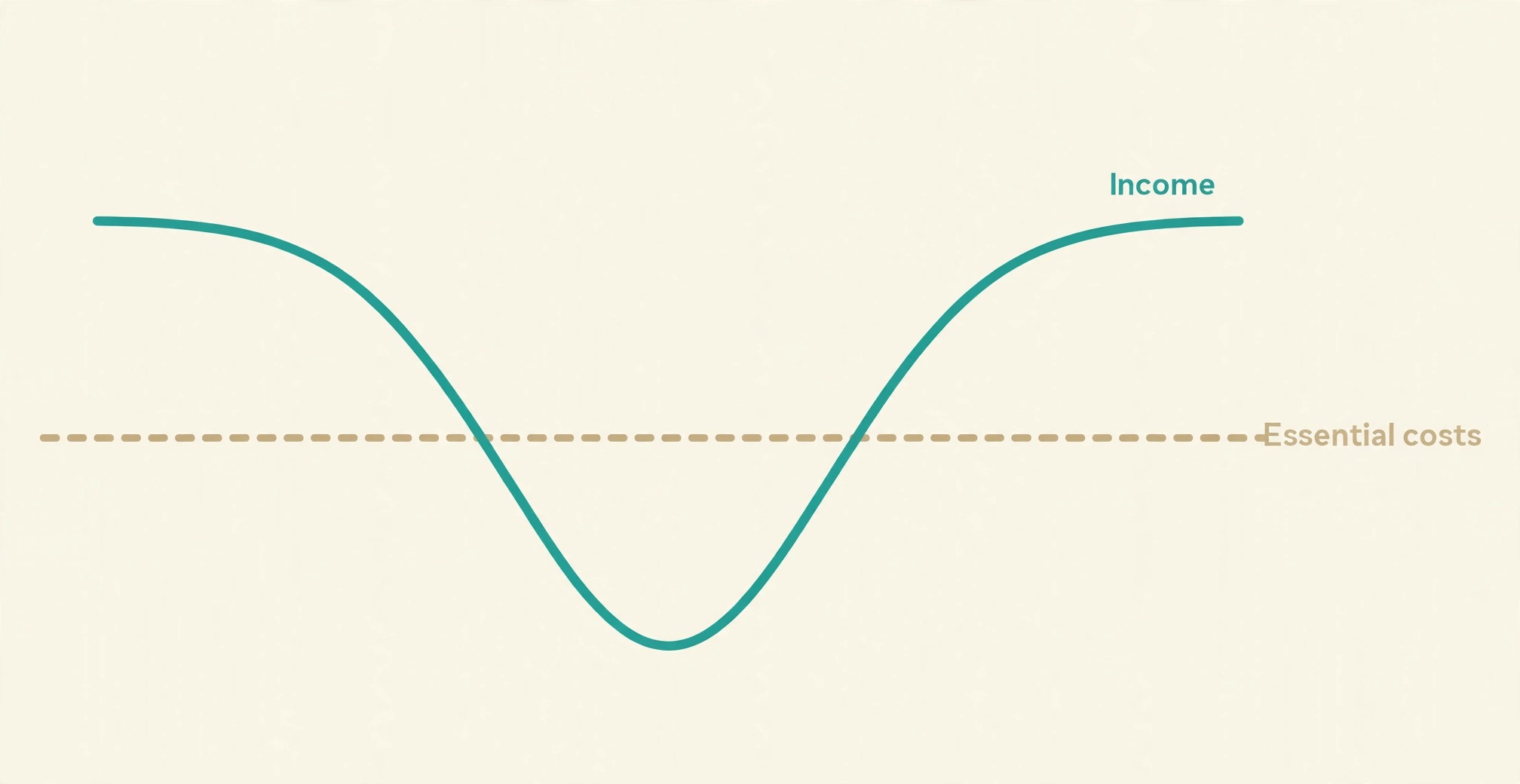
Next, calculate the essential monthly cost figure, which is the cost of keeping the business open and legal during a slow month. Include rent, insurance, core software, phone, loan payments, and any salary that cannot be paused. Exclude discretionary spending, growth projects, and owner extras that can wait. That essentials figure, multiplied by the length of your slow season, gives the reserve target that the tiers section below builds toward. Until you know that number, every other slow season decision is guesswork, because you cannot judge whether an offer, a saving, or a financing option actually closes the gap.
Finally, assign an owner and a date to each part of the plan. Cash reserves need a transfer schedule and a separate account. Offers need a launch date before the slow season starts, not during it. Staffing changes need conversations weeks ahead, not on the first quiet Monday. Maintenance work needs a list made during the busy season, when problems are visible. Marketing for the next peak needs a calendar that starts during the slow season, not after it. A plan without owners and dates is a wish list, and slow seasons do not respect wish lists.
Map Your Year and Forecast Monthly Cash Flow
A monthly cash flow forecast for twelve months ahead is the most useful document a seasonal business can own. Build it from your own history, month by month, with expected income, essential costs, discretionary costs, and the resulting balance. Run three versions, a likely version based on last year, a weak version with income lower than expected, and a strong version with income higher than expected. The weak version is the one that tests the plan, because it shows whether the reserve and the offers cover the gap when the slow season runs longer or deeper than hoped.
Update the forecast monthly during the slow season, not quarterly, because conditions change fast when income is thin. Compare actual income and costs with the forecast, note the variance in one line, and adjust the next month spending or offer activity accordingly. A forecast that is never updated becomes fiction within weeks, and decisions made from fiction are worse than decisions made from a simple bank balance, because fiction carries false confidence. A forecast updated monthly stays honest, even when the news is bad, and honest bad news early is far more useful than a surprise later.
Watch inventory and receivables as closely as cash itself. Overstocking during quiet periods ties cash up in products that will not sell until peak, which deepens the gap the reserve must cover. Order for the slow season based on slow season demand, not on peak season habits or supplier incentives to buy in bulk. Chase receivables promptly, because a customer payment that slips from a slow month into the next month can be the difference between covering rent and borrowing to cover it. Invoice immediately on delivery or completion, follow up promptly when payment is late, and offer clear payment options that make paying easy.
Cash Reserve Tiers
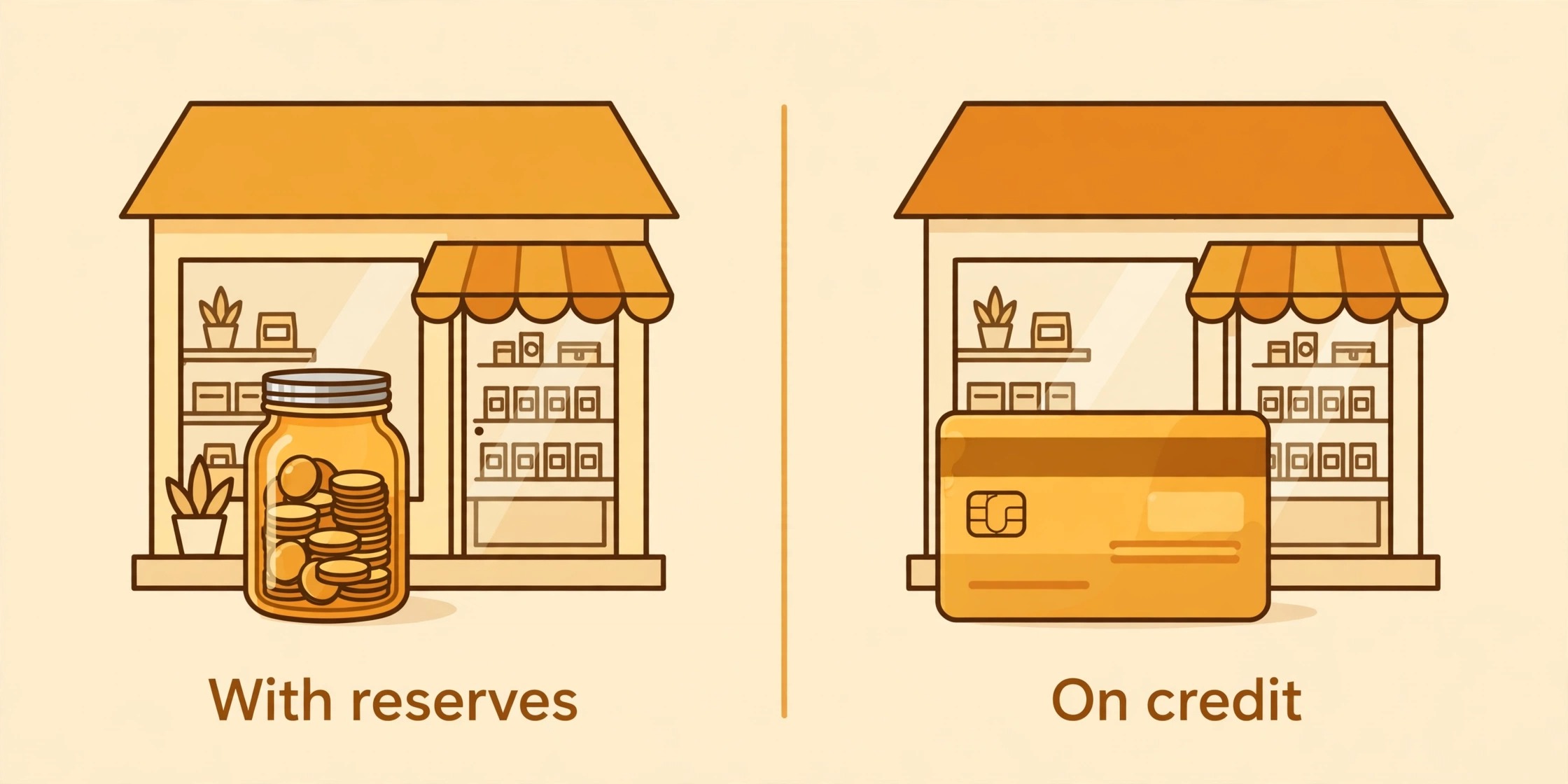
Cash reserve tiers are the overview proof for this guide, because a single savings target without tiers is either too vague to act on or too large to feel achievable. Build the reserve in three tiers, in order, and keep each tier in a separate savings account from operating cash and from tax money. Separation matters, because money sitting in the operating account gets spent by optimism, while money in a labelled reserve account gets spent only by decision.

Tier one covers one month of essential costs, and it is the first target for every seasonal business. A common practitioner guideline is to hold one to three months of essential costs as a starting buffer, with seasonal businesses often advised to hold more where the slow season is long. Treat that guideline as a starting point for your own calculation, not as a rule, because your slow season length and your fixed costs determine the right figure. Tier one turns a bad month from a crisis into a manageable dip, because the essentials are covered while you adjust.
Tier two covers the full slow season of essential costs, and it is the target for businesses with a predictable quiet period of two months or more. Calculate it as essential monthly costs multiplied by slow season months, and build it during peak season with a fixed transfer from every receipt. The transfer habit matters more than the transfer size at first. A fixed share of each peak receipt, moved on receipt, builds the reserve without a monthly decision that can be postponed. When peak ends, refill discipline continues in reverse. The first use of returning peak income is to refill the reserve, before spending on extras, so the next slow season starts protected.
Tier three is a buffer above the slow season target, held for surprises such as an equipment failure, a delayed large payment, or a slow season that runs a month longer than expected. Tier three does not need to be large to be useful. Even one extra month of essentials changes the psychology of a slow season, because decisions can be made calmly instead of under cash panic. Keep tier three separate from growth funds, so it is not spent on an attractive opportunity that leaves the business exposed. Growth spending belongs in the plan after reserves are full, not before.
Worked planning examples make tiers concrete. The figures here are illustrative planning examples, not market claims, and you should replace them with your own costs. Suppose essential monthly costs are 2,000 currency units and the slow season lasts three months. Tier one is 2,000 units. Tier two is 6,000 units. Tier three adds a further 2,000 units, for a total reserve target of 8,000 units. If peak season lasts six months, building tier two needs a transfer of 1,000 units per peak month, which is a clear, checkable habit. If that transfer feels impossible, the plan has exposed a pricing or cost problem that must be fixed in peak, not discovered in the slow season.
Cut Costs Without Cutting Capacity
Cost discipline in a slow season means pausing what can be paused and protecting what creates future revenue. Cost discipline is the leak plug in how to handle seasonal slow months small business owners fund from reserves. Start with subscriptions and services that will not be used during quiet weeks, such as seasonal software seats, advertising that targets peak demand, and supplies ordered on peak habit. Pause or downgrade them explicitly, with a restart date noted, rather than letting them run unnoticed. Review every automatic payment against the question of whether it earns its place in a slow month, and cancel or pause anything that does not. Small leaks add up fastest when income is thinnest.
Negotiate payment timing with suppliers before the slow season, not during it. Ask about extended terms for slow months, smaller more frequent orders, or a seasonal schedule that matches your cash pattern. Suppliers who understand the pattern often prefer a reliable seasonal customer with honest timing to a customer who pays late without warning. Offer something in return where you can, such as a firm peak season order commitment or prompt payment during peak. Negotiation works best when it is a conversation about a pattern, not a plea during a crisis, which is another reason the year map and forecast matter.
Schedule large expenses for peak months where possible. Equipment purchases, major repairs, annual software renewals, and marketing investments that can be timed should land when cash is strongest, not when it is weakest. That timing rule sounds obvious and is routinely violated, because busy owners postpone purchases until they have time, which is the slow season, when they have time but not cash. Make a list of planned large expenses during peak, with a month assigned to each, and buy on that schedule. The slow season then stays for maintenance and preparation work that costs time rather than money.
Off Season Offers That Fill Quiet Weeks
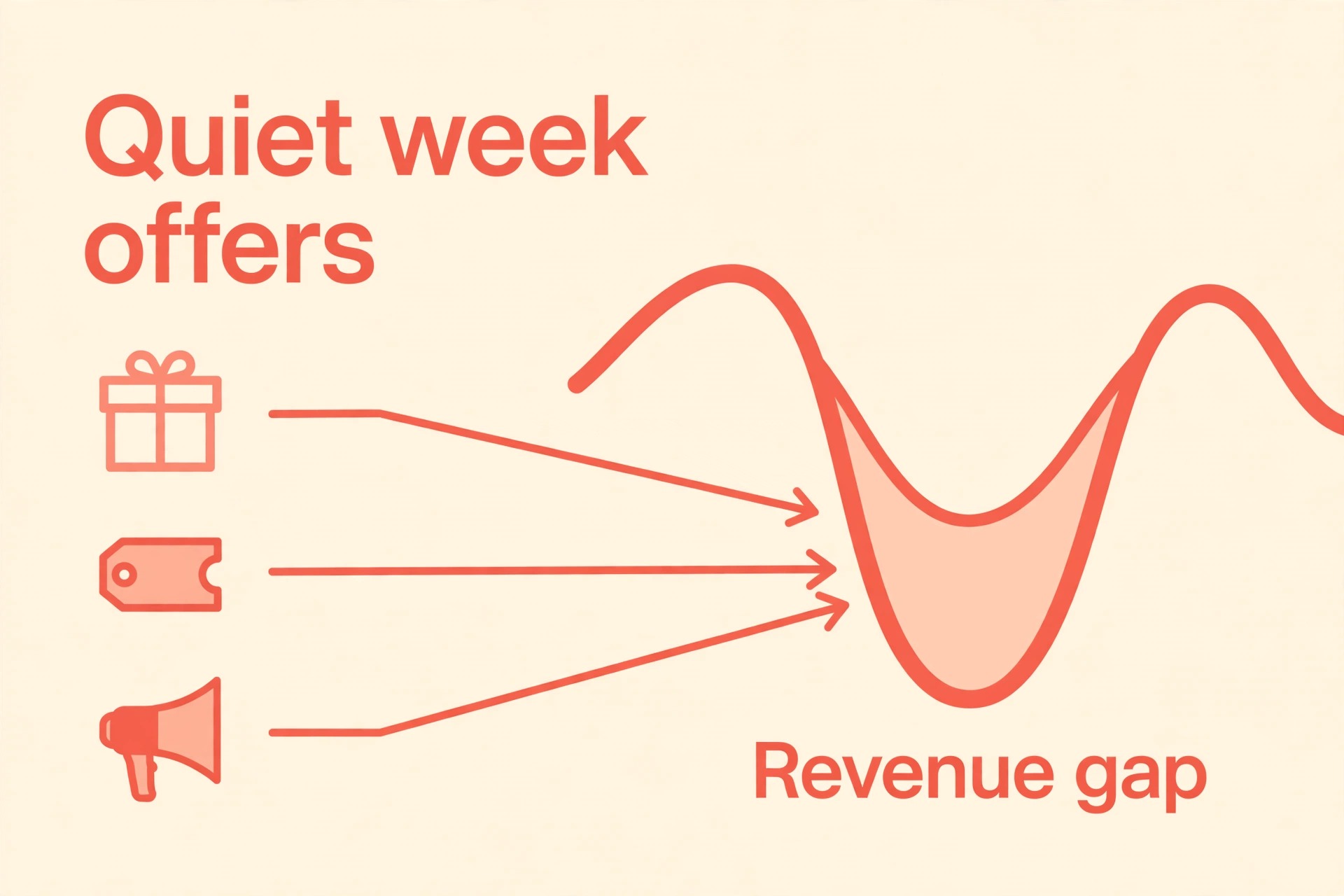
Off season offers work when they give customers a reason to buy now rather than later, without training them to expect discounts forever. Offers are the gap shrinker in how to handle seasonal slow months small business owners refuse to merely endure. Pre selling peak work is the strongest version for service businesses. Offer maintenance plans, retainers, or advance bookings that pay monthly through the slow season, in return for a secured peak slot or a modest benefit. A landscaper offering a winter care plan, a wedding supplier offering early booking for next season, or a retailer offering a pre order for a peak product all convert future demand into present cash, which is exactly what a slow season needs.
Midweek and quiet week offers work for hospitality, retail, and experience businesses. A midweek special, a quiet week bundle, or a voucher redeemable only during slow weeks moves demand into the gap instead of discounting peak demand. Keep the offer specific and time bound, with a clear reason tied to the quiet period, such as a midweek menu, a workshop in a quiet week, or a service slot that would otherwise sit empty. A generic discount with no reason teaches customers to wait for discounts. A specific quiet week offer teaches them that quiet weeks carry their own value.
Diversification deserves a careful test before it becomes a strategy. A related service that uses existing skills and equipment can genuinely fill quiet weeks. A wholly new service that needs new skills, new equipment, and new customers is a new business launched at the worst moment, and it usually loses money while distracting from the core offer. Test diversification small, with existing customers first, and measure whether it covers its own costs in the first season.
Staffing Flex That Keeps Good People
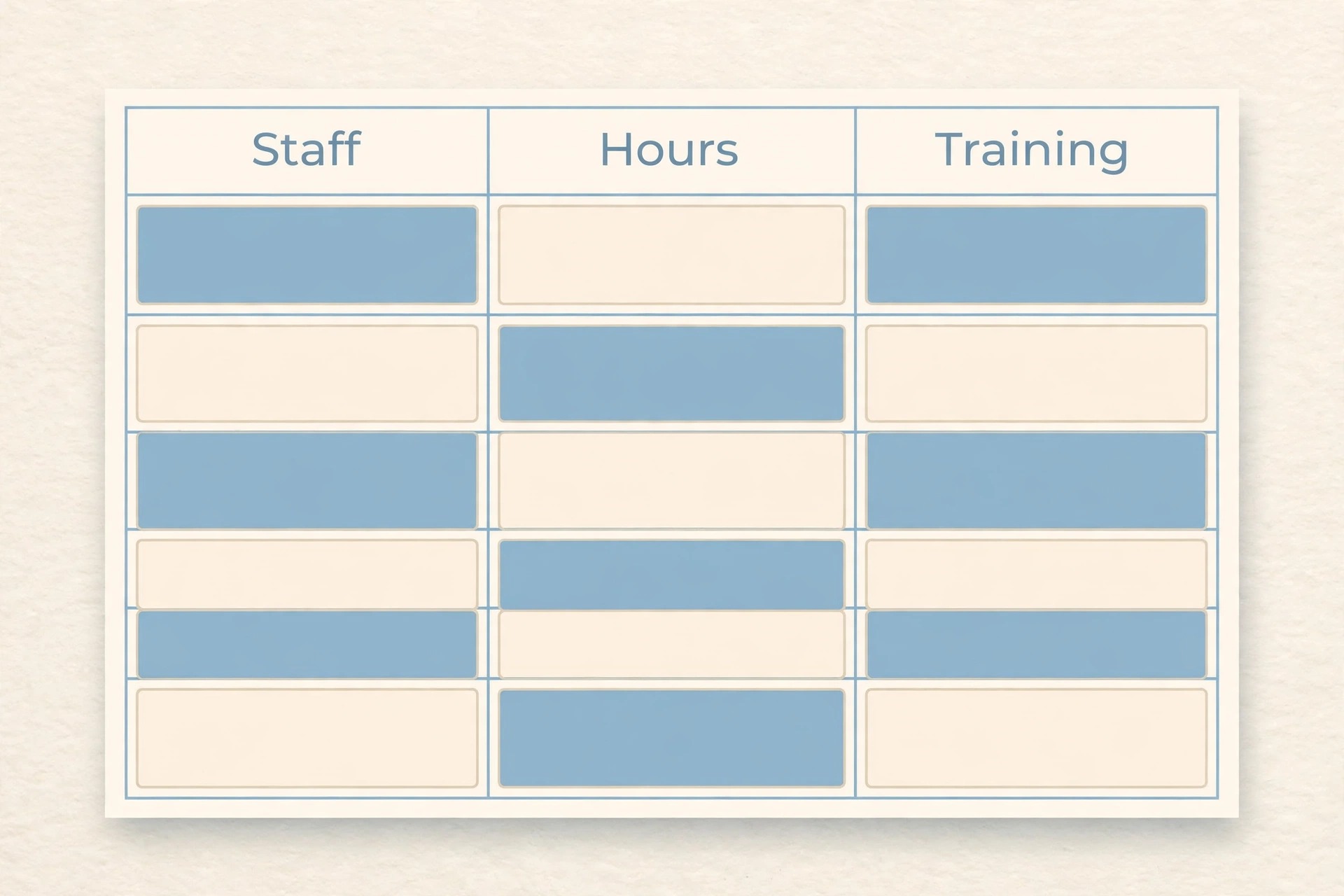
Staffing is where slow season decisions hurt most, because they affect people, not just numbers. Staffing honesty is the human half of how to handle seasonal slow months small business owners get right. Plan flexibility before the slow season, in conversation with staff, rather than imposing cuts on the first quiet week. Options include reduced hours agreed in advance, cross training so fewer staff cover more roles, seasonal contracts that are honest about their length, and time off scheduled during quiet weeks when staff may prefer it.
The right mix depends on the team, the law in your area, and the skills you must retain for peak. Check employment rules that apply to your business before changing hours or contracts, and put agreed changes in writing.
Cross training is the highest value slow season staffing investment. A team member who can cover reception, packing, and basic service work gives the business flexibility without extra headcount, and gives the employee broader skills and more secure hours. Use quiet weeks for that training deliberately, with a schedule and a named trainer, rather than assuming it will happen between quiet tasks. Training done in quiet weeks pays for itself in peak, when absence cover and demand spikes test every roster. It also signals to staff that quiet weeks are for building capability, not for waiting to be cut.
Communicate honestly about the seasonal pattern from hiring onward. Staff who understand that quiet weeks are normal, planned, and temporary handle reduced hours far better than staff who discover the pattern as a surprise. Share the year map in simple form and give as much notice as possible for any change. Good people leave businesses that surprise them with cuts. They stay with businesses that plan openly, even when the plan includes lean weeks, because predictability is a form of respect.
Maintenance Backlog. Use Quiet Weeks Well
Every business accumulates a maintenance backlog during peak, when serving customers rightly comes first. Quiet week work is the hidden return in how to handle seasonal slow months small business owners use well. The slow season is the time to clear it, and a written backlog list made during peak is the tool that makes that possible. List repairs, deep cleaning, equipment servicing, stockroom organisation, website updates, price list reviews, and process fixes, with an owner and a week assigned to each. A backlog list without owners and weeks becomes a list that is admired and never cleared. A backlog list with owners and weeks becomes visible progress that lifts morale during quiet weeks.
Use quiet weeks for training and systems work that peak never allows. Train staff on new tools, document the processes that currently live only in the owner head, update the pricing and supplier lists, and fix the small frictions customers mention but never complain about loudly. That work rarely shows up in slow season revenue, which is why it is tempting to skip it, but it shows up in peak as faster service, fewer errors, and less owner firefighting. A slow season spent only waiting is a wasted asset. A slow season spent on systems is an investment that peak repays.
Prepare marketing assets during quiet weeks. Write the peak season service descriptions, photograph products properly, gather customer testimonials while recent customers are still reachable, and update the website pages that peak visitors will land on. That content work costs time, which quiet weeks have, and it prevents the peak season scramble where marketing is written hastily between jobs. Quality marketing made calmly outperforms rushed marketing made under peak pressure, and quiet weeks are the only time calm production is possible.
Slow Season Action Checklist
Use this checklist before the slow season starts, and review it monthly while the slow season runs. It is the overview proof for this guide, because a slow season survived on luck teaches nothing for the next one.
1. Cash reserve tiers set, with tier one covering one month of essentials, tier two covering the full slow season, and tier three as a surprise buffer, each in a separate account from operating cash and tax money. 2. Off season offers launched before the slow season, covering pre sold work or retainers, quiet week offers, and vouchers redeemable only in slow weeks, each with a clear end date. 3. Maintenance backlog listed during peak, with an owner and a week assigned to each item, covering repairs, training, systems documentation, and process fixes. 4. Staffing flex agreed in advance and in writing, covering reduced hours where needed, cross training schedules, seasonal contract terms, and notice periods for any change. 5. Pre season marketing calendar built during the slow season, covering content, email, partnerships, and early booking offers timed to build demand before peak returns. 6. Cost discipline reviewed monthly, covering paused subscriptions, supplier terms for slow months, and large expenses scheduled for peak months. 7. Forecast updated monthly during the slow season, comparing actual income and costs with the weak version, and adjusting spending or offers when variance appears.

Pre Season Marketing Calendar
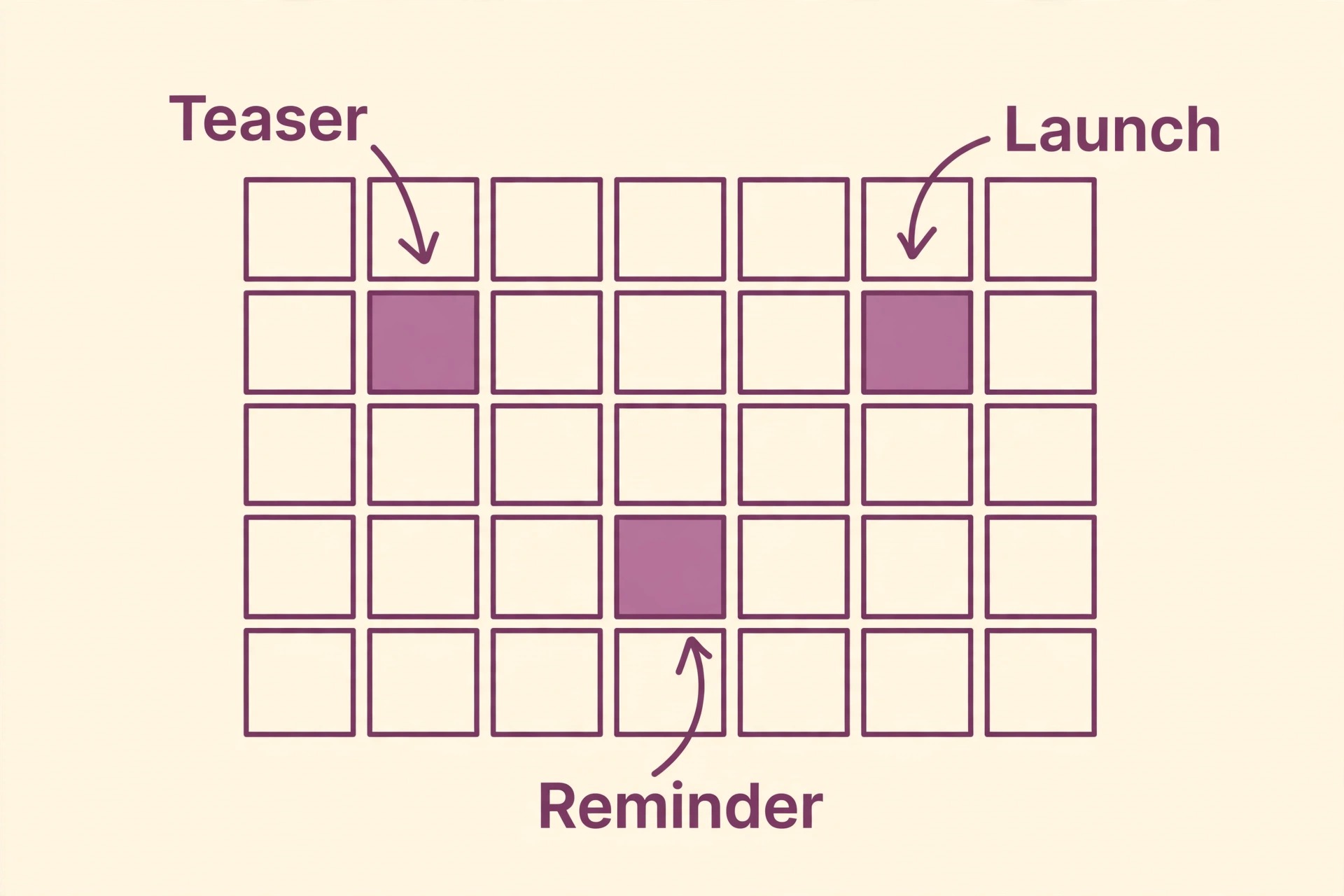
Marketing for the next peak should start during the slow season, not after it, because demand built early arrives steadily instead of in a last minute rush. Early marketing is the demand builder in how to handle seasonal slow months small business owners turn into stronger peaks. Build a simple calendar working backward from peak start. Eight weeks before peak, publish useful content that answers the questions peak customers ask, such as how to choose, how to prepare, or what to book early.
Six weeks before peak, email past customers with a genuine reason to book early, such as a secured slot or a limited early schedule, not a generic discount. Four weeks before peak, activate partnerships with complementary local businesses, sharing promotions or joint events that reach each other customers. Two weeks before peak, confirm bookings, remind early customers, and prepare the service capacity the marketing has promised.
Early booking offers deserve the same discipline as flash discounts. Offer a benefit tied to early commitment, such as a secured date, a priority slot, or a small bonus service, rather than a deep price cut that devalues peak pricing. Early bookings help planning as much as revenue, because they let the business staff, order, and schedule with confidence instead of guessing. Track which early offer actually produced bookings, and which produced only enquiries, so next year calendar repeats the winner and drops the loser. Marketing without tracking is spending, not investment.
Collaborate with other local businesses during quiet weeks, when everyone has time to talk. Joint events, shared promotions, seasonal markets, and referral arrangements can draw a larger customer base than any single business alone, and they cost little more than coordination. Choose partners whose customers overlap with yours but whose offers do not compete directly, and agree on the shared message and the dates before promoting anything. A partnership announced without agreed dates and messages creates confusion that damages both businesses. A partnership planned in the slow season arrives in peak as a ready audience.
Financing Options and When to Use Them
Financing has a legitimate place in seasonal planning, provided it is arranged calmly and used for a known gap, not for a surprise. A line of credit arranged during peak, when the business looks strongest, is far easier to secure and cheaper to hold than emergency borrowing during a slow month. Invoice financing can accelerate payment for work already done, where that fits the business model. Supplier terms, negotiated in advance, can shift costs to match income timing. Each option should be compared on total cost and on the repayment schedule, and each should be tied to the forecast, so borrowing covers a defined gap with a defined repayment month, not an open ended shortfall.
Avoid borrowing to fund discretionary spending during a slow season. Growth projects and expansion costs should be funded from peak income or a deliberate investment plan, not from a credit line drawn to survive quiet weeks. Borrowing for essentials during a genuinely longer slow season than forecast is a different decision, and it should be made with the forecast updated and a repayment plan written.
Mistakes That Turn a Slow Season Into a Crisis
The pattern behind most crises in how to handle seasonal slow months small business owners regret starts with the first mistake, which is funding the slow season on a credit card with no repayment plan. Card borrowing feels easy in the moment and becomes expensive quickly, and starting peak in debt means peak income services old borrowing instead of rebuilding reserves. The fix is the reserve tiers built in peak, plus a forecast that shows the gap early enough to adjust spending or offers before borrowing becomes the only option. Borrowing should be a planned bridge with a repayment month, not a default funding method.
The second mistake is cutting the marketing that would bring the next peak. Owners under cash pressure often cut marketing first, because it feels discretionary, and then discover that peak arrives without bookings. Protect the pre season marketing calendar as essential spending, even while pausing other discretionary costs, because it is the spending that creates the next income. Cutting it saves a small amount now and costs a large amount later, which is the worst trade in a seasonal business.
The third mistake is discounting peak prices to fill quiet weeks. A deep discount in a slow month that carries no quiet week restriction teaches customers that the peak price is negotiable, and peak revenue falls as customers wait for the next discount. Keep slow season offers specific to quiet weeks, with clear end dates and a reason tied to the quiet period, and protect peak pricing as a separate matter. Quiet week value and peak value are different products, and pricing them as if they were the same damages both.
The fourth mistake is doing nothing during quiet weeks. A slow season spent waiting, without maintenance, training, systems work, or marketing preparation, wastes the one resource quiet weeks offer in abundance, which is time. Even a small daily list, with one maintenance item and one marketing item per day, compounds over a slow season into a visibly stronger business. Time is the slow season asset. Spending it deliberately is what separates businesses that return stronger from businesses that merely return.
The Slow Season Verdict for a Small Business
A slow season handled well looks boring from the outside. Reserves cover essentials, offers bring some revenue forward, staff work flexible hours they agreed to in advance, maintenance lists shrink week by week, and marketing for the next peak builds steadily. That boring picture is the goal, because it means the business is not improvising under pressure. It is executing a plan made when cash and calm were available, which is the only time good seasonal plans get made.
Start with the year map and the essentials figure this week, while the pattern is fresh. Build tier one, then tier two, launch one quiet week offer before the slow season starts, and write the maintenance list during the next busy week. Review the forecast monthly and let each slow season teach the next one what to change.
Frequently Asked Questions
How large should a seasonal business cash reserve be?
Build it in tiers from your own essential costs. Tier one covers one month of essentials. Tier two covers the full slow season of essentials. Tier three adds a buffer for surprises. A common practitioner guideline is one to three months of essential costs as a starting buffer, with seasonal businesses often advised to hold more where the slow season is long. Replace any guideline with your own calculation, using essential monthly costs multiplied by slow season months.
Should a seasonal business cut staff during slow months?
Prefer agreed flexibility over sudden cuts, and plan it before the slow season with staff input. Options include reduced hours agreed in advance, cross training, seasonal contracts that are honest about their length, and time off scheduled during quiet weeks. Check employment rules that apply to your business before changing hours or contracts, and put agreed changes in writing. Good people stay with businesses that plan openly, even when the plan includes lean weeks.
What kind of off season offer works without damaging peak prices?
Offers tied specifically to quiet weeks, with a clear end date and a reason connected to the quiet period, such as a midweek special, a quiet week bundle, a maintenance plan, or a voucher redeemable only in slow weeks. Pre sold peak work and retainers also help, because they convert future demand into present cash without discounting peak prices. Avoid generic discounts with no quiet week restriction, because they teach customers to wait for discounts at peak too.
When should a seasonal business start marketing for peak season?
During the slow season, working backward from peak start. Publish useful content about eight weeks before peak, email past customers about six weeks before peak with a genuine early booking reason, activate partnerships about four weeks before peak, and confirm bookings about two weeks before peak. Marketing cut during a slow season to save money usually costs far more in missing peak bookings than it saves.
Is borrowing a good way to get through a slow season?
Borrowing arranged calmly for a defined gap, with a written repayment month, can be a legitimate bridge, especially a line of credit arranged during peak when the business looks strongest. Borrowing without a repayment plan, or borrowing to fund discretionary spending during quiet weeks, usually deepens the problem, because peak income then services old borrowing instead of rebuilding reserves. Know the gap from the forecast before drawing any funds.
How often should a seasonal business update its cash flow forecast?
Monthly during the slow season, comparing actual income and costs with the forecast, including a weak version with lower than expected income, and adjusting spending or offers when variance appears. A forecast updated monthly stays honest even when the news is bad. A forecast written once and never updated becomes fiction within weeks, and decisions made from fiction carry false confidence at exactly the moment accuracy matters most.
More Reading on Stratilyze
– Best Accounting Software for Restaurants – How to Automate a Small Business with AI – Best CRM Software for Consultants – Best Customer Feedback Software for Small Business