
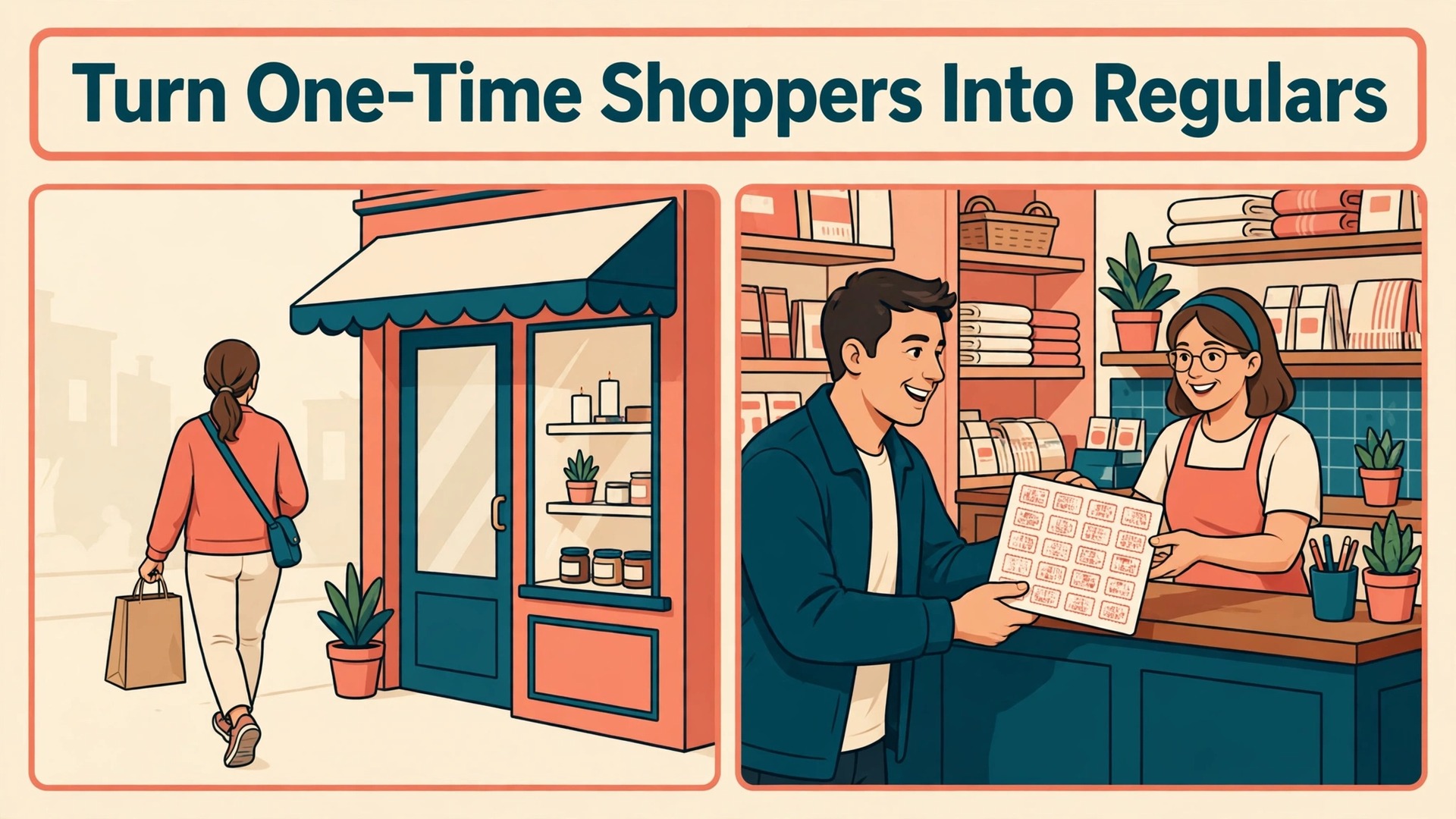
A blanket discount brings a shopper back once. A loyalty program brings that same shopper back again and again, because every visit moves them closer to something they have already earned. That difference is why a small retailer with a thin advertising budget often gets more from a well run program than from another round of price cuts. This guide explains how to set up a loyalty program small retailer owners can run profitably, from the first reward decision to the launch week and the monthly review that keeps it honest.
A loyalty program is not a discount scheme with a prettier name. A discount scheme pays every shopper the same amount whether they have visited once or fifty times. A loyalty program pays for repeat behaviour, and it pays in a currency the customer can see growing. That visible progress is the whole mechanism. When a customer can see they are two stamps from a free item, the next visit is no longer a choice between your shop and a competitor. It is a choice between finishing something they started and walking away from it.
Small retailers have one advantage large chains do not. Staff know regular customers by name and notice when someone has not visited for a while. A program built on that familiarity feels personal rather than corporate. The risk runs the other way. A program with confusing rules, a reward nobody can reach, or a sign up process that holds up the queue will annoy the exact customers it was meant to keep. Every decision here is judged on two tests. Can a customer explain the reward in one sentence, and can staff run it at a busy counter without slowing service.
How to Set Up a Loyalty Program Small Retailer Owners Can Actually Run
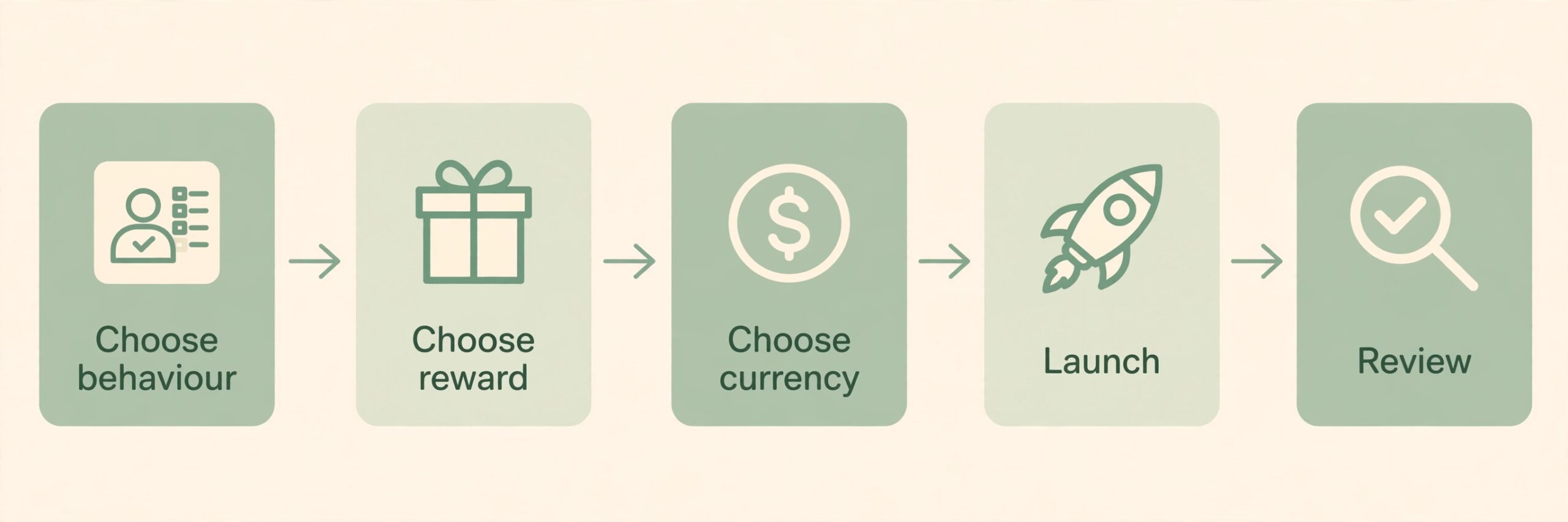
The practical sequence is short. Pick the behaviour you want to reward, choose stamps or points, size the reward against your margin, make joining effortless, train staff, set guardrails against abuse, and launch with a clear announcement. Most failed programs skip the first step and start with software. Software choice matters later, but no app fixes a reward that customers do not want or a rule they cannot understand. Work through the decisions in this order and the software decision almost makes itself.
Start by writing down what success looks like in one line. A coffee shop might want a second weekly visit from existing customers. A gift shop might want a larger basket from people who already buy. A hardware store might want trade customers to consolidate purchases in one place instead of splitting them across suppliers. Each goal points at a different reward. Visit frequency points at stamps, basket size points at points tied to spend, and consolidation points at thresholds that reward a full basket. If you cannot name the behaviour, pause before building anything, because a program without a target behaviour is just a discount with extra steps.
Budget follows the goal, not the other way around. Work out what one extra visit from a regular customer is worth after product cost, then set the reward cost below that figure with room to spare. A program that pays out more than the extra visits it creates is a slow leak, and small retailers feel that leak faster than chains because there is no head office to absorb it. The sizing section below shows the arithmetic with illustrative examples, so you can run the same sums on your own numbers before launch.
Start With the Repeat Purchase You Already Have
The strongest loyalty offers reward a habit customers already have. Look at your sales for the last three months and find the purchase that repeats most often. For a cafe it is a daily drink. For a bakery it is a weekly loaf or a Friday treat. For a pet shop it is a monthly bag of food. For a beauty retailer it is a replenishment item bought every few weeks.
Build the first version of the program around that one purchase, not around your full catalogue, because a narrow offer is easier to explain at the counter and easier to track. That evidence is the starting point whenever you plan how to set up a loyalty program small retailer customers will actually join.
Resist the urge to reward everything at launch. A program that gives points on every product, with exclusions for sale items and gift cards, needs a rule sheet customers will never read. A program that says one stamp per coffee, eight stamps for a free coffee, needs no rule sheet at all. Once the simple version runs well for a quarter, you can add a second reward for a related category. Growth comes from adding one clear reward at a time.
Talk to regular customers before you finalise the offer. Ask five of them a single question. What reward would make you choose us an extra time each month. Their answers are usually simpler than any brainstorming session. A free version of the thing they already buy beats a complicated tier or a prize draw in almost every small store test. If customers cannot name a reward they want, the problem is usually the product or the price, not the loyalty design.
Check your margin on the repeat item before promising anything. A free coffee costs you the cost of beans, milk, cup, and labour time, not the menu price, so the true cost is lower than customers think, but it is not zero. A free item with a high ingredient cost or a long preparation time is a poor reward choice. Pick a reward with a modest cost, a fast fulfilment time, and a perceived value close to the menu price. An upgrade, a small add on, or a sample size of a premium product often beats a full free item on that test, because the customer feels treated while the cost stays contained.
Stamps or Points. Choose the Currency That Fits Your Baskets
Stamps reward frequency. Points reward spend. That single distinction decides most of the design, so choose deliberately rather than copying a competitor. It is also the first decision in how to set up a loyalty program small retailer owners can explain at the counter. A stamp program gives one stamp per visit or per qualifying item, and a full card earns a set reward.
A points program gives points per unit of currency spent, and points convert into rewards at set thresholds. When baskets are similar in size, stamps are simpler and feel fairer, because every customer advances at the same pace. When baskets vary widely, points feel fairer, because a customer who spends five times as much advances five times as fast.
| Feature | Stamp program | Points program |
|---|---|---|
| What it rewards | Visits or repeat items | Total spend |
| Best basket pattern | Similar size baskets | Widely varying baskets |
| Customer message | A short sentence anyone can repeat | A balance that grows with every purchase |
| Staff effort at the counter | One tap or one stamp | Usually needs a till or app to track |
| Risk to watch | Reward reached too fast on cheap items | Points feel worthless if thresholds are high |
| Good first example | A free drink after a set number of visits | A voucher after a set spend total |
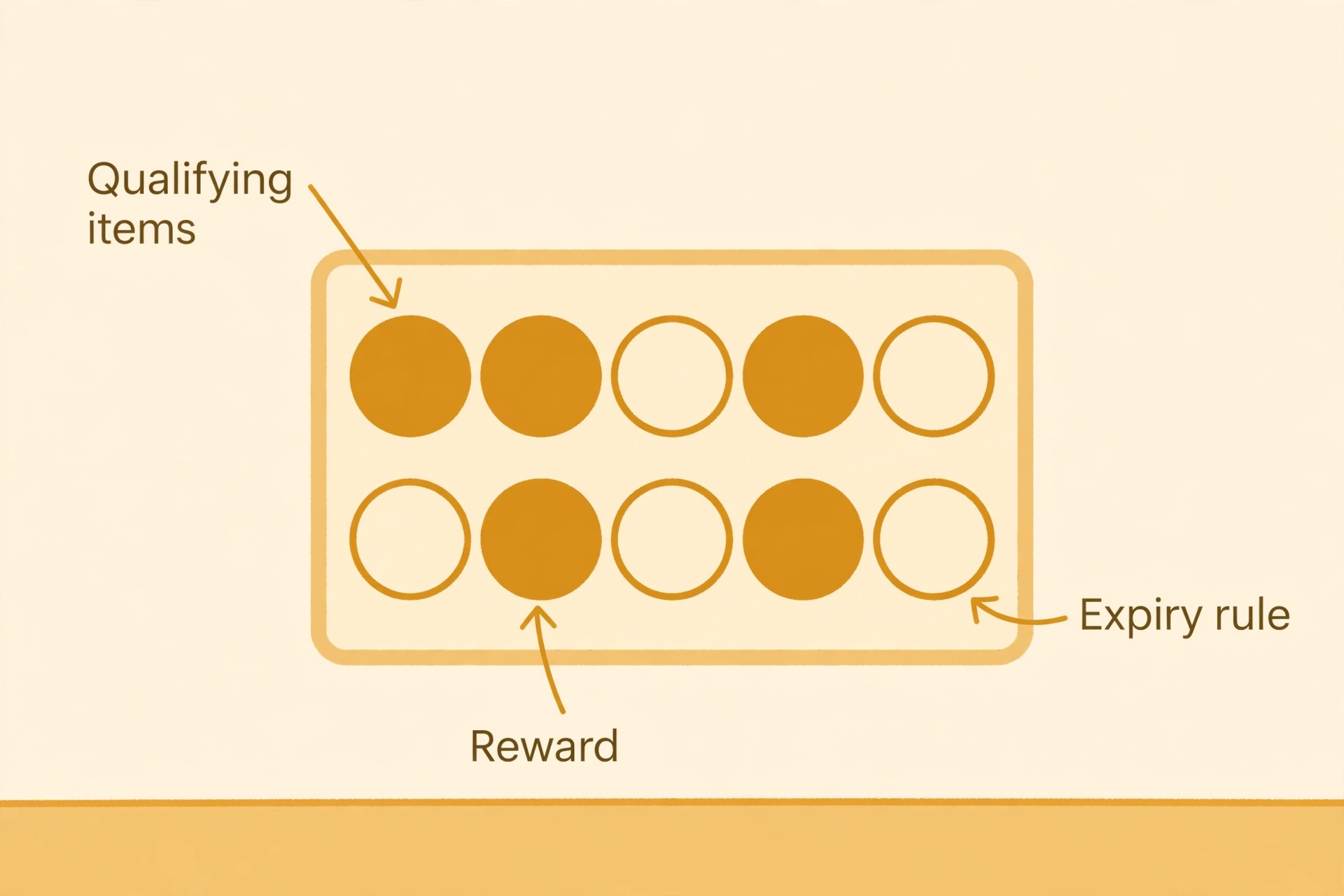
Practitioner guides agree on the practical ranges worth testing. Stamp cards commonly run six to ten stamps before a reward, with shorter cards where visits are infrequent. Points programs commonly return a small single digit percentage of spend as reward value, with lower margin businesses at the bottom of that range. Treat those ranges as starting points for your own arithmetic, not as rules to copy blindly. A shop where customers visit twice a week can support a longer card than a shop where customers visit twice a year, because the time to reward matters as much as the stamp count. A reward that takes a year to earn is not a loyalty program. It is a forgotten card.
Paper cards still have a place, but digital cards solve the two problems that kill paper programs. Customers lose paper cards, and owners learn nothing from them. A digital card saved to a phone wallet cannot be lost, and it records visit timing and average spend that paper never could. For a shop with older customers or patchy phone use, paper may still be the honest choice. If you start on paper, keep a simple tally sheet behind the counter for redemptions.
Size the Reward So It Motivates Without Eating Margin
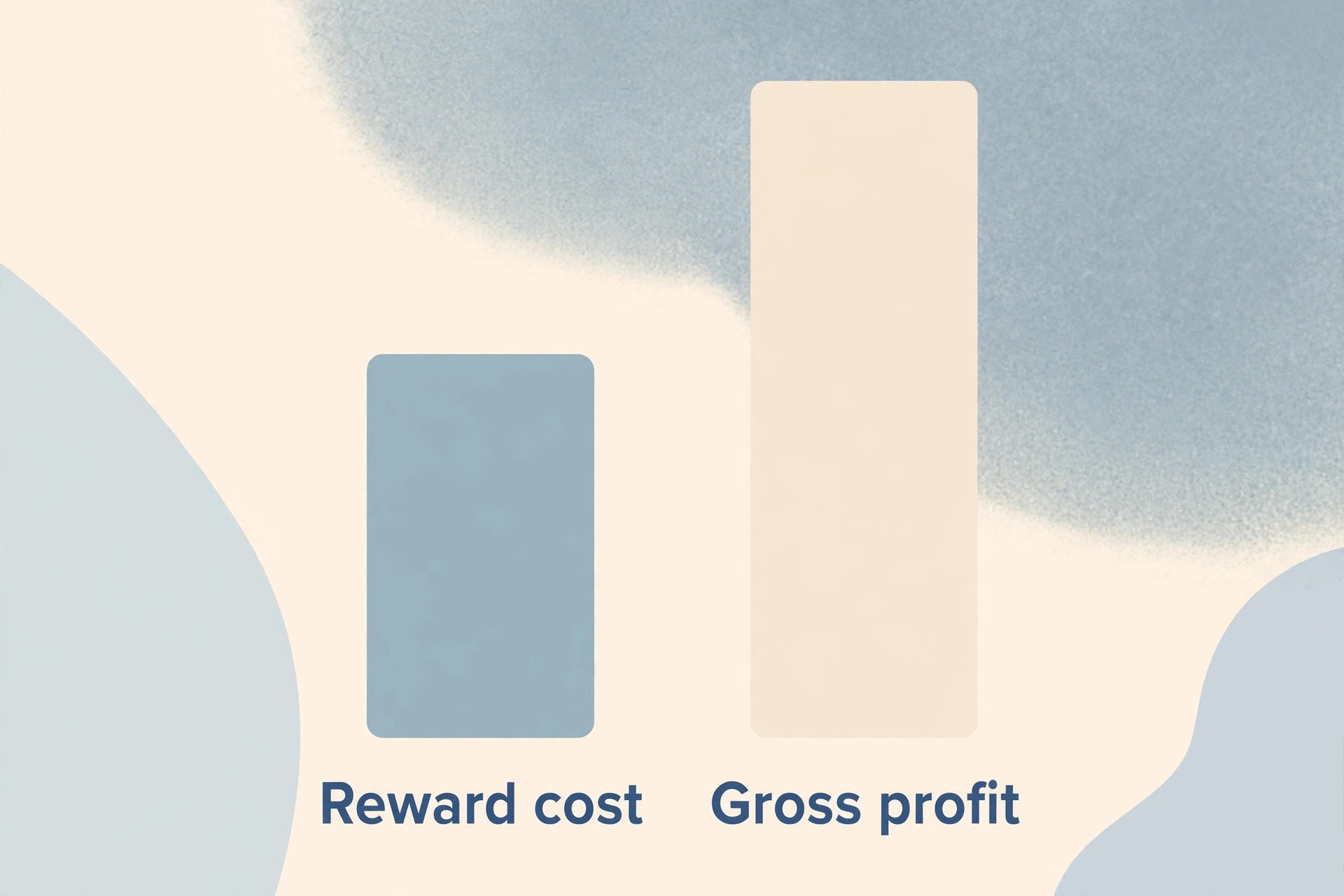
Reward sizing is arithmetic, not guesswork, and it takes ten minutes with real numbers. Start with the margin on the qualifying purchase. Subtract product cost and any card or platform fee from the selling price. That gives the gross profit per visit.
Multiply by the number of visits needed to earn the reward. That gives the gross profit earned before the reward is paid. Subtract the cost of the reward itself. If the result is comfortably positive, and the reward feels generous to the customer, the design works. If it is close to zero or negative, change the reward to a lower cost item, lengthen the card by one or two stamps, or restrict the reward to a lower cost variant. This arithmetic sits at the centre of how to set up a loyalty program small retailer owners can afford.
Worked planning examples make this concrete. These figures are illustrative planning examples, not market claims, and you should replace them with your own costs. Suppose a drink sells for 4 currency units with a product cost of 1.2 units. Gross profit per visit is 2.8 units.
A card of eight stamps earns 22.4 units of gross profit before reward. If the reward drink costs 1.2 units to make, the program keeps 21.2 units across nine visits including the free one, which is a healthy result. A reward with a higher product cost and a long preparation time may still look positive on paper, but the labour cost and the queue delay during a rush make it a worse choice. Time at the counter matters as much as cost.
Set a reward value guideline before launch and write it down. Many small retailers aim for the reward to represent roughly a tenth to a sixth of the spend needed to earn it, which keeps the offer motivating without turning it into a permanent discount.
A reward far above that band trains customers to wait for free items and can pull forward purchases without creating new ones. A reward far below it feels like a token gesture and customers stop collecting. Test the feeling, not just the maths. Tell a regular customer the offer in one sentence and watch their face. A genuine smile means the sizing is right.
Expiry and breakage need a decision at sizing time, not after launch. Breakage is the industry word for rewards earned but never redeemed, and it is not free money to celebrate. Unredeemed rewards create disappointed customers when they finally try to claim and find the offer changed. Set a generous expiry, such as twelve months of inactivity, and send a reminder before expiry where you have contact details. A program that quietly cancels rewards will cost more in lost trust than it ever saves in reward cost.
Make Sign Up Take Less Than a Minute
Sign up friction is where most small store programs die, and it deserves a hard test whenever you judge how to set up a loyalty program small retailer shoppers will finish joining. If joining needs an app download, an account, a password, and an email confirmation, most customers will politely decline at a busy counter, and staff will stop offering it.
The lowest friction option today is a wallet pass. The customer scans a QR code, taps to add the card to their phone wallet, and is done. No password, no app store, no form. A paper card is the equivalent low friction option for shops that prefer it. The customer takes a card, staff stamp it, and the program has begun.
Place the QR code where the customer is already waiting, not where they must hunt for it. The counter, the menu board, and the till screen are the three spots that work. A poster by the door is seen and forgotten by the time the customer pays. Train staff to offer the program with one sentence at the moment of payment. One stamp per coffee, eight stamps for a free one, takes five seconds to say and answers the only two questions a customer has. What do I get, and what must I do.
Collect only the details you will actually use. A name and a phone number or email for reward reminders is enough for most small retailers. Every extra field lowers completion at the counter, and data you never use becomes a privacy burden you did not need. Tell customers plainly what you will send and how often. One message when a reward is close, and one when a reward is ready, is a good starting promise.
Test sign up yourself during a rush, not during a quiet hour. Stand in your own queue, try to join while holding a coffee, and time it. If it takes more than a minute, simplify it before launch, because that is when staff will quietly stop offering a clumsy program.

Train Staff and Put the Offer Where Customers See It
Staff behaviour decides whether a loyalty program lives or dies, because customers join when a person offers it, not when a poster suggests it. It is the part of how to set up a loyalty program small retailer owners most often underestimate. Run a fifteen minute training session before launch, not a memo. Show staff how to issue a stamp or add points, how to redeem a reward, what to do when a customer forgot their card, and what to say when a customer asks whether sale items count.
Role play the two awkward cases, a customer who insists they should have a stamp from yesterday, and a customer whose reward will not scan. Staff who have practised those answers stay calm. Staff who have not will improvise, and improvisation creates inconsistent promises.
Give staff a one page crib sheet behind the counter. It should list the qualifying items, the stamp rule, the reward, the expiry rule, and the manager override for genuine mistakes. A manager can add one missed stamp with a note, but cannot create a full card. That balance protects customers from a rigid system while protecting the business from quiet giveaways.
Visibility inside the shop matters as much as staff effort. Put the reward on the menu or shelf edge next to the qualifying item, so customers see the offer at the decision point. A small sign at the till that says the reward in one sentence does more work than a large poster with a paragraph of terms. On receipts, show progress where your till allows it, because a printed reminder turns a single visit into a visible journey.
Guardrails That Keep Rewards Honest
Every loyalty program attracts a small amount of gaming, and the guardrails should be proportionate, not paranoid. Guardrails belong in how to set up a loyalty program small retailer owners write before launch, not after the first dispute. Start with the obvious rules and write them in plain language. One stamp or points award per qualifying purchase, not per item split across transactions.
Rewards cannot be combined with other promotions unless you explicitly allow it. Returned items reverse the stamps or points they earned. Staff cannot award stamps to their own cards. A reward is redeemed once, and the card resets or the points balance drops by the redeemed amount. These five rules prevent most abuse without making honest customers feel suspected.
Handle forgotten cards with generosity and a paper trail. Allow staff to add a missed stamp when the customer returns with a receipt within a short window, such as seven days, and note the adjustment. Refusing every missed stamp teaches customers that the program punishes normal forgetfulness, which is the opposite of loyalty. Recording the adjustment stops the same receipt being used twice and gives you a count of how often the problem happens. If missed stamps become frequent, the real fix is a faster sign up or a wallet card customers cannot lose, not stricter staff.
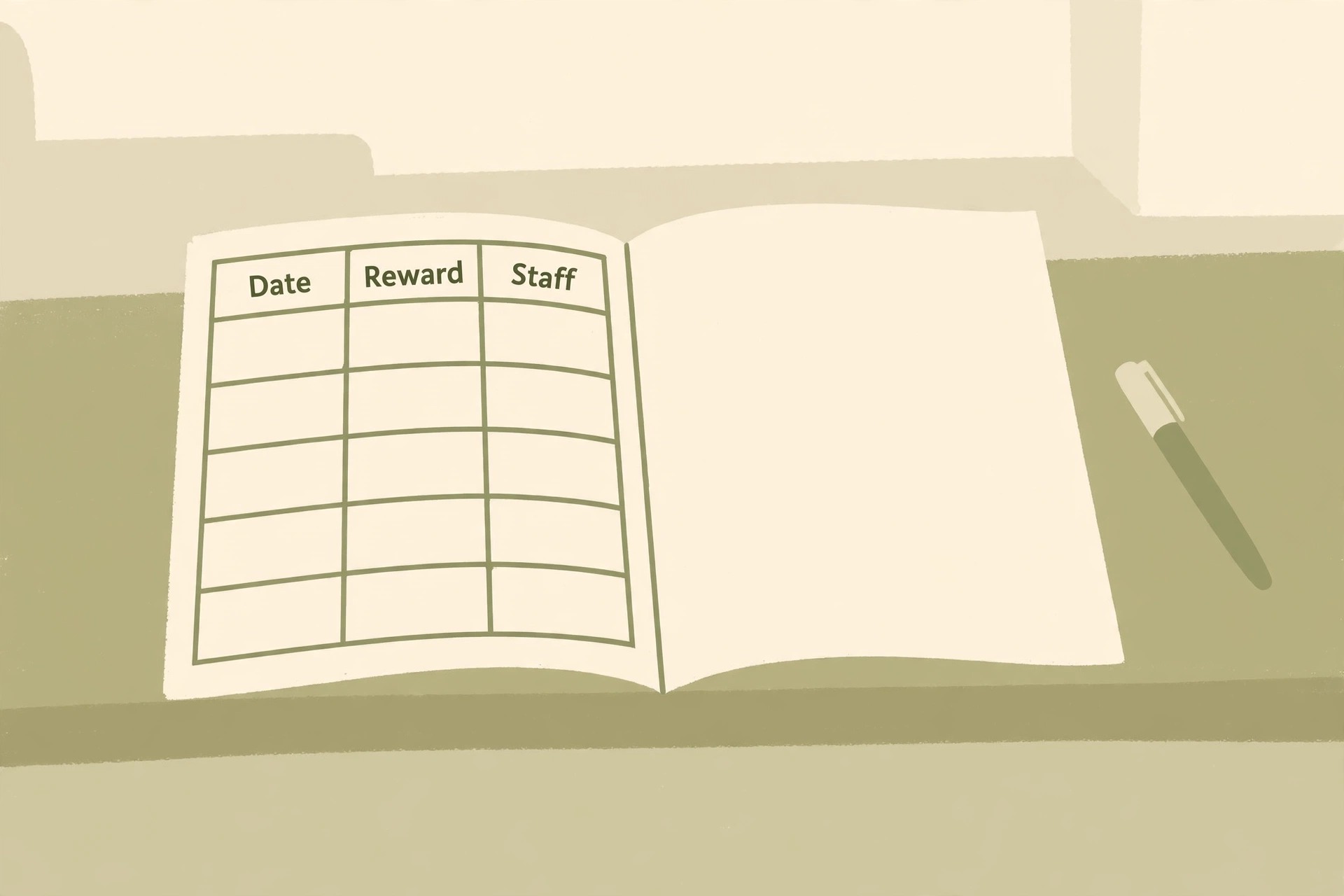
Watch redemption patterns monthly. A sudden spike in redemptions from one staff shift or a reward claimed without matching purchases deserves a quiet check of the records. Digital programs make this easy because every award has a timestamp. Paper programs need a simple redemption log, with date, reward, and staff initials. Most anomalies turn out to be a misunderstood rule rather than dishonesty.
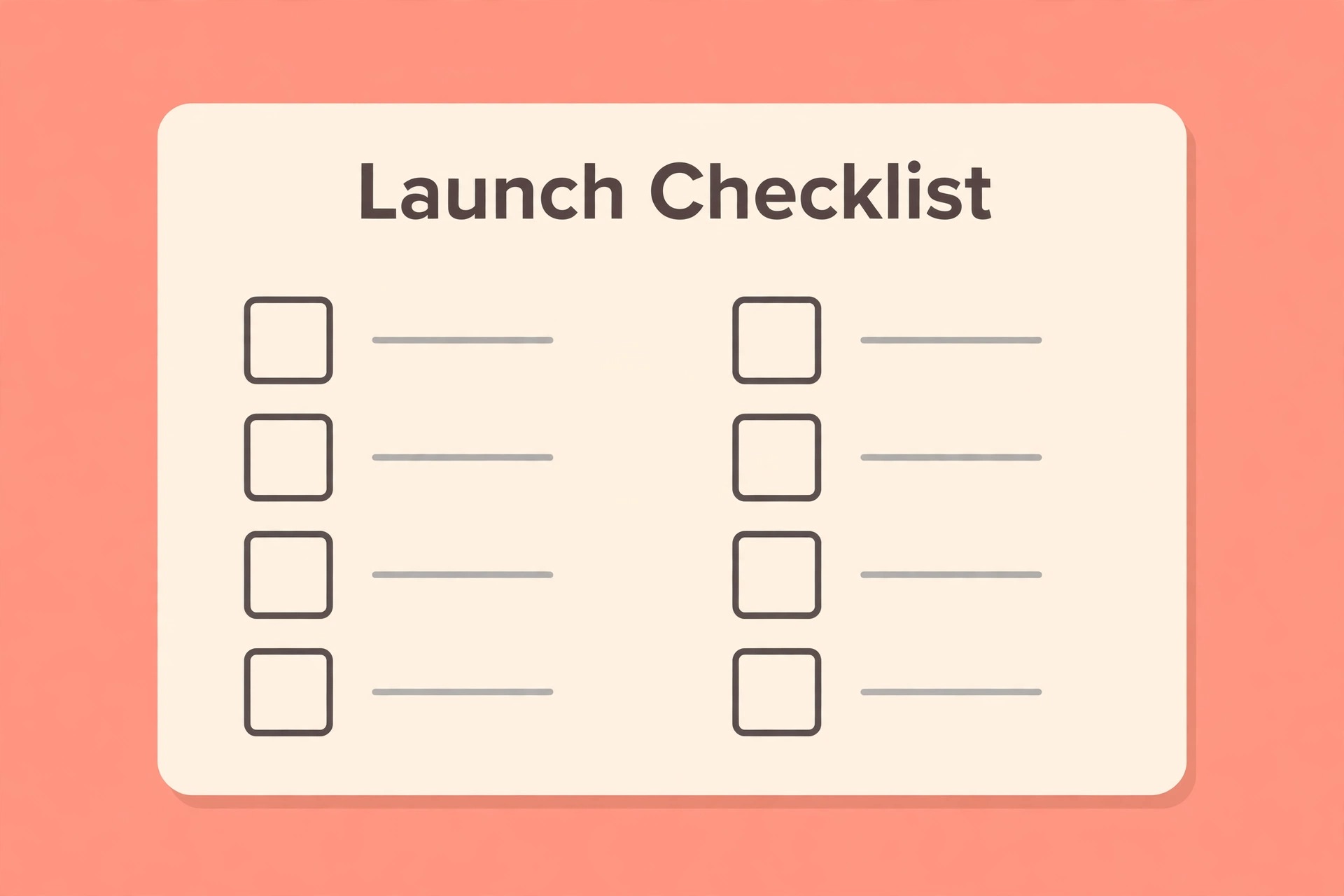
Loyalty Program Launch Checklist
Use this checklist in order, and do not announce the program until every item is ticked. It is the overview proof for this guide, because a program launched without it usually fails on a detail that was never decided.
1. Reward rules written in one sentence a customer can repeat, with qualifying items, exclusions, and expiry stated plainly. 2. Stamp or points choice made on basket evidence, not copied from a competitor, with the card length or points threshold set from your own margin maths. 3. Sign up flow tested during a busy period, taking less than a minute, with a QR code or paper card at the counter and only the contact details you will use. 4. Breakage guardrails set, including a generous inactivity expiry, a reminder before expiry, a returns reversal rule, and a manager override limit for missed stamps. 5. Launch announcement prepared for three places, in store signage at the decision point, a message to existing customers, and a social post that names the reward in the first line. 6. Staff trained with a crib sheet, including redemption steps, forgotten card handling, and the two awkward cases rehearsed before launch day. 7. Redemption log or digital record ready, so every reward given can be counted at month end. 8. First review date booked for thirty days after launch, with a named person responsible for reporting sign ups, redemptions, and cost.
Launch week itself should be simple. Announce the reward, not the mechanics. The first line of every announcement should be the customer benefit, such as a free drink after eight visits, followed by the mechanics in one short sentence. Offer a launch bonus only if it does not distort the maths, such as double stamps on the first visit, and put a clear end date on it.
Measure Whether the Program Is Working
A loyalty program without measurement is a feeling, and feelings flatter bad programs. Measurement is the part of how to set up a loyalty program small retailer owners skip, and skipping it is why weak programs survive. Track five numbers monthly, and no more at first. Sign ups per week, active members per month, repeat visit rate for members compared with non members, redemption rate, and reward cost as a share of member sales. Those five numbers answer the only questions that matter. Are people joining, are they staying active, are they visiting more, are rewards actually claimed, and is the cost contained.
Compare members with a fair baseline. Member visit frequency will look higher than average even for a useless program, because frequent visitors are the most likely to join. The honest comparison is members before and after joining. If member visits do not rise after joining, the reward is probably too small, too distant, or poorly explained. Change one variable at a time, such as shortening the card by one stamp, and watch the next month before changing anything else.
Ask members directly once a quarter. A three question survey at the counter or by message is enough. What reward would you like next, what part of the program confuses you, and would you recommend the shop to a friend because of the program. The second question is the most valuable, because confusion is the leading cause of quiet dropout. Customers rarely complain about a confusing program. They simply stop collecting, and the business discovers the problem months later when sign ups stall.
Review the reward itself every six months. Prices change, costs change, and a reward that was generous at launch can become thin after two supplier price rises. Adjust the card length or the reward item openly, with notice to members, rather than quietly changing terms. Customers accept an announced change far better than a discovered one. Keep the old reward available until its announced end date for members close to earning it, where that is practical.

Mistakes That Quietly Kill Small Store Loyalty Programs
The pattern behind most failures in how to set up a loyalty program small retailer owners regret starts with the first mistake, which is a reward nobody can reach. A card that needs twenty visits in a shop customers visit monthly takes nearly two years to complete, and by then the card is lost and the customer has forgotten why they kept it. Match card length to visit frequency so the first reward arrives within two to three months for a typical customer. Early success creates the habit that carries the program. A distant reward creates only a drawer full of half finished cards.
The second mistake is complexity added to look clever. Tiers, bonus point days, category multipliers, and partner rewards all have a place in large chains with dedicated teams. In a small shop they create questions staff cannot answer quickly, and every unanswered question at the counter costs a sign up. Launch with one reward, prove it works, and add complexity only when customers ask for it and staff can explain it without notes.
The third mistake is launching to everyone at once without a staff rehearsal. Launch day queues and staff who have never processed a redemption will produce a day of apologies that customers remember. Run a soft launch with regular customers for one week, fix the friction they find, and then announce widely.
The fourth mistake is treating the program as a discount channel. Sending members a blanket discount every week trains them to wait for discounts, which is the opposite of loyalty. Member messages should mostly be progress reminders, reward readiness notes, and early news about products they already buy. Discounts have a place, such as a birthday reward or a win back offer after a long absence, but they should be occasional and personal, not the default message.
The Loyalty Verdict for a Small Retailer
A good small store loyalty program is small on purpose. One repeat purchase, one clear currency, one reward customers genuinely want, a sign up that takes seconds, and guardrails that protect both sides. That design fits a busy counter, survives staff changes, and gives regular customers a visible reason to return. It will not fix weak products, high prices, or poor service, and it should never be sold as a cure for those problems. It amplifies a shop customers already like. It cannot rescue a shop they do not.
Start this week with the evidence, not the software. Find your most repeated purchase, run the margin maths on a reward you can afford, and ask five regular customers whether that reward would bring them back an extra time each month. If the answer is yes, build the simple version, train staff, and launch quietly to regulars first. Measure for thirty days, fix the friction, and only then announce widely. Done that way, a loyalty program becomes a quiet engine for repeat visits, built on a promise customers can understand and a cost the business can sustain.
Frequently Asked Questions
How many stamps should a small store loyalty card have?
Match the card to visit frequency so a typical customer earns the first reward within two to three months. Practitioner guides commonly suggest six to ten stamps for frequent visit shops, with shorter cards where visits are rare. Run your own margin maths on the card length, because a card that is motivating but unprofitable helps nobody, and a card that is profitable but takes a year to complete will be abandoned.
Should a small retailer choose stamps or points?
Choose stamps when baskets are similar in size and visits are frequent, because every customer advances at the same pace and the rule fits in one sentence. Choose points when baskets vary widely, because points reward spend fairly across small and large purchases. If you are unsure, stamps are the safer first version for most small retailers, since staff can run them without till integration and customers understand them immediately.
How much should a loyalty reward cost the business?
Work from your own margin, not from a copied percentage. Calculate gross profit across the visits needed to earn the reward, subtract the reward cost, and confirm the result is comfortably positive. As a planning guideline, many small retailers aim for the reward to represent roughly a tenth to a sixth of the spend needed to earn it. Replace that guideline with your own numbers before launch, and review it when supplier prices change.
Do customers still use paper stamp cards?
Paper cards still work, especially where customers are less comfortable with phones or where a shop wants the lowest possible setup effort. Their weaknesses are lost cards and no visit data for the owner. Digital wallet cards solve both problems and let customers see progress on their phone, which is why most new small store programs choose them. The right choice is the one your actual customers will carry and your staff will run reliably at a busy counter.
What happens when a customer returns an item that earned stamps or points?
Reverse the award that the returned item earned, and tell the customer plainly at the time of the return. Record the reversal so the balance stays accurate and the same purchase cannot earn twice. This rule should be written before launch and included in staff training, because inventing it during a return dispute feels arbitrary even when it is fair.
How often should a small retailer review a loyalty program?
Review the five core numbers monthly in the first quarter, then monthly as a short habit after that. Review the reward itself every six months, because prices and costs move. Ask members a three question survey once a quarter, focusing on confusion, because customers who find a program confusing usually stop collecting without complaining. Announce reward changes openly, with notice, rather than changing terms quietly.
More Reading on Stratilyze
– Best POS System for Retail Stores – Best Inventory Software for Small Retailers – Best Customer Feedback Software for Small Business – Best Review Management Software for Local Businesses