
A blogger can publish strong work for a year on a forgettable domain and watch the cost pile up in small ways. Readers mistype the address, other sites link to the wrong spelling, and the name never sticks in anyone’s head after a single visit. The best ai domain name generators for bloggers exist because naming is the one decision that follows every post, every social profile and every email you send for years, and guessing at it in a registrar search box wastes the afternoon without improving the result.
Most bloggers start with two or three obvious ideas, find them taken, then settle for a long hyphenated compromise they regret within a month. A generator changes that pattern by producing dozens of available options from one seed word, so the choice becomes a comparison instead of a staring contest with an empty search field. The difference between a decent generator and a good one is not the number of suggestions. It is whether the suggestions are short enough to say out loud, spelled the way they sound, and actually available to register.
This guide tests ten generators the way a working blogger would use them, with one seed topic run through each tool and the results judged on brandability, availability checks and the price of the name itself. Every tool below is free to search, and the only money involved is the yearly registration fee for the domain you pick. Read the glance table to shortlist two or three, then run your own seed through them before you commit.
Why a Blog Domain Carries More Weight Than the Blog Itself
A domain is the only part of a blog that appears in every single touchpoint, from the search result to the podcast intro to the business card handed over at a conference. Readers judge it in under a second, and that judgment decides whether they type it from memory later or forget the blog entirely. A name that is hard to spell aloud is a name that loses direct traffic, and direct traffic is the audience no algorithm can take away.
Search engines do not reward clever names directly, but they reward the behaviour a good name creates. People click a clear, memorable domain more often in the results, they link to it with the exact words you want, and they return without searching again. A clumsy name does the opposite at every step, and no amount of good writing repairs a name that readers cannot remember or spell. That is why the naming hour matters more than most bloggers expect.
Bloggers also face a constraint other founders do not. The name has to work as a brand, a social handle and a future book or course title at the same time, and it has to survive the blog changing direction. A name tied to one narrow topic becomes a cage when the writing grows, while a name with room in it can stretch. The best ai domain name generators for bloggers handle that tension by mixing invented words, real-word combinations and short brandable forms, so you can compare directions instead of committing to the first idea that clears availability.
The 10 Tools at a Glance
| Tool | Main job | Best for | Starting price |
|---|---|---|---|
| Namelix | Invents short brandable names | Bloggers wanting an original brand | Free to generate |
| DomainWheel | Keyword combinations and rhymes | Fast brainstorming volume | Free |
| Nameboy | Keyword plus prefix and suffix names | Simple direct names | Free |
| Atom | AI names plus naming contests | Bloggers wanting human ideas too | 99 dollars per contest |
| Novanym | Premium brandable names | Bloggers ready to buy a finished name | 49 dollars one time |
| Looka | Names with logos and brand kits | Bloggers who also need a logo | 20 dollars one time |
| Brandsnap | Names with social handle checks | Validating a name everywhere | Free tier |
| Namecheap AI | AI suggestions inside a registrar | Registering the pick at once | Free with account |
| GoDaddy AI Domain Search | AI suggestions with instant purchase | Quick registration | Free to search |
| Hostinger AI Domain Generator | AI names tied to hosting | Bloggers starting on Hostinger | Free to search |
Best Pick by Job
| Job type | First pick | Second tool | Why this pair works |
|---|---|---|---|
| New blog, no name yet | Namelix | DomainWheel | Namelix invents the brand, DomainWheel fills the gaps with combos |
| Personal brand blog | Brandsnap | Looka | Brandsnap checks the handles, Looka builds the visual identity |
| Niche topic blog | Nameboy | Namecheap AI | Nameboy finds the direct keyword name, Namecheap AI registers it |
| Ready to invest in a name | Atom | Novanym | Atom runs a contest, Novanym sells finished premium names |
The pair approach matters because no single option among the best ai domain name generators for bloggers covers every angle, and the second tool catches what the first one misses. Run your seed through the first pick, save the five names you like best, then run the same seed through the second tool and compare the two lists side by side. The name that appears in spirit on both lists, or the one that survives the comparison without losing its appeal, is usually the right one to register.
How to Judge the Best AI Domain Name Generators for Bloggers
Judge a generator by the names it returns for a seed you actually plan to use, not by its marketing page. Type in your topic, read the first twenty suggestions out loud, and count how many you could say to a stranger without spelling them. A tool that returns twenty spellable names from one seed is doing real work, while a tool that returns keyword soup with numbers and hyphens is wasting your time. Availability checking has to be instant and honest, because a beautiful name you cannot register is not a suggestion at all.
Price deserves a second look, because the generator is free and the domain is not. A standard dot com usually costs between ten and twenty dollars a year, with a cheaper first year and a higher renewal, so read the renewal figure before you buy. The best ai domain name generators for bloggers show that renewal price next to the suggestion instead of hiding it behind checkout, and the ones that do not should lose points in your judgment no matter how clever their names sound.
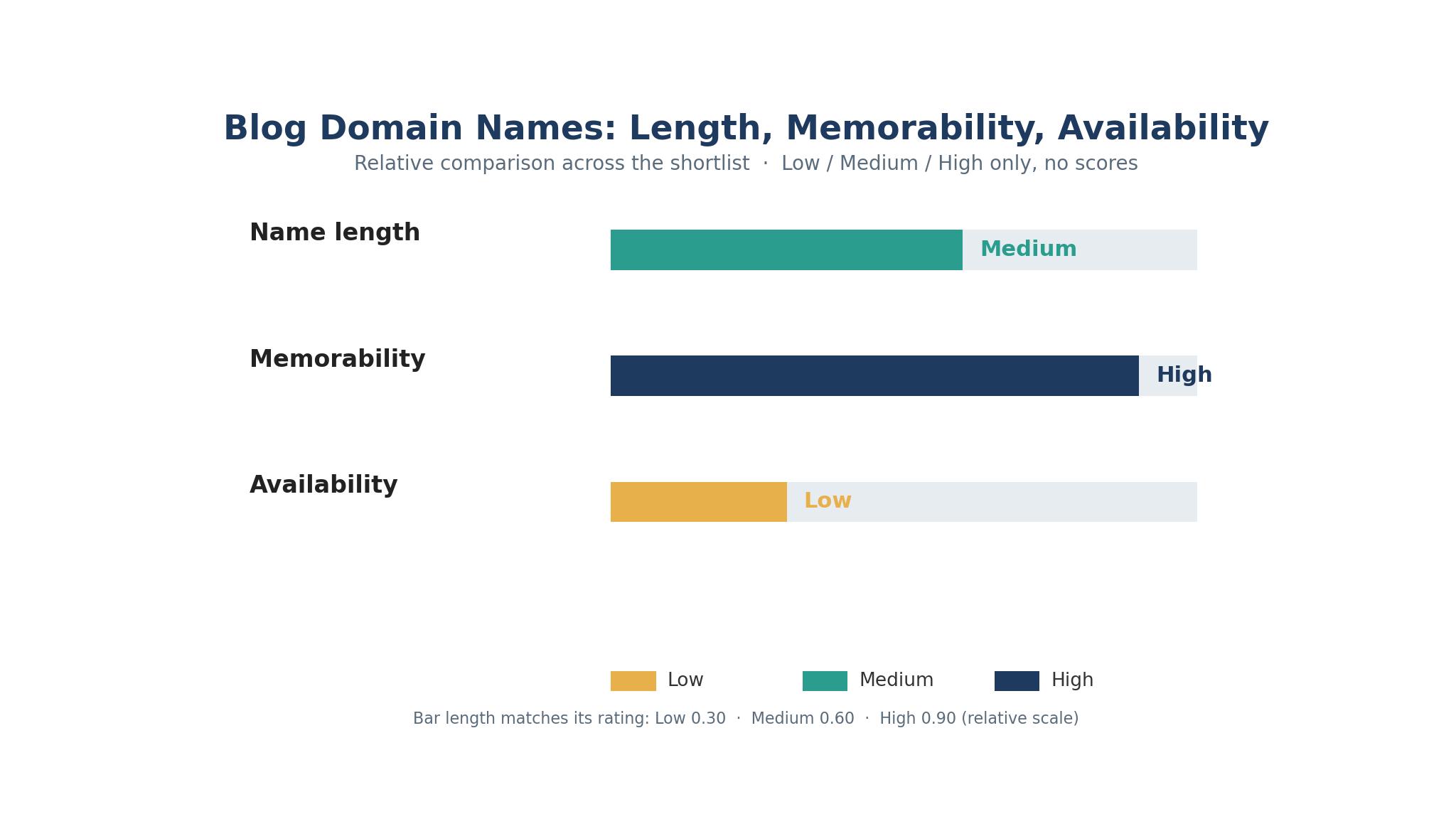
Length, spelling and future room are the three tests every finalist should pass. Keep the name under fifteen characters when you can, avoid double letters that people mistype, and ask whether the name still fits if your blog adds a second topic next year. Run a quick trademark search and check the main social handles before you register, since a name that collides with an existing brand or a taken handle creates trouble that a generator never warns you about.
The 10 Tools in Detail
Ten generators made this list because each one is live, free to search and genuinely useful for a blogger starting from a blank page. The notes below follow the same order as the glance table, and each one names the price, the strength and the catch.

1. Namelix
Namelix asks for a few keywords and a one-line description of the blog, then generates short invented names shown as simple logo mockups. The engine favours pronounceable words that do not exist yet, which is exactly what a blogger needs when every obvious dot com is already taken. You can filter by length, style and randomness, and saving names teaches the tool what you like.
The free tier is generous enough to run dozens of searches, and the logo previews make it easy to picture the name on a site header before you commit. Namelix links straight to a registrar for the names it finds, so the step from idea to ownership is short. For a blogger who wants a brand rather than a keyword string, this is the strongest starting point in the whole roundup.
Short invented names can drift into odd territory, and after fifty results the suggestions start repeating their own patterns with small changes. The paid plan unlocks more filtering and brand kit features, and it lists at 49 dollars a month, which is steep for a tool most bloggers use for one afternoon. Treat the free tier as the real product and skip the subscription unless you name blogs for a living.
Choose Namelix when your blog needs a name that could grow into a media brand, a newsletter and a course without sounding like a keyword stuffed into a domain. Skip it when you want a literal descriptive name, because the engine pushes toward invention and you will fight it for plain combinations.
2. DomainWheel
DomainWheel takes your keywords and spins out combinations using rhymes, similar-sounding words and related terms, then checks availability as it goes. The interface is plain and fast, with no account needed and no upsell standing between you and the results. You type, it suggests, and the available names are marked clearly enough to scan in seconds.
Volume is the real strength here, since one seed can return hundreds of usable combinations across several extensions. The rhyme and sound-alike modes surface names a straight keyword tool would never reach, and that matters when the obvious names are gone. For a blogger who wants to brainstorm wide before narrowing down, the sheer output is hard to beat.
Quality varies more than on Namelix, and many suggestions read like random word pairings rather than names a person would choose. The tool leans on traditional combining rather than true invention, so the results can feel generic if your seed words are common. You will need to filter hard, and the best names often hide halfway down a long list.
Pick DomainWheel for the brainstorming phase, when you want quantity and surprise before you get picky. It works best as a second opinion after a smarter generator, and it pairs well with a shortlist you already trust.
3. Nameboy
Nameboy has been running since 1999, and the current version uses AI to analyse your keywords and check availability across dot com, dot net, dot co, dot org, dot blog and newer extensions. You enter one or two words, and it returns prefix, suffix and combined forms with availability shown beside each one. The design is dated, but the engine is quick and the results are honest.
The tool suits bloggers who want a direct name that says what the blog is about, without inventing a word nobody can spell. It handles two-word topics well, and the extension filter keeps the list focused on the endings you would actually register. There is no account, no payment and no waiting, which keeps the whole exercise under five minutes.
Nameboy rarely surprises anyone, and its suggestions can feel mechanical when the seed words are ordinary. The combinations lean on the same prefixes and suffixes every time, so a second run with the same words returns much of the same list. It is a reliable workhorse rather than a creative partner, and that ceiling shows on a competitive topic.
Use Nameboy when you want a clear keyword name and you value speed over originality. A food blogger, a travel blogger or a finance blogger will find a workable name here faster than in a tool built for invented brands.
4. Atom
Atom, formerly Squadhelp, combines an AI name generator with crowdsourced naming contests, so a blogger can get machine suggestions and human ideas in the same place. The AI side produces brandable names with domain checks, while a contest invites hundreds of naming creatives to submit ideas for a prize. The marketplace also lists premium names that are ready to buy with the domain included.
The contest format is the standout, because human namers catch tone and audience in a way no generator manages yet. A blogger who can describe the audience, the voice and the topics will get names that fit the blog rather than the keywords. The premium marketplace is worth browsing even without a contest, since the names there are already vetted for availability and trademark risk.
Contests start at 99 dollars, which is real money for a new blogger, and the AI generator alone is not stronger than the free tools on this list. The platform takes a cut on premium sales, and the best contest entries still need your judgment to separate the clever from the usable. Atom earns its place for the human layer, not for the machine layer.
Turn to Atom when the free generators have failed and the name matters enough to pay for fresh thinking. A blogger launching a commercial blog with sponsors in mind will get more value from a contest than a hobby blogger naming a weekend project.
5. Novanym
Novanym sells premium brandable names that come with the dot com domain and a simple logo, aimed at founders who want a finished name instead of a brainstorming session. The catalogue is curated rather than generated on the fly, and each listing shows the name, the price and the logo treatment together. You browse by style and industry, then buy the name outright.
Curation is the whole point, and it shows in the quality of the catalogue. The names are short, pronounceable and checked for trademark conflicts before listing, which removes two risks that free generators leave to you. For a blogger who has already decided the blog will be a business, paying once for a vetted name can be cheaper than months of indecision.
Prices start at 49 dollars for a one-time purchase, and the better names cost several times that, so the budget question is real. The catalogue is fixed, which means your topic may not have a name that fits, and there is no generator to invent one on demand. You are shopping, not creating, and the selection limits the outcome.
Buy from Novanym when you have a budget and you want certainty, a clean trademark position and a name that sounds established on day one. Pass when the blog is still an experiment, because a free generator will serve an experiment just as well.
6. Looka
Looka starts with a name and builds a brand kit around it, with a logo, colour palette and social templates generated from your choices. The name generator itself produces brandable options with domain availability, and the logo step shows each name as a finished mark. A blogger who needs a visual identity as well as a name gets both in one session.
The logo previews are genuinely useful, because a name that looks good as a wordmark is easier to trust than one you have only read in a list. The brand kit pricing is transparent, with logo packages starting at 20 dollars as a one-time payment and fuller kits above that. For a blogger who dreads design work, the combined flow saves a separate hiring step.
Looka’s names skew generic compared with Namelix, and the generator is a means to sell the brand kit rather than the main product. The free experience ends quickly, and the best logos sit behind the paid tiers. A blogger who only needs a name will find stronger generators elsewhere on this list.
Choose Looka when the blog launch includes a logo, social banners and a consistent look from the first post. The name and the visual identity arrive together, and that coherence is worth the trade in naming originality.
7. Brandsnap
Brandsnap generates names and then checks them against social handles and trademark databases, which is the validation step most generators skip. You enter a seed, get a list of real-word combinations and invented names, and each one carries a quick verdict on whether the matching handles are free. Ten free searches a day are included without an account.
The social handle check is the feature that justifies the listing, because a blog name with taken handles forces awkward variations on every platform. Brandsnap also flags names that collide with registered trademarks, and that early warning can save a rebrand a year later. The name quality is solid for real-word combinations, which suit topic blogs better than invented words.
The free tier caps at ten searches a day, and deeper trademark screening sits on the paid tier. The generator itself is not the most creative in this roundup, and the list can feel safe rather than exciting. You come here to validate, not to dream, and the tool is honest about that job.
Run Brandsnap after you have a shortlist, not before, and let it kill the names with handle or trademark trouble. A blogger who plans to grow on social platforms should treat this check as mandatory rather than optional.
8. Namecheap AI
Namecheap’s AI generator lives inside the registrar, so suggestions come with live registration prices and a one-click purchase. You describe the blog or enter keywords, and the tool returns names with the first-year price, the renewal price and the extensions available. The flow from suggestion to checkout is the shortest on this list, because there is no export step at all.
Price transparency is the real advantage, since the renewal figure sits next to every suggestion instead of hiding until checkout. Namecheap also offers Beast Mode for bulk checks, which helps when you want to test many variations at once. A blogger who has already decided to register with Namecheap will find nothing faster.
The names themselves are keyword-heavy and rarely brandable, because the tool optimises for available registrations rather than originality. The AI layer is thin, and the suggestions read like a traditional generator with a fresh label. You will get a workable name quickly, but you will not get a memorable one without extra effort.
Use Namecheap AI when speed and price clarity matter more than naming magic, and when you are ready to buy in the same session. It is the practical finisher after a creative tool has done the dreaming.
9. GoDaddy AI Domain Search
GoDaddy’s AI domain search takes a description of the blog and returns available names with instant purchase, backed by the largest registrar inventory in the business. The search understands plain language, so a sentence about the blog’s topic produces relevant suggestions without keyword gymnastics. Availability is checked against GoDaddy’s own stock in real time.
The inventory depth matters, because GoDaddy often holds premium and aftermarket names that smaller registrars never show. The checkout flow is familiar to millions of buyers, and the tool pairs the name with hosting and email upsells that a new blogger may genuinely need. For a blogger who wants one vendor for the whole launch, the convenience is real.
GoDaddy’s renewal prices run high, and the upsell screens during checkout are aggressive enough to annoy. The AI suggestions are competent rather than inspired, and the first-year discount can mislead a buyer who never reads the renewal figure. Check that renewal number twice before you pay, since the second year is where the cost lands.
Pick GoDaddy AI Domain Search when you want the widest inventory and a single checkout for domain, hosting and email. Skip it when you are price sensitive about renewals, because the long-term cost beats the first-year bargain.
10. Hostinger AI Domain Generator
Hostinger’s AI domain generator is built for bloggers who plan to host with Hostinger, and it ties name suggestions to hosting plans in one flow. Enter the blog topic, get a shortlist of available names, and see the hosting bundle that carries the domain free for the first year. The interface is clean, the suggestions are quick, and there is no account needed to browse.
The bundle is the selling point, since a first-year free domain inside a cheap hosting plan keeps launch costs near zero. The generator favours short, clear names that fit a blog, and the results are easy to scan. A blogger starting from nothing can go from idea to live site in one afternoon without touching a second vendor.
The generator only shines inside the Hostinger ecosystem, and the free domain renews at the standard rate after year one. The name quality is solid but unremarkable, and the tool nudges you toward Hostinger hosting at every step. If you host elsewhere, the generator offers little that the other free tools do not.
Choose Hostinger AI when you are launching on Hostinger anyway and you want the domain folded into the hosting bill. The convenience is worth it for a first blog, and the name you pick will serve just as well on any host later.
From Blank Page to a Registered Name in One Afternoon
A naming session works best with a deadline, because an open-ended search can eat a week without producing a decision. Give yourself one afternoon, run the same seed through three generators, and keep only the names that survive a night of thought. The best ai domain name generators for bloggers reward that discipline, since their value is speed and volume rather than a single perfect suggestion.
1. Write one sentence describing the blog, the reader and the promise, then pull three seed words from it. 2. Run the seeds through Namelix first and save every name you would be happy to say aloud. 3. Run the same seeds through DomainWheel and add any combinations that beat the first list. 4. Check the top five names on Brandsnap for social handles and trademark flags. 5. Say each finalist aloud, type it from memory, and ask a friend to spell it back to you. 6. Register the winner with the registrar showing the clearest renewal price, then secure the matching social handles the same day.
The spelling test in step five catches more bad names than any generator feature, because a name that needs spelling every time is a name that leaks traffic. If a friend misspells it, drop it and move to the next finalist without arguing. The goal is a name that travels by ear, and the ear test is ruthless in the best way.
Five Naming Mistakes That Cost Bloggers Real Traffic
The first mistake is choosing a name with a double letter or an unusual spelling that nobody types correctly on the first try. Readers who mistype land on an error page or, worse, on a competitor, and the blogger never learns how many visits were lost. A clean spelling beats a clever spelling every time, and the generator results that look slightly boring are often the ones that work.
The second mistake is picking a name so narrow that the blog outgrows it within a year. A food blog named for one diet, a tech blog named for one tool, a travel blog named for one city all face the same rebrand once the writing widens. The best ai domain name generators for bloggers push toward brandable names partly for this reason, since a brand can stretch and a keyword cannot.
The third mistake is ignoring the renewal price and celebrating a cheap first year. Registrars discount year one heavily, and the second year can cost three times as much, which turns a bargain into a surprise bill. Read the renewal figure before you register, and budget for it as the real yearly cost of the name.
The fourth mistake is skipping the social handle check, which leaves the blog with a clean domain and mismatched handles on every platform. Readers who search for the blog name on social media find someone else, and the blogger ends up adding underscores and numbers that look unprofessional. A five-minute check before registration prevents years of confusion.
The fifth mistake is asking too many people for opinions and letting the loudest voice pick a safe, forgettable name. Friends and family favour names they understand instantly, which usually means the most generic option on the list. Trust the tests instead, the spelling test, the memory test and the handle check, and let the name that passes all three win.
Frequently Asked Questions
Do I need to pay to use an AI domain name generator?
No, every tool among the best ai domain name generators for bloggers is free to search, and you only pay when you register the domain itself. A standard dot com usually costs between ten and twenty dollars a year, with the first year often discounted and the renewal higher. Some tools sell premium names or brand kits, but the generation step costs nothing on all ten.
How long should a blog domain name be?
Shorter is better, and under fifteen characters is a good target for a name people can remember and type. One or two words work best, and a single invented word can be even stronger if it is easy to pronounce. Long names with hyphens or numbers fail the memory test, so cut words until the name survives being said aloud once.
Should my domain name match my blog topic exactly?
A close match helps readers understand the blog at a glance, but an exact keyword match is not required and can limit you later. A brandable name that hints at the topic gives you room to grow, while a literal name locks the blog to one subject. Choose a name that fits the blog you will run in three years, not only the blog you launch this month.
What extension should a blogger choose?
Dot com remains the default because readers trust it and type it from habit, and it should be your first choice when available. Dot blog, dot co and dot net are workable fallbacks when the dot com is taken, but they need more explanation in speech. Avoid unusual extensions for a first blog, since every mention requires a clarification that a dot com never needs.
Can I change my domain name later?
You can, but the cost is real, because every link, bookmark and search ranking has to move to the new address with redirects. A rebrand also confuses returning readers who type the old name from memory. That is why the naming hour deserves real attention now, since a careful choice today avoids a painful migration later.
Pick a Name You Can Still Love in Three Years
The right domain feels slightly brave on the day you register it and completely obvious a year later, because the blog grows into it. Run the tests in this guide, trust the spelling and memory checks over other people’s opinions, and register the name that passes every test without excuses. The best ai domain name generators for bloggers do the heavy lifting of invention and availability, but the final judgment belongs to you, and it takes one focused afternoon.
Start with Namelix, validate with Brandsnap, and register with the registrar that shows its renewal price plainly. Then build the blog, because a good name earns its value only when real posts live behind it. The next step is writing, and the name you just picked will be on every piece you publish from here on.