

A SaaS sales team that works leads in the order they arrived is working the pipeline backwards, and that is the problem the best ai lead scoring tools for saas companies exist to solve. Only a fraction of inbound leads ever become customers, and the reps who chase the wrong ones first lose the right ones to a competitor who called an hour earlier.
The tools below score leads four different ways. CRM native scoring lives inside HubSpot or Salesforce, enterprise ABM platforms like 6sense score whole accounts on intent, PLG specialists like MadKudu score product usage, and prospecting tools like Apollo bundle scoring with the contact data itself.
Pricing in this category runs from free to six figures a year, and the published figures here are starting points from vendor pages and reported ranges checked in late 2026. Confirm the current price with the vendor before you budget, because most of these tools price on data volume and seat count together.
Why Most SaaS Pipelines Waste Half Their Leads
Most SaaS companies generate far more leads than their sales team can work, and the gap is where revenue leaks. A rep with fifty new leads a day will work the first ten and ignore the rest, and the first ten are usually the ones that arrived first, not the ones most likely to buy.
Rule based scoring helped for a while, and then it stopped helping. A lead who downloaded a whitepaper scored ten points whether they were a buyer or a student, and a lead who used the product every day for a month scored nothing at all because product usage was never in the model.
AI scoring fixes the second problem by learning from outcomes. The model looks at which leads became customers, finds the signals those leads shared, and scores new leads against that pattern. A lead who matches the pattern of past buyers rises to the top, and a lead who matches the pattern of past churn gets worked last or not at all.

The 10 Tools at a Glance
The best ai lead scoring tools for saas companies split by architecture first and by price second. A team already on HubSpot or Salesforce should start inside its own CRM, a PLG company should start with MadKudu, and an enterprise ABM team should start with 6sense or Demandbase.
| Tool | Main job | Best for | Starting paid price |
|---|---|---|---|
| HubSpot Breeze | CRM native predictive scoring | Teams already on HubSpot | predictive scoring in Sales Hub Enterprise from about 1,200 dollars a month |
| Salesforce Einstein | predictive scoring inside Salesforce | Teams already on Salesforce | add on, quote based |
| 6sense | enterprise intent and ABM scoring | Enterprise ABM teams | about 60,000 dollars a year typical |
| Demandbase | account based scoring and advertising | Enterprise ABM teams | enterprise custom |
| MadKudu | predictive scoring for PLG | Product led SaaS companies | from about 1,500 dollars a month |
| Apollo | prospecting plus scoring | Outbound SaaS teams | from 49 dollars a user a month |
| Pipedrive | AI scoring inside a sales CRM | Small SaaS sales teams | from about 49 dollars a user a month |
| Freshsales | affordable AI scoring | Budget SaaS teams | from 9 dollars a user a month |
| ActiveCampaign | scoring plus marketing automation | SMB SaaS marketing teams | from 49 dollars a month |
| Pecan AI | predictive ML on warehouse data | Data heavy SaaS teams | custom, scaled to data volume |
The cheapest way to start is the scoring already inside your CRM, and the dearest way is an enterprise ABM platform bought before the ABM motion exists. A team that buys 6sense without named accounts and a buying committee process will pay enterprise money for a dashboard nobody opens.
A PLG company with thousands of free users needs product usage in the model, and only MadKudu and the CRM native tools with product data connectors do that well. A sales led company with a small, high value pipeline needs intent data, and that is the 6sense and Demandbase job.
Best Pick by Job
The right pick follows the sales motion, not the feature list. A PLG company, an enterprise ABM team and a small inbound team need three different scoring engines.
| Job type | First pick | Second tool | Why this pair works |
|---|---|---|---|
| PLG SaaS, free users to convert | MadKudu | HubSpot Breeze | Product usage signals decide who is ready to pay |
| Enterprise ABM, named accounts | 6sense | Demandbase | Intent data finds buying committees early |
| Already on HubSpot | HubSpot Breeze | MadKudu | Native scoring on data the CRM already holds |
| Already on Salesforce | Salesforce Einstein | 6sense | Einstein scores inside the CRM reps already open |
| Small team, tight budget | Freshsales | Apollo | AI scoring from nine dollars a user a month |
| Prospecting plus scoring in one | Apollo | ActiveCampaign | Contact data and scoring share one seat price |
A PLG company should start with MadKudu, because no other tool in this list scores product qualified leads as its main job. HubSpot Breeze sits beside it for teams already on HubSpot, and its predictive model improves once product usage flows into the CRM.
An enterprise ABM team should start with 6sense, because intent data across a buying committee is the whole point of ABM scoring. Demandbase plays the same role for teams that want the account based advertising and the scoring from one vendor.
How to Judge the Best AI Lead Scoring Tools for SaaS Companies
Start with your own closed won and closed lost data, and ask each vendor to score a sample of it. The test is simple. Did the model rank the leads that actually bought above the leads that never replied, and can the vendor explain why in words a rep understands.
Next, check what the model can see. A scoring tool that only reads CRM fields will miss product usage, and a tool that only reads product usage will miss firmographic fit. The best ai lead scoring tools for saas companies that work best are the ones that combine fit, behaviour and product signals in one score.
Then price the tool at your real lead volume. MadKudu prices on leads scored, 6sense prices on accounts and data volume, and HubSpot prices predictive scoring inside an Enterprise tier that starts near 1,200 dollars a month. A team with ten thousand leads a month pays a very different bill from a team with one thousand.
Finally, check how the score reaches the rep. A score that lives in a dashboard nobody opens changes nothing, while a score that routes the lead, sets the priority and explains the reason in the CRM changes which call happens first. The routing is the product, not the number.
The 10 Tools in Detail
Each tool below was scored on the same three tests. Whether the model learns from your outcomes, whether it can see the signals that matter, and whether the price fits the motion it serves.
1. HubSpot Breeze
HubSpot Breeze is the CRM native predictive scoring choice in this group, and its predictive models run on the CRM data the team already holds, so scoring starts working without a data migration or a new integration project. HubSpot Breeze suits inbound heavy SaaS teams that live in HubSpot, and its lead scoring combines rules and AI in one place.
HubSpot Breeze lists predictive scoring inside Sales Hub Enterprise from about 1,200 dollars a month, with Breeze Intelligence credits from about 45 dollars a month for enrichment, so confirm the current price with the vendor before you budget. HubSpot Breeze predictive scoring needs the Enterprise tier, so a team on Starter or Professional pays for a whole platform upgrade to get scoring alone.
Choose HubSpot Breeze if the team already lives in HubSpot and wants scoring on data the CRM already holds. Skip HubSpot Breeze if the company is product led and needs product usage in the model, and look at MadKudu instead, because HubSpot predictive scoring needs the Enterprise tier.
2. Salesforce Einstein
Salesforce Einstein is the predictive scoring inside Salesforce choice in this group, and its Einstein Lead Scoring ranks leads inside Salesforce using the CRM history, engagement and firmographic data the team already stores. Salesforce Einstein suits large SaaS teams standardised on Salesforce, and its scores flow straight into routing, queues and rep dashboards.
Salesforce Einstein is sold as an add on to Sales Cloud, so a team must get a quote, and the figure depends on edition, seats and data volume. Salesforce Einstein needs clean Salesforce data to score well, so a team with messy records will get messy scores until the data is fixed.
Choose Salesforce Einstein if the team is standardised on Salesforce and wants scores inside the CRM reps already open. Skip Salesforce Einstein if the CRM data is messy, and look at HubSpot Breeze instead, because Einstein scores are only as clean as the Salesforce records behind them.
3. 6sense
6sense is the enterprise intent and ABM scoring choice in this group, and its intent data identifies in market accounts before they ever visit your website, and its predictive models score whole buying committees rather than single leads. 6sense suits enterprise SaaS teams running named account programs with fifty or more reps, and its Forrester recognition reflects real ABM depth.
6sense lists no public prices, with reported deals from about 25,000 dollars a year to over 100,000 dollars a year, so only a vendor quote gives a real number. 6sense is overkill for a small SaaS team, and a company without an ABM operating model will pay enterprise money for intent data nobody acts on.
Choose 6sense if the company runs named account programs with fifty or more reps and needs intent data on buying committees. Skip 6sense if the team is still small, and look at Freshsales instead, because 6sense is enterprise money for intent data a small team cannot act on.
4. Demandbase
Demandbase is the account based scoring and advertising choice in this group, and its account based platform combines intent, predictive scoring and advertising in one system, so the score and the campaign target the same accounts. Demandbase suits enterprise teams that want scoring and account based advertising from one vendor, and its account identification is strong for large pipelines.
Demandbase does not publish prices, with enterprise deals typically running about 60,000 dollars a year or more, so get a quote before you budget. Demandbase needs an ABM motion to earn its price, so a team still selling one lead at a time should start with a CRM native tool instead.
Choose Demandbase if the team wants scoring and account based advertising from one vendor. Skip Demandbase if the company still sells one lead at a time, and look at Apollo instead, because Demandbase needs an ABM motion to earn its price.
5. MadKudu
MadKudu is the predictive scoring for PLG choice in this group, and its models blend firmographic fit with product behaviour, so a free user who hit a meaningful usage threshold scores higher than a lead who only downloaded an ebook. MadKudu suits PLG SaaS companies drowning in free users, and its transparent scoring shows reps exactly why a lead scored the way it did.
MadKudu lists Growth plans from about 1,500 dollars a month, with reported figures near 1,999 dollars a month for up to 2,000 leads, so confirm the current price with the vendor before you budget. MadKudu needs enough volume to train its models, so a SaaS company with only a few hundred leads a month will get less from it than a high volume PLG business.
Choose MadKudu if the company is product led and drowning in free users who may or may not convert. Skip MadKudu if lead volume is only a few hundred a month, and look at HubSpot Breeze instead, because MadKudu needs enough volume to train its models.
6. Apollo
Apollo is the prospecting plus scoring choice in this group, and its database of contacts, sequences and AI scoring sit in one tool, so a rep finds the lead, scores it and works it without switching systems. Apollo suits outbound SaaS teams that need scoring bundled with prospecting, and its price fits small teams that cannot buy three separate tools.
Apollo lists plans from 49 dollars a user a month, with higher tiers adding more credits and AI features, so confirm the current price on the vendor site before you pay. Apollo scoring is bundled with prospecting rather than built as a deep predictive engine, so a PLG company will still want MadKudu for product signals.
Choose Apollo if the team is outbound led and wants contact data, sequences and scoring in one seat price. Skip Apollo if the company needs deep predictive scoring on product usage, and look at MadKudu instead, because Apollo scoring is bundled with prospecting rather than built as a deep engine.
7. Pipedrive
Pipedrive is the AI scoring inside a sales CRM choice in this group, and its AI assistant scores deals and suggests next actions inside a CRM that small teams actually adopt, and its visual pipeline keeps the score visible. Pipedrive suits small SaaS teams that want scoring without an enterprise CRM, and its price and setup time fit a team buying its first real CRM.
Pipedrive lists AI features on plans from about 49 dollars a user a month, so confirm the current price on the vendor site before you pay. Pipedrive scoring is lighter than MadKudu or HubSpot predictive, so a high volume PLG team will outgrow it as lead volume rises.
Choose Pipedrive if the team is small and wants scoring without an enterprise CRM or a long setup. Skip Pipedrive if lead volume is high and scoring needs to be deep, and look at MadKudu instead, because Pipedrive scoring is lighter than the dedicated predictive tools.
8. Freshsales
Freshsales is the affordable AI scoring choice in this group, and its Freddy AI scores leads and predicts deal outcomes at a price small SaaS teams can afford, and its built in phone and email keep outreach in the CRM. Freshsales suits budget SaaS teams that want AI scoring from nine dollars a user a month, and its free tier lets a team test the workflow first.
Freshsales lists entry plans from 9 dollars a user a month, with AI scoring on higher tiers, so confirm the current price on the vendor site before you pay. Freshsales AI is less deep than HubSpot or MadKudu predictive models, so a team with complex scoring needs should test it against its own closed won data first.
Choose Freshsales if the budget is tight and the team wants AI scoring from nine dollars a user a month. Skip Freshsales if scoring needs are complex, and look at HubSpot Breeze instead, because Freshsales AI is less deep than the predictive models on the bigger platforms.
9. ActiveCampaign
ActiveCampaign is the scoring plus marketing automation choice in this group, and its rules and behavioural scoring combine with marketing automation, so a lead that engages with email and the website rises before a rep ever calls. ActiveCampaign suits SMB SaaS teams that want scoring and email automation in one tool, and its behavioural scoring fits inbound heavy motions.
ActiveCampaign lists entry plans from 49 dollars a month, with scoring on higher tiers, so confirm the current price on the vendor site before you pay. ActiveCampaign scoring is rules plus behaviour rather than deep predictive ML, so a PLG team scoring product usage will need MadKudu beside it.
Choose ActiveCampaign if the team wants scoring and email automation in one tool for an inbound heavy motion. Skip ActiveCampaign if the company is product led, and look at MadKudu instead, because ActiveCampaign scoring is rules plus behaviour rather than deep predictive ML.
10. Pecan AI
Pecan AI is the predictive ML on warehouse data choice in this group, and its machine learning models score leads from warehouse data, which suits SaaS companies whose best signals live outside the CRM. Pecan AI suits data heavy SaaS teams with a warehouse and an analyst, and its models can use product, billing and support data together.
Pecan AI does not publish prices, with custom pricing scaled to data volume and use cases, so a team must get a quote before budgeting. Pecan AI needs data engineering to work, so a team without a warehouse or an analyst will move slower than with a CRM native tool.
Choose Pecan AI if the team has a warehouse, an analyst and signals that live outside the CRM. Skip Pecan AI if the team has no data engineering, and look at Salesforce Einstein instead, because Pecan AI needs a warehouse to work at all.
The Lead to Meeting Workflow for SaaS Sales
A scoring workflow only works if the score changes who gets called first. The six steps below make that happen.
| Step | Job | Best tool | What good looks like |
|---|---|---|---|
| 1 | Collect the signals | HubSpot Breeze | Fit, behaviour and product usage in one record |
| 2 | Score the lead | MadKudu | Model ranks every new lead on close likelihood |
| 3 | Route by score | Salesforce Einstein | Hot leads reach a rep in minutes |
| 4 | Explain the score | MadKudu | Rep sees why the lead scored high |
| 5 | Work the top of the list | Apollo | Reps call the highest scores first |
| 6 | Feed outcomes back | 6sense | Closed won data retrains the model |
The step teams skip is feeding outcomes back, and it is the step that keeps the model honest. A model trained once and never retrained will keep scoring yesterday’s buyer, and the pipeline will slowly fill with leads that look right and never close.
A team that runs this workflow for a quarter will know its real conversion rate by score band, and that number decides how many leads sales actually needs. A team that never measures will keep buying more leads instead of working the right ones.
What Scoring Costs at Real SaaS Volume
The best ai lead scoring tools for saas companies cost very different amounts once you price them at real SaaS volume, and the per seat figure hides the data charges. The table below prices a mid size SaaS company for one month.
| Business type | Monthly volume | Tool stack | Monthly cost |
|---|---|---|---|
| Small SaaS, 5 reps | About 500 leads a month | Freshsales | About 45 dollars a month |
| Growing SaaS, 10 reps | About 2,000 leads a month | Apollo | About 490 dollars a month |
| PLG SaaS, 20 reps | About 10,000 free users | MadKudu Growth | About 1,500 dollars a month |
| HubSpot shop, 20 reps | About 5,000 leads a month | HubSpot Sales Hub Enterprise | About 1,200 dollars a month |
| Enterprise ABM, 50 reps | About 500 named accounts | 6sense | About 5,000 dollars a month |
The cheapest stack in the table is a small team on Freshsales, and the dearest is an enterprise ABM platform. Neither is wrong. The ABM stack earns its money the first time it finds a buying committee months before the account ever fills in a form.
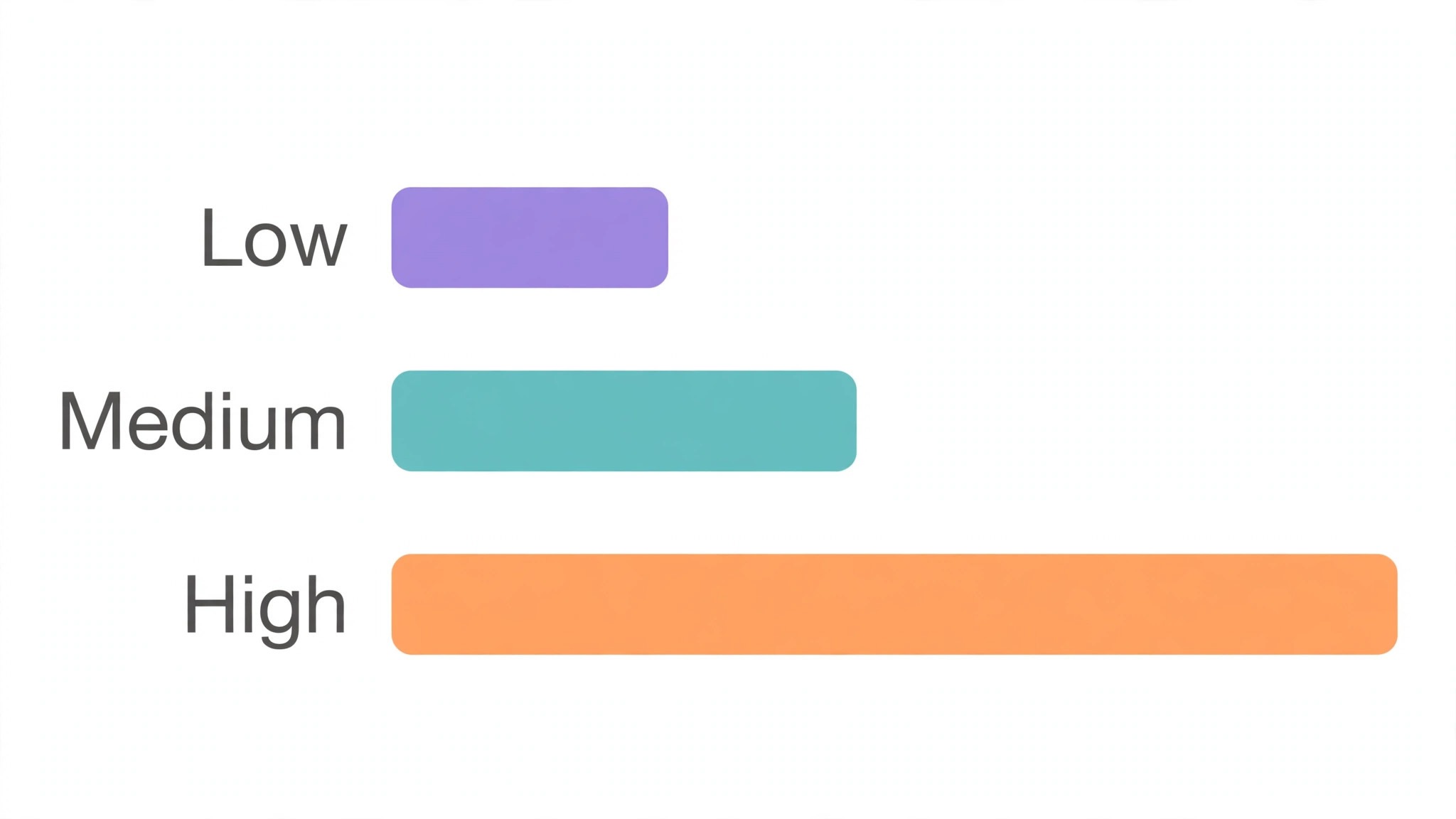
Watch the volume charges before you sign. MadKudu prices on leads scored, 6sense prices on accounts and data volume, and HubSpot charges enrichment credits on top of the Enterprise tier. A quote that looks cheap per seat can double once the whole lead database is scored.
Scoring Mistakes That Starve a SaaS Pipeline
The first mistake is scoring leads nobody will work. A model can rank ten thousand leads perfectly, and if the reps keep working the list in arrival order, nothing changes. The score has to drive routing, priority and the call list, or the whole project is a dashboard.
The second mistake is training the model on the wrong outcome. A model trained on demo bookings will score leads who book demos, and a model trained on closed won revenue will score leads who actually pay. The best ai lead scoring tools for saas companies that earn their fee are the ones trained on revenue, not on activity.
The third mistake is buying enterprise ABM before the ABM motion exists. Intent data without named accounts, a buying committee process and a sales team that acts on it is an expensive report. Buy the scoring that fits the motion you run today, and upgrade when the motion outgrows it.
Your First-Quarter Scoring Rollout Plan
Run this plan over one quarter and the scoring model will be trained on your outcomes instead of a vendor demo.
- Export twelve months of closed won and closed lost leads, and check that the CRM fields the model needs are actually filled in.
- Pick one scoring tool that fits your motion, and run it on a sample of old leads to test its ranking.
- Agree the score bands with sales, and write down what happens to a lead in each band.
- Connect product usage data to the scoring tool before the pilot starts, or the PLG signals will be missing.
- Route hot leads to a rep within minutes, and measure the response time for a full month.
- Review the conversion rate by score band every week, and fix the bands that never convert.
- Feed closed won and closed lost outcomes back into the model every month.
- Review the subscription after ninety days, and cancel any enrichment or intent add on the team never acted on.
Related Guides
Keep exploring with these guides on Stratilyze:
- Best AI Lead Generation Tools for SaaS Companies (15 Tools)
- Top 10 AI Ticketing Tools for SaaS Companies (10 Tools)
- Top 10 AI Lead Scoring Tools for Real Estate Teams (10 Tools)
Frequently Asked Questions
Which of the best ai lead scoring tools for saas companies is best for a product led company?
MadKudu is the best pick for a product led SaaS company, because it scores product usage alongside firmographic fit, and it shows reps why a lead scored the way it did. HubSpot Breeze is the better pick for a PLG team already on HubSpot, once product usage flows into the CRM.
Can the best ai lead scoring tools for saas companies work without product data?
Yes, but the score will be weaker. CRM native tools score fit and engagement well, and they miss the strongest PLG signal, which is what the user actually did inside the product. Connect product usage before you judge any scoring tool, or the test will understate what it can do.
How much does AI lead scoring cost a SaaS company?
A small team pays about 45 dollars a month on Freshsales or about 490 dollars a month on Apollo for ten reps. A PLG company pays about 1,500 dollars a month on MadKudu, and an enterprise ABM team pays about 5,000 dollars a month or more on 6sense. Price the tool at your real lead volume before you sign.
Is HubSpot Breeze or MadKudu better for SaaS lead scoring?
MadKudu is better for product led SaaS, because product usage is its main job and its scoring is transparent to reps. HubSpot Breeze is better for teams already on HubSpot, because the scoring runs on CRM data the team already holds and needs no new integration. Many PLG teams run both.
Do I need 6sense if my SaaS company is still small?
No. 6sense is built for enterprise ABM teams with named accounts and buying committees, and a small team will pay enterprise money for intent data it cannot act on. Start with a CRM native tool or MadKudu, and move to 6sense when the ABM motion and the account list exist.
How long does it take for AI lead scoring to work?
Expect four to twelve weeks before the model is useful. The vendor needs enough closed won and closed lost history to train on, and the team needs a month of live scoring to see which score bands actually convert. A model judged after one week is being judged on the demo, not on your pipeline.
Score the Leads Your Reps Can Actually Close
There is no universal winner here, because the right tool follows the sales motion you actually run. A PLG company should start with MadKudu. An enterprise ABM team should start with 6sense. A team already on HubSpot should start with HubSpot Breeze. A small team should start with Freshsales or Apollo.
Whichever you choose, train it on your closed won data, route hot leads within minutes, and measure conversion by score band every week. A scoring tool earns its fee in deals that would otherwise have waited in the queue while a competitor called first. The best ai lead scoring tools for saas companies that fit your motion are the ones whose scores your reps actually trust enough to follow.