
A studio with 100 members paying monthly can lose thousands a year to failed payments, empty class spots and members who quietly stop booking. That revenue leak is why the best booking software for fitness studios is judged first on billing reliability and class fill, and only second on how the timetable looks. A pretty schedule that cannot chase a failed payment, fill a cancelled spot or sell a class pack is a calendar, not a studio system.
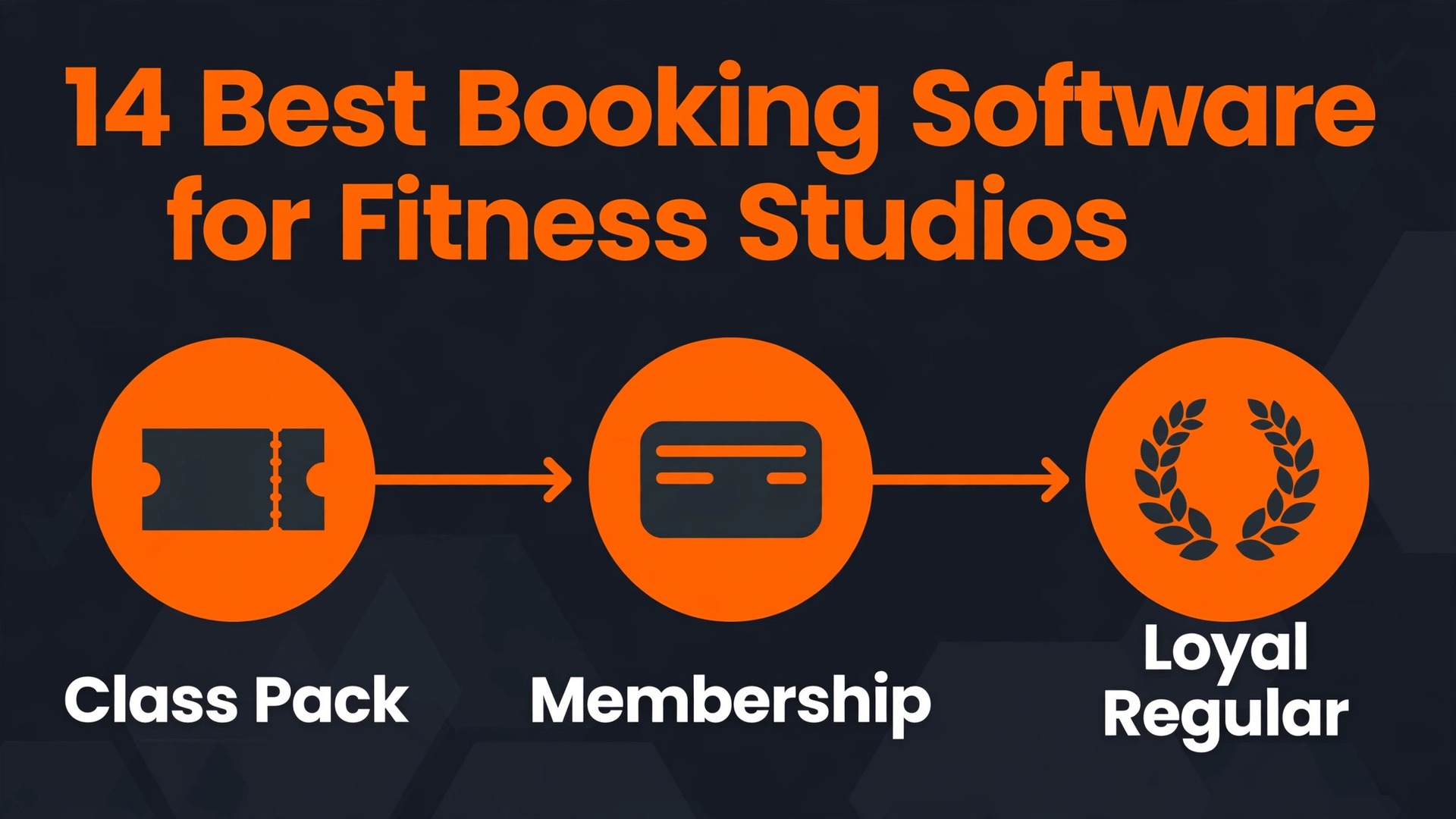
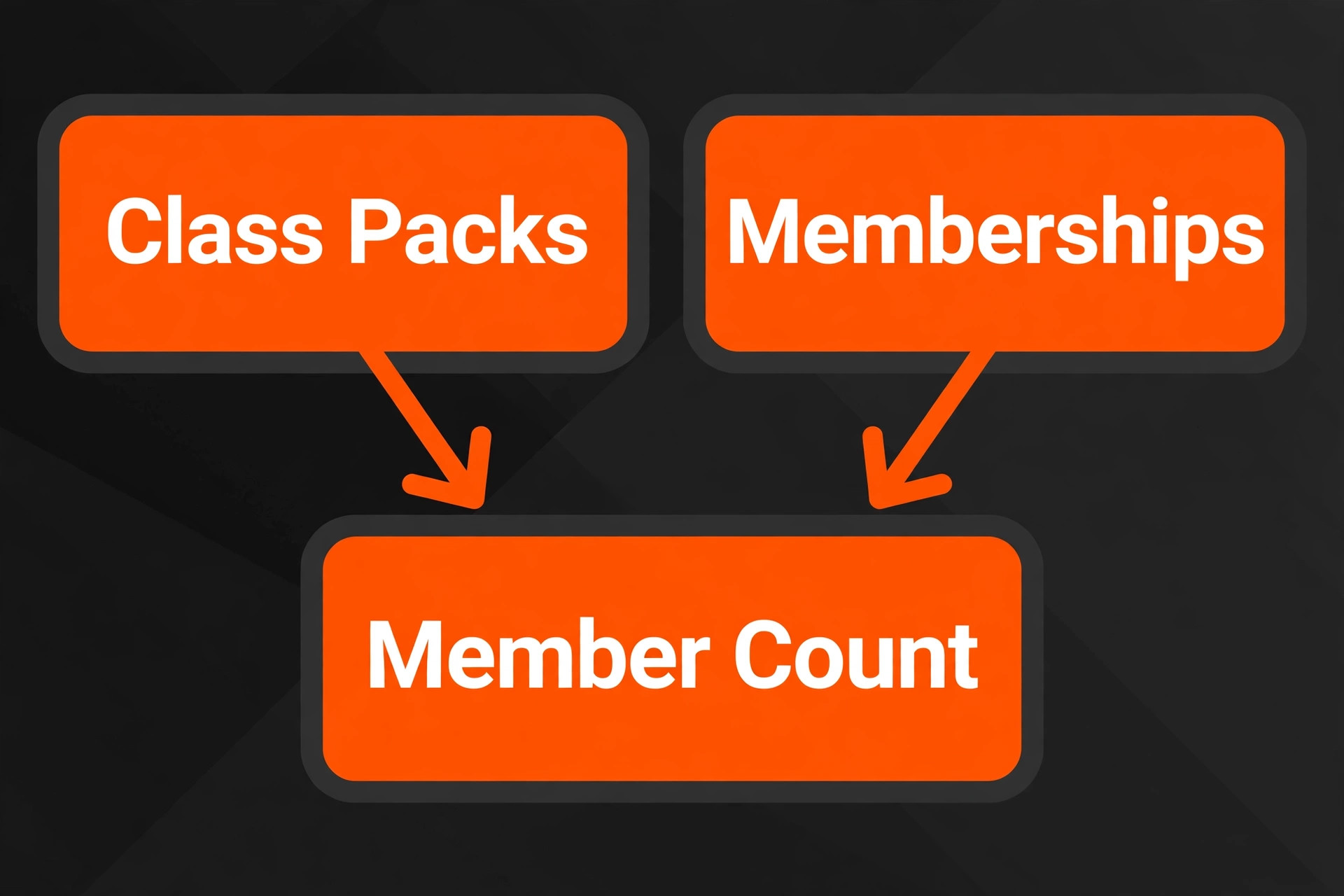
Fitness booking is a mix of three different sales. Class packs sell a fixed number of visits, memberships sell recurring access and open gym sells flexible entry, and each model needs different billing, expiry, freeze and cancellation rules. A tool built for one model often handles the others weakly, so a studio that sells all three must test each model in a trial, not just the class timetable.
This guide compares fourteen platforms on class booking, memberships and packs, member apps, payment recovery, waitlists and the real monthly bill at each member count. Prices in this category vary by member count, location count and add ons, so every price here is tied to a size where possible, and where pricing is quote only it says so and tells you to check the vendor page before you buy.
Fitness Studio Tools at a Glance
| Tool | Starting price | Best for |
|---|---|---|
| Mindbody | From $79 a month per location | Studios wanting marketplace discovery |
| ABC Glofox | Priced by quote | Boutique studios wanting a branded app |
| TeamUp | From $119 a month, up to 100 customers | Class based studios billing many members |
| PushPress | Free, Pro from $159 a month | Gyms starting free |
| Zen Planner | From $99 a month | Membership driven gyms |
| WellnessLiving | From $69 a month | Studios selling classes plus appointments |
| Gymdesk | From $75 a month, up to 50 members | Small gyms and martial arts schools |
| Wodify | From $199 a month per location | CrossFit boxes with retail |
| Vagaro | From $30 a month per location | Appointment led fitness businesses |
| Pike13 | From $139 a month reported | Multi instructor schools |
| Punchpass | From $59 a month | Yoga and small studios |
| GymMaster | From $89 a month per site | 24/7 access gyms |
| Mariana Tek | Priced by quote | Premium boutiques |
| Momoyoga | Free plan, Standard from €29 a month | Solo yoga teachers and small studios |
Read the table as a shortlist, not a ranking. The free tool suits a starting gym perfectly, while the quote only platform suits a premium boutique chain. Pick three finalists, then read their full sections before committing to an annual plan or a branded app add on.
Use that shortlist as the starting point for choosing the best booking software for fitness studios for your size and budget.
Why Best Booking Software for Fitness Studios Is Not a Class Calendar
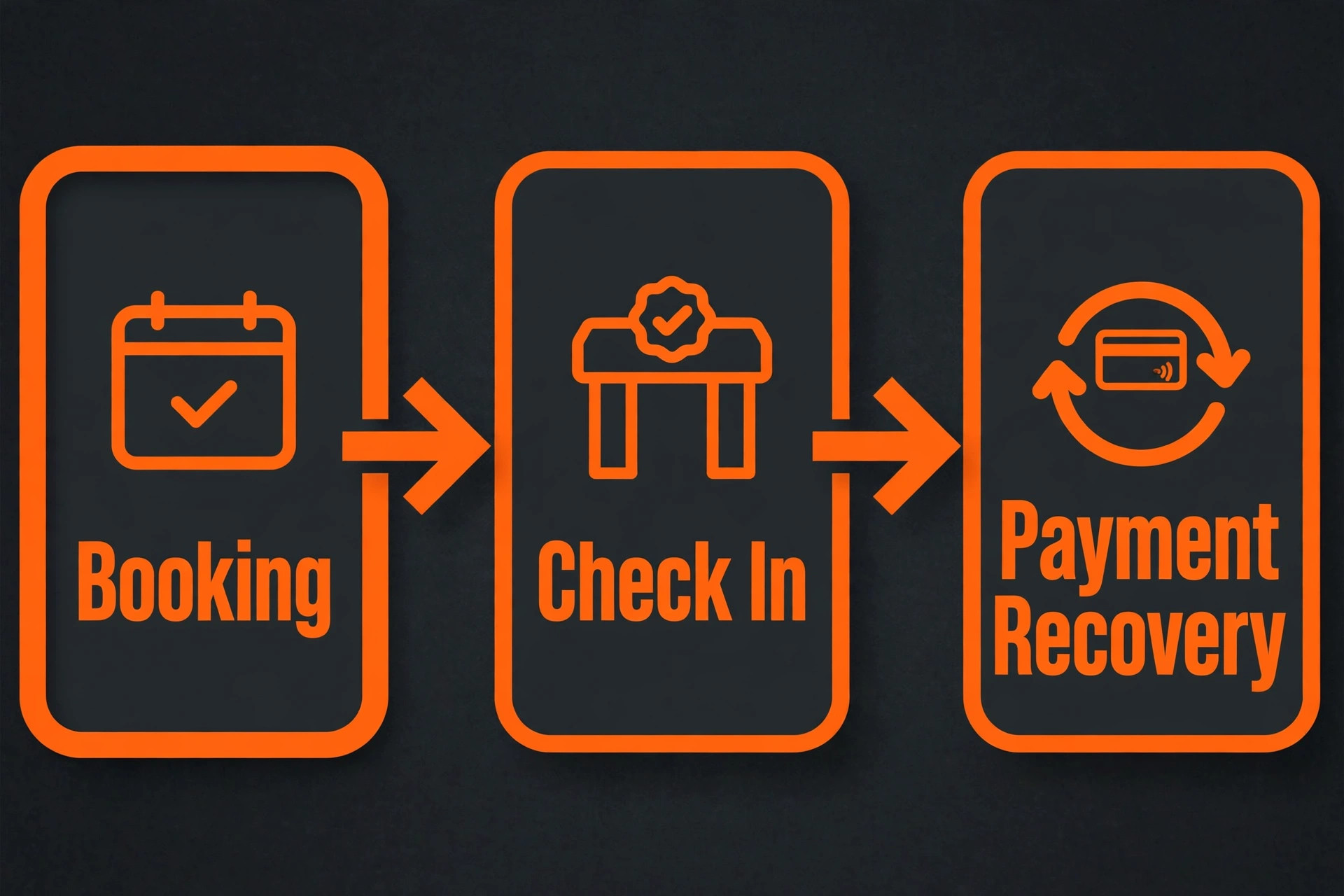
A class calendar shows times and names. A studio system runs the business behind those times. It sells memberships and packs, bills them on time, chases failed payments, manages freezes and cancellations, fills waitlists automatically and reports which classes, instructors and times actually earn money. A studio that only buys a calendar will still chase payments by hand, and payment chasing is the job that eats front desk hours fastest.
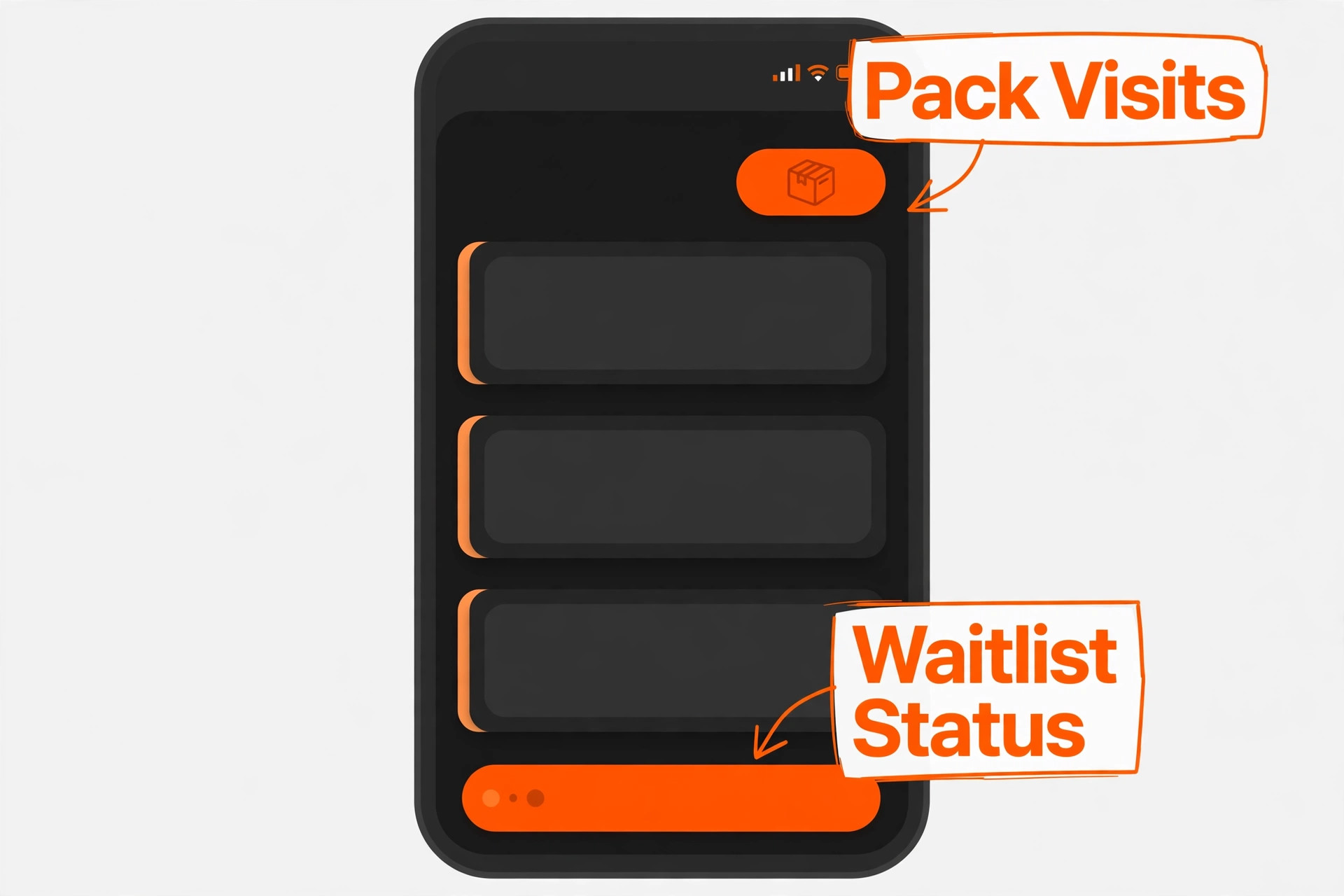
Member experience is the second difference. Members book from an app or a web page, check in fast, see their remaining pack visits and get reminders that reduce no shows. A clunky booking flow loses bookings to friction, especially for early morning classes booked the night before. A branded app helps a premium studio, but it is an expensive add on on many platforms, so it should be bought for member retention evidence, not for looks alone.
The third difference is the business model fit. A class pack studio needs expiry and visit tracking, a membership studio needs recurring billing and failed payment recovery, and an open gym needs access control and flexible entry. A tool that handles one model beautifully and another weakly will force workarounds as the studio adds new offers. Test all three models the studio sells, or plans to sell, before choosing.

Fourteen Tools, Reviewed One by One
Mindbody
Mindbody is the pick for established studios and multi location operators that want marketplace discovery. Starter plans start from $79 a month per location in recent comparisons, with higher tiers by quote, and it covers class scheduling, appointments, memberships, payments and reporting, plus a large consumer marketplace and class booking apps.
The strength is reach and breadth. A studio gets discovery through a marketplace, class and appointment booking in one system and tools for several locations. The weakness is total cost. Add ons push real bills well above the starter price, and owners report higher tier pricing far above the entry figure. Choose Mindbody if discovery and multi location breadth matter most. Skip it if the studio is small and needs a predictable bill.
ABC Glofox
ABC Glofox is the pick for boutique studios and growing multi site brands that want a polished branded app. Pricing is by quote, tailored by business type and location count, so check the vendor page for a written figure at the real location count. It covers memberships, scheduling, billing, CRM and reports in one dashboard, with a branded member app built and maintained by Glofox.
The strength is the member experience. Members book, check in, buy and engage under the studio brand, and multi location tools standardise pricing and policy across sites. The weakness is price transparency. Quote only pricing makes comparison slow, and the full stack suits growing brands better than a single small studio. Choose ABC Glofox if a branded app and multi site growth matter. Skip it if the studio needs a published price it can budget today.
TeamUp
TeamUp is the pick for class based studios billing many members. Pricing starts from $119 a month for up to 100 active customers in recent comparisons, rising with customer count to around $189 a month for 101 to 200 customers, with a branded app add on near $99 a month. It covers class scheduling, memberships, packs, appointments and payments with strong customer management.
The strength is clear scaling. The bill grows with active customers, so a studio pays more only as it grows, and appointment handling suits studios mixing classes and private sessions. The weakness is waitlist handling and app cost. Waitlists need messaging work rather than full automation in some setups, and the branded app adds a real monthly cost. Choose TeamUp if the studio bills many members and wants predictable scaling. Skip it if a branded app is essential at a low total price.
PushPress
PushPress is the pick for gyms starting free. The free plan covers core gym management, while Pro starts from $159 a month, with a branded app add on near $97 a month. It suits CrossFit boxes, strength gyms and martial arts schools, with class scheduling, memberships, billing, check in and reporting built for gyms rather than adapted from salon software.
The strength is the free start and gym fit. A new gym can run on the free plan, learn the system and upgrade only when volume justifies it. The weakness is add on cost. The branded app and higher tier features push the real bill above the headline plan, so price the full stack before comparing. Choose PushPress if a free start and gym specific workflows matter. Skip it if the studio needs a branded app included in the base price.
Zen Planner
Zen Planner is the pick for membership driven gyms, martial arts schools and yoga studios. Pricing starts from $99 a month, with higher tiers by member count and features, and it covers scheduling, memberships, billing, attendance and reporting. Its branded app is a paid add on near $39 a month, which keeps the base price lower than platforms that bundle an app.
The strength is membership depth at a mid price. A studio billing hundreds of members gets attendance, billing and retention tools without a premium platform bill. The weakness is modern polish and marketplace reach. The interface feels functional rather than fresh, and there is no large consumer marketplace like Mindbody. Choose Zen Planner if membership billing is the core job. Skip it if discovery or a premium app experience drives the decision.
WellnessLiving
WellnessLiving is the pick for studios selling appointments plus classes. The Starter plan starts from $69 a month for one staff member, with Business at $199 a month and BusinessPro at $349 a month including a branded app. It covers class scheduling, appointments, room and equipment booking, livestream, memberships and payments, which suits mixed wellness studios.
The strength is breadth at open pricing. A studio gets classes, appointments and livestream in one system with published tier prices, so budgeting is straightforward. The weakness is app placement. The branded app sits only on the highest tier, so a studio wanting its own app pays a premium. Choose WellnessLiving if the studio mixes classes, appointments and livestream. Skip it if a branded app is needed at a mid tier price.
Gymdesk
Gymdesk is the pick for martial arts schools and small gyms. Pricing starts from $75 a month for up to 50 members, with extra locations at $50 to $100 a month, and a branded app add on near $100 a month. It covers class scheduling, memberships, billing, waitlists that fill on cancellation and attendance, with a focus on simple gym operations.
The strength is simplicity for small member counts. A gym under 50 members gets a focused system without paying for enterprise features it will not use. The weakness is scale pricing. As members and locations grow, the bill climbs in steps, and larger studios may find broader platforms better value. Choose Gymdesk if the gym is small and simple. Skip it if the studio plans fast growth past several hundred members.
Wodify
Wodify is the pick for CrossFit boxes with retail and community features. Pricing starts from $199 a month per location in recent comparisons, and it covers class scheduling, memberships, billing, retail point of sale and performance tracking. Its community and workout tracking tools suit functional fitness gyms where member engagement drives retention.
The strength is the CrossFit fit. Workout tracking, leaderboards and retail in one system match how boxes actually operate, and the member experience feels built for the community. The weakness is price for small gyms. At $199 per location it costs more than several rivals before add ons, so a small box must use its full breadth to justify it. Choose Wodify if the gym is a CrossFit box using retail and tracking. Skip it if the gym is a general studio that only needs classes and billing.
Vagaro
Vagaro is the pick for appointment led fitness businesses like personal training studios. It starts from $30 a month for one bookable calendar, with $10 a month per additional calendar, and covers online booking, payments, marketing and reporting. Personal trainers and small fitness teams get a low cost full stack without a gym platform bill.
The strength is price and simplicity. A training studio can book, bill and market from one cheap system, with a marketplace for discovery. The weakness is class and membership depth. Class packs, waitlists and multi class timetables are thinner than on dedicated fitness platforms, so a class heavy studio will feel the gap. Choose Vagaro if appointments lead the business. Skip it if classes and memberships dominate.
Pike13
Pike13 is the pick for established multi instructor schools comfortable with annual terms. Pricing is reported from $139 a month, with a free trial, and it covers class scheduling, memberships, packs, appointments and payments for class based businesses. It suits studios with several instructors, a busy timetable and a need for clear staff and client management.
The strength is class business depth. Multi instructor scheduling, client passes and staff tools are built for schools that run many classes a day. The weakness is price transparency and terms. Much pricing sits behind quotes in some comparisons, and annual terms suit established schools better than new studios testing the market. Choose Pike13 if the school is established with many instructors. Skip it if the studio is new and needs month to month flexibility.
Punchpass
Punchpass is the pick for yoga and small studios that want simple passes. Pricing starts from $59 a month, with higher tiers for more features, and it covers class scheduling, passes, memberships, waitlists and private sessions. It suits a studio where the core job is selling passes and filling classes, without a large enterprise feature set.
The strength is focus and price. A small studio gets passes, classes and waitlists at a low monthly cost, with a clear setup. The weakness is app and scale limits. There is no branded app at any price in recent comparisons, so members book through the platform app or web page, and larger multi location studios may need more. Choose Punchpass if the studio is small and pass led. Skip it if a branded app is essential.
GymMaster
GymMaster is the pick for 24/7 access gyms. Pricing starts from $89 a month per site, with a branded app add on near $150 a month plus setup, and it covers memberships, billing, access control, class booking and reporting. Door access integration is the feature that separates it from class only tools, because an open gym must control entry around the clock.
The strength is access plus billing in one system. Members join, pay and enter through one platform, and staff can manage access without a second security system. The weakness is app cost and class depth. The branded app add on is dear, and a class heavy boutique may find dedicated class platforms stronger on timetabling. Choose GymMaster if the gym runs 24/7 access. Skip it if the studio is class only with no open gym hours.
Mariana Tek
Mariana Tek, part of Xplor, is the pick for premium boutiques that want a high end member experience. Pricing is not published, so check the vendor page and expect a quote based on locations and member count. It covers class booking, memberships, payments, CRM and a branded app, with a polished experience aimed at premium fitness and boutique brands.
The strength is premium polish. The member app, booking flow and brand presentation suit studios competing on experience as much as on classes. The weakness is access. Quote only pricing, sales led onboarding and a premium bill make it a poor fit for a small studio that needs a published price and a fast start. Choose Mariana Tek if the studio is premium and multi location. Skip it if the studio is small or budget led.
Momoyoga
Momoyoga is the pick for solo yoga teachers and small studios starting out. A free plan exists, with Standard from €29 a month on annual billing and Plus from €59 a month, so check the vendor page for current euro pricing and any payment processing fee on the free plan. It covers class scheduling, passes, memberships, payments and teacher tools built for yoga studios.
The strength is yoga fit at a low price. A solo teacher can start free, sell passes and run a timetable without a gym platform bill, and the system understands yoga class structures. The weakness is breadth. It suits yoga and similar small studios, not large multi location fitness brands, and payment terms on the free plan need checking. Choose Momoyoga if the studio is a small yoga business. Skip it if the studio is a large gym or a multi location brand.
The Best Pick for Each Fitness Job
The right platform changes with the sales model. Class packs, memberships and open gym are different billing problems, and the tool that wins one may not win another. Use this table to match the pick to the job, then confirm the fit by testing that exact model in a trial.
| Job | Best pick | Why it wins |
|---|---|---|
| Class packs | Punchpass | Simple passes and class fill at low cost |
| Memberships | TeamUp | Scales with active customers, strong billing |
| Open gym | GymMaster | Access control plus billing in one system |
That matching step is what turns a general search for the best booking software for fitness studios into a shortlist that fits real work.
The Fitness Studio Checklist Before You Pay
Run through this checklist on every finalist before signing. A platform that fails two or more items will cost more in front desk hours than it saves in subscription fees.
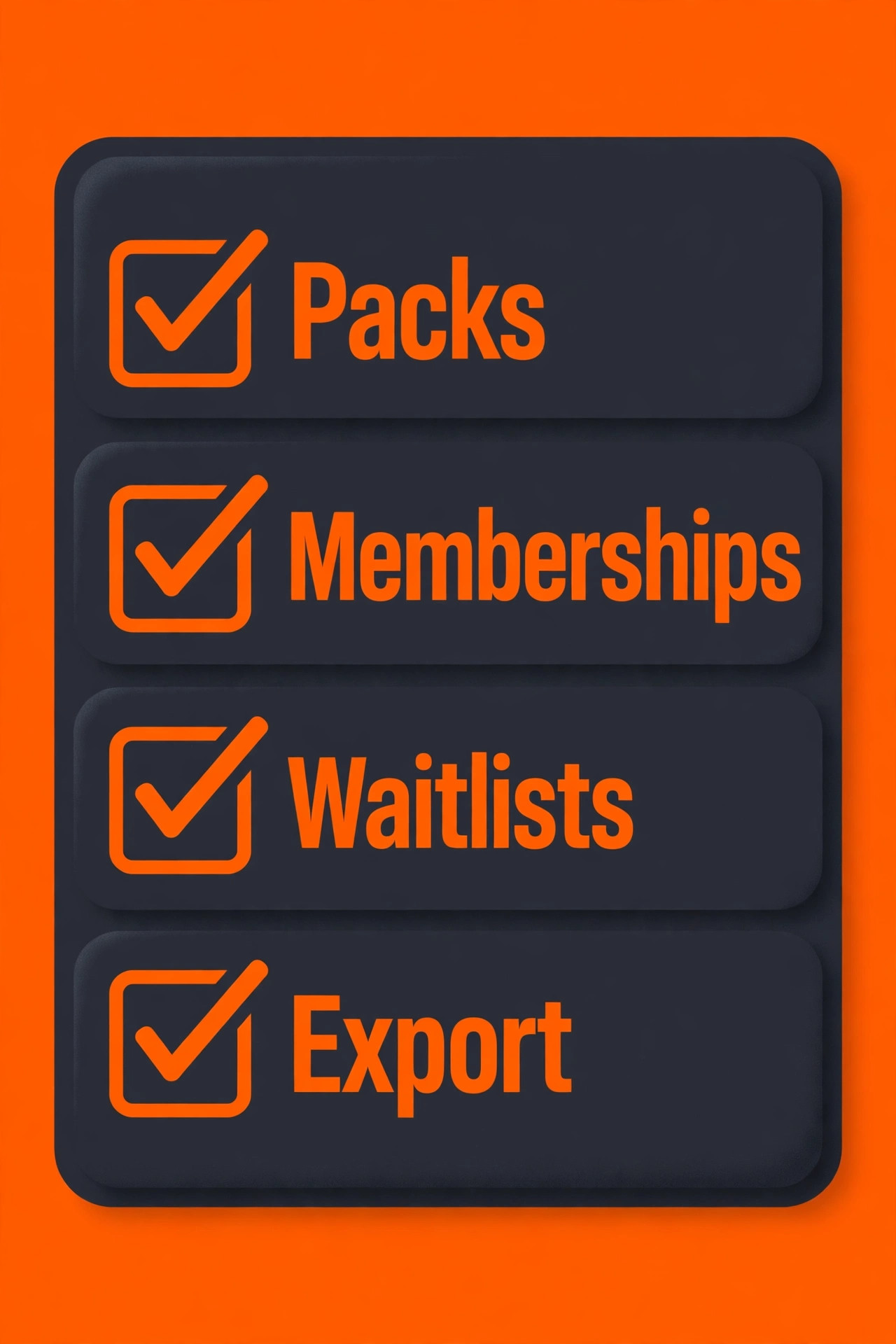
Check that class packs, memberships and open gym access can each be sold, frozen, cancelled and expired under the studio rules.
Check that failed payments are chased automatically, with a clear report showing recovered revenue and members at risk.
Check that waitlists fill cancelled spots automatically, and that late cancel and no show rules can deduct a visit or charge a fee.
Check that members can book, check in and see remaining visits from a phone without staff help.
Check that the price at the next two member counts is written down, because fitness bills grow with members.
Check that branded app costs, if needed, are priced separately from the base plan before comparing totals.
Check that member, payment and attendance data can be exported, so the studio is never locked into a tool it cannot leave.
The Real Monthly Bill at Each Member Count
Fitness pricing scales with members, locations and apps, so the bill must be judged at three sizes. At up to 50 members, Gymdesk at $75 a month, WellnessLiving Starter at $69 a month and PushPress free all look cheap, and the cheapest credible start wins for a new studio. At 100 to 200 members, TeamUp at $119 to $189 a month, Zen Planner from $99 a month and Mindbody Starter from $79 a month per location compete closely, and add ons start to separate them.
At 500 members or several locations, the bill changes shape. Per location pricing multiplies, branded app add ons add $39 to $150 a month depending on platform, and quote only platforms like ABC Glofox and Mariana Tek replace published prices with negotiated totals. A studio comparing a $79 starter price against a quote only platform is not comparing like with like, so get written totals at the real member and location counts before deciding. Processing fees sit on top of every platform bill, so model card fees on real monthly billing as well.
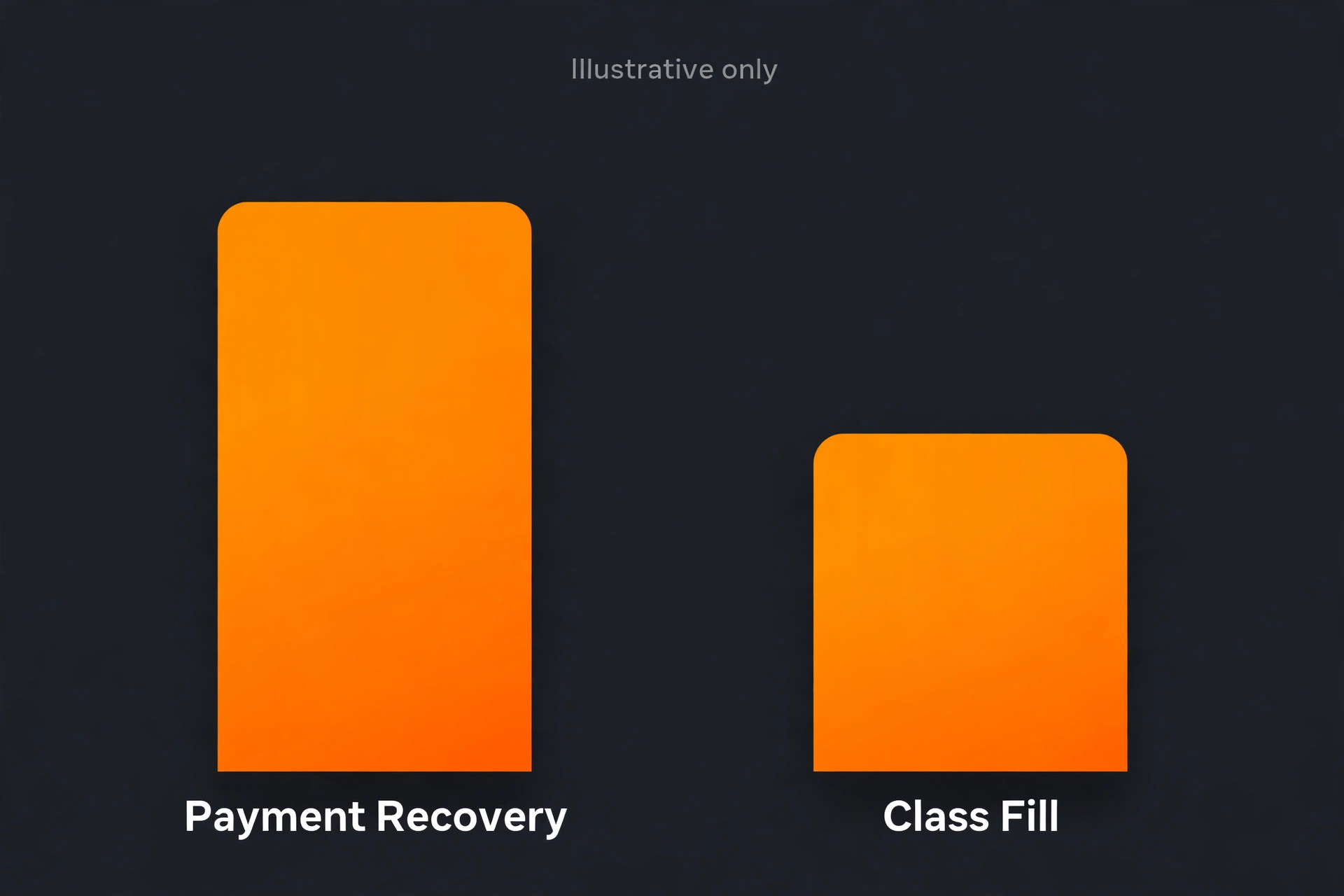
Failed payment recovery deserves its own line in the decision, because it returns money rather than costing it. A platform that recovers even a few failed memberships a month can pay for its own price difference against a cheaper tool with weak dunning. Ask every vendor how failed payments are retried, how members are notified and what recovery rate similar studios see, then weigh that answer alongside the subscription. The best booking software for fitness studios is the one whose total bill, including apps and processing, still makes sense after the recovery it delivers is counted.
When you compare the best booking software for fitness studios, judge the total bill at your real size, not the headline plan price.
Mistakes That Cost Fitness Studios Members
The most expensive mistake is buying a branded app before the studio needs one. A branded app can add $39 to $150 a month, and a studio with 80 members may not retain enough extra members to pay for it. Start with the platform app or web booking, measure booking friction and retention, and buy a branded app only when members ask for it or retention data supports it. Looks alone never justify an app bill.
The second mistake is ignoring failed payments. Memberships fail when cards expire, banks decline and members change cards without telling the studio, and a studio without automatic retries and reminders loses members silently every month. Check dunning in a trial with a test failed payment, and confirm staff get a clear list of members at risk. A studio that only discovers failed payments at month end has already lost revenue and members.
The third mistake is choosing on timetable looks alone. A beautiful timetable that cannot handle pack expiry, membership freezes, waitlist fills and late cancel rules will push work back to the front desk within weeks. Test the messy rules first, because classes run on rules, not on colours. A platform that passes the billing and waitlist tests will keep members even with a plain timetable, while a pretty platform that fails them will lose members quietly.
The cheapest option in a search for the best booking software for fitness studios is rarely the cheapest system once real volume and add ons are counted.

How to Test a Fitness Finalist in Two Weeks
Week one should test billing and booking, not the timetable design. Sell a class pack, a membership and an open gym pass to test members, run a failed payment test, freeze and unfreeze a membership and check that remaining visits update correctly. If any step needs staff help, note it, because members will hit the same step at night when nobody is there to help them.
Week two should test the messy reality. Fill a class, start a waitlist, cancel a spot and check that the next member is promoted automatically, then run a late cancel and confirm the rule applies correctly. Ask one member to book, check in and buy a pack using only a phone, and report what confused them. Their answer matters more than any demo, because demos hide friction and real members find it fast.
End the trial with a cost sheet, not a feeling. Write down the subscription at the real member count, any branded app cost, processing on real monthly billing and any add ons needed. Compare that total across finalists, then pick the cheapest platform that passes the billing, pack and waitlist tests. Price breaks ties. It should never override a failed billing or waitlist test.
A trial that tests money, paperwork and daily work will tell you more about the best booking software for fitness studios than any demo ever will.
More Reading on Stratilyze
Readers comparing fitness tools usually check the neighbouring guides next. The guide to setting up a small gym class booking system covers the setup around this decision, the guide to using Mindbody for Pilates studio class booking helps with one platform in depth, and the guide to booking software for med spas covers a closely related booking decision.
Frequently Asked Questions
How much should a fitness studio pay for booking software
A small studio can start free on PushPress or Momoyoga, or near $59 to $99 a month on Punchpass, WellnessLiving or Zen Planner. At 100 to 200 members, expect $119 to $199 a month before branded app add ons, and at several locations expect quoted totals well above starter prices. Add processing fees and any app cost, then compare totals at the real member count, not at the headline starter price.
Does a fitness studio need a branded app
Not at launch, for most studios. Members can book well through a platform app or web page, and a branded app adds $39 to $150 a month depending on platform. Buy a branded app when the studio is premium, multi location or has retention evidence that members want it. A small studio should measure booking friction first and spend the app money on retention only when the data supports it.
What is the difference between class packs and memberships in software
Class packs sell a fixed number of visits with expiry rules, while memberships bill recurring access with freeze, cancel and failed payment rules. A good platform handles both, tracks remaining visits, applies expiry and late cancel rules and reports which model earns more per member. Test both models in a trial, because a tool strong on one and weak on the other will force workarounds as offers change.
How do waitlists and late cancel rules work
A waitlist holds members in order when a class fills, then promotes the next member automatically when a spot opens, usually with a time limit to confirm. Late cancel and no show rules deduct a pack visit or charge a fee when a member cancels inside the studio window. Test both in a trial, because automatic promotion and clear rules fill classes and protect revenue without front desk work.
Can a studio switch booking software without losing members
Yes, if export and migration are tested before signing. Most platforms export members, packs, memberships and attendance, but expiry dates, freeze status and payment tokens vary. Test an export during the trial, plan a migration week with dual running if the member count is large, and confirm payment migration terms in writing. Never switch live billing without a tested backup.
Is Mindbody worth it for a small studio
For most small studios, no, unless marketplace discovery will bring paying members the studio cannot reach otherwise. Mindbody starter pricing looks reasonable, but add ons push real bills much higher, and a small studio may not use its breadth. TeamUp, WellnessLiving, Zen Planner or PushPress usually fit a small studio better, with clearer pricing and less unused capacity.
The Verdict for Fitness Studios
For most fitness studios, the decision comes down to size and sales model. Small studios should start with PushPress free, Punchpass for pass led classes or WellnessLiving for mixed classes and appointments. Studios billing many members should choose TeamUp for predictable scaling or Zen Planner for membership depth. Premium boutiques and multi site brands should price ABC Glofox or Mariana Tek as branded app platforms, and 24/7 gyms should choose GymMaster for access plus billing.
Whatever the pick, judge it on billing first. Test packs, memberships, failed payments and waitlists in a trial, price the total bill at the real member count including any app cost, and pick the cheapest platform that passes those tests. The best booking software for fitness studios is the one that bills reliably, fills classes automatically and keeps members booking without front desk help. Trial two finalists, compare annual totals and choose the system the studio can run on a busy Monday morning without workarounds.