
Renewals slip, commissions go untracked, and producers work from spreadsheets because the agency system does not match the book. That problem is the reason to read this guide to best management software for insurance agencies, because the wrong system does not just cost a subscription, it costs renewals, staff time, and carrier relationships every single week.
An agency management system is the system of record for an independent agency. It holds clients, policies, carriers, documents, accounting, commissions, and the servicing history that decides whether a renewal conversation takes two minutes or twenty. When that record is clean, a producer can answer a client question on the first call. When it is not, every question becomes a search through email, spreadsheets, and carrier portals.
Eleven Systems at a Glance
| Tool | Starting price | Best for |
|---|---|---|
| Applied Epic | priced by quote | large commercial heavy agencies |
| Vertafore AMS360 | about 99 dollars per user per month reported | mixed book mid size agencies |
| HawkSoft | about 250 dollars per month reported | independent agencies valuing service |
| EZLynx | about 350 dollars per month reported | personal lines quoting heavy agencies |
| QQCatalyst | about 129 dollars per user per month reported | small to mid size cloud agencies |
| AgencyBloc | 109 dollars per user per month reported for AMS Plus Grow | health and benefits agencies |
| AgencyZoom | check the vendor pricing page | agencies fixing follow up and renewals |
| NowCerts | about 99 dollars per month reported | small budget led agencies |
| Momentum AMP | 99 dollars to 349 dollars per month before modules | modern cloud agencies |
| Better Agency | about 299 dollars per month reported | sales led growth agencies |
| Jenesis | priced by quote | small agencies wanting a proven system |
Read the table as a shortlist, not as a final ranking. The cheapest option may suit a small team perfectly, while the most expensive option may be the only one that handles a specific workflow. Pick three finalists from the table, then read their full sections before you decide.
How to Judge the Best Management Software for Insurance Agencies
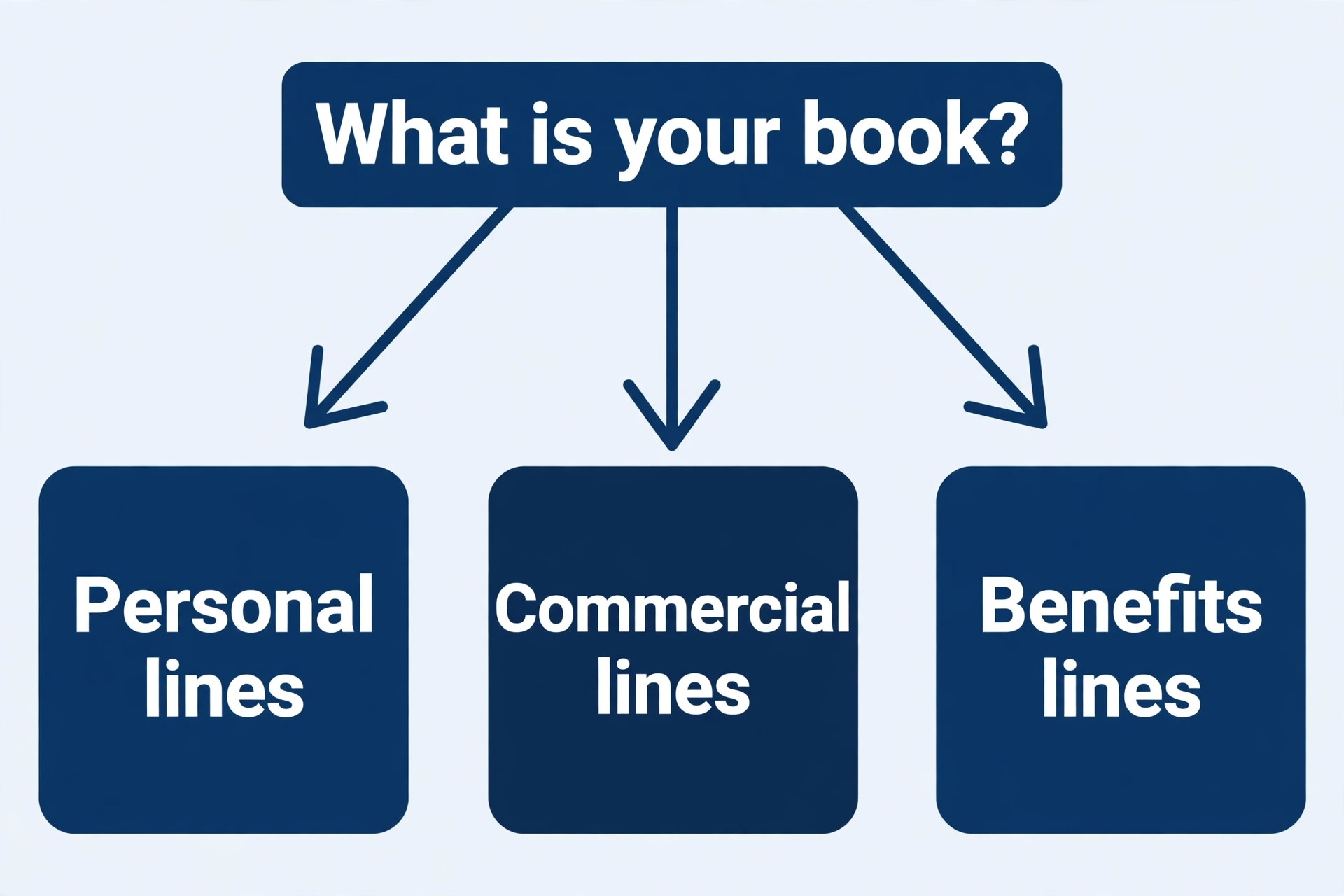
Start with the book, not the vendor demo. A personal lines agency that quotes hundreds of policies a month needs a comparative rater and fast servicing. A commercial agency needs layered policy structure, certificates, and deep accounting. A benefits agency needs commission imports and carrier tracking for health lines. A system built for one book will fight the other two.
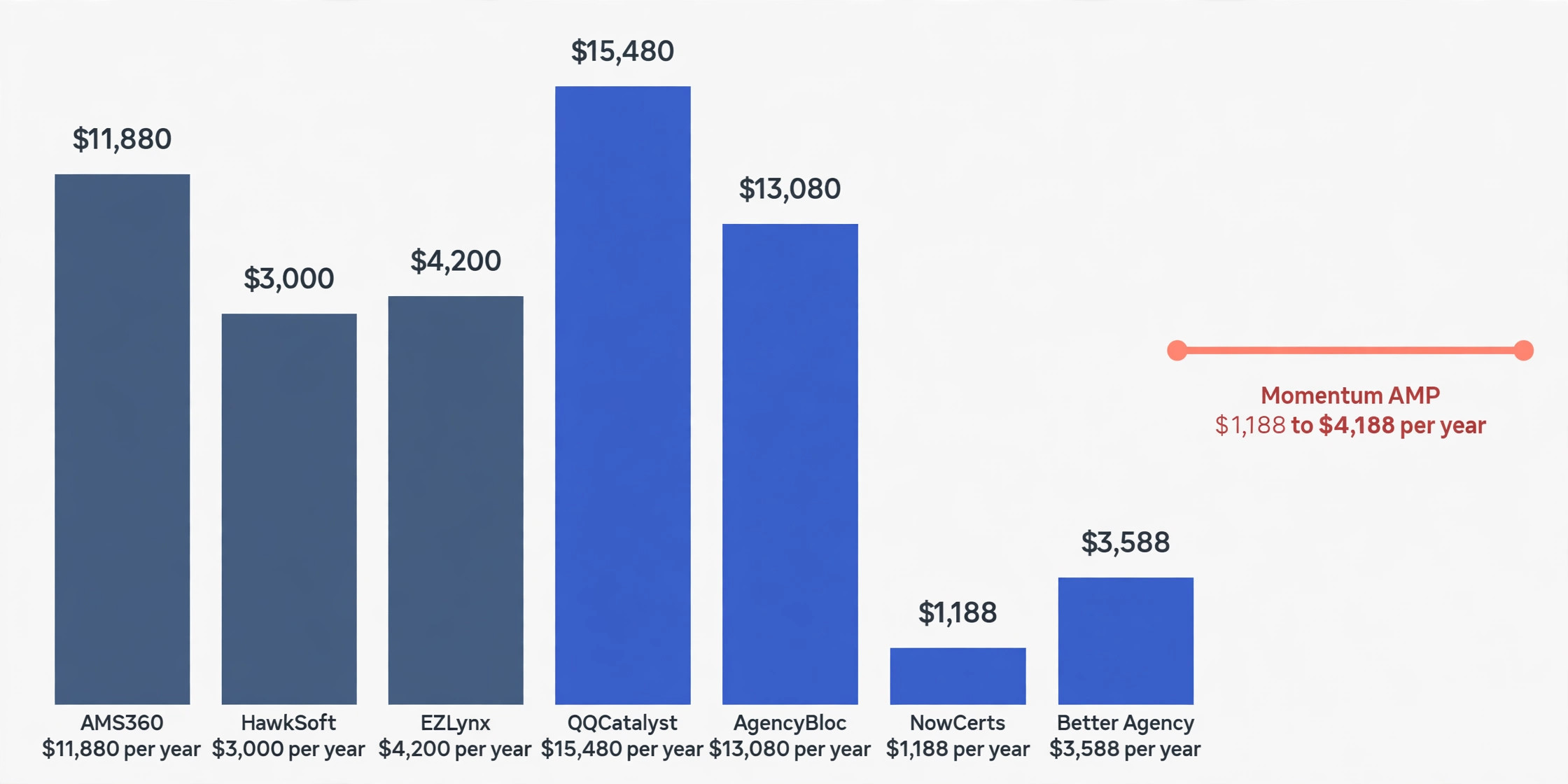
Price in this category is rarely a single number. Half of the systems here quote only after a scoping conversation, and the rest publish a starting price that excludes modules, implementation, and training. Model the first year cost at the real seat count with the add ons included, not the headline plan, and ask for implementation cost in writing.
Implementation time is a cost, not a footnote. Enterprise moves take four to twelve months, middle market moves take three to six months, and small cloud moves take two to four weeks. An agency that cannot spare staff for months of migration should not buy an enterprise system, however strong its feature list looks in a demo.
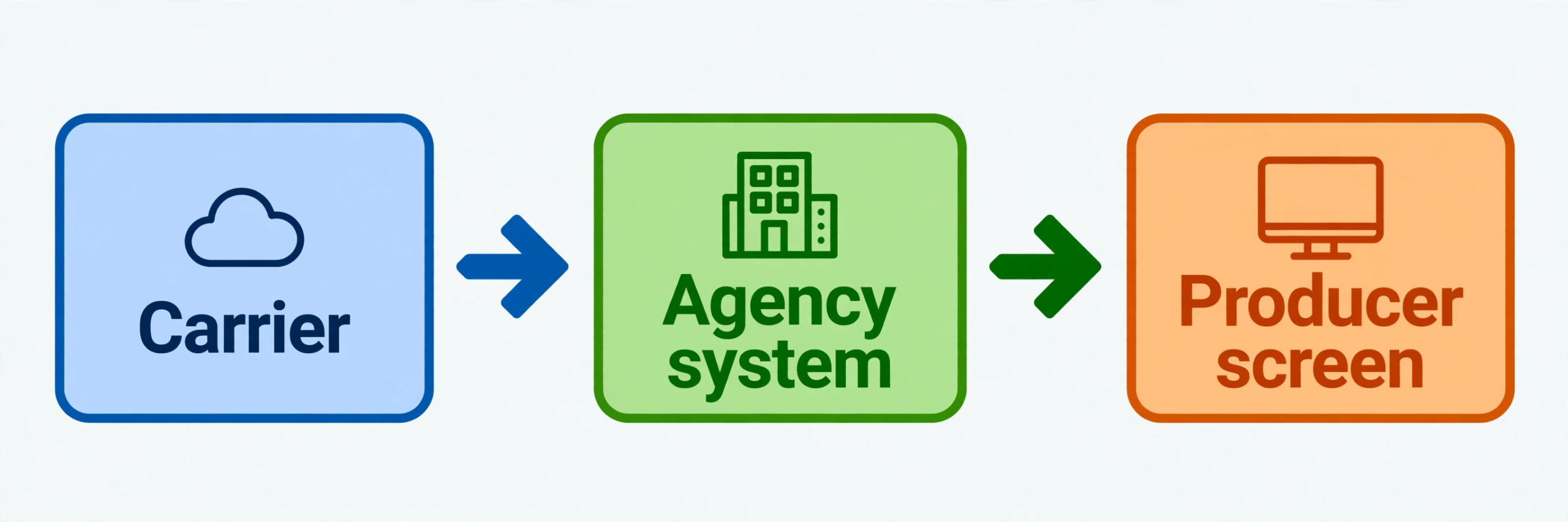
Carrier connectivity decides daily speed. Download, real time quoting, and document flow from carriers cut manual entry and errors. Ask each vendor which carriers the agency actually writes with are connected, and how documents flow back into the client file, because a generic integration list hides gaps for specific carriers.
Every Tool, Examined in Turn
1. Applied Epic
Applied Epic is the enterprise standard for larger independent agencies with complex commercial books. Pricing is by quote, and third party guides put annual license and implementation costs for mid size agencies in the tens of thousands of dollars, with implementation running four to twelve months. The product covers clients, policies, carrier download, accounting, workflows, and producer management in one system.
The strength is depth and carrier connectivity. Commercial lines work with layered policies, certificates, and complex accounting fits a system built for that complexity, and the Applied ecosystem of integrations is the deepest in the category. Agencies with diverse portfolios and multiple locations will find fewer workarounds here than in a small agency tool.
The limit is cost and time. A small personal lines agency will pay enterprise prices for depth it never uses, and staff need months to reach full proficiency. Choose Applied Epic if commercial lines dominate and the agency can fund a long implementation. Skip it if the agency is under twenty staff with a simple book.
2. Vertafore AMS360
Vertafore AMS360 is the middle market workhorse for independent agencies that want breadth without enterprise complexity. Third party listings put an entry point near 99 dollars per user per month, while vendor pricing itself is quote based, so confirm the current quote for the real user count before budgeting. The product covers policy, accounting, and a large integration list.
The strength is balance. AMS360 handles mixed personal and commercial books, offers strong reporting, and fits agencies that already use other Vertafore products. Agencies that find Epic too heavy and small tools too light will often land here, because the product covers most daily work without forcing a specialist add on for every task.
The limit is setup time and interface age. Implementation still takes months for a full move, and newer cloud tools feel more modern. Choose AMS360 if the agency wants a proven middle market system with strong accounting. Skip it if a fast, light rollout matters most.
3. HawkSoft
HawkSoft is a favorite of independent agencies that value data ownership, service, and a clean interface. Third party listings report a starting point near 250 dollars per month, while a 2026 comparison lists HawkSoft 6 retail at 99 dollars per user per month, so ask which edition and user count the quote covers. The product covers policy management, client tracking, reporting, and commission accounting.
The strength is ownership and support. HawkSoft is frequently praised for responsive support and for letting the agency keep control of its own data, which matters when an agency changes tools or sells its book. Short term contract options also reduce the risk of a long lock in.
The limit is rating depth. Comparative rating is limited compared with a specialist rater, so high volume personal lines agencies may need a third party rater beside it. Choose HawkSoft if service and data control matter most. Skip it if multi carrier comparative rating is the top priority.
4. EZLynx
EZLynx, part of Applied Systems, leads for personal lines agencies that need multi carrier comparative rating. Third party listings put a starting point near 350 dollars per month, with base subscription models reported at 60 to 90 dollars per user per month before per carrier rate fees. The rater connects to more than 330 carriers and pre fills forms with vehicle and driver data.
The strength is quoting speed. Real time home and auto quoting across many carriers, with pre filled forms, cuts the time from inquiry to quote sharply. Personal lines agencies that quote hundreds of policies a month will feel that speed in close rates, because the first accurate quote often wins the customer.
The limit is fee structure. Per carrier rate fees on some carriers add up at high volume, and the total cost can pass a flat subscription rival. Choose EZLynx if comparative rating drives revenue. Skip it if the book is mostly commercial or renewal servicing.
5. QQCatalyst
QQCatalyst, part of Vertafore, is a cloud agency system for small to mid size agencies that want a modern browser interface. Third party listings put a starting point near 129 dollars per user per month, so costs scale directly with headcount. The product covers client and policy management, documents, and workflows in a system that needs no local server.
The strength is ease of setup for small teams. Agencies moving from spreadsheets or an old desktop system can get running faster than with an enterprise platform, and the cloud model removes server maintenance from the agency workload. That speed matters for agencies that cannot spare months for implementation.
The limit is depth for complex commercial work. Larger commercial books with layered policies may need the deeper structure of Epic or AMS360. Choose QQCatalyst if the agency is small to mid size and wants a fast cloud start. Skip it if commercial complexity is the main challenge.
6. AgencyBloc
AgencyBloc serves health, senior, life, and benefits agencies with a system built around those lines. A 2026 comparison lists AMS Plus Grow starting at 109 dollars per user per month, while other listings describe AgencyBloc as quote based, so confirm the current plan for the agency size. The product covers client records, policy tracking, and commission imports with detailed reporting.
The strength is vertical fit. Commission imports, carrier commission tracking, and benefits workflows map closely to how health and benefits agencies actually work, rather than forcing a property and casualty model onto a benefits book. Agencies in those lines will find less customization work here.
The limit is line fit outside its vertical. A property and casualty agency will find the product shaped for a different book. Choose AgencyBloc if health, senior, life, or benefits dominate. Skip it if the book is mostly property and casualty.
7. AgencyZoom
AgencyZoom, part of Vertafore, is a sales and retention layer for agencies that want automation on top of servicing. Third party listings report a monthly figure near 119 dollars and 20 cents, but plan details vary by listing, so check the vendor pricing page for the current plan. The product focuses on lead pipelines, automated follow up, and renewal campaigns.
The strength is growth automation. Pipelines, text and email sequences, and renewal reminders help an agency work leads and renewals without adding headcount. Agencies that lose renewals to slow follow up will see the value quickly, because a missed renewal is a lost customer and a lost commission.
The limit is scope. AgencyZoom is a growth layer, not a full agency system of record for every agency, so many agencies run it beside an AMS rather than instead of one. Choose AgencyZoom if follow up and renewals are the weak point. Skip it if the agency needs one system for everything.
8. NowCerts
NowCerts is a cloud agency system built specifically for insurance work, with pricing tied to agency size rather than a simple per seat model. Third party listings put a starting point near 99 dollars per month, with tailored quotes for larger teams. The product covers clients, policies, documents, and workflows in a browser based system.
The strength is value for small agencies. A low entry price and a system built for insurance tasks give a small agency a real AMS without enterprise pricing. Agencies moving from spreadsheets will find the structure familiar, because the product mirrors agency workflows rather than generic CRM stages.
The limit is scale and ecosystem depth. Larger agencies with complex commercial books or deep carrier integration needs may outgrow it. Choose NowCerts if the agency is small and budget led. Skip it if enterprise depth is required.
9. Momentum AMP
Momentum AMP is a modern cloud AMS for independent agencies that want a tighter price band and a current interface. A 2026 comparison lists pricing from 99 dollars to 349 dollars per month before modules, with extra seats at 45 dollars each. The product covers policy, client, and workflow management with a partner integration list.
The strength is price clarity at the low end. A published range and a clear extra seat price let a small agency budget without a long sales process, and the modern interface shortens training time. Agencies that value a current product over a legacy ecosystem will like that trade.
The limit is module cost. The headline range excludes modules, so the real total depends on which add ons the agency needs. Choose Momentum AMP if a modern cloud system at a clear price matters most. Skip it if the agency needs the deepest legacy integration list.
10. Better Agency
Better Agency is a cloud platform for agencies that want sales automation beside agency management. Third party listings put a starting point near 299 dollars per month, billed monthly. The product covers pipelines, automation, and client management with a focus on growth rather than back office accounting depth.
The strength is automation for growth teams. Lead pipelines, follow up sequences, and reporting help a sales led agency work more leads with the same staff. Agencies that measure success in new policies written will find the product shaped around that goal.
The limit is back office depth. Agencies that need deep accounting and commercial policy structure may find the product lighter than Epic or AMS360. Choose Better Agency if growth automation is the priority. Skip it if accounting depth is the deciding factor.
11. Jenesis
Jenesis, including the JenesisNow cloud option, is a long running agency system for small to mid size agencies. Pricing is by quote, so check the vendor pricing page for the current plan and user count. The product covers client and policy management, accounting, and documents in a system that has served independent agencies for many years.
The strength is proven small agency fit. A long track record with independent agencies means the workflows reflect real agency work, and the cloud option removes the need for a local server. Agencies that want a steady, familiar system will find that stability reassuring.
The limit is modernity and ecosystem breadth. Newer cloud rivals feel more current, and the integration list is narrower than the largest platforms. Choose Jenesis if a proven small agency system at a quoted price suits the agency. Skip it if the newest interface and largest ecosystem matter most.
The Best Pick by Job
This guide matches the best management software for insurance agencies to the agency type, because an independent agency, a captive agent, and a commercial lines agency do not share the same daily work. Use the table, then read the full section for the pick.
| Job | Best pick | Why it fits |
|---|---|---|
| Independent agencies | HawkSoft | Service, data ownership, and a clean system for a mixed independent book |
| Captive agents | AgencyZoom | Follow up and renewal automation on top of the carrier workflow |
| Commercial lines agencies | Applied Epic | Deep commercial policy structure and carrier connectivity |
For a related decision, the guide to AI tools for insurance agents covers automation beside agency management, and the guide to CRM software for small business covers general CRM options for a small team.
A Setup Checklist for Renewal Season
Start with data cleanup, not with software setup. Clean client records and open renewals before migration, so bad data does not move into the new system.
1. Export clients, policies, and open renewals, and check every record survived. 2. Map each carrier download and document flow before the first live day. 3. Train producers on one real book of business, not on demo data. 4. Run renewals in parallel for one full cycle before retiring the old system. 5. Lock commission accounting rules in writing before the first month close.
Mistakes That Let Renewals Slip
The most expensive mistake is buying an enterprise system for a small book. Implementation costs alone can run fifty thousand to two hundred thousand dollars for mid size agencies, and staff retraining adds months of lost productivity. A small personal lines agency that buys Epic will pay for depth it never uses, while a simpler tool would have delivered value in weeks.
The second mistake is comparing headline prices instead of first year totals. A 99 dollar per user price, a 250 dollar monthly price, and a quote only enterprise price cannot be compared without seat count, modules, and implementation. Put every finalist on one page at the real seat count, with implementation and training included, before any decision.
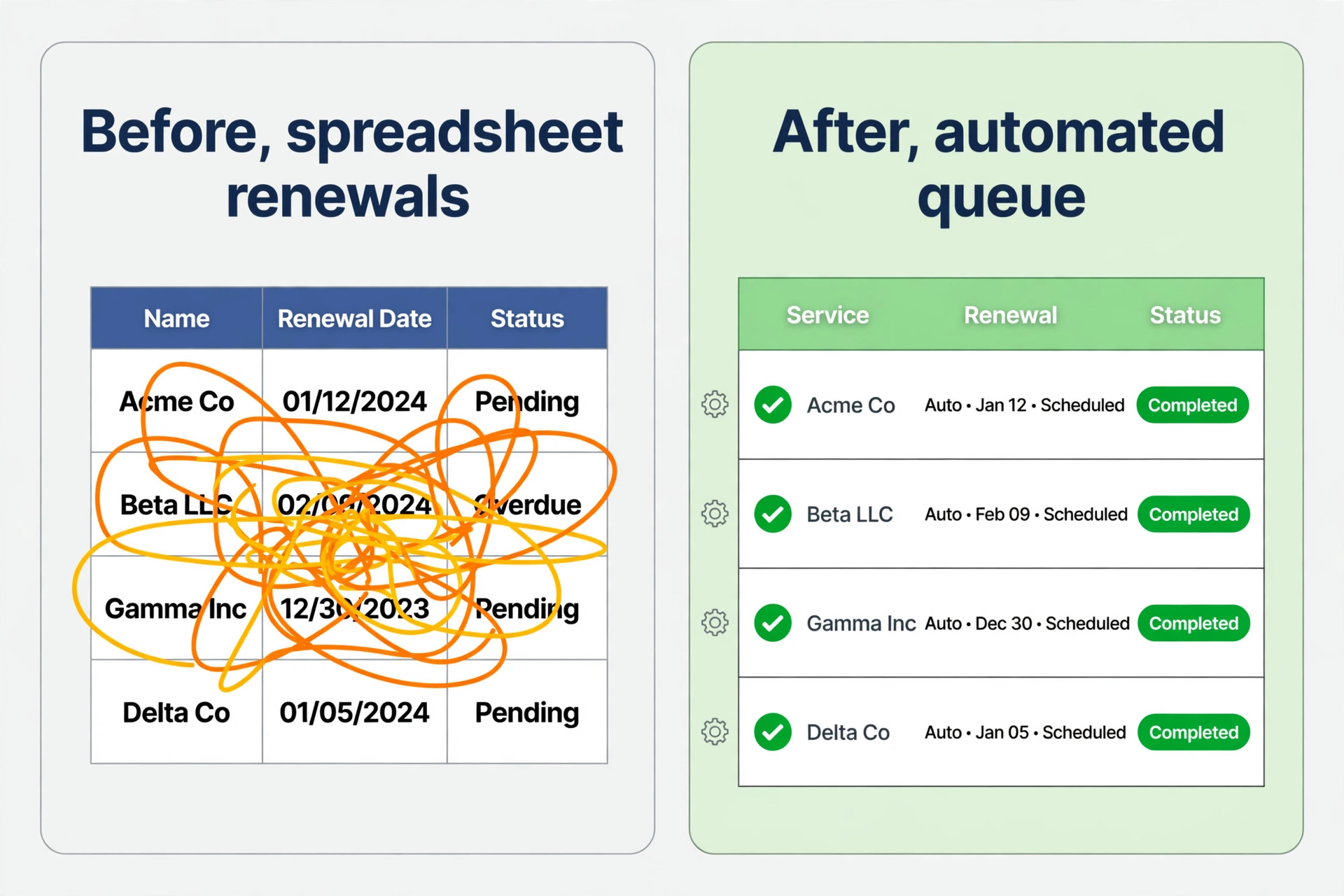
The third mistake is ignoring renewal workflow. A system that quotes well but services poorly will lose customers at renewal, which is where agency profit lives. Test the renewal queue, the client communication flow, and the commission check in the trial, because those three workflows decide whether the agency keeps the book it worked so hard to win.
What to Test in a Two Week Trial
Test a real renewal end to end. Take a policy due in thirty days, run the renewal reminder, update the client record, and check the commission flow. If any step needs a spreadsheet, the system is not yet the system of record, and that gap will repeat at every renewal.
Test carrier download with the carriers the agency writes most. Import a real policy, check that documents land in the right client file, and confirm that accounting reflects the transaction. A download failure for a top carrier is a daily manual job, not a minor bug, and it should weigh heavily in the decision.
Test support during a busy week. Raise a real question about accounting or download, and time the answer. Support quality matters most during migration and at month close, when a slow answer blocks producers and delays commissions. A vendor that answers fast in a trial is more likely to answer fast when the agency is live.

Compliance, Commissions, and Renewal Discipline
Compliance work in an agency is quiet until it fails. License tracking, appointment records, and document retention all sit inside the agency system, and a gap discovered during an audit is far more expensive than the time needed to keep records clean. Ask how the system tracks producer appointments and where compliance documents live, because a system without those answers is incomplete.
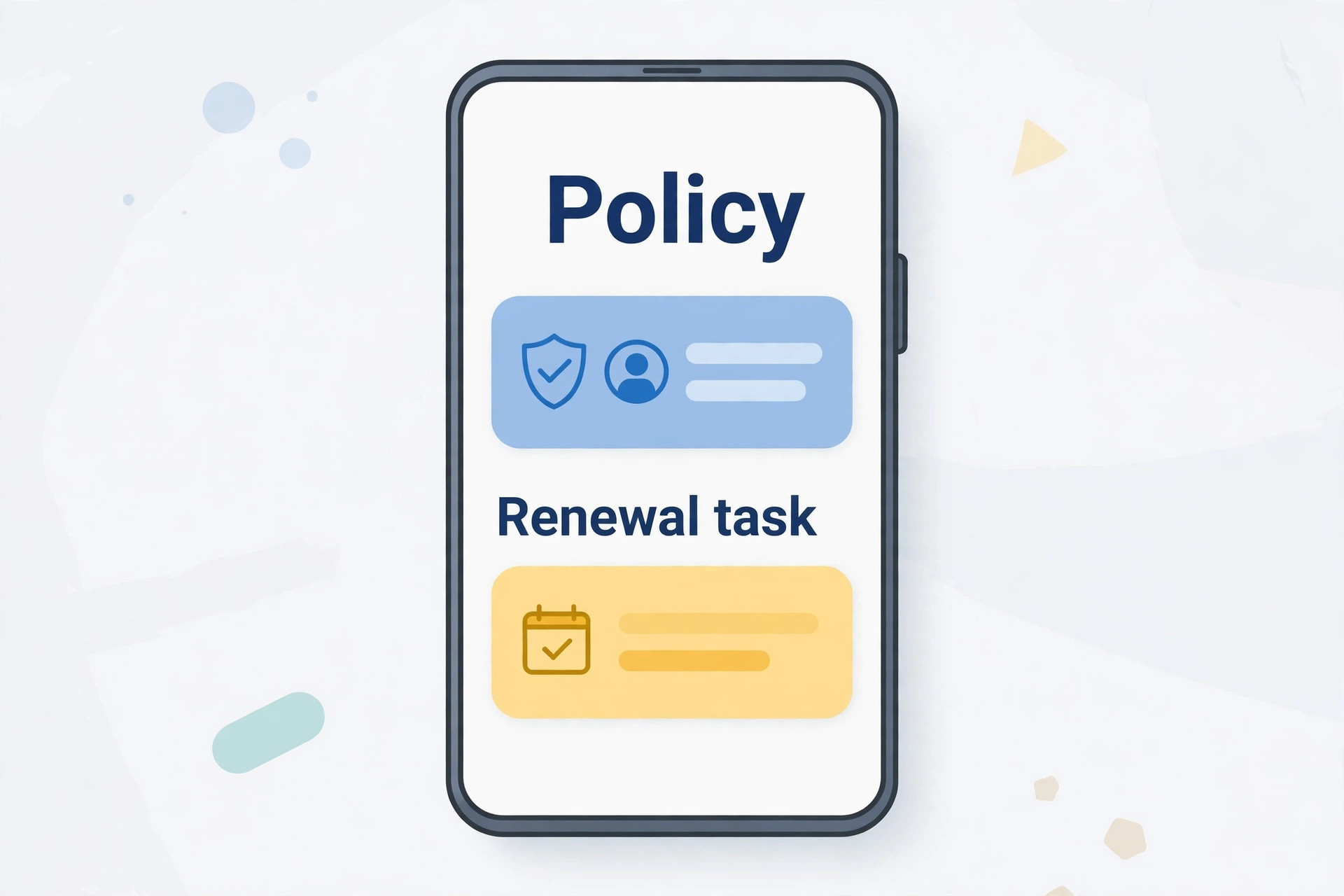
Commission accuracy decides producer trust. If producers doubt the commission report, they will keep their own spreadsheets, and the agency will run two books that never agree. Test commission imports with a real carrier statement, check splits and hierarchies, and confirm that adjustments flow through without manual rework.

Renewal discipline is the profit engine of an agency. A renewal that starts ninety days early, with a client check in, a coverage review, and a remarket decision, keeps far more customers than a renewal that starts with a last minute invoice. Test the renewal queue at ninety, sixty, and thirty days, and check that no policy slips through without an owner.
The best management software for insurance agencies must also handle certificates cleanly. Certificate requests arrive urgently, often from a client who needs proof of coverage for a contract or a lender. A system that generates, tracks, and renews certificates quickly will save producers hours a week, while a manual certificate process creates errors under pressure.
Carrier portals will not disappear, so the agency system must reduce portal hopping rather than add another login. Download, document flow, and real time rating should pull carrier data into the agency record, so a producer answers a client question from one screen. Test the top three carriers the agency writes, not the full carrier list.
Claims support is a service moment that decides retention. A client who files a claim is stressed, and a producer who can see the policy, the carrier contact, and the claim history in one place will help faster and with more confidence. Ask how claims are logged, tracked, and followed up, because a system that ignores claims leaves the hardest service work unsupported.
Reporting for an agency owner should show retention, new business, loss ratios by carrier, and producer performance without a spreadsheet rebuild. A system that exports raw data but cannot answer those questions in one view will still cost the owner hours a week. Ask for those four reports in the trial, with real data, before deciding.
Data migration from an old system is where agencies lose history. Policy notes, client communications, and document attachments must survive the move, or producers will distrust the new system from day one. Ask for a migration sample with a real book, and check that documents land in the right client files, not in a general archive.
Security for client data in insurance is non negotiable. Personal information, financial details, and health related data for benefits lines all sit inside the agency system, so role based access, encryption, and audit logs matter. Ask for security documentation in writing, and check how access is removed when a producer leaves the agency.
The best management software for insurance agencies is ultimately judged at renewal time, not at signup. A system that keeps renewals on time, commissions accurate, and client records clean for a full year will pay for itself many times over. Test those three outcomes in the trial, and let them outweigh a long feature list that never touches daily work.
A Note on Choosing Before Renewal Season
Timing matters, because the best management software for insurance agencies should be live before the heaviest renewal season, not during it. A switch made in a quiet month gives producers time to learn the system, clean the book, and test carrier downloads without risking renewals.
The best management software for insurance agencies is also the one producers open on a busy service day, not just in a demo. Fast client lookup, clear renewal queues, and accurate commission views decide whether staff trust the system or keep side spreadsheets.
Finally, the best management software for insurance agencies should be repriced every year at the real seat count, with modules and implementation included. A tool that was right for a small book may be wrong for a larger commercial book, and a yearly review keeps the agency from paying for depth it never uses.
Frequently Asked Questions
How long does it take to implement an agency management system?
Small cloud systems take two to four weeks, middle market systems take three to six months, and enterprise systems take four to twelve months. The range depends on book size, carrier count, and how clean the current data is, so ask for a written plan tied to the agency book.
Why do so many insurance systems hide their pricing?
Enterprise and middle market systems price by agency size, user count, modules, and implementation scope, so a single rate card would mislead most buyers. Published prices exist for smaller cloud systems, while larger systems need a scoping conversation to quote accurately.
Should a small agency buy Applied Epic or AMS360?
Usually not. Small personal lines agencies get faster value from HawkSoft, EZLynx, QQCatalyst, or NowCerts, at a lower first year cost and a shorter implementation. Epic and AMS360 suit larger or commercial heavy agencies that can fund the longer move.
What is the difference between an AMS and a CRM?
An AMS is the system of record for policies, carriers, accounting, and commissions. A CRM tracks contacts and sales pipelines. Many agencies need both, with the AMS holding the book and a tool like AgencyZoom driving follow up and renewals on top of it.
How important is carrier download?
Carrier download is one of the most important features, because it removes manual entry, cuts errors, and keeps the client file current. Check download coverage for the carriers the agency writes most, not only the total carrier count on a vendor page.
What should an agency check before signing?
Check data ownership and export terms, contract length, implementation cost, support hours, and price rises on renewal. Ask for a written migration plan and a named implementation contact. A contract without a clear data exit path is a risk for any agency.
The Decision, in Plain Terms
For most independent agencies, HawkSoft is the safest starting shortlist, with EZLynx added if comparative rating drives revenue and AMS360 added if the book is larger and mixed. Commercial heavy agencies should shortlist Applied Epic first and fund the implementation properly, rather than buying it and hoping the team learns it alone. Benefits agencies should shortlist AgencyBloc first, because vertical fit beats generic depth.
Do not decide on a demo, and do not decide on price alone. Run a real renewal, a real carrier download, and a real month close in two finalists, then compare first year totals at the real seat count. The system that keeps the book clean, the renewals on time, and the commissions accurate is the right system, even if it is not the cheapest or the most famous.