
The bill for one company podcast comes to $216 a year on Buzzsprout, $96 a year on Libsyn, and nothing at all on Spotify for Creators, and the difference between those three numbers is the whole story of this category. The best podcast hosting platforms for businesses are the ones that charge for what a company actually needs, and Buzzsprout is the one that does it most honestly. This guide opens with the bill, line by line, and the tools are judged by what they cost at real sizes.
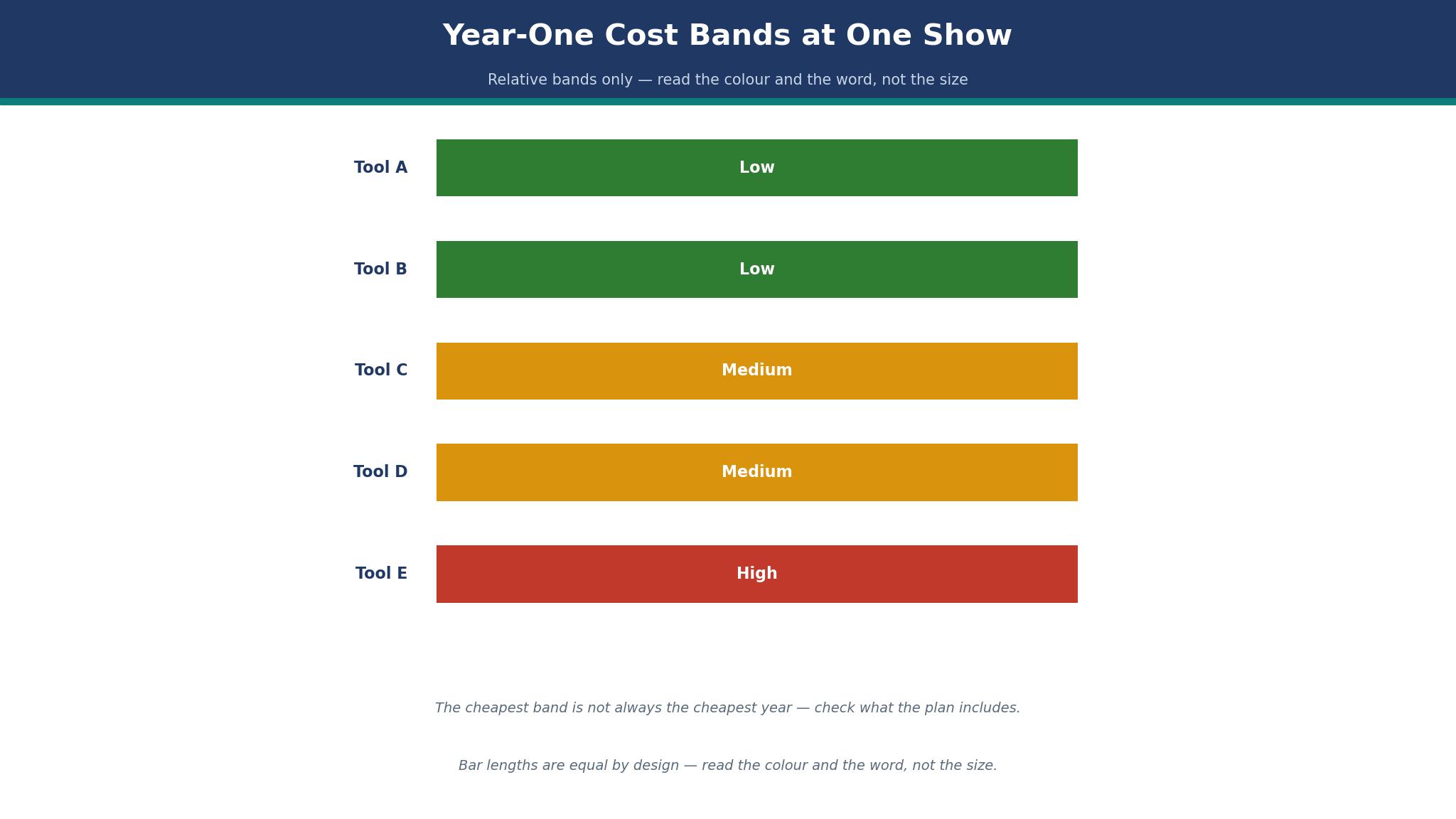
The Year-One Bill for One Company Podcast
The company in this guide is a 40-person accountancy firm that publishes one episode a week, each episode about 45 minutes long, and the show runs all year without a break. That is 52 episodes, about 39 hours of audio, and the hosting bill is the first number the marketing manager has to defend. On Buzzsprout, the Audio plan costs $18 a month, or $15 a month billed yearly, which is $180 a year for 72 hours of uploads. The firm’s 39 hours fit inside that allowance, and the bill is $180 a year.
On Libsyn, the Bare Essentials plan costs $8 a month, with 162 megabytes of new audio a month, or about three hours, which covers the firm’s four episodes a month with room to spare. The year-one bill is $96, and the Basic plan at $12 a month, or $144 a year, adds more hours and a website.
On Podbean, the Unlimited Audio plan costs $17 a month, or $12 a month billed yearly, which is $144 a year, with 1 gigabyte of uploads a month and unlimited storage. On Transistor, the Starter plan costs $19 a month, or $190 a year, for 20,000 downloads a month and unlimited podcasts.
The free options change the arithmetic entirely. Spotify for Creators costs nothing, and it distributes to Spotify and beyond, but the analytics are thinner and the show lives on Spotify’s terms. Buzzsprout’s free plan allows two hours a month, but episodes on it stay up for only 90 days, which means the back catalogue disappears.
Best Pick by Job
The right host changes with the number of shows and the size of the audience. A company with one show needs a different tool from a company with five, and a company that sells ads needs something else again. The rows below are drawn from the bill above and the detail section below.
| Job | Best pick | Why it wins for this job |
|---|---|---|
| One show, first podcast, small team | Buzzsprout | $15 a month billed yearly, easiest workflow |
| One show, tightest budget | Libsyn | $8 a month, $96 a year, flat cost |
| Several shows on one account | Transistor | $19 a month, unlimited shows, 20,000 downloads |
| Monetisation built in | Podbean | $12 a month billed yearly, ads marketplace |
| A company that wants it free | Spotify for Creators | Free, widest reach on Spotify |
| Private shows for staff only | Captivate | Private podcasting, memberships, from about $19 a month |
The pick that needs explaining is Buzzsprout at the top, because it is not the cheapest tool here. Libsyn costs $96 a year against Buzzsprout’s $180, and Spotify for Creators costs nothing. Buzzsprout wins because its workflow is the easiest in this guide, its statistics are certified, and its free plan is honest about what it does not do.
How to Choose the Best Podcast Hosting Platforms for Businesses?
Start with the limit the host charges on, because every host in this guide charges on a different unit, and the unit decides the bill. Buzzsprout charges by upload hours, six hours a month on the Audio plan. Libsyn charges by upload size, 162 megabytes a month on Bare Essentials. Transistor charges by downloads, 20,000 a month on Starter. Podbean charges by upload size, 1 gigabyte a month on Unlimited Audio.
Next, check what happens when the limit is passed. Buzzsprout lets annual plans go past their upload hours, billing the extra each month instead of requiring an upgrade. Transistor charges for the next download tier when the audience grows. Libsyn requires a plan change when the upload allowance is passed. Ask every host what the overage costs, because the month the show goes viral is the month the bill surprises you.
Then look at the statistics, because a company podcast needs to prove it is heard. Buzzsprout’s statistics are IAB 2.2 certified, Podbean’s are IAB Tech Lab certified, and Libsyn’s are IAB verified, which means the download numbers can be shown to a sponsor without apology. Transistor’s statistics are compliant but not certified, which matters when the company wants to sell ads. A host whose numbers cannot be certified is a host whose audience cannot be sold, and the company should know that before it publishes its fiftieth episode.
Finally, check the video, because a company podcast in 2026 is often a video podcast as well. Buzzsprout adds video publishing on its Audio plus Video plan at $30 a month, or $25 billed yearly. Transistor adds video on its Professional plan at $49 a month. Libsyn includes video uploads on every plan. Podbean adds video from $29 a month. A company that records on camera needs a host that publishes the video to YouTube and Spotify without a second tool, and the video price belongs in the comparison.
What Does Hosting Actually Include?
Hosting includes the RSS feed, the distribution to Apple Podcasts and Spotify, the storage, the statistics, and the player the company puts on its website, and the differences between hosts sit in the extras. Buzzsprout includes automatic transcripts, advanced statistics, dynamic content, and a premium website, with AI add-ons charged separately. The best podcast hosting platforms for businesses are the ones whose extras a company actually uses, because an extra that is never opened is a line on a bill, not a feature.
The extras that cost extra are the ones to watch. Buzzsprout charges for extra upload hours beyond the plan, at $4 an hour on the entry plan, and its AI add-ons are billed separately. Podbean charges for its Network tier, where the ads marketplace is free, and for the higher upload allowances. Libsyn charges for dynamic ad insertion only on its Enterprise plan, which is custom priced, so a company that wants ads inserted into old episodes needs to ask for that quote. The hosting bill is the subscription, and the extras are the bill that arrives after it, so both belong in the budget.
The 15 Tools in Detail
The fifteen tools below are covered in ranking order, and the detail on each one states the price, the limit, and the catch. The best podcast hosting platforms for businesses are separated less by their distribution than by their limits, so each section states the limit first.
1. Buzzsprout
Buzzsprout is the pick for a company publishing its first show, and the easiest host in this guide to use well. The Audio plan costs $18 a month, or $15 a month billed yearly, for six hours of uploads a month, or 72 hours a year, and the Audio plus Video plan costs $30 a month, or $25 billed yearly. The free plan allows two hours a month, but episodes on it stay up for only 90 days, which is the catch that matters, because a company podcast without a back catalogue loses its history.
The strength is the workflow. Buzzsprout guides a first-time podcaster from upload to publication without a manual, and its statistics are IAB 2.2 certified, which means the numbers can be shown to a sponsor. The platform includes automatic transcripts, advanced statistics, dynamic content, and a premium website, with unlimited team members on paid plans.
A worked example shows the year-one cost. The accountancy firm publishes 39 hours a year, which fits inside the 72 hours on the annual Audio plan, so the bill is $180 a year, and nothing more. A company that publishes two episodes a week, or 78 hours a year, passes the allowance by six hours, and pays $24 extra for the year, or $204 in total. A company that publishes daily would need the $36 a month plan, or $432 a year, and the limit is the reason to check the publishing schedule before buying.
2. Libsyn
Libsyn is the budget pick, and the oldest host in this guide, with a flat cost that a finance department can approve without a meeting. The Bare Essentials plan costs $8 a month, with 162 megabytes of new audio a month, or about three hours, and the Basic plan costs $12 a month for about three hours with a website and more features. The Advanced plan costs $25 a month for 540 megabytes, or about ten hours. There is no annual discount, and the first 30 days are free on any plan, with a card needed.
The strength is the flat cost and the longevity. Libsyn has hosted podcasts for longer than most of its competitors have existed, its statistics are IAB verified, and every plan includes video uploads and a website. The weakness is the upload allowance, which is measured in megabytes rather than hours, so a company must convert its episode length into file size before it knows whether the plan fits. The dynamic ad insertion is available only on the Enterprise plan, which is custom priced, so a company that wants ads in old episodes needs a quote.
A worked example shows the saving. The accountancy firm pays $96 a year on Bare Essentials, against $180 on Buzzsprout, a saving of $84 a year. The saving buys nothing else, and the firm gives up Buzzsprout’s easier workflow and its certified statistics for it. A company that publishes on a tight budget should buy Libsyn. A company that publishes every week and needs the workflow should buy Buzzsprout, and the $84 is the price of the easier week.
3. Podbean
Podbean is the monetisation pick, built for a company that wants to earn from its show as well as publish it. The Unlimited Audio plan costs $17 a month, or $12 a month billed yearly, which is $144 a year, with 1 gigabyte of uploads a month, unlimited storage, and unmetered bandwidth. The Unlimited Plus plan costs $29 a month billed yearly, and the Network plan costs $79 a month billed yearly, with 40 gigabytes of uploads a month.
The strength is the ads marketplace, where Podbean sells ads into the show, and the Apple Podcasts subscriptions, which let the company charge listeners directly. The platform includes AI cleanup, an AI podcast creator, and transcripts, and its statistics are IAB Tech Lab certified. The weakness is the upload allowance, because 1 gigabyte a month is about 16 hours of audio.
4. Transistor
Transistor is the multi-show pick, and the only host in this guide that prices by downloads and gives unlimited shows on every plan. The Starter plan costs $19 a month, or $190 a year, for 20,000 downloads a month and 50 unique private subscribers. The Professional plan costs $49 a month for 100,000 downloads and adds video. The Business plan costs $99 a month for 250,000 downloads. Every plan includes unlimited podcasts and unlimited team members, and the trial is 14 days.
The strength is the model. A company with five shows pays $19 a month for all five, while the same five shows on Buzzsprout would need the Multi-Podcast plan at $36 a month or more, or $432 a year, against Transistor’s $190. The saving is $242 a year, and it grows with every show added.
5. Captivate
Captivate is the private-show pick, built for companies that publish podcasts for staff, clients, or members rather than the public. It costs from about €17 a month, or roughly $19, and it offers private podcasting, memberships, tipping, and a marketplace for ads, with dynamic ad insertion on all plans. The strength is the private feed, because a company that trains staff by podcast needs a feed that only staff can hear, and Captivate does that properly. The weakness is the price in euros, which moves with the exchange rate, and the smaller audience tools. Buy Captivate for a private show. Buy Transistor for public shows.
6. Spreaker
Spreaker is the live pick, built for companies that broadcast live as well as publish recorded episodes. It costs from $7 a month on its entry plan, according to reported pricing, and it offers live streaming, a mobile app for recording, and distribution to the usual platforms. The strength is the live broadcast, which suits a company that runs a weekly live show and publishes the recording afterwards. The weakness is the smaller feature set for a business that only publishes recorded episodes, where Buzzsprout and Transistor do more. Buy Spreaker for a live show. Buy Buzzsprout for a recorded one.
7. Acast
Acast is the ad-sales pick, built for companies whose show is large enough to sell advertising through a network. It offers a free Starter plan, a Plus plan reported at $14.99 a month, and a network that sells ads into the show. The strength is the ad network, which is the largest in this guide for a mid-size show. The weakness is the fit for a small company show, because the network needs an audience to sell.
8. RSS.com
RSS.com is the budget pick for a company that wants the cheapest paid plan in this guide, reported from $4.99 a month, with unlimited episodes and a straightforward dashboard. It offers distribution, analytics, and a website, and it suits a company that publishes a simple show and wants the bill to stay small. The strength is the price, because $4.99 a month is $59.88 a year, which undercuts Libsyn by $36 a year. The weakness is the thinner feature set, because the analytics, the transcripts, and the monetisation are all lighter than Podbean or Buzzsprout. Buy RSS.com for the cheapest bill. Buy Buzzsprout for the easiest week.
9. Blubrry
Blubrry is the WordPress pick, built for companies whose website runs on WordPress and who want the podcast to live inside it. The Standard 1.5 plan costs $7 a month, the cheapest paid plan in this guide after RSS.com, and every plan includes video. The strength is the WordPress plugin, which is the best in this guide, and the statistics, which are certified on the Advanced plans. The weakness is the interface, which is older than the competition, and the smaller feature set for a company that does not run WordPress. Buy Blubrry for a WordPress site. Buy Buzzsprout for a standalone show.
10. Spotify for Creators
Spotify for Creators is the free pick, and the only host in this guide that costs nothing for unlimited hosting. It distributes to Spotify and beyond, offers analytics, and lets a company publish without a subscription, which is the reason a company with no budget should start here. The strength is the price and the reach on Spotify, which is the largest single podcast platform. The weakness is the control, because the show lives on Spotify’s terms, the analytics are thinner than Buzzsprout’s, and the monetisation is limited. A company that publishes for free should know what it gives up, and the thing it gives up is independence.
11. Simplecast
Simplecast is the analytics pick, built for companies that want clean, detailed statistics and a simple publishing flow. It costs from $15 a month on its Basic plan, according to reported pricing, and it offers unlimited storage, a website, and distribution to the usual platforms. The strength is the analytics dashboard, which is the clearest in this guide for a marketing manager who reports on the show every month. The weakness is the price for the features, because $15 a month buys less than Buzzsprout’s $15, and the platform has changed owners, which makes some buyers cautious. Buy Simplecast for the analytics. Buy Buzzsprout for the workflow.
12. Castos
Castos is the WordPress and monetisation pick, built for companies that run their show from WordPress and want to sell subscriptions. It costs $19 a month on its entry plan, and it offers dynamic ad insertion on all plans, private paid subscriptions, and a 0 percent cut on donations and subscriptions. The weakness is the price, because $19 a month is more than Buzzsprout’s $15.
13. RedCircle
RedCircle is the free monetisation pick, with a free plan and a Growth plan reported at $9 a month, and a marketplace that sells ads into the show. It offers hosting, distribution, and cross-promotion with other shows, which suits a company that wants to grow its audience by appearing on other podcasts. The strength is the price and the cross-promotion, which is unique in this guide. The weakness is the smaller platform, because the analytics and the support are thinner than Buzzsprout or Podbean. Buy RedCircle for a free start with ads. Buy Podbean for a serious ad business.
14. Pinecast
Pinecast is the simple pick, costing $10 a month for unlimited shows and unlimited episodes, with a straightforward dashboard and no download limits. It suits a small company that publishes one show and wants the bill to stay at $120 a year without thinking about it. The strength is the simplicity, because $10 a month buys everything, and the company never has to count hours, megabytes, or downloads. The weakness is the feature set, because the analytics, the transcripts, and the monetisation are all basic. Buy Pinecast for the simplest bill. Buy Buzzsprout for the easiest week.
15. Audioboom
Audioboom closes this list as the network pick, built for companies whose show belongs on a network with other shows. It costs from $9.99 a month on its entry plan, according to reported pricing, and it offers hosting, distribution, and an ad network that sells into the show. The strength is the network, because a show on Audioboom sits beside other shows, and the cross-promotion helps it grow. The weakness is the fit for a small company show, because the network needs an audience, and a show with a few hundred downloads will not earn from it. Buy Audioboom for a network show. Buy Buzzsprout for a standalone one.
Buzzsprout vs Libsyn
The head-to-head is a contest between the easiest host and the cheapest host, and the publishing schedule decides the winner. Buzzsprout charges $18 a month, or $15 billed yearly, for six hours of uploads a month, with IAB 2.2 certified statistics, automatic transcripts, and a workflow that a first-time podcaster can follow without a manual. Libsyn charges $8 a month for Bare Essentials, with 162 megabytes of new audio a month, IAB verified statistics, and a website on every plan, with no annual discount.
The year-one bill is $180 on Buzzsprout and $96 on Libsyn, a difference of $84. The best podcast hosting platforms for businesses are the ones whose bill the finance department can approve and whose workflow the marketing manager can live with, and those are two different tests.
Buzzsprout wins the workflow test, because its publishing flow is the easiest in this guide, and its statistics are certified. Libsyn wins the price test, because $96 a year is the cheapest flat cost among the established hosts.
The deciding question is the episode length. A company that publishes 45-minute episodes weekly fits inside Libsyn’s 162 megabytes a month, and it fits inside Buzzsprout’s six hours, so both work, and the choice is workflow against price. A company that publishes hour-long episodes daily fits neither, and it needs Transistor or Podbean. The accountancy firm in this guide publishes 39 hours a year, and both hosts fit, so the answer is Buzzsprout for the workflow, and the $84 is the price of the easier week.
The Episode That Never Got Published
The episode was recorded, edited, and ready, and it never got published, because the host could not find the file. The company recorded its episodes on a laptop, saved them to a shared drive, and named them by date, and the date in the filename was the date of the recording, not the date of publication. The marketing manager looked for the episode for the 15th of the month, and the file was named for the 8th, which was the day it was recorded, and the episode stayed on the drive for three weeks while the show went silent.
The lesson is that a podcast host is not just a place to store audio. It is the system that remembers what was published, when, and in what order, and a host that does not do that is a hard drive with a logo. Buzzsprout, Transistor, and Podbean all keep a publishing calendar, a draft queue, and a back catalogue that survives, and the episode that is scheduled is the episode that gets published.
The fix took ten minutes. The company moved its episodes to Buzzsprout, scheduled the next four in advance, and set a reminder for the day before each publication. The show has not missed a week since, and the back catalogue is intact, because the host remembers what the shared drive forgot. The best podcast hosting platforms for businesses are the ones that publish the episode on the day it is due, and the host that does that is worth $15 a month, because a missed week costs more in audience than a year of hosting.

Can a Business Podcast Make Money?
Yes, and the money comes from three places, in order of size. The first is the company’s own business, because a podcast that brings in one client a year pays for itself many times over, and the accountancy firm in this guide measures its show by the clients who mention it, not by the downloads.
The second is advertising, through Podbean’s ads marketplace, Acast’s network, or RedCircle’s marketplace, where a show with 10,000 downloads an episode can earn a few hundred dollars a month. The third is subscriptions, through Podbean’s Apple Podcasts subscriptions or Castos’s private feeds.
The honest answer is that most company podcasts do not make money directly, and they do not need to. A show that costs $180 a year on Buzzsprout and brings in one client worth $5,000 has paid for itself 27 times over, and the downloads do not matter. A show that costs $180 a year and brings in no clients is a hobby, and the company should either fix the show or stop it.
Frequently Asked Questions
Can I host a business podcast without an audio engineer?
Yes, and every host in this guide is built for it. Buzzsprout guides a first-time podcaster from upload to publication without a manual, Podbean offers AI cleanup and an AI podcast creator, and Transistor publishes to every platform from one dashboard. The best podcast hosting platforms for businesses are the ones a marketing manager can run alone, Record in a quiet room, speak close to the microphone, and let the host do the rest.
How much does podcast hosting cost per year?
A single show costs $96 a year on Libsyn, $144 a year on Podbean billed yearly, $180 a year on Buzzsprout billed yearly, $190 a year on Transistor, and nothing on Spotify for Creators. A company with five shows pays $190 a year on Transistor, because the plan covers unlimited shows, against $432 a year on Buzzsprout’s Multi-Podcast plan. The cheapest bill is free, and the best bill is the one for the show the company actually publishes, with the episodes still there in a year.
What happens when my show passes its download limit?
Buzzsprout lets annual plans go past their upload hours, billing the extra each month instead of requiring an upgrade. Transistor moves the show to the next download tier, from $19 to $49 a month when it passes 20,000 downloads. Libsyn requires a plan change when the upload allowance is passed. The month the show goes viral is the month the bill surprises you, so ask every host what the overage costs before buying, and budget for the tier above the one you buy.
Do I own my RSS feed?
Yes, on every paid host in this guide, and the feed can be moved to another host by redirecting it, which is the test of ownership. A host that will not redirect your feed owns your audience, and a host that will is a landlord you can leave. Buzzsprout, Libsyn, Podbean, and Transistor all support feed redirects, and the company should test the redirect before it needs it, because the day the host raises its price is the day the redirect matters.
Can I publish video as well as audio?
Yes, on Buzzsprout from $25 a month billed yearly, on Transistor from $49 a month, on Libsyn on every plan, and on Podbean from $29 a month. A company that records on camera needs a host that publishes the video to YouTube and Spotify without a second tool, and the video price belongs in the comparison. The best podcast hosting platforms for businesses in 2026 are the ones that publish video as easily as audio, because the audience watches as often as it listens.
Should a company podcast be public or private?
Public, when the show is marketing, because a public show brings in clients and a private show does not. Private, when the show is training, because a staff podcast should only be heard by staff, and Captivate is the host built for that job, with private feeds and memberships. A company that publishes training material in public is giving its competitors its playbook, and a company that publishes marketing material in private is hiding its best work. The audience decides the setting, and the setting decides the host.
The Verdict: My Pick for a One-Show Company
Buzzsprout is my pick for a company publishing one show, because its workflow is the easiest in this guide, its statistics are IAB 2.2 certified, and its year-one bill is $180, which is the price of the easier week. Libsyn is my pick for the tightest budget, at $96 a year, and Transistor is my pick for a company with several shows, at $190 a year for unlimited shows. Those are the same picks the Best Pick table gives, with the same reasons.
What I would do, if I owned the accountancy firm in this guide, is buy Buzzsprout on the annual Audio plan for $180 a year, schedule the next four episodes in advance, and set a reminder for the day before each publication, because the episode that never got published is the failure this whole category has to guard against. I would measure the show by the clients who mention it, not by the downloads, because a show that brings in one client worth $5,000 has paid for itself 27 times over, and the downloads do not matter.