
Midjourney vs DALL-E ends with a split verdict, and that is the honest answer before we look at a single image. Midjourney wins for pure visual artistry, atmosphere and style. DALL-E, now accessed through ChatGPT as GPT Image, wins for prompt accuracy, readable text in images and everyday commercial work where the image must match a brief exactly. If you want images that stop a scroll, start with Midjourney. If you want images that follow instructions, carry correct words and fit into a business workflow, start with DALL-E through ChatGPT. Most serious creators will eventually use both, but the first subscription you buy should match the work you do most.
One important update shapes this whole comparison. OpenAI retired the DALL-E brand in late 2025 and folded image generation into ChatGPT under GPT Image, so when people search for DALL-E in 2026 they are usually buying ChatGPT Plus and using GPT Image inside it. That change matters for pricing and for workflow, because a DALL-E subscription is no longer an image only purchase. It is a full ChatGPT subscription that happens to include strong image generation. Midjourney, by contrast, sells image and video generation only, and it sells it with a focus that shows in the output.
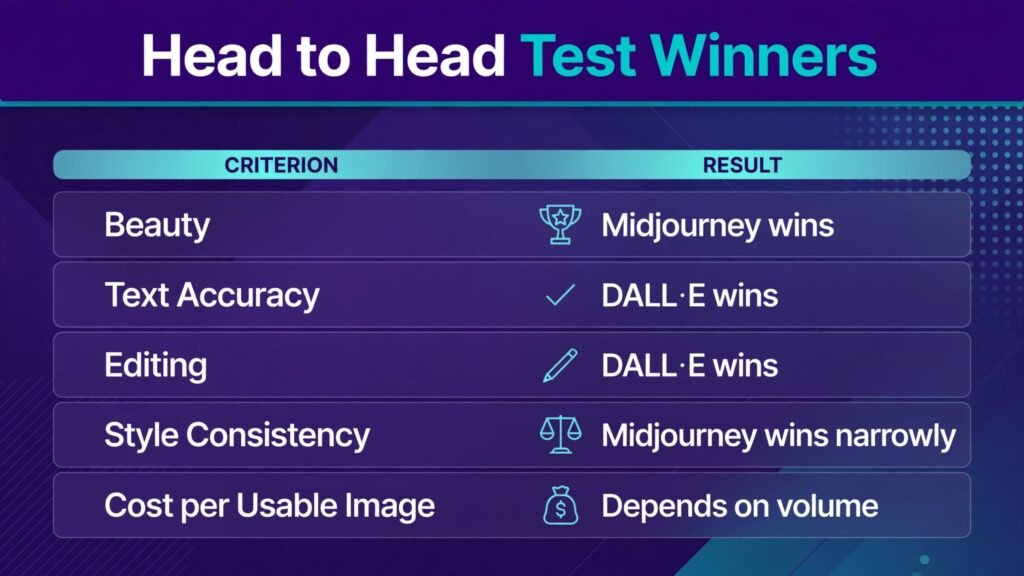
Prices quoted here reflect publicly listed October 2026 figures, and you should check checkout before you commit. Midjourney plans are commonly listed at $10, $30, $60 and $120 a month, with an annual discount. ChatGPT Plus, the usual route to GPT Image, is commonly listed at $20 a month. The right choice is rarely the cheaper headline price. It is the tool whose strengths match the images you will actually publish, sell or put in front of clients.
What Each Tool Is Really For
Midjourney is an artist first tool. It rewards taste, experimentation and prompt craft, and it produces images with a distinctive sense of light, texture and mood that many other generators still struggle to match. A portrait, a fantasy scene, a fashion editorial look or a moody product shot can come out of Midjourney looking like it was art directed, not just generated. That quality is why designers, illustrators, authors, game developers and brand teams keep paying for it even when cheaper tools exist.
DALL-E through GPT Image is a communicator first tool. It is built to understand a written brief, follow it closely, place objects where you asked for them, and render words on signs, packaging, posters and slides with far fewer errors. You can also talk to it in plain language, ask for a change in the next message, and watch it revise the same image rather than starting from scratch each time. For a marketer who needs a hero image that matches a blog post, a teacher who needs a labelled diagram, or a small business owner who needs a flyer with correct opening hours, that reliability is worth more than a prettier but unpredictable result.
The difference shows up in how you prompt. Midjourney prompts often read like a creative brief with style references, lighting notes and camera language, and small changes can shift the mood in a big way. DALL-E prompts can read like normal instructions, and the tool will try to do exactly what you wrote, including the awkward parts. Neither approach is wrong. They simply reward different skills, and a creator who loves tuning style will feel at home in Midjourney, while a creator who wants to write once and move on will feel at home in ChatGPT.
Midjourney in Depth: Artistry, Style and Control
Midjourney strength starts with the image itself. Skin tones, fabric, cinematic light, painterly texture and dramatic composition tend to look richer and more intentional than the output of most rivals. That matters for book covers, album art, game art, advertising hero images and any visual where the first impression decides whether someone keeps looking. A Midjourney image often needs less editing before it is presentable, and that saved editing time is part of its value, even if the subscription costs more than a general chatbot plan.
Control in Midjourney comes from parameters and iteration. Aspect ratio, stylisation, chaos, version selection, reference images and personalisation settings give experienced users a real set of dials, and the community around Midjourney has built a shared language for style that new users can learn from public galleries. The web editor has made the tool far more approachable than the early Discord only days, but there is still a learning curve. A beginner who types a short vague prompt will get a beautiful image that may not match the brief, and that gap frustrates people who expected a literal tool.
Midjourney is also a volume tool on the right plan. Standard at about $30 a month adds unlimited slower Relax mode generations, which changes how a creator works: you can explore many variations, test styles and build a series without watching a credit meter on every generation. That freedom suits illustrators and content teams who generate in batches. On Basic, with a limited amount of fast GPU time, you need to be more selective, and heavy users will hit limits sooner than they expect.
Midjourney Pricing, Best For and Watch Outs
Midjourney has no free plan in 2026, which is a real barrier for casual users who just want to try image generation. Commonly listed plans are Basic at about $10 a month, Standard at about $30 a month, Pro at about $60 a month and Mega at about $120 a month, with annual billing reducing the monthly equivalent by about 20 percent. Pro adds Stealth mode for private generations and more fast time, which agencies and professionals often need, because public generations on lower plans are visible in community spaces. Check checkout for current plan names, limits and annual terms before you buy.
Midjourney is best for artists, illustrators, designers, authors, game developers, marketers who need hero visuals, and anyone whose work is judged on visual quality first. It is also strong for mood boards, concept art and style exploration, where many ariations are the point. Watch out for text accuracy, because Midjourney has improved but still makes more spelling and letter errors than GPT Image on text heavy designs. Watch out for prompt literalness too: if your brief has many specific objects,positions and words, Midjourney may prioritise beauty over accuracy. Finally, watch out for privacy on lower plans, because Stealth mode is a paid feature, not a default.
DALL-E in Depth: Accuracy, Editing and Everyday Use
DALL-E through GPT Image wins the practical tests that businesses care about. Ask for a poster with a headline, a date and a price, and it will usually render the words correctly. Ask for a product in a specific colour, on a specific background, with a specific prop, and it will usually place those elements where you asked. Ask for an edit, such as changing the sky, swapping a shirt colour or removing an object, and you can describe the change in conversation and get a revised image that keeps the rest of the scene intact. That conversational editing is the feature that turns image generation from a lottery into a workflow.
The ChatGPT bundle is also a major part of the value. A $20 a month Plus subscription gives you the chatbot, file analysis, web browsing, writing help and image generation in one place, so the marginal cost of an image for someone who already pays for ChatGPT is effectively zero. For a blogger, a teacher, a freelancer or a small business owner who already uses ChatGPT daily, there is no separate image tool to learn, no separate login to manage and no separate bill to justify. That integration advantage is hard for a single purpose tool to beat, even when its images are prettier.
Where DALL-E falls short is visual drama. Its images can look clean, correct and a little flat, especially for artistic work where mood and texture carry the message. It is also subject to ChatGPT usage limits, commonly described as around 50 images in a three hour window on Plus, which is plenty for most daily work but can frustrate a team generating hundreds of variations in a batch. For very high volume or API driven production, the OpenAI API offers pay per image pricing, but that route needs technical setup and a different budgeting mindset.
DALL-E Pricing, Best For and Watch Outs
Access to GPT Image starts on the free ChatGPT tier with a small daily allowance, which is enough to test the tool and make occasional images. ChatGPT Plus at about $20 a month is the plan most creators should price first, because it raises limits and includes the full ChatGPT feature set. Team plans at about $25 per user a month add admin controls and higher limits for workplaces, and Pro at about $200 a month is aimed at heavy professional and research use with much higher limits. API pricing is pay per image and varies by model and resolution, commonly in the range of a few cents for standard images and more for high resolution. Check checkout before you commit, because limits and model names change.
DALL-E is best for marketers, bloggers, educators, small business owners, product teams and anyone who needs accurate, editable, on brief images inside a workflow they already use. It is the better choice for infographics, posters with text, product mockups, social graphics with headlines and instructional visuals. Watch out for artistic ceiling: if your work is judged on gallery level artistry, you may find the output correct but uninspiring. Watch out for rate limits during batch work, and watch out for style consistency across a long series, because GPT Image can drift in style unless you reuse strong reference prompts and check each image before publishing.
Test 1: Beauty and Atmosphere
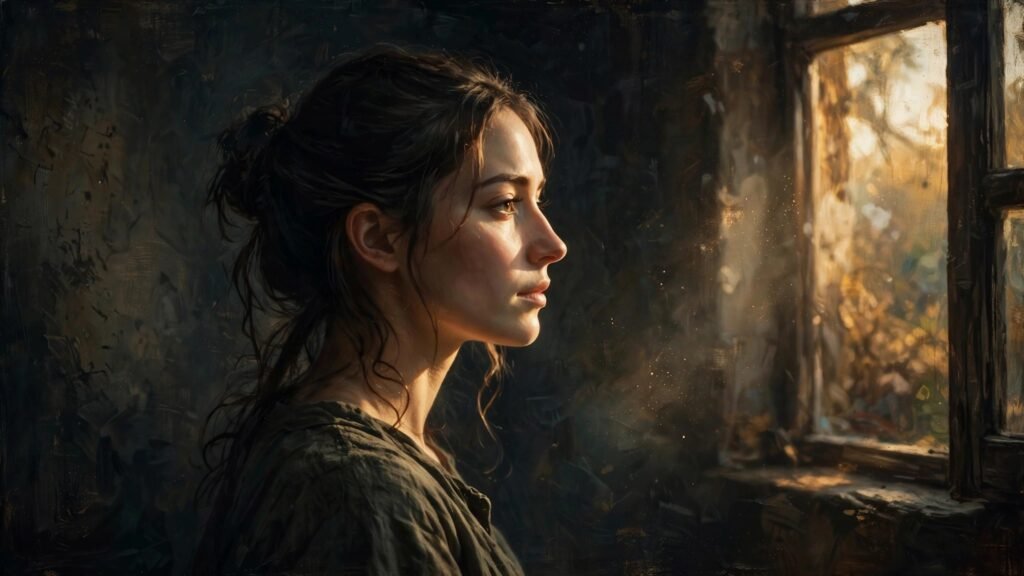
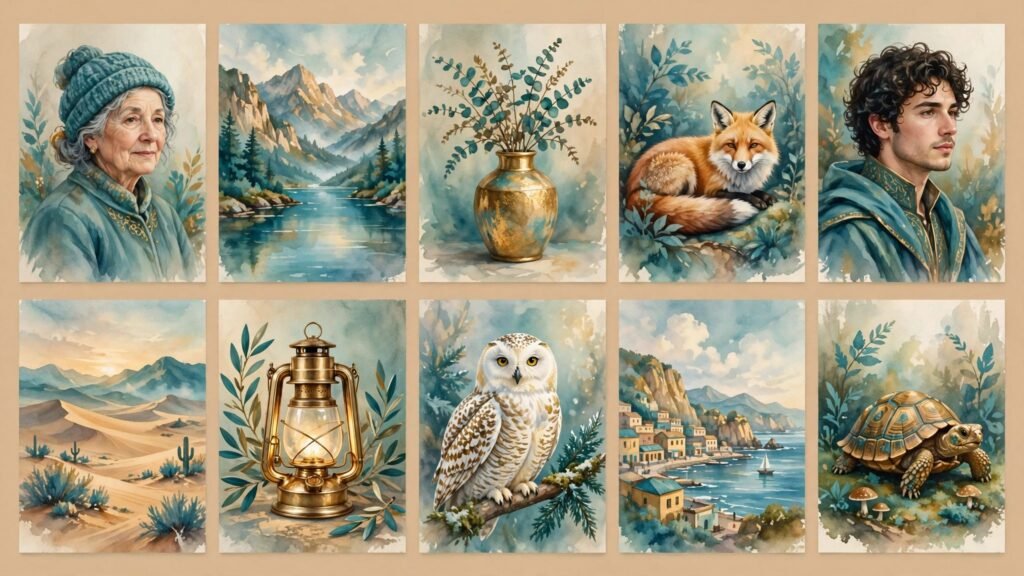
The task was to create a cinematic portrait, a fantasy scenery scene and a moody product photograph, with no text in the images. Midjourney won all three on first impression. Its light felt intentional, its textures felt tactile, and its compositions felt like they had been planned by a photographer rather than assembled from a prompt. DALL-E produced clean, competent versions, but they lacked the same depth and drama, and a viewer asked to pick the more striking image chose Midjourney without hesitation. Verdict: Midjourney wins for artistry, and this test matters most for covers, advertising heroes and portfolio work.
Test 2: Text and Instruction Accuracy
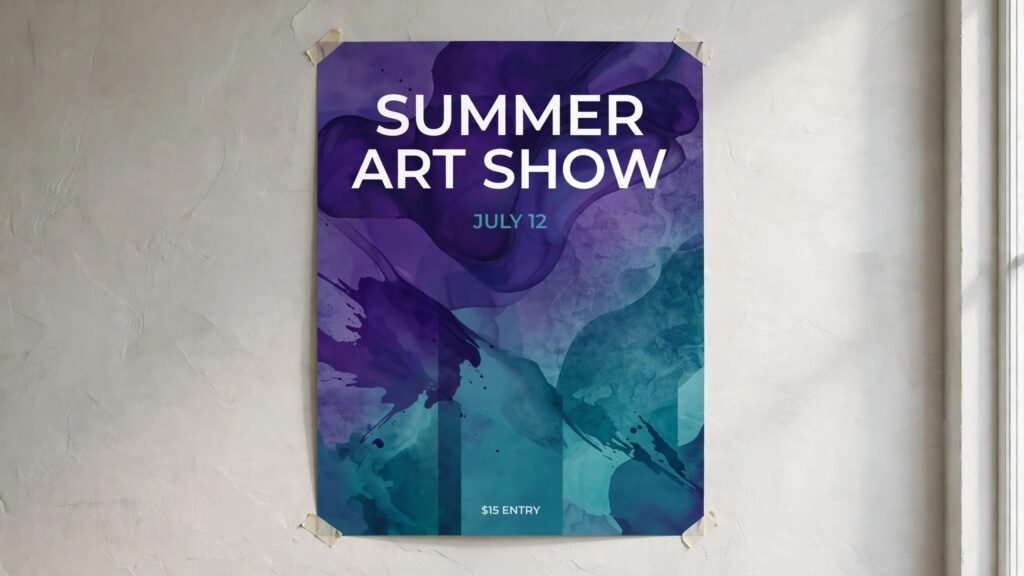
The task was to create a poster with a headline, a date, a price and a small disclaimer, plus a product image with three specific props in set positions. DALL-E through GPT Image won clearly. Headlines were spelled correctly, prices matched the brief, and props appeared where requested. Midjourney produced a more attractive poster at first glance, but close inspection found letter errors and a prop in the wrong place, which would require regeneration or manual fixing before publication. For any image that carries information, accuracy beats beauty, because a beautiful poster with the wrong date is a failed poster. Verdict: DALL-E wins this test, and it is the test that matters most for business use.
Test 3: Editing an Existing Image
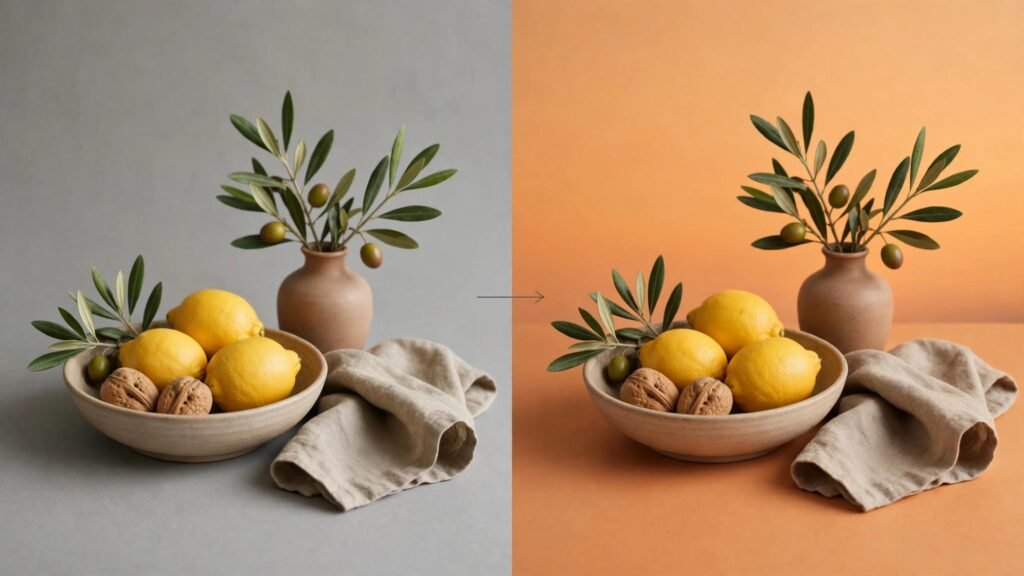
The task was to take a good image and make three changes: change the background colour, swap one object, and add a small element, while keeping everything else the same. DALL-E won because conversational editing kept the scene stable across revisions. Each request produced a recognisable version of the same image, which is exactly what a client revision round needs. Midjourney editing tools have improved, and reference based workflows help, but the same task required more prompt tuning and produced more variation between versions, which is enjoyable for exploration and frustrating for revision. Verdict: DALL-E wins for revision workflows.
Test 4: Style Consistency Across a Series
The task was to create ten images in the same style for a single brand campaign, with matching colour palette, lighting and character appearance. This test was close. Midjourney personalisation and reference images gave a strong, consistent look once the style was locked, and the series felt like a coherent set. DALL-E also held style well when the same detailed style description was repeated, but character appearance drifted more across the set, and a few images needed a second attempt. Verdict: Midjourney wins narrowly for long artistic series, DALL-E wins for short practical series where each image is judged alone. Weight this test by how many images your campaign needs.
Test 5: Cost per Usable Image
Cost per generation is a misleading metric. Cost per usable image, meaning an image you actually publish without heavy fixing, is the number that matters. For a creator who already pays for ChatGPT, DALL-E wins this test easily, because the images are a bonus on top of a subscription that serves many other jobs. For a dedicated image creator generating hundreds of variations, Midjourney Standard with unlimited Relax mode wins, because the per image cost falls sharply once volume rises and the quality of first drafts is higher. For a casual user, the free ChatGPT tier wins by default, because Midjourney has no free plan at all. Verdict: the winner depends on your existing subscriptions and your volume, so run your own numbers before choosing on price alone.
Pricing Compared at Real Usage Levels
A solo blogger who makes twenty images a month should start with ChatGPT Plus at about $20 a month, because that single subscription also covers writing, research and editing help. A solo illustrator who makes two hundred images a month should price Midjourney Standard at about $30 a month, because unlimited Relax mode and higher artistic quality will produce more publishable work per hour. An agency producing a thousand images a month should compare Midjourney Pro at about $60 a month, with Stealth mode and more fast time, against API pricing for GPT Image, where cost scales with each image but automation and privacy are easier to control.
Do not forget the hidden costs. Midjourney time spent fixing text errors, and DALL-E time spent chasing a more dramatic look, are both real costs, even though they do not appear on an invoice. A tool that produces a usable image in two attempts is cheaper than a tool that produces a beautiful image in ten attempts, even if the subscription is higher. Track your attempts per publishable image for two weeks on any trial or free tier, and you will have a better pricing answer than any comparison table can give you.
| Area | Midjourney | DALL-E through GPT Image |
|---|---|---|
| Best for | Artistry, mood, style, covers | Accuracy, text, editing, business images |
| Free plan | None | Small daily allowance on ChatGPT free |
| Entry paid price | About $10 a month Basic | About $20 a month ChatGPT Plus |
| Volume sweet spot | Standard about $30 a month, unlimited Relax mode | Plus limits suit daily work, API suits automation |
| Text in images | Improved, still error prone | Strong, usually correct |
| Editing | Reference workflows, more variation | Conversational edits, scene stays stable |
| Privacy | Stealth mode on Pro and above | Private by default in your account |
| Learning curve | Medium, rewards prompt craft | Low, plain language prompts work |
| Extra value | Image and video focus | Full ChatGPT bundle included |
Mistakes to Avoid With Image Generators
The first mistake is judging a tool on one lucky image. Every generator can produce a stunning result once. Judge on ten images for the same brief, and look at the worst three, because those are the ones you will have to fix or regenerate under deadline. The second mistake is publishing text heavy images without a close read at full size. Spelling errors that look fine in a thumbnail become obvious in print or on a large screen, and they damage credibility fast. The third mistake is assuming a public generation is private. Midjourney lower plans do not include Stealth mode, so check privacy settings before generating client or unreleased work.
The fourth mistake is building a whole brand look on a single prompt without saving reference images, style notes and successful settings. When a tool updates its model, your old prompt may produce a different look, and without references you will struggle to reproduce it. The fifth mistake is ignoring rights and platform terms for commercial use. Both vendors allow commercial use on paid plans under their terms, but terms change, and client contracts may require extra care for sensitive industries. The sixth mistake is generating in bulk without a review step. A fast generator plus no human check produces a library full of near misses, and sorting that library later costs more time than checking each batch as you go.
Who Wins for Each Kind of Creator
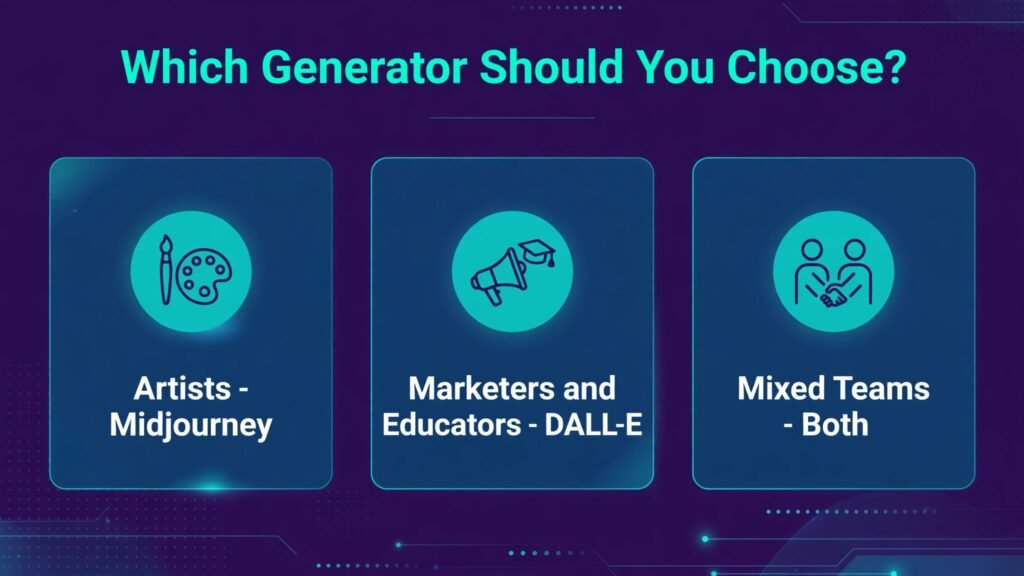
Artists, illustrators, cover designers and game developers should choose Midjourney first, because visual quality is their product and clients judge it on sight. Bloggers, marketers, educators, small business owners and product teams should choose DALL-E through ChatGPT first, because accuracy, editing and the wider ChatGPT bundle match their daily work. Content teams that need both beauty and accuracy should use Midjourney for hero art and DALL-E for informational graphics, and budget for both if image volume justifies it.
For related reading, midjourney alternatives covers other image generators if you want more options, and best AI tools for graphic designers places both tools in a wider creative workflow. If your images support a visual brand, canva alternatives may help with the design and publishing step after generation.
Two Real Briefs, Two Different Workflows
A comparison becomes useful when you can see a whole job from brief to published image, including the fixes. Take a book cover first. An author needs a cover that sells a mood: a lone figure on a misty road at dawn, with a title that will be added later by a designer. Midjourney is the natural first tool here, because the author can generate twenty variations, pick the one with the right atmosphere, and hand a strong image to a designer who adds typography in a design tool. The author should not ask Midjourney to render the title itself, because that invites spelling errors on the most visible part of the book. Splitting the job, Midjourney for art and a design tool for type, produces a professional cover faster than forcing one tool to do both jobs badly.
Now take a small business flyer. A cafe needs a poster with a new menu item, a price, opening hours and a date for a launch weekend. DALL-E through GPT Image is the natural first tool here, because the owner can write the brief in plain language, check that the price and date are correct, ask for a colour change in the next message, and export a poster that is ready to print. The image does not need to win an art prize. It needs to be correct, clear and on time, and a poster with the wrong price is worse than a plain poster with the right price. That distinction explains why many businesses that try Midjourney first for flyers end up frustrated, even though they admire its art: they bought an art tool for an information job.
A third job shows why teams keep both tools. A marketing team launches a campaign with a hero image, five social graphics, a landing page banner and an email header. The hero image comes from Midjourney, because it must stop a scroll and set a mood. The social graphics with headlines, the banner with a call to action and the email header with a date all come from GPT Image, because they carry words and must match the brief exactly. The team then checks every image at full size, fixes any small text errors, and keeps the Midjourney style reference and the GPT Image style description in a shared campaign document. That document is the real asset, because it lets the next campaign start from a proven look instead of a blank prompt.
Prompt craft also differs in a way that affects hiring and training. Midjourney rewards a team member who enjoys visual language, studies reference images and iterates patiently. That person often produces a distinctive house style over time, which becomes a competitive advantage for a brand. GPT Image rewards a team member who writes clear briefs, checks details and manages revisions in conversation. That person often produces reliable output at volume, which becomes a competitive advantage for a business that publishes daily. Neither skill is better in general. The question for a manager is which skill the team already has, and which skill the next hire should bring.
Finally, think about what happens when a model updates. Both vendors update models regularly, and a prompt that worked last month can produce a slightly different look this month. The safeguard is the same for both tools: save successful prompts, save reference images, save settings, and keep a small library of approved outputs that define the brand look. When an update shifts the style, you can compare new output against that library and adjust the prompt, rather than starting a new style search under deadline. Teams that treat prompts as throwaway text lose their look with every update. Teams that treat prompts as brand assets keep it.
Frequently Asked Questions
Is DALL-E still available in 2026?
The DALL-E brand was retired in late 2025, and image generation now lives inside ChatGPT as GPT Image. If you search for DALL-E, you will in practice be using GPT Image through a ChatGPT plan or the OpenAI API. The strengths people associated with DALL-E, especially text accuracy and prompt following, carry over to GPT Image.
Which is better for beginners?
DALL-E through ChatGPT is better for beginners, because you can write normal instructions, chat about changes, and get usable results without learning parameters. Midjourney is better for beginners who want to learn image craft and are willing to study prompts, references and style settings.
Which produces better art?
Midjourney produces better art in most head to head tests for atmosphere, texture and cinematic quality. DALL-E produces more accurate art for a written brief, but its images can feel cleaner and less dramatic. For gallery work and covers, Midjourney is the stronger pick.
Can I use these images commercially?
Paid plans from both vendors allow commercial use under their terms, but you should read the current terms before client work, especially for sensitive industries, trademarks and recognisable people. Keep records of generation settings for client projects, and check checkout and terms pages for updates.
Which is cheaper?
ChatGPT Plus at about $20 a month is cheaper as a first subscription if you also use ChatGPT for writing and research, because images are included. Midjourney Basic at about $10 a month is cheaper as an image only subscription, but serious volume users usually need Standard at about $30 a month. Check checkout for annual discounts and limits.
Which is better for text on posters and packaging?
DALL-E through GPT Image is clearly better for text. It renders headlines, prices, dates and short paragraphs with far fewer errors, which makes it the safer choice for posters, packaging mockups, flyers and slides that carry information.
Do I need both tools?
You do not need both to start, but many professional creators end up with both, using Midjourney for hero art and DALL-E for accurate, editable business images. Start with the tool that matches your main job, and add the second only when you regularly hit its specific weakness.
Final Pick: Midjourney vs DALL-E
Start with the image you publish most. If that image must be beautiful above all else, buy Midjourney and learn its style controls, because no other mainstream tool matches its atmosphere in 2026. If that image must be correct, editable and ready for business use, buy ChatGPT Plus and use GPT Image, because accuracy and conversational editing will save you more time than a prettier first draft. The split verdict is not fence sitting. It is a recognition that beauty and accuracy are different jobs, and the creator who picks by job, rather than by hype, ends up with a library of images that actually ships.