

Judge.me is the top 10 ecommerce review software pick for most Shopify stores, because the free plan collects unlimited reviews and the paid plan costs a flat $15 a month with no order cap. Loox is the pick for stores that sell on photos, and Yotpo is the pick for brands that want reviews plus loyalty from one vendor. The ten tools below compare price, photo reviews and Google Shopping syndication, so a store can pick the review app its customers will actually use.
A review app earns its keep in three places. It asks for the review at the right moment, it shows the review where a shopper decides, and it sends the review to Google Shopping so the stars appear in search. A store that buys an app for the first job and finds it weak on the second is paying for a collector when it needed a display tool. A store that buys for the third job and finds the price meters by order will watch the bill rise with every sale.
The buying problem is the meter. Most review apps charge by monthly orders, so the price at 50 orders and the price at 1,000 orders are different products in practice. A store should price every tool at its real order volume, not at the entry tier, because the entry tier is the price for a store that barely sells. The comparison below prices each tool at 500 orders a month wherever the vendor publishes that figure.
The 10 Tools at a Glance
This table lines up the top 10 ecommerce review software on the four numbers that decide a purchase, so the price at 500 orders and the fit are visible before the detail sections begin.
| Tool | Main job | Best for | Starting price |
|---|---|---|---|
| Judge.me | Flat-price reviews | Shopify stores on a budget | Free, Awesome $15 per month |
| Yotpo | Reviews plus loyalty | Brands wanting one retention suite | Free, Starter from $15 per month |
| Loox | Photo and video reviews | Visual products | Free, Convert $49.99 per month |
| Stamped | Reviews, loyalty and lifecycle | Stores wanting Google and Klaviyo | Reviews from $23 per month |
| Okendo | Reviews with customer profiles | Brands building community | Free, paid from $19 per month |
| Trustpilot | Independent review platform | Brands wanting off-site trust | Free, paid from $259 per month |
| Reviews.io | Review invites and widgets | Stores wanting simple invites | From $99 per month |
| Feefo | Verified reviews only | Brands fighting fake reviews | Quote-based |
| Bazaarvoice | Enterprise ratings and syndication | Large brands and retailers | Quote-based |
| Junip | Flat-price reviews and loyalty | Stores wanting a flat bill | Free, Growth $79 per month |
Best Pick by Job
| Job type | First pick | Second tool | Why this pair works |
|---|---|---|---|
| Shopify store on a budget | Judge.me | Junip | Judge.me is flat $15, Junip is flat with loyalty |
| Store selling on photos | Loox | Okendo | Loox leads on photo reviews, Okendo adds profiles |
| Brand wanting reviews plus loyalty | Yotpo | Stamped | Yotpo leads on the suite, Stamped is cheaper to start |
| Brand wanting independent trust | Trustpilot | Feefo | Trustpilot is the known name, Feefo verifies every review |
| Large brand needing syndication | Bazaarvoice | Yotpo | Bazaarvoice leads on network reach, Yotpo covers the suite |
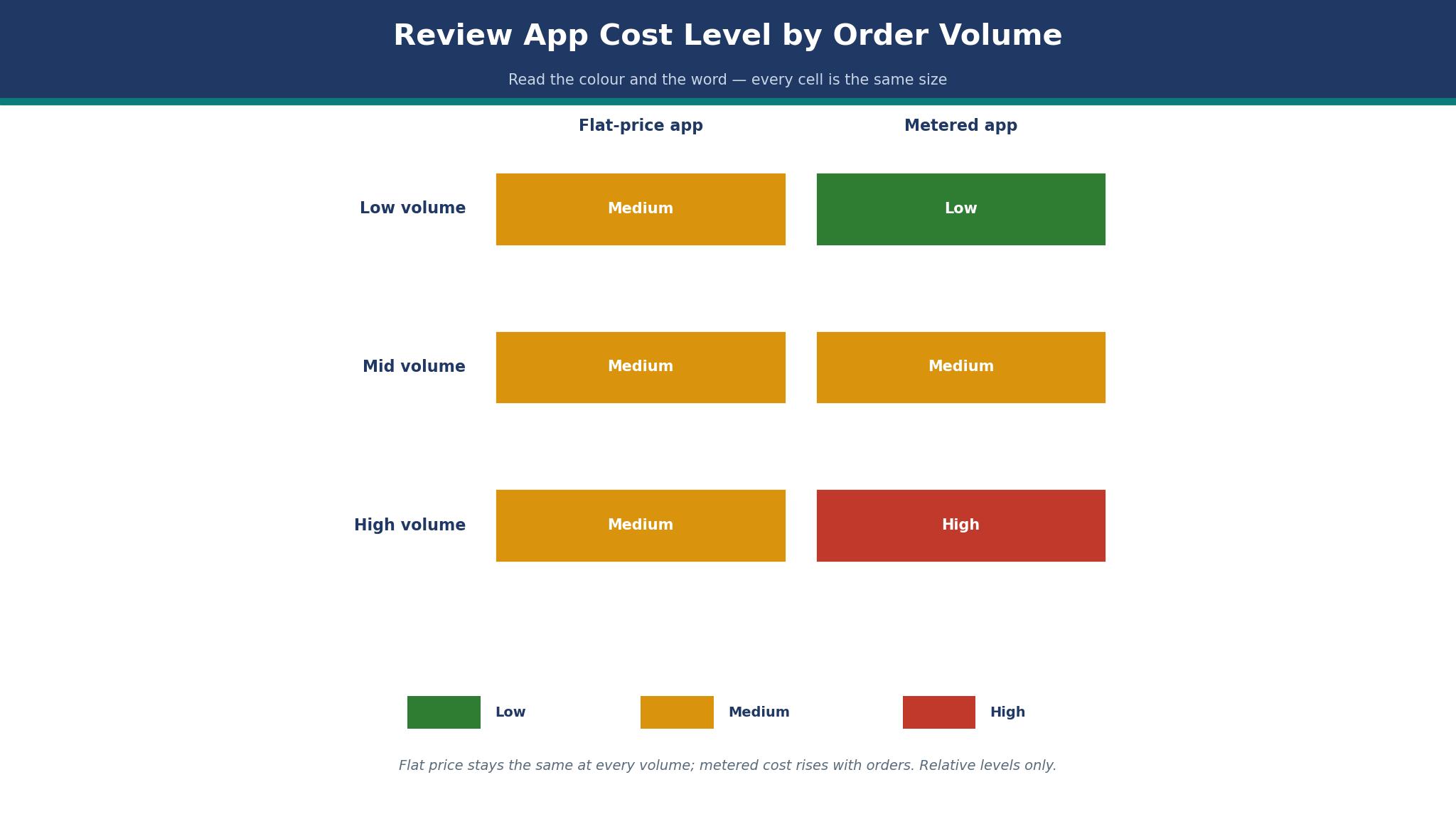
The pattern across this list is that the top 10 ecommerce review software splits by billing model as much as by feature. Judge.me and Junip charge flat, so the bill never rises with sales. Yotpo, Loox and Stamped meter by orders, so the bill rises with every sale. Trustpilot and Bazaarvoice sell trust and reach at enterprise prices. A store that knows its order volume will pick faster than one that compares feature lists.
Which Review App Is Best for a Small Shopify Store?
Judge.me is the best pick for a small Shopify store, because the free plan collects unlimited reviews with no order cap, and the Awesome plan costs a flat $15 a month for Klaviyo, Google Shopping and automatic reminders. A store pays the same $15 at 50 orders and at 5,000 orders, which is the only flat bill in the metered half of this guide. The photo and video reviews work on the free plan, and the AI summaries and translations arrive on Awesome.
The limit is the design polish. Judge.me widgets are functional rather than beautiful, and a brand that wants a highly designed review display will find Loox or Okendo prettier. The loyalty features are also thinner than Yotpo or Stamped, since Judge.me is a review app first and a retention suite second. A store that wants reviews plus loyalty from one vendor should compare the suite tools before deciding.
Loox is the better pick when the product sells on photos. The free Beginner plan covers up to 500 orders with photo reviews and rich snippets included, and the Convert plan at $49.99 a month for 300 orders adds Shopping syndication. The photo-first display lifts conversion on visual products, and the cost stays free until the store passes 500 orders.
How to Choose the Top 10 Ecommerce Review Software
Start with the order volume, because it sets the bill. A store at 100 orders a month pays $15 on Judge.me, $23 on Stamped and nothing on Loox, while a store at 1,000 orders pays $15 on Judge.me, $99 on Stamped and about $199.99 on Loox. Price every tool at the volume expected in six months, not today, because the metered tools punish growth and the flat tools do not.
Next, test the review request flow the way a customer sees it. Buy a product from the store, wait for the request email, and leave a review on a phone. The request should arrive after delivery, the form should take under a minute, and the photo upload should work without an app install. Then check the display on a product page, because a review widget that loads slowly or looks broken on mobile costs more sales than the app saves.
Then confirm the Google Shopping syndication, since stars in search are the main reason many stores pay for a review app. Ask which plan includes the syndication and whether it needs a separate setup, because some tools put it on the paid tier only. Finally, check the export, since a store that cannot take its reviews with it is locked into the vendor forever.
The 10 Tools in Detail
The ten tools below cover flat-price apps, metered apps and enterprise platforms. Each one is judged on collection, display, syndication and price, so this roundup of the top 10 ecommerce review software stays honest about what a store actually pays at real volume.
1. Judge.me
Judge.me is the value pick for Shopify stores, and it earns that place with the simplest pricing in this guide. The free plan collects unlimited reviews with no order cap, including photo and video reviews, and the Awesome plan costs a flat $15 a month for Klaviyo, Google Shopping, automatic reminders, AI summaries and translations. A store pays $15 at any volume, which no metered tool here can match.
The review request flow is strong, with unlimited requests on the free plan and a 15-day trial of Awesome. The widgets are functional rather than beautiful, and the loyalty features are thinner than Yotpo or Stamped, since Judge.me is a review app first. A brand that wants a highly designed display or a full retention suite should compare Loox or Yotpo before deciding.
It suits a Shopify store that wants the cheapest real review app without a volume meter. The flat $15 bill and the unlimited free plan are the reason to pick it, and the Google Shopping syndication on Awesome covers the search stars.
Install the free plan, collect fifty reviews, and upgrade to Awesome only when Klaviyo or Google Shopping becomes a daily need.
2. Yotpo
Yotpo is the retention suite built around reviews, covering reviews, loyalty, referrals and subscriptions in one vendor. The reviews product collects and displays star ratings, photos and videos, while the loyalty product turns reviewers into repeat buyers with points and rewards. The platform suits a brand that wants one vendor for the whole retention job rather than three separate apps.
The pricing is metered by monthly orders. The free plan covers up to 50 orders a month, and the Starter plan starts from $15 a month on the Shopify listing, with the pricing page showing $89 a month at up to 500 orders and Pro at $119 to $169 a month. The two sources show different figures, so a store should price Yotpo at its own volume on the pricing page before deciding. Loyalty is priced separately, from about $199 a month.
It suits a brand that wants reviews and loyalty from one vendor and will pay for the suite. The retention depth is the strongest here, and the metered bill is the price of that depth.
Price it at the real order volume on the vendor pricing page, test the loyalty flow on real customers, and compare the total against Judge.me plus a separate loyalty app.
3. Loox
Loox is the photo and video review app, built for stores whose products sell on how they look. The widgets show customer photos first, the rich snippets carry the stars into search, and the referral tools turn a happy customer into a new one. The free Beginner plan covers up to 500 orders with photo reviews included, which is the most generous free visual plan here.
The Convert plan costs $49.99 a month for 300 orders, plus $50 for each additional 300, and Unlimited costs $299.99 a month. At 1,000 orders a month the Convert bill reaches about $199.99, so a growing visual store should price the overage before committing. The video reviews sit on the higher plans, and the loyalty features are thinner than Yotpo or Stamped.
It suits a store selling fashion, beauty, home goods or any visual product. The photo-first display lifts conversion where the product look decides the sale, and the free plan covers the first 500 orders.
Install the free plan, collect photo reviews on the best sellers, and upgrade to Convert only when Shopping syndication becomes a daily need.
4. Stamped
Stamped covers reviews, loyalty and lifecycle marketing in one platform, with Google and Klaviyo on every paid reviews tier. The reviews product collects star ratings, photos and videos, the loyalty product runs points and referrals, and the lifecycle tools send the right message after each purchase. The platform suits a store that wants the suite without the Yotpo price.
The reviews plans start at $23 a month for up to 200 orders, $99 a month up to 1,000 orders, and $199 a month up to 5,000 orders, with loyalty priced as a separate plan. There is no free plan listed, so a store pays from the first review. The metered pricing means the bill rises with sales, but the starting figure undercuts Yotpo at the same volume.
It suits a store that wants reviews plus loyalty with Google and Klaviyo on every tier. The suite depth at a lower entry price is the reason to pick it over Yotpo, and the metered bill is the trade.
Price it at the real order volume, test the Klaviyo flow on real customers, and compare the total against Judge.me plus a separate loyalty app before deciding.
5. Okendo
Okendo builds reviews around customer profiles, turning each reviewer into a known customer with preferences, purchase history and community activity. The widgets show reviews with the reviewer profile attached, the surveys collect zero-party data, and the community features let customers follow and interact. The platform suits a brand building a community rather than just collecting stars.
The free plan covers the basic review collection, and paid plans start from $19 a month, with Growth tiers above it for surveys and community features. The price sits below Yotpo and Stamped at the entry, and the profile depth is the reason to pick it. The Google Shopping syndication and the Klaviyo integration sit on the paid tiers, so a store should confirm which plan carries them.
It suits a brand that wants reviews with customer profiles and community. The profile depth helps a brand learn who its best customers are, and the survey tools collect data a plain review app cannot.
Install the free plan, collect reviews on the best sellers, and upgrade only when the surveys or the community features become a daily need.
6. Trustpilot
Trustpilot is the independent review platform whose name shoppers already trust, and it is the pick for a brand that wants reviews off its own site. The platform collects reviews on an independent domain, displays the TrustScore, and shows the stars in search results, which carries weight a store-hosted review cannot match. The transparency is the product, since a brand cannot hide bad reviews on Trustpilot.
The free plan covers basic collection and display, and paid plans start from about $259 a month according to third-party reports, so a store should treat that figure as reported and ask for a written quote. The price is the highest here for a small store, and the platform suits a brand with the volume to justify it. The review invitation tools and the analytics sit on the paid tiers.
It suits a brand that wants independent trust and search visibility. The TrustScore and the independent domain are the reason to pay the premium, and a small store should test Judge.me first.
Ask for a written quote, check the TrustScore of three competitors, and compare the cost against the conversion lift before signing.
7. Reviews.io
Reviews.io is the simple review platform built around invites and widgets, with a clean interface and a fast setup. The platform sends review invitations by email and SMS, collects star ratings and photos, and displays the reviews in widgets that load quickly. The Company Reviews product covers the brand page, and the Product Reviews product covers the store catalogue.
The pricing starts from $99 a month, metered by review invites rather than orders. The invite model suits a store that sends many invitations, since the cost follows the ask rather than the sale. The feature set is thinner than Yotpo or Stamped, with no loyalty product, so a store that wants the suite should look elsewhere.
It suits a store that wants simple invites and fast widgets without a suite. The clean setup and the invite-based pricing are the reason to pick it, and the $99 entry sits above Judge.me for the same job.
Trial it on one product line, test the invite flow on real customers, and compare the invite cost against the order-based meter before paying.
8. Feefo
Feefo collects verified reviews only, which makes it the pick for a brand fighting fake reviews. Every review comes from a confirmed purchase, and the platform verifies the buyer before the review goes live. The moderation is strict, the display carries the verified badge, and the platform suits regulated or high-trust categories where a fake review is a real risk.
The pricing is quote based, so a store must ask for a written quote before comparing costs. The verified-only model is the strength and the limit, since a store that wants volume will collect fewer reviews than on Judge.me or Loox. The syndication and the analytics sit behind the sales process, so a store should ask which plan carries them.
It suits a brand in a high-trust category that needs every review verified. The verified badge is the reason to pay for a sales process, and a store that wants volume should take a different tool.
Ask for a written quote, test the verification flow on a real purchase, and compare the review volume against Judge.me before signing.
9. Bazaarvoice
Bazaarvoice is the enterprise ratings platform for large brands and retailers, with syndication across a network of retailers that no small tool can match. A review collected on the brand site can appear on a retailer site, and a review collected on a retailer site can appear on the brand site, which multiplies the reach of every review. The platform also covers sampling, social commerce and analytics at enterprise scale.
The pricing is quote based, with enterprise contracts that run far above the tools in this guide. The platform suits a large brand with retailer distribution, and a small store should not consider it. The implementation needs a project team, and the contract length runs in years rather than months.
It suits a large brand that sells through retailers and needs network syndication. The reach is the reason to pay the enterprise price, and a store without retailer distribution should take a Shopify app instead.
Ask for a written quote only when the retailer network matters, and confirm the syndication partners that carry the brand before signing.
10. Junip
Junip is the flat-price review and loyalty app for stores that want a flat bill with the suite included. The free plan collects reviews with no order cap, and the Growth plan at $79 a month adds Klaviyo and Google Shopping. The loyalty features sit in the same flat bill, which undercuts the metered suite tools at real volume.
The platform is younger than Judge.me, so the template library and the integration list are smaller. The flat pricing is the reason to pick it, and a store that grows past 1,000 orders a month will save against Stamped and Loox. The review display is clean, and the setup takes an afternoon.
It suits a store that wants flat pricing with loyalty included. The $79 Growth plan covers the suite without a meter, and the free plan covers the start without a bill.
Install the free plan, collect reviews on the best sellers, and upgrade to Growth only when Klaviyo or Google Shopping becomes a daily need.
Judge.me vs Yotpo: Flat Price Against the Retention Suite
The price is the first difference. Judge.me Awesome costs a flat $15 a month at any volume, while Yotpo Starter starts from $15 a month on the Shopify listing but shows $89 a month at up to 500 orders on the pricing page, with Pro at $119 to $169. A store at 500 orders pays $15 on Judge.me and $89 on Yotpo for reviews alone, before loyalty. The gap widens as the store grows, since the flat bill never moves.
The suite is the second difference. Yotpo covers reviews, loyalty, referrals and subscriptions in one vendor, with a depth Judge.me cannot match. A brand that wants one retention system will find Yotpo covers more of the week, while a store that only needs reviews will find Judge.me covers the job for a tenth of the price. The design is the third difference, since Yotpo widgets are more polished than Judge.me.
The deciding factor is whether the store needs the suite. A store that only needs reviews should take Judge.me, because the flat $15 bill and the unlimited free plan cover the job completely. A brand that wants reviews plus loyalty from one vendor should take Yotpo, because the suite depth repays the metered bill. That split is the cleanest way to read the top 10 ecommerce review software when the choice narrows to two.
What Does Review Software Cost at 500 Orders a Month?
The honest range at 500 orders a month for the top 10 ecommerce review software runs from $15 to about $259, and the flat tools win the comparison. Judge.me Awesome costs $15, Stamped costs $99, Loox Convert costs about $99.99 with the overage, and Yotpo shows $89 on its pricing page. Junip Growth costs $79, Okendo starts from $19, and Trustpilot is reported from about $259 a month. Feefo and Bazaarvoice sell by quote, so a store must ask for a number.
The meter is the cost trap to watch. A store that doubles from 500 to 1,000 orders pays the same $15 on Judge.me and $79 on Junip, but about $199 on Stamped and about $199.99 on Loox. The flat tools reward growth, while the metered tools tax it. A store should price every tool at three times the current volume, because the plan that fits today may be the expensive plan in a year.
The honest way to budget is to price the plan at the volume expected in a year, then add the loyalty cost if the store wants the suite. A store that only needs reviews should take the flat $15 Judge.me plan. A store that wants the suite should compare the Yotpo total against Judge.me plus a separate loyalty app, since the separate stack is often cheaper.
How Do You Get Customers to Leave Reviews?
Start with the timing, because it decides the response rate. Send the request after delivery, not after purchase, and send it when the customer has had a day to use the product. A request that arrives before the box does gets ignored, and a request that arrives a week later gets forgotten. The best time is the day after delivery, in the morning, when the inbox is fresh.
Next, make the form take under a minute. Ask for a star rating first, then one sentence, then a photo if the customer wants to add one. A form that asks for a title, a nickname, a location and a paragraph will lose most customers at the second field. Offer a small incentive for a photo review, since photo reviews convert better and the incentive costs less than a discount code.
Then answer every review, including the bad ones, within a day. A store that answers publicly shows future shoppers that it listens, and a bad review with a good answer sells more than a good review with no answer. Finally, show the reviews where shoppers decide, on the product page above the fold and in the search results through Google Shopping, because a review nobody sees earns nothing.

Frequently Asked Questions
Is Judge.me really free?
Yes, for the core review collection. Judge.me offers a free plan with unlimited review requests and no order cap, including photo and video reviews, which is why it leads the top 10 ecommerce review software for budget stores. The Awesome plan costs a flat $15 a month for Klaviyo, Google Shopping, automatic reminders, AI summaries and translations, and the price never rises with volume.
How much does Yotpo cost at 500 orders?
Yotpo shows $89 a month at up to 500 orders on its pricing page, with Pro at $119 to $169 a month, while the Shopify listing shows Starter from $15 a month. The two sources differ, so a store should price Yotpo at its own volume on the pricing page. Loyalty is priced separately, from about $199 a month.
Does Loox work for non-visual products?
It works, but the value is lower. Loox leads on photo and video reviews, so a store selling fashion, beauty or home goods gains the most. A store selling parts or supplies should take Judge.me, because the flat $15 bill covers the job and the photo display adds little.
Can I move my reviews to another app?
It depends on the export. Judge.me, Loox and Stamped all offer exports, but the format and the photo handling differ, so a store should test the export before committing. A store that cannot take its reviews with it is locked into the vendor, and the export test takes an afternoon.
Do review stars appear in Google search?
Yes, when the app syndicates to Google Shopping. Judge.me Awesome, Stamped paid plans and Loox Convert all include the syndication, while the free plans usually do not. A store should confirm which plan carries the syndication before buying, since stars in search are the main reason many stores pay.
Is Trustpilot worth the price?
It depends on the brand. Trustpilot is reported from about $259 a month, and it buys independent trust and a known TrustScore that shoppers recognise. A small store should take Judge.me first, while a brand with the volume and the reputation risk should test Trustpilot against the conversion lift.
The Review Stack That Pays for Itself
A Shopify store should start with Judge.me free, because unlimited reviews with no order cap cost nothing and Awesome is a flat $15 a month when Klaviyo or Google Shopping becomes a daily need. A visual store should start with Loox free, because the photo reviews cover the first 500 orders without a bill. A brand that wants the suite should compare the Yotpo total against Judge.me plus a separate loyalty app, since the separate stack is often cheaper, and that comparison is the core test for the top 10 ecommerce review software.