
A youth sports team that cannot pay for uniforms, travel, and tournament fees stops playing, and the gap usually falls on the coach. Snap! Raise alone reports more than 1 billion dollars raised across 150,000 groups, which shows how much money teams now move through fundraising platforms instead of car washes and bake sales. The top 10 fundraising software for sports teams exist because the old methods take too much volunteer time for too little return.
The difference between the tools is not the logo on the page. It is the share of each dollar the team keeps, the hours the coach spends running the campaign, and whether the families feel pressured or proud to take part. A platform that keeps 80 percent of a 5,000 dollar campaign costs the team 1,000 dollars, while a free platform keeps the full amount minus card fees.
This guide compares ten fundraising platforms for sports teams, from rep-led donation campaigns to free tip-supported tools and product sales. You will see the fees, the strengths, the honest limits, and the kind of team each one suits, so the choice comes down to how much work the coach wants to do and how much of the money the team wants to keep.
Why Team Fundraising Is Not Like Charity Fundraising
A charity raises money from strangers who care about a cause. A sports team raises money from its own families, and that changes everything, because the donors are the parents of the players. A campaign that leans too hard on the families will raise money once and lose goodwill for a season, while a campaign that respects them will run year after year.
The players are part of the campaign too. In a donation drive, the players send the links, track the pledges, and watch the total climb, which teaches them something about effort and results. A platform that makes the players feel like salespeople will sour the experience, while one that makes it feel like a team effort will keep the kids engaged.
The timing of the campaign matters as much as the platform. A fundraiser launched at the start of the season, when enthusiasm is high and the uniforms are new, will raise more than the same campaign launched in the middle of a losing streak. A team that plans the campaign around the calendar, rather than around a sudden bill, gives the families time to prepare and the players time to share the link. The best campaigns feel like part of the season, not like an emergency, and the platform choice should support that feeling rather than fight it.
The 10 Tools at a Glance
Ten tools, four models. Some run rep-led donation campaigns, some offer free a-thon platforms, some sell products, and some cover events and ticketing too. The top 10 fundraising software for sports teams in the table below shows the main job and the cost model of each one.
| Tool | Main job | Best for | Starting price |
|---|---|---|---|
| Snap! Raise | Rep-led donation campaign | Coaches wanting hands-off help | 20 percent of funds raised |
| 99Pledges | Free a-thon platform | Teams wanting to keep the most | No platform fee |
| Givebutter | All-in-one fundraising | Teams wanting events and donors | Free with donor tips |
| RallyUp | Multi-format fundraising | Teams running several formats | Free plan available |
| Zeffy | Free nonprofit fundraising | Booster clubs with 501(c)(3) status | No platform fee |
| FlipGive | Shopping cashback | Families wanting passive income | Free to join |
| Double Good | Popcorn product sales | Teams wanting a fun product | Team keeps 50 percent |
| Vertical Raise | Rep-led donation campaign | Teams wanting a dedicated rep | About 20 percent of funds raised |
| TeamSnap | Team management plus fundraising | Teams already using TeamSnap | 11 dollars a month |
| FanAngel | Donation campaign platform | Teams wanting a low fee | 7 percent of donations |
Best Pick by Job
| Job type | First pick | Second tool | Why this pair works |
|---|---|---|---|
| Keep the most money | 99Pledges | Zeffy | 99Pledges charges no platform fee and Zeffy covers processing too for nonprofits |
| Coach wants no work | Snap! Raise | Vertical Raise | Snap! Raise sends a rep to run it and Vertical Raise offers the same model |
| Fundraising plus events | Givebutter | RallyUp | Givebutter covers events and donors and RallyUp adds raffles and auctions |
| Passive income all season | FlipGive | Double Good | FlipGive earns cashback on family shopping and Double Good adds a product sale |
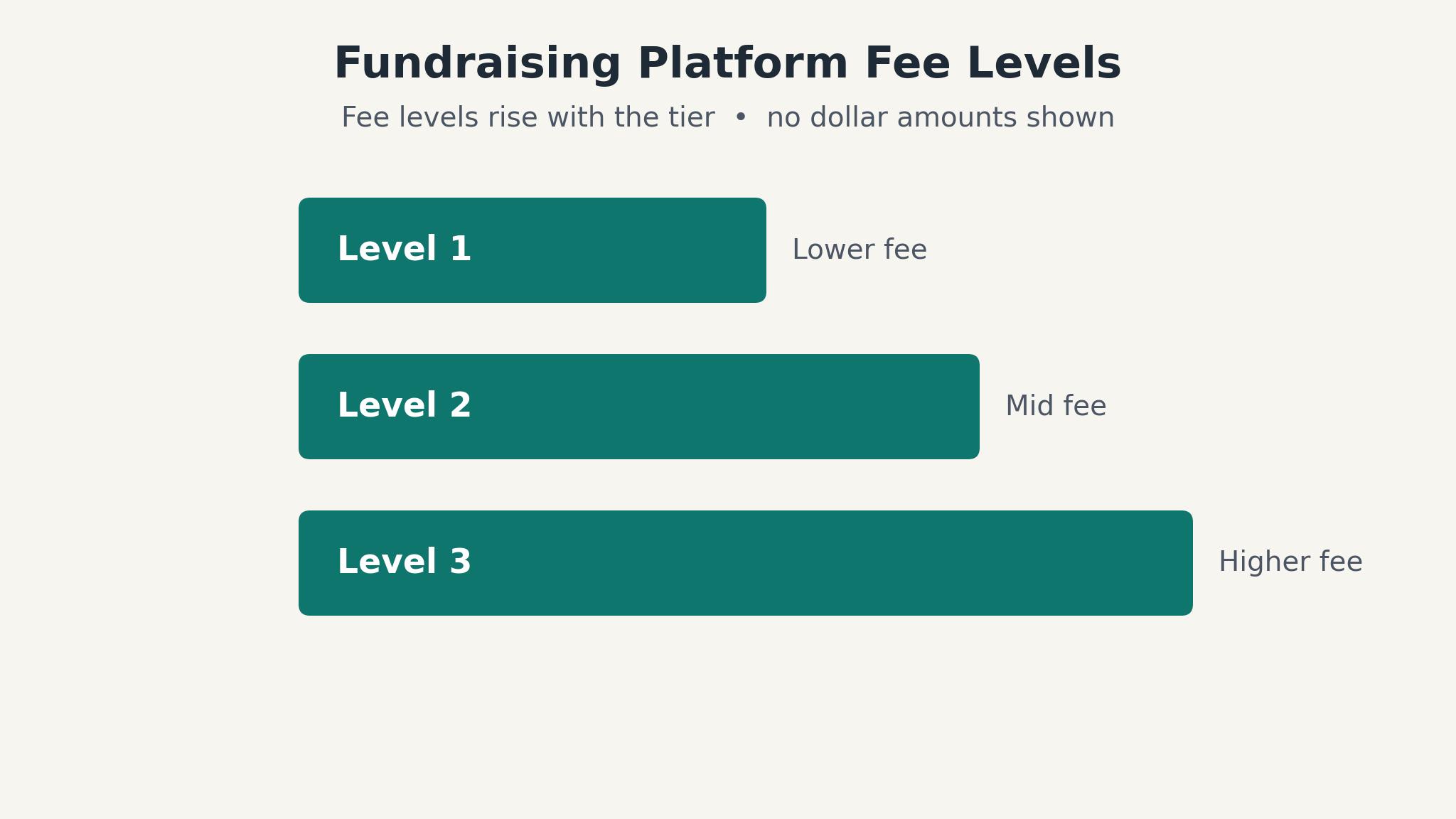
The top 10 fundraising software for sports teams split cleanly by effort and by fee. A team that wants the most money back should pick a free platform and do the work itself, while a team that wants the coach to do nothing should pay the rep-led fee. Match the choice to the volunteers you actually have.
How to Judge the top 10 fundraising software for sports teams
Start with the all-in cost per 5,000 dollars raised, because the headline fee hides the real number. A platform that charges 20 percent keeps 1,000 dollars, a platform that charges card processing of 3.49 percent plus 49 cents per transaction keeps about 235 dollars, and a free platform with donor tips keeps almost nothing. Work out the keep for your own target before you compare anything else.
Next, count the coach hours. A rep-led campaign asks the coach for a few hours and a list of contacts, while a do-it-yourself platform asks the coach to build the page, write the messages, and chase the families. The top 10 fundraising software for sports teams differ by ten or more coach hours per campaign, and a volunteer coach with a full-time job will feel that gap.
Finally, read the donor experience. Open the donation page on a phone, try to give 25 dollars, and see how many screens it takes. A page that asks for a tip, a fee, and a newsletter signup before the gift lands will lose donors, while a clean page with one button will convert. Test it yourself before you ask the families to use it.
The 10 Tools in Detail
The ten tools below range from a free a-thon platform to a rep-led campaign that takes a fifth of the money. The top 10 fundraising software for sports teams among them differ most in fee, effort, and the way the campaign feels to families.
1. Snap! Raise
Snap! Raise is the biggest name in team fundraising, with more than 1 billion dollars raised across 150,000 groups, and the model is simple. A campaign director runs the fundraiser for the team, the players share their pages, and the donors give online. The platform charges 20 percent of the funds raised when the team meets its participation goal, with a higher unpublished rate if the goal is missed.
The hands-off service is the strength. The coach hands over the roster, the rep builds the campaign, and the players share links that track their own progress. The platform handles the outreach, the reminders, and the reporting, so a busy coach can run a fundraiser without adding ten hours to the week.
The fee is the drawback. A team that raises 5,000 dollars keeps about 4,000 dollars, which is 1,000 dollars less than a free platform would keep. The campaign also asks the players to share their contact lists, which some families dislike, and the higher rate for a missed goal is not published.
Snap! Raise fits a coach who wants the least work and can pay for it. A school team with a large roster and a short fundraising window will get the most from the rep-led model, while a small team that wants to keep every dollar should use a free platform.
2. 99Pledges
99Pledges is a free a-thon platform that charges no platform fee at all, and the team pays only the card processing of 3.49 percent plus 49 cents per transaction. A team that raises 5,000 dollars keeps about 4,765 dollars, which is the best keep in this group outside a nonprofit-only tool. The platform is built for fun runs, read-a-thons, and pledge drives where each player collects pledges.
The keep is the selling point. A team that runs the campaign itself keeps almost everything, and the platform supports the effort with donor tips rather than a cut. The setup is fast, the pages are simple, and the reporting shows which players have collected the most pledges.
The trade is the work. 99Pledges does not send a rep, so the coach builds the campaign, writes the messages, and chases the families. The platform is also narrow, built for a-thons rather than raffles, auctions, or product sales, so a team that wants several formats needs a second tool.
99Pledges fits a team that wants to keep the most money and has a coach willing to run the campaign. A small team with an organized parent group will do well here, while a coach with no spare hours should pay for a rep-led service.
3. Givebutter
Givebutter is an all-in-one fundraising platform that covers donation pages, events, ticketing, auctions, and donor management in one system. The platform is free to use, with optional donor tips covering the cost, and the standard processing runs at 2.9 percent plus 30 cents per transaction. A team can run a donation drive, sell event tickets, and manage donors without a second tool.
The breadth is the strength. A team that runs a gala, a raffle, and a donation drive in one season can do all three in Givebutter, and the donor records carry over from one campaign to the next. The pages look modern, the checkout is short, and the reporting shows the team exactly where the money came from.
The weakness is the learning curve. An all-in-one platform has more settings than a single-purpose a-thon tool, and a coach who only wants a simple pledge drive may find the options distracting. The tip model also means the donor sees a request to cover the fees, which some teams prefer to avoid.
Givebutter fits a team that fundraises all year in several formats. A booster club with events, auctions, and donations will use the breadth, while a team that runs one a-thon a year can stay with a simpler tool.
4. RallyUp
RallyUp is a multi-format fundraising platform that lets a team run raffles, auctions, a-thons, and donation drives from one campaign. The free plan charges no platform fee, with optional donor tips, while the Flex plan charges 2.9 to 6.9 percent depending on the fundraising component, plus processing. The platform suits a team that wants variety without several tools.
The variety is the draw. A team can run a raffle in the fall, an auction in the winter, and a donation drive in the spring, all inside one account, and the donors see a consistent page. The campaign builder is straightforward, and the reporting covers each format separately.
The drawback is the fee structure. The Flex charges vary by component, which makes the true cost harder to predict than a flat platform fee, and the free plan is thinner than the paid one. A team that runs one simple campaign may pay for formats it never uses.
RallyUp fits a team that likes variety and runs several fundraisers a year. A club with a creative fundraising committee will enjoy the formats, while a team that wants one simple drive should pick a single-purpose tool.
5. Zeffy
Zeffy is a free fundraising platform for nonprofits that charges no platform fee and no processing fee, sustained by optional donor tips. A team that raises 5,000 dollars keeps the full 5,000 dollars, which is the best keep in this group. The catch is that the booster club needs its own 501(c)(3) status to use it, because Zeffy is nonprofit software.
The zero cost is the headline. A booster club with tax-exempt status gets donation pages, event ticketing, raffles, and memberships without paying a cent in fees, and the donors can tip the platform if they choose. The pages are clean, the checkout is short, and the reporting covers the whole year.
The limit is the eligibility. A team without a 501(c)(3) booster club cannot use Zeffy, and setting up a nonprofit takes time, paperwork, and a board. The platform also offers less hand-holding than a rep-led service, so the coach still runs the campaign.
Zeffy fits a booster club that already holds 501(c)(3) status. A school team with an established booster organization will save the most here, while a team without nonprofit status should look at 99Pledges or Givebutter.
6. FlipGive
FlipGive turns family shopping into team cashback, which makes it the most passive tool on this list. Families shop through the FlipGive app at stores they already use, and the team earns 2 to 15 percent of the spending back. The platform is free to join, and the money arrives slowly but steadily across the season.
The passivity is the strength. A team earns money without asking the families for a donation, without a campaign deadline, and without a coach running anything. The cashback stacks up over months, and the families keep shopping as normal, which makes the tool easy to sustain all year.
The weakness is the speed. Cashback of a few percent on family spending adds up slowly, and a team that needs 5,000 dollars for a tournament next month will not get there on shopping alone. Recent payout complaints in reviews also deserve a check before the team commits.
FlipGive fits a team that wants a slow, steady income beside its main fundraiser. A club with many families and a long season will see the cashback grow, while a team that needs money fast should run a donation campaign first.
7. Double Good
Double Good sells popcorn, and the team keeps 50 percent of every sale. The product is fun, the kids enjoy selling it, and the campaign runs for a short, focused window, usually a few days. The platform handles the ordering, the payment, and the shipping, so the team does not handle cash or inventory.
The product is the draw. Popcorn is an easy sell, the price point is low, and the families can share a link rather than carrying boxes door to door. The campaign feels like a team event rather than a donation ask, which suits teams that dislike asking for money directly.
The drawback is the keep. A team that sells 5,000 dollars of popcorn keeps 2,500 dollars, which is far less than a donation platform would keep on the same total. The product also only works for a short campaign, and a team that runs it twice in a season will see sales fall.
Double Good fits a team that wants a fun, short product sale and can accept the 50 percent keep. A youth team with enthusiastic players will enjoy the campaign, while a team that needs the most money back should run a donation drive instead.
8. Vertical Raise
Vertical Raise runs rep-led donation campaigns in the same model as Snap! Raise, with a dedicated rep who builds the campaign and guides the team through it. The fee is about 20 percent of the funds raised, commonly reported, though the exact rate is not published. The platform targets school and youth teams that want hands-on help.
The rep is the strength. A team gets a named person who runs the campaign, answers questions, and keeps the players on track, which takes the work off the coach. The reviews praise the reps, and the campaign structure is proven across many schools.
The weakness is the fee and the opacity. A 20 percent cut costs the team 1,000 dollars on a 5,000 dollar campaign, and the unpublished rate makes it hard to compare against Snap! Raise without a sales call. The campaign also relies on the players sharing their contacts, which some families resist.
Vertical Raise fits a team that wants a rep-led campaign and likes the personal service. A school team with a coach who has no spare hours will value the rep, while a team that wants the lowest fee should use a free platform.
9. TeamSnap
TeamSnap is a team management app that most youth teams already use for scheduling, messaging, and availability, and it adds fundraising and payment collection on top. The single-team plans run from free to 25 dollars 99 cents a month, with the Premium plan at about 11 dollars a month when billed annually. The fundraising runs inside the app the families already open every week.
The familiarity is the strength. The families already have TeamSnap on their phones, so the fundraising page reaches them without a new app or a new login. The dues collection, the scheduling, and the fundraising share one roster, which removes the duplicate data entry that wastes a coach’s evening.
The drawback is the depth. TeamSnap is a management app first, and its fundraising tools are thinner than a dedicated platform. The processing fees are unpublished, and the free plan shows ads, which some teams dislike. A team that wants a serious donation campaign will find the tools basic.
TeamSnap fits a team already running on TeamSnap that wants to collect dues and run a small fundraiser in the same app. A recreational team with simple needs will find it enough, while a competitive team raising thousands should use a dedicated platform.
10. FanAngel
FanAngel is a donation campaign platform that charges 7 percent of online donations plus card processing, which sits between the free platforms and the 20 percent rep-led services. The platform gives each team a campaign page, tracks the donors, and sends the money to the team after the campaign closes. The setup is quick, and the pages are built for sports teams.
The fee is the selling point. At 7 percent, a team that raises 5,000 dollars keeps about 4,500 dollars before processing, which beats the rep-led services by a wide margin. The platform also offers a simple campaign structure that a coach can launch without a rep.
The weakness is the smaller footprint. FanAngel is less known than Snap! Raise or Givebutter, with fewer reviews and fewer integrations, so a team has less evidence to judge it by. The platform also offers less hand-holding, so the coach still runs the outreach.
FanAngel fits a team that wants a low fee without doing everything itself. A team that finds the free platforms too much work and the rep-led services too expensive will land in the middle here, while a team that wants a proven brand should pick a bigger name.
What Fundraising Really Costs a Team
The fee is the first number, but it is not the only cost. A campaign also costs coach hours, parent goodwill, and the time the players spend sharing links, and a platform that saves the coach ten hours is worth more than a platform that saves 200 dollars in fees. The top 10 fundraising software for sports teams in this group range from free to a 20 percent cut, so the fee spread is wide enough to change the decision.
Work out the keep first. Take the target amount, apply the platform fee and the card processing, and write down what the team keeps. A 5,000 dollar target keeps about 4,765 dollars on 99Pledges, about 4,500 dollars on FanAngel, about 4,000 dollars on Snap! Raise, and about 2,500 dollars on Double Good. The difference between the best and the worst keep is more than 2,000 dollars on the same campaign.
Then count the hours. A rep-led campaign asks the coach for a few hours, while a do-it-yourself platform asks for ten or more, and a volunteer coach’s time has a value even when nobody pays for it. The top 10 fundraising software for sports teams differ widely in the hours they demand, so a team with a willing parent committee can afford the do-it-yourself platform, while a team with one tired coach should pay the fee and save the hours.

Mistakes That Annoy Families and Shrink the Total
The first mistake is asking the same families too often. A team that runs a donation drive in September, a product sale in October, and an auction in November will hear the same parents say no by the third ask, and the goodwill will not recover for a season. The top 10 fundraising software for sports teams all make it easy to launch a campaign, but the team should still run one big campaign a season and no more.
The second mistake is hiding the fee. A donor who gives 50 dollars and later learns the platform kept 10 dollars feels tricked, even when the team did nothing wrong. Tell the families what the platform charges, show the keep in the campaign page, and let the donors choose a platform that keeps more if the fee bothers them.
The third mistake is forgetting to thank the donors. A team that raises 5,000 dollars and sends no thank-you will struggle to raise the same amount next year, because the donors do not know their money mattered. Send a short note with a photo of the team in the new uniforms, and the donors will give again.
Frequently Asked Questions
How much of the money does the team keep?
The keep depends on the platform. A free platform such as 99Pledges keeps about 95 percent after card processing, a 7 percent platform such as FanAngel keeps about 90 percent, and a rep-led platform such as Snap! Raise keeps about 80 percent. A product sale such as Double Good keeps 50 percent. Work out the keep for your own target before you choose.
Can a team run two fundraisers at once?
A team can, but it should not. Two campaigns at once split the donors, confuse the families, and shrink both totals. Run one campaign at a time, finish it, thank the donors, and wait a few months before the next one. A team that runs one strong campaign a season raises more than a team that runs three weak ones.
Do players have to share their contacts?
Rep-led campaigns ask players to share their contact lists, which is the part families dislike most. A team can run a campaign without sharing contacts by using a free platform and sharing the link on social media instead. Tell the families what the platform asks for before the campaign starts, and let them opt out.
What is the best fundraiser for a small team?
A small team does best on a free platform such as 99Pledges or Givebutter, because the keep is high and the setup is simple. A small roster means fewer donors, so the fee matters more than the rep service. A team with fewer than twenty players should avoid a 20 percent platform unless the coach has no time at all.
How long should a campaign run?
A donation campaign runs best for two to three weeks. Shorter than that, and the families do not have time to give. Longer than that, and the urgency fades, the reminders annoy people, and the total stalls. Set a clear end date, send two reminders, and close the campaign on time, then share the final total with every family the same day.
Can a team use a platform without 501(c)(3) status?
Most platforms in this group work for any team, with or without nonprofit status. Zeffy is the exception, because it only serves organizations with 501(c)(3) status. A team without nonprofit status can use 99Pledges, Givebutter, RallyUp, Snap! Raise, or FanAngel without any tax paperwork.
Your Team’s Fundraising Pick for This Season
Start with 99Pledges if your team wants to keep the most money and has a coach willing to run the campaign, and switch to Snap! Raise when the coach has no hours to spare. A booster club with nonprofit status should test Zeffy first, because keeping the full amount is hard to beat. The top 10 fundraising software for sports teams all raise money, but the right one is the one your families will actually use, so pick the platform that fits your volunteers and launch one campaign this season.