
About 3 percent of every card payment leaves a service business before the owner ever sees it, and on $200,000 of annual card sales that quiet leak reaches $6,000 before any fixed fees are counted. That arithmetic is why the best payment software for service businesses deserves a careful choice, not a default choice based on the first reader a firm ever bought. A processor that fits how you actually get paid, in person, by invoice or by recurring billing, will keep more of that revenue than a processor chosen for its brand name alone.
Payment software is also a cash flow tool, not just a fee schedule. A firm that gets paid on site, with a card reader and an instant receipt, has money in the bank days earlier than a firm that invoices by email and waits for a cheque. A firm that bills recurring clients automatically has predictable monthly cash, while a firm that invoices manually has a monthly chasing task. The payment method shapes the cash rhythm of the whole business, so the choice deserves the same care as pricing the service itself.
The third test is reconciliation, the unglamorous job of matching each payout to the sales behind it. A processor that maps payouts cleanly to invoices, jobs and customers makes month end take minutes. A processor that dumps a lump sum into the bank with a vague reference makes month end take an afternoon of detective work. That hidden time cost matters as much as the published rate, because it repeats every month for as long as you use the tool.
Why the Best Payment Software for Service Businesses Must Fit the Payment Moment
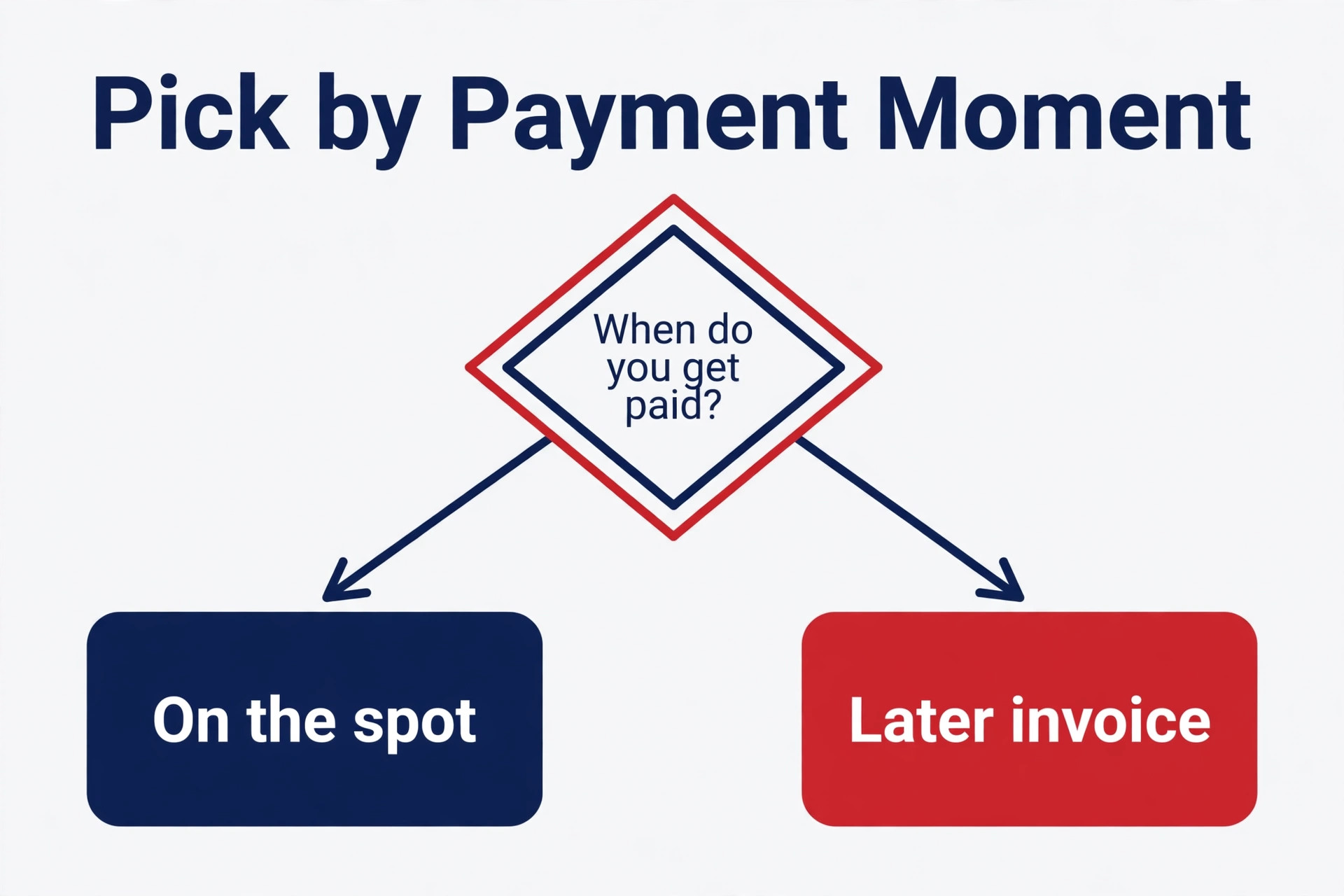
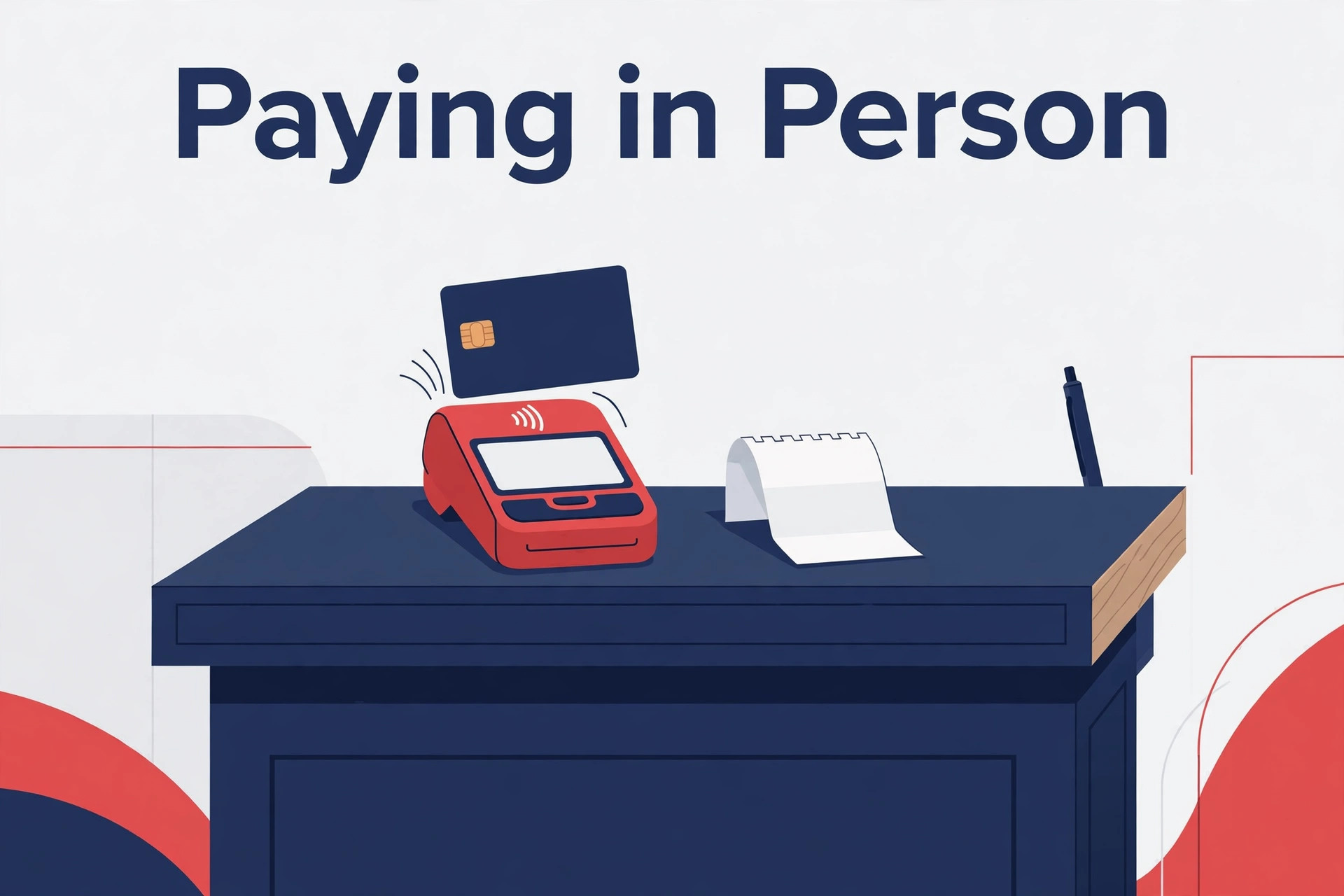
In person payments reward a different tool from online payments. A card present transaction, where the customer taps or inserts a card in front of you, carries a lower rate on most processors, typically around 2.6 percent plus a small fixed fee on Square, because the fraud risk is lower. A card not present transaction, where the card is typed in or billed online, carries a higher rate, typically around 2.9 percent plus 30 cents, because the risk is higher. A service firm that does most work in person should optimise for the card present rate, not for the online rate that headlines most pricing pages.
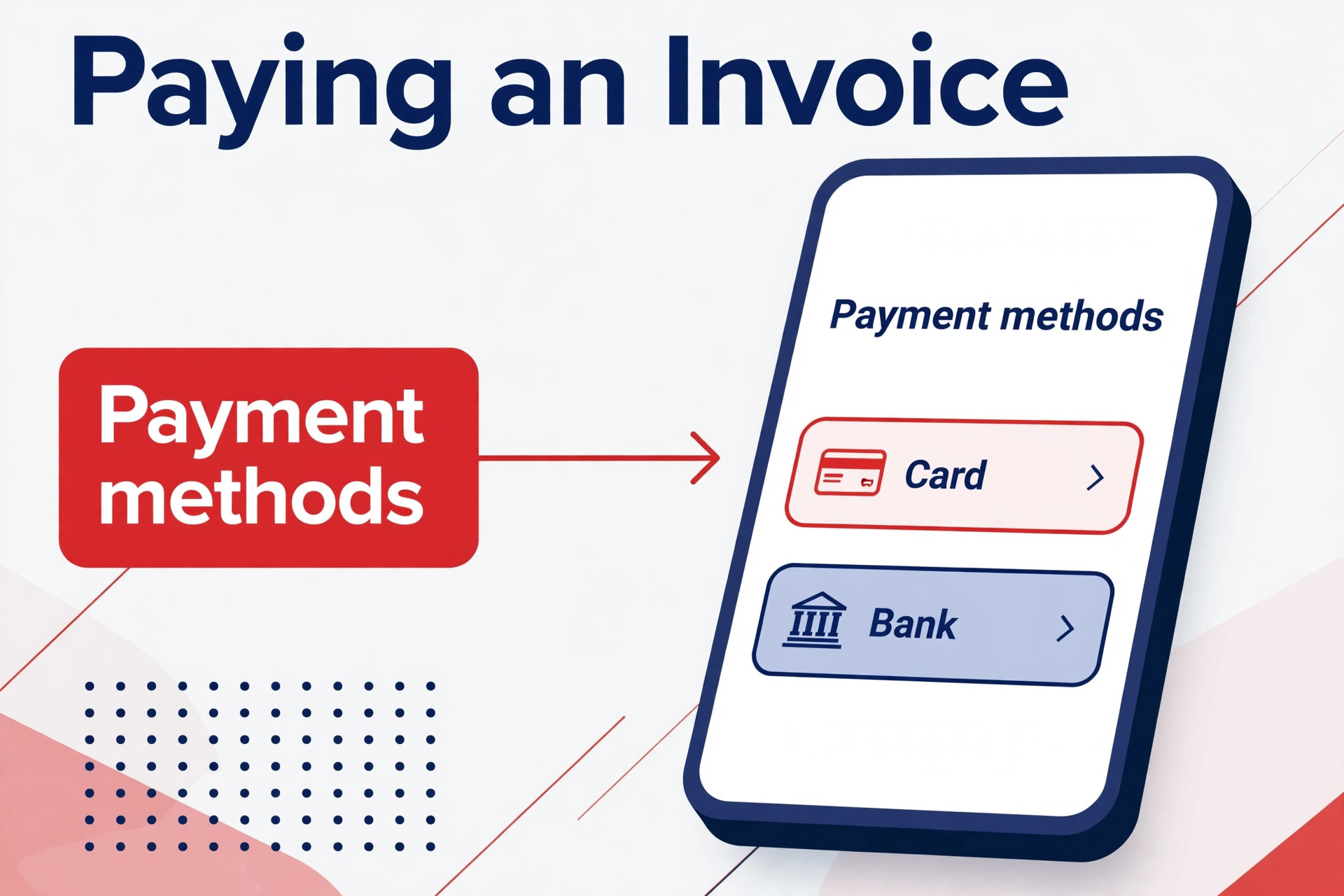
Invoice payments reward a different strength again. An invoice tool that lets a customer pay by card, bank transfer or wallet from the invoice itself, with a clear due date and an automatic reminder, gets paid faster than an invoice that only lists bank details. Bank transfer fees are far lower than card fees, often under 1 percent for ACH transfers, so a firm with large invoices can save hundreds per invoice by offering bank payment alongside card payment. A tool that hides the bank option, or charges extra for it, costs real money on large jobs.
Recurring payments reward automation and failure handling. A subscription or retainer client should be billed automatically, with a clear receipt, a failed payment retry and a simple update link for an expired card. A tool that retries a failed payment intelligently and alerts you only when a retry fails will keep more subscriptions alive than a tool that cancels on the first failure. Churn from failed cards is silent revenue loss, and it is preventable with the right retry and dunning setup.
Payout speed is the fourth factor, because a firm that pays staff and suppliers weekly cannot wait a week for its own money. Most mainstream processors offer next business day payouts for card payments, with instant payout as a paid extra, typically around 1 to 1.75 percent of the payout. A firm with tight cash flow should check the standard payout time, the instant payout cost and the hold policy for new accounts before choosing, because a hold on a large first payout can stall a whole week of spending.

Eight Questions to Ask a Payment Vendor
Run a real transaction through each finalist during the trial, not just a demo payment. Charge a test amount, refund it, and check how the transaction, the fee and the payout appear in your records. A processor that shows fees clearly per transaction will make reconciliation easy for a year. A processor that hides fees in a monthly statement will make every month end a puzzle, and that puzzle repeats twelve times a year.
Test the customer payment experience on a phone, because many service customers pay from an invoice link on their phone. Open the invoice, choose a payment method, and complete the payment as a customer would, noting every confusing step. A payment page that asks for an account, hides the total, or fails on a mobile browser will lose payments that a clean page would have collected. The customer experience at payment time is the last impression your firm makes on that job.
Check the refund and dispute workflow before you need it under pressure. Issue a partial refund, respond to a test dispute if the tool allows it, and see how long each step takes and what evidence the tool gathers automatically. A processor with a $0 dispute fee and automatic evidence collection will cost less in a dispute year than a processor with a $20 chargeback fee and manual evidence gathering. Dispute costs are easy to ignore at signup and painful to discover later.
Check the accounting link with your bookkeeper, not just with your own eyes. Show them a sample payout report, a fee report and an invoice record, and ask whether they can reconcile it in minutes. A tool that syncs cleanly to your accounting software saves hours every month, while a tool that exports only a raw CSV creates a monthly chore. Bookkeeper approval is a better trial signal than a polished sales demo.
Eight Tools Compared on Price and Fit
| Tool | Starting price | Best for |
|---|---|---|
| Square | no monthly fee, 2.6 percent plus 10 cents in person | in person service work, free POS and readers |
| Stripe | no monthly fee, 2.9 percent plus 30 cents online | online invoices, subscriptions and custom billing |
| PayPal | no monthly fee, about 2.99 percent plus 49 cents | customer trust at checkout, wallet payments |
| Helcim | no monthly fee, interchange plus pricing | growing firms that want lower margins at volume |
| Authorize.net | about $25 a month plus transaction fees | established firms that want a classic gateway |
| Braintree | no monthly fee, 2.59 percent plus 49 cents | developers who want PayPal in the checkout mix |
| GoCardless | from about $0 plus per transaction fees | bank debit recurring payments, low cost |
| Melio | free for bank transfer payments | B2B service firms paying and getting paid by bank |
Read the table as a shortlist, not as a ranking, and check the vendor page before buying, because rates and plan terms change often. The cheapest headline rate may apply only to one payment method, while a tool with a higher card rate may offer far cheaper bank transfers that dominate your real mix. Price the plan on your real payment mix, in person versus online versus bank, then compare annual totals. That mix based comparison is how a smart buyer judges the best payment software for service businesses, because a headline rate for one method hides the cost of the methods you actually use.
Eight Payment Tools in Detail
Square
Square is the pick for in person service work, because its free POS software, reader lineup and next business day deposits are built for card present life. It covers in person payments, online payments, invoicing, appointments and a full hardware range, with a $0 dispute fee and a simple setup that gets a firm trading the same day. A salon, a repair firm, a market trader or a home service firm that takes payment on site will use its in person strengths daily.
At no monthly fee on entry plans, with 2.6 percent plus 10 cents for in person card payments and 2.9 percent plus 30 cents online, it is priced for simplicity rather than for the lowest possible rate at volume. The limit is that flat rate pricing becomes expensive compared with interchange plus pricing once volume grows, and manually keyed payments cost more. If in person payment is your main moment, Square is the strongest first trial.
Stripe
Stripe is the pick for online invoices, subscriptions and custom billing, because its API, billing tools and payment link options cover almost any online payment flow. It covers online card payments, invoicing, subscription billing, payment links, ACH bank transfers at about 0.8 percent capped at $5, and a wide range of payment methods. A service firm that bills online, runs retainers or needs custom billing logic will find Stripe the most flexible tool in this guide.
At no monthly fee on entry plans, with 2.9 percent plus 30 cents per successful online card charge and 2.7 percent plus 5 cents for in person payments through its terminal tools, it is priced transparently for online work. The limit is that its in person hardware range is narrower than Square, and its risk holds can surprise new accounts. If online and recurring billing dominate your mix, Stripe is the strongest answer here.
PayPal
PayPal is the pick for customer trust at checkout, because buyers recognise the brand and many already hold a PayPal balance or wallet. It covers online checkout, invoicing, QR code payments, wallet payments and international payments, with a very large buyer base that can lift conversion on an invoice link. A service firm whose customers hesitate to enter card details on an unknown checkout page will benefit from that familiar trust signal.
At no monthly fee on entry plans, with card processing around 2.99 percent plus 49 cents in recent published pricing, and lower rates for QR code payments around 1.9 percent plus 10 cents, it is dearer per card transaction than Stripe or Square. The limit is cost and account stability, because its fees run higher and its holds can be strict. If trust and conversion matter more than the lowest fee, PayPal earns a place as a second payment option rather than a sole processor.
Helcim
Helcim is the pick for growing firms that want interchange plus pricing without negotiating, because its margin shrinks automatically as volume grows. It covers in person payments, online payments, invoicing, recurring billing and a merchant dashboard, with interchange plus pricing that passes the underlying card cost through plus a transparent margin. A firm whose card volume is rising will see its effective rate fall over time without a renegotiation call.
At no monthly fee, with interchange plus pricing rather than a flat rate, its true cost depends on your card mix and volume. The limit is that interchange plus pricing is harder to compare at a glance than a flat rate, because the total varies by card type. If growing volume and transparent pricing matter, Helcim is a credible trial, and you should compare it on a month of your real transactions.
Authorize.net is the pick for established firms that want a classic gateway with a merchant account structure, because it has served online businesses for decades with a stable feature set. It covers a payment gateway, recurring billing, invoicing, fraud tools and customer payment profiles, with an all in one option that bundles gateway and processing. A firm with an existing merchant account, or a firm that wants a traditional gateway setup, will find it familiar and dependable.
At about $25 a month plus 2.9 percent plus 30 cents per transaction on its all in one plan, it looks dearer than a no fee processor until volume crosses roughly $2,500 to $3,000 a month, when its lower per transaction cost can start winning. The limit is the monthly fee at low volume, because a small firm pays $25 before its first transaction. If your volume is established and steady, run the breakeven math before dismissing it.
Braintree
Braintree is the pick for developers who want PayPal in the checkout mix, because it is a PayPal service built for custom checkout and marketplace style flows. It covers card payments, PayPal, Venmo and wallet payments, recurring billing and vault storage for repeat customers, with developer tools that suit a firm building its own booking or billing experience. A service firm with a developer, or a platform that bills on behalf of providers, will value that flexibility.
At no monthly fee on standard plans, with published rates around 2.59 percent plus 49 cents per transaction, it is priced between Stripe and PayPal on card cost. The limit is that it needs developer resource to get the most from it, and a non technical firm will find Square or Stripe easier to run day to day. If a custom checkout with PayPal included is the requirement, Braintree is the focused pick.
GoCardless
GoCardless is the pick for bank debit recurring payments at low cost, because direct debit fees are far lower than card fees for repeat billing. It covers direct debit mandates, recurring billing, one off bank payments, failure handling and integrations with invoicing and accounting tools, with coverage across many countries for firms with international clients. A firm that bills monthly retainers, memberships or service plans by bank debit will save materially versus card billing.
At pricing from a low monthly base on some plans plus per transaction fees that vary by country, typically well under 1 percent plus a small fixed fee for domestic direct debit, it is cheap for recurring work. The limit is that it is not a card processor, so firms that need in person card payments must pair it with Square or Stripe. If recurring bank billing is your main flow, GoCardless is the cheapest credible answer.
Melio
Melio is the pick for B2B service firms that pay and get paid by bank transfer, because it makes bank payments free for the payer on its standard flow and simple for the recipient. It covers bill payment, invoice payment by bank or card, approval workflows and accounting sync, with a focus on business to business payments rather than consumer checkout. A service firm that invoices other businesses, with large invoices where card fees would be painful, will value bank first payment.
At free for bank transfer payments, with card payments charged at a percentage, it is priced to move B2B payments off cards and onto bank rails. The limit is that it is not a consumer card processor, so firms serving consumers directly will still need Square or Stripe for card payments. If B2B bank payment is your main flow, Melio is a smart addition to the payment stack.
Best Pick by Job for Service Firms
| Job shape | Best pick | Why it wins |
|---|---|---|
| In person | Square | lowest card present rate, free POS, fast payouts |
| Invoice | Stripe or PayPal | clean invoice payment, bank option, buyer trust |
| Recurring | Stripe or GoCardless | automatic billing, retry handling, low bank fees |
Use the table to narrow to two finalists, then run a real transaction through each. An in person firm that buys an online first processor will pay the higher online rate on every tap, while a recurring firm that buys an in person first processor will miss the retry and bank debit tools that keep subscriptions alive. Match the best payment software for service businesses to the payment moment that dominates your revenue, not to the processor with the most famous name.
Fee Table by Method
| Payment method | Typical cost | When it wins |
|---|---|---|
| Card in person | about 2.6 percent plus 10 cents | on site work, retail counter, salon chair |
| Card online | about 2.9 percent plus 30 cents | invoice links, online booking, remote payment |
| Card keyed in | about 3.5 percent plus 15 cents | phone orders where the card is not present |
| Bank transfer ACH | about 0.8 percent capped at $5 | large invoices, B2B work, retainers |
| Bank direct debit | under 1 percent plus a small fixed fee | recurring billing, memberships, service plans |
| Wallet payment | similar to card online rates | customers who prefer PayPal or a wallet |
Work through the table with a month of your real transactions, splitting them by method, and calculate the true effective rate for each processor on that mix. A processor that looks expensive on card rates can be cheapest overall when bank transfers dominate your invoices, while a processor that looks cheap online can be dearest when most payments are keyed in by phone. Effective rate on your real mix is the only fee comparison that matters. Use that effective rate when you compare the best payment software for service businesses, and ignore any ranking built on a single headline rate.

Mistakes That Waste Payment Money
The first mistake is paying card fees on large invoices that could have gone by bank transfer. A $5,000 invoice paid by card costs about $145 in card fees, while the same invoice paid by ACH costs about $5 at a capped rate. Offering bank payment on every large invoice, with the card option still available for customers who prefer it, saves more in a year than any processor switch. Make bank payment visible, not hidden in small print. That visibility habit is part of using the best payment software for service businesses well, because the cheapest payment method only saves money when customers actually choose it.
The second mistake is ignoring keyed in rates. A firm that takes many card numbers by phone pays the keyed in rate, often around 3.5 percent plus 15 cents, on every such payment. Sending a payment link instead, so the customer enters their own card details, moves the transaction to the cheaper online rate and improves security at the same time. A payment link habit is a free rate cut for phone led firms.
The third mistake is choosing a processor for its hardware alone. A free reader is worth little if the processor charges a higher rate on every transaction for a year, or if its payout holds stall your cash flow. Price the hardware, the rate, the payout speed and the dispute fee together over a full year of your real volume. Hardware is a one time cost, while rates repeat on every sale.
The fourth mistake is running only one payment method for every customer. Some customers prefer cards, some prefer bank transfer, some trust PayPal, and some will only pay by direct debit for a recurring plan. Offering the two or three methods your customers actually use lifts payment speed and completion, while forcing a single method loses the customers who prefer another. Payment choice is a conversion tool, not just a cost line.

Payment Workflow That Gets You Paid Faster
Send the invoice or payment link the same day the work finishes, while the value is fresh in the customer mind. A payment request sent a week later feels like an afterthought and gets paid like one, while a same day request with a clear total and a one click payment button gets paid promptly. Build same day invoicing into the job close routine, so it happens before the team leaves the site or closes the ticket. Same day invoicing is the simplest habit that makes the best payment software for service businesses pay for itself, because faster invoices mean faster cash.
Set automatic reminders that are polite, specific and timed. A reminder three days before the due date, a reminder on the due date, and a reminder three days after, each stating the amount, the job and the payment link, will collect more invoices than a single angry reminder a month later. Automatic reminders also protect the customer relationship, because a system reminder feels less personal than a chasing phone call from the owner.
Offer a recurring payment option to every retainer and repeat customer, even when they currently pay by manual invoice. A customer who agrees to automatic billing removes a monthly invoice, a monthly reminder and a monthly delay from your cash flow in one step. Present it as convenience for the customer, with a clear cancellation path, rather than as a lock in, because convenience is what makes customers accept it.
Reconcile payouts weekly, not monthly, so errors and holds are caught while they are small. Match each payout to its invoices, check the fee total against the expected rate, and flag any hold or missing payout the same week. A weekly ten minute check prevents a month end surprise, and it gives you a clean record if a customer ever disputes a payment. Clean reconciliation is what turns payment software from a cost into a control.

More Reading on Stratilyze
Readers comparing payment and service tools usually check the neighbouring guides next. The guide to subscription billing software covers recurring billing in more depth, the guide to charging late fees covers the late payment step, and the guide to fixing Stripe payouts on hold helps when a payout is delayed.
Frequently Asked Questions
How much does payment processing really cost a service firm
Most service firms pay an effective rate between about 2.6 percent and 3.5 percent of card sales, depending on payment method, plus any monthly fee and dispute fees. Bank transfers and direct debit cost far less, often under 1 percent, so the true cost depends on the mix of methods you actually receive. Calculate the effective rate on a real month of transactions, including all fees, rather than trusting a headline rate for one method alone.
Should a service firm offer card, bank and wallet payments
Yes, where the tools allow it, because different customers prefer different methods and offering choice lifts payment speed. Card payment suits small and urgent jobs, bank transfer suits large invoices, direct debit suits recurring plans, and wallet payment suits customers who trust a familiar brand. Offer the methods your customers actually use, and keep the payment page simple so choice does not become confusion.
Is Square or Stripe better for a service business
Square is better when most payments happen in person, because its card present rate, free POS and hardware range are built for that moment. Stripe is better when most payments happen online or by subscription, because its billing tools, payment links and ACH options cover those flows more deeply. Many service firms run both, using Square on site and Stripe online, and that dual setup often beats forcing one tool across both moments.
What causes a payment processor to hold payouts
New accounts, sudden volume spikes, high risk categories, missing business information and dispute patterns can all trigger holds or reserves. A processor holds payouts to protect itself against refunds and chargebacks, especially when an account history is short. Supply complete business information at signup, keep volume growth steady where possible, and respond quickly to any verification request, because a fast response usually shortens a hold.
How should a firm handle a chargeback
Respond promptly with the evidence the processor requests, including the invoice, the signed agreement, proof of service delivery and any customer communication. A calm factual response with complete evidence wins more disputes than an emotional reply with partial records. Keep service records organised from the start, because a dispute that arrives months later can only be won with records that were filed when the job was done.
Can a small firm negotiate lower processing rates
Yes, once volume is meaningful, typically above $10,000 a month in card sales, because processors and interchange plus providers will discuss margins at that level. Bring a month of real transaction data, including card mix and average ticket size, to the negotiation, because a processor can only price what it can see. Even without a negotiation, switching payment methods toward bank transfer for large invoices often saves more than a rate cut on cards.
Should a firm pass processing fees on to customers
Passing fees on, often called a surcharge, is allowed in many places but regulated differently by state, card network and customer type, so check the rules for your location and your customer base before doing it. A surcharge can recover costs but can also lose customers who see it as a penalty, especially on small jobs. Many firms instead build the average processing cost into their prices, which recovers the cost without a visible surcharge at payment time.
Final Verdict for Service Firms
Start with your payment mix, not with the processor brand. An in person firm should trial Square first. An online and subscription firm should trial Stripe first. A firm with growing volume should trial Helcim alongside its flat rate pick, comparing both on a real month of transactions. A firm with large B2B invoices should add GoCardless or Melio for bank payments, because the saving on large invoices alone can justify a second tool.
Run a real transaction through each finalist, check the payout and the reconciliation record, and calculate the effective rate on your real mix. The tool that gets you paid fastest, reconciles cleanest and costs least on your real methods is the best payment software for service businesses for your firm. Send invoices same day, offer bank payment on large jobs, and reconcile weekly, because those habits will keep more revenue than any single rate cut.