
A store can win the click, lose the cart and never hear from that shopper again. That is the problem the best email marketing software for ecommerce stores exists to solve, because the shoppers most likely to buy again are the ones already on the list, and the revenue most stores leave behind sits in abandoned carts, unopened post purchase emails and lapsed customers nobody emailed. Paid ads rent attention. Email owns it, if the store works it properly.
The gap between a newsletter tool and an ecommerce tool is store data. A general tool sends a campaign to a list. An ecommerce tool knows who browsed, who bought, what they bought, how often they buy and what they left in the cart, then triggers the right message at the right moment without staff remembering to send it. That difference shows up in revenue per email, not in template prettiness, and it is why the cheapest general tool often costs a store more in lost sales than a dearer ecommerce platform.
This guide compares twelve platforms on ecommerce flows, segmentation, SMS, deliverability habits, reporting and the real monthly bill as the list grows. Prices are tied to contact counts, so every price here is tied to a list size where possible, and where a price could not be verified it says so and tells you to check the vendor page before you buy.
Ecommerce Email Tools at a Glance
| Tool | Starting price | Best for |
|---|---|---|
| Klaviyo | From $20 a month, 500 profiles | Shopify and DTC stores |
| Omnisend | From $16 a month, 500 contacts | Stores wanting flows without Klaviyo prices |
| Mailchimp | From $13 a month, 500 contacts | General marketing beyond the store |
| Drip | From $39 a month, up to 2,500 contacts | DTC brands wanting deep behaviour flows |
| ActiveCampaign | From $15 a month, 1,000 contacts | Lifecycle marketing with deep logic |
| Brevo | From $9 a month, 5,000 emails | Big lists that email rarely |
| MailerLite | From $10 a month reported | Simple stores on a budget |
| Constant Contact | From $12 a month | Local and event led stores |
| Moosend | From $7 a month | Cheapest paid start |
| Kit | From $39 a month | Creators selling products |
| Flodesk | Check the vendor page | Design led stores |
| Sender | From $10 a month | Small stores on a tight budget |
Read the table as a shortlist, not a ranking. The cheapest tool suits a small store perfectly, while the most expensive tool suits a store where email drives a large share of revenue. Pick three finalists, then read their full sections before moving a live list.
Use that shortlist as the starting point for choosing the best email marketing software for ecommerce stores for your size and budget.
An ecommerce store does not have subscribers, it has shoppers with behaviour. Someone who viewed a product three times, someone who bought twice last month and someone who abandoned a $200 cart need different messages, different timing and different offers. A newsletter tool sends one campaign to all three. An ecommerce tool builds segments from purchase history, browsing, cart value and lifetime value, then triggers flows that match each behaviour. That targeting is where the revenue comes from.
Flows are the second difference, and they run while the store owner sleeps. A welcome series, an abandoned cart sequence, a post purchase series, a replenishment reminder and a win back series together can recover sales and repeat orders without a campaign being written each week. Stores that only send weekly campaigns leave most of that money behind, because the highest converting emails are the triggered ones sent at the moment of intent, not the broadcast sent on a Tuesday.
The third difference is measurement. An ecommerce platform reports revenue per flow, per campaign and per segment, so the store can see which emails earn money and which only earn opens. A general tool reports opens and clicks and leaves revenue attribution vague. When email is a revenue line, that attribution decides budget, and a tool that cannot tie an email to an order cannot prove its own value.

Twelve Tools, Reviewed One by One
Klaviyo
Klaviyo is the pick for Shopify and direct to consumer stores that live on segmentation and flows. The Email plan starts from $20 a month for 500 profiles, with a free plan up to 250 profiles and 500 sends a month, and the price climbs with profile count. It pulls purchase history, browsing, product interactions and lifetime value from the store, then lets the store segment and trigger on all of it, with predictive analytics and revenue attribution per flow.
The strength is depth. Few tools match its store data, prebuilt ecommerce flows and per flow revenue reporting, which is why it is the default for serious ecommerce teams. The weakness is cost and learning curve. The bill grows fast as profiles grow, and the interface assumes the user understands lists, segments and flows. Choose Klaviyo if email drives real revenue and the team will use segmentation properly. Skip it if the store only sends occasional campaigns.
Omnisend
Omnisend is the pick for stores that want ecommerce automation without Klaviyo prices. The Standard plan starts from $16 a month for 500 contacts, with a free plan up to 250 contacts and 500 emails a month, and it covers email plus SMS, prebuilt ecommerce flows, segmentation and product blocks. Its automation library covers welcome, cart recovery, post purchase and win back out of the box.
The strength is balance. The store gets most of the ecommerce flows that matter, plus SMS in the same system, at a lower entry price than Klaviyo. The weakness is depth at scale. Predictive tools and reporting are solid rather than best in class, and very large stores may still graduate to Klaviyo. Choose Omnisend if the store wants strong flows at a controlled price. Skip it if predictive analytics are the main reason for buying.
Mailchimp
Mailchimp is the pick for businesses doing general marketing beyond the store. The Essentials plan starts from $13 a month for 500 contacts, with a free plan up to 250 contacts, and it covers campaigns, customer journeys, templates, segmentation and ecommerce integrations. Its editor is friendly, its template library is polished and its brand kit pulls logos and colours automatically.
The strength is approachability and breadth. A non technical owner can send a decent first campaign fast, and the platform covers landing pages, ads and social tools beyond email. The weakness is ecommerce depth. Revenue attribution is basic next to Klaviyo, and automation gets limiting on larger lists with complex journeys. Choose Mailchimp if marketing goes beyond the store. Skip it if deep store segmentation is the priority.
Drip
Drip is the pick for direct to consumer brands that want deep behavioural automation in one plan. Pricing starts from $39 a month for up to 2,500 contacts, with a 14 day trial, and it covers visual workflow building, behaviour based segments, SMS and revenue reporting. Its strength is letting a brand build multi step journeys triggered by browsing, purchase and engagement without juggling several tools.
The strength is workflow depth at a mid price. A brand that thinks in journeys rather than campaigns will find Drip flexible and powerful. The weakness is entry cost for tiny stores. At $39 a month it costs more than Mailchimp or Brevo before the list earns it, and template polish is more functional than beautiful. Choose Drip if journeys drive the strategy. Skip it if the store is small and only needs simple campaigns.
ActiveCampaign
ActiveCampaign is the pick for lifecycle marketing with serious automation logic. The Starter plan starts from $15 a month on annual billing for 1,000 contacts, with a 14 day trial, and it covers a deep automation builder, CRM features, segmentation and ecommerce integrations. It suits stores that want to combine email, sales follow up and customer lifecycle stages in one system.
The strength is logic. The automation builder handles branching, scoring and multi step journeys that simpler tools cannot, and the CRM side helps stores that also sell by phone or consultation. The weakness is complexity and plan limits. Starter caps each automation at five actions in recent comparisons, so most teams need a higher plan, and setup takes real time. Choose ActiveCampaign if automation logic is the priority. Skip it if the store wants ecommerce flows ready in an afternoon.
Brevo
Brevo is the pick for stores with big lists and moderate sending that want the lowest bill. The Starter plan starts from $9 a month for 5,000 emails, with a free plan up to 300 emails a day, and it bills by emails sent rather than contacts stored. That pricing model makes it unusually cheap for a store with a large list that emails rarely, and it covers email, SMS, automation and transactional email in one platform.
The strength is the pricing model. A store with 50,000 contacts that sends twice a month pays far less than on a per contact platform. The weakness is ecommerce depth. Flows and segmentation are solid but not as store native as Klaviyo or Omnisend, and template polish is functional. Choose Brevo if the list is large and sending is light. Skip it if deep store behaviour triggers are the main need.
MailerLite
MailerLite is the pick for simple stores on a budget. Pricing is reported from $10 a month, with a free plan up to 1,000 subscribers in recent comparisons, and it covers campaigns, landing pages, automation and a clean editor. It suits a small store that wants a tidy tool without learning a complex platform, and its interface is one of the easiest in this guide.
The strength is simplicity and price. A small team can run campaigns and basic automations without training, and the free tier is generous for a starting store. The weakness is ecommerce depth. Behavioural flows and revenue reporting are thinner than on Klaviyo or Omnisend, so a growing store may outgrow it. Choose MailerLite if simplicity and budget matter most. Skip it if the store needs deep cart and purchase triggers.
Constant Contact
Constant Contact is the pick for local and event led stores. Pricing starts from $12 a month, with a long trial, and it covers campaigns, automation, landing pages, social tools and event marketing. It suits stores that also run in person events, markets or local promotions and want one tool for email and event follow up.
The strength is ease and event support. A store owner who is not technical can build campaigns fast, and event registration and follow up are built in rather than bolted on. The weakness is ecommerce depth and scaling cost. Flows are simpler than Klaviyo or Drip, and the bill climbs with contacts without adding ecommerce power. Choose Constant Contact if events and local marketing matter. Skip it if store behaviour flows are the priority.
Moosend
Moosend is the pick for the cheapest paid start. Pricing starts from $7 a month, with a 30 day trial, and it covers unlimited emails on paid plans, automation, landing pages and segmentation. For a tiny store testing whether email earns its keep, it offers the lowest paid entry in this guide without a stripped down free tier trap.
The strength is price with unlimited sends. A store that sends often to a small list pays very little, and the automation covers the basic flows. The weakness is scale and polish. Reporting, integrations and ecommerce depth are thinner than on the mid priced tools, and support is lighter. Choose Moosend if budget is the binding constraint. Skip it if the store needs deep integrations or advanced reporting.
Kit
Kit, formerly ConvertKit, is the pick for creators selling products. Pricing starts from $39 a month, with a free plan up to 10,000 subscribers in recent comparisons, and it covers visual automations, landing pages, commerce features and audience tagging. It suits creators who sell courses, downloads or physical products alongside content and want email built around subscriber journeys.
The strength is the creator model. Tagging and visual automations fit a creator audience better than list based tools, and the free subscriber cap is the largest in this guide. The weakness is ecommerce store depth. Product and cart flows are less store native than Klaviyo or Omnisend, and the paid price is high for a small store. Choose Kit if the business is creator led. Skip it if the store is pure retail with complex cart behaviour.
Flodesk
Flodesk is the pick for design led stores that want beautiful emails without a learning curve. Pricing could not be verified against a current vendor page at the time of writing, with recent comparisons reporting a per user monthly figure on annual billing, so check the vendor page for the current price before trialling it. It covers a polished drag and drop editor, workflows, segments and checkout forms with a strong design focus.
The strength is design. Emails look good with little effort, which matters for brands where visual identity sells the product. The weakness is ecommerce depth and price certainty. Flows and reporting are simpler than Klaviyo, and an unverified price should never be budgeted as fact. Choose Flodesk if design matters most and the store sends simple flows. Skip it if deep segmentation or a published price is required.
Sender
Sender is the pick for small stores on a tight budget that want a generous free tier. Pricing starts from $10 a month, with a free plan up to 2,500 subscribers in recent comparisons, and it covers campaigns, automation, segmentation and SMS. It suits a new store building a list before email revenue justifies a larger platform bill.
The strength is the free tier and low paid entry. A store can start free, learn what its audience responds to and upgrade only when the list earns it. The weakness is depth. Ecommerce flows, integrations and reporting are basic next to the mid priced tools, so a growing store will likely migrate later. Choose Sender if budget comes first. Skip it if the store already earns real revenue from email and needs deeper flows.
The Best Pick for Each Ecommerce Job
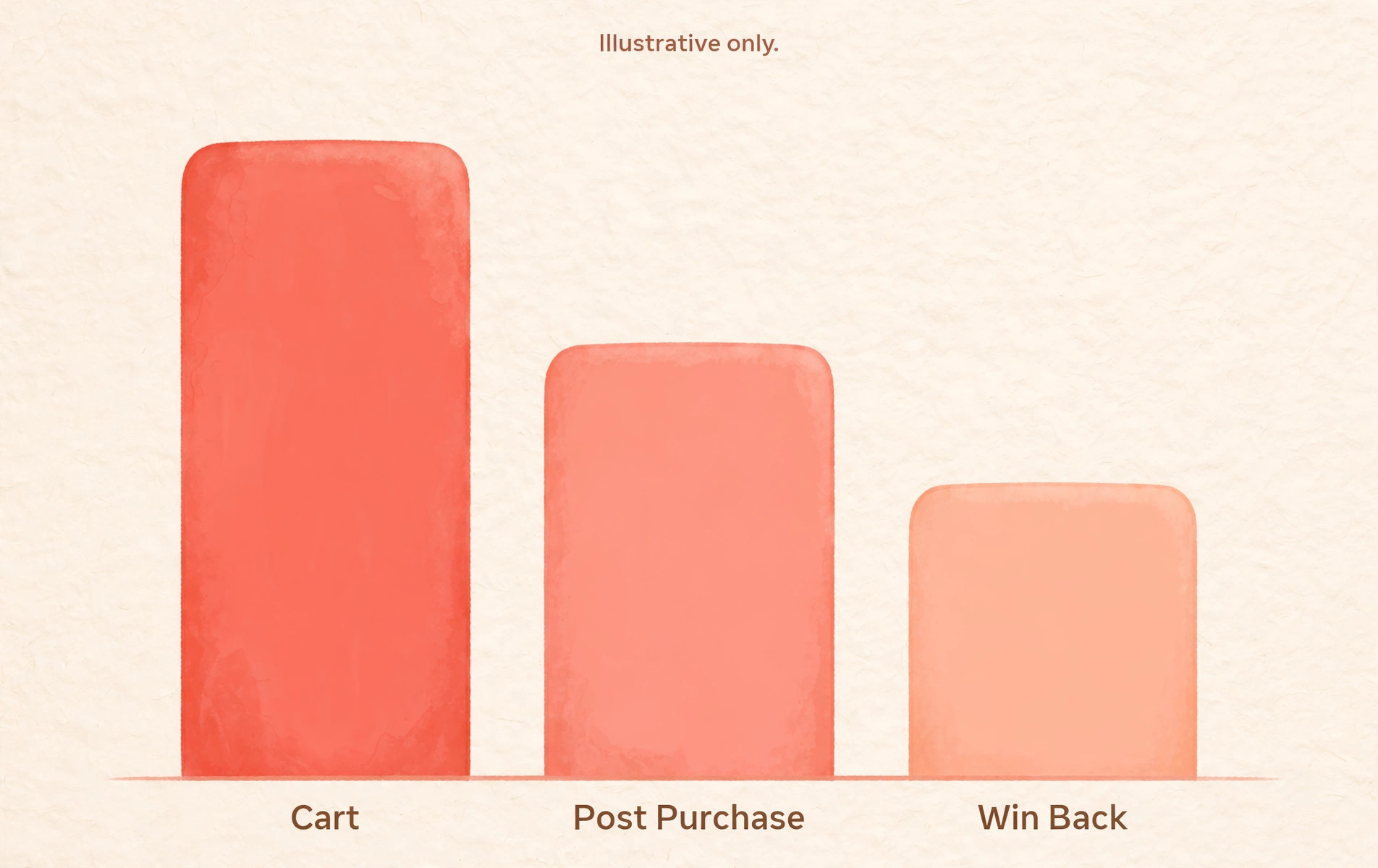
The right platform changes with the job email must do. Cart recovery, post purchase and win back are different problems, and the tool that wins one may not win another. Use this table to match the pick to the job, then confirm the fit with the flows that matter most to the store.
| Job | Best pick | Why it wins |
|---|---|---|
| Abandoned cart recovery | Klaviyo | Deepest cart and browse triggers |
| Post purchase series | Omnisend | Strong flows plus SMS in one system |
| Win back lapsed buyers | Drip | Behaviour journeys suit long gaps |
That matching step is what turns a general search for the best email marketing software for ecommerce stores into a shortlist that fits real work.
The Ecommerce Email Checklist Before You Pay
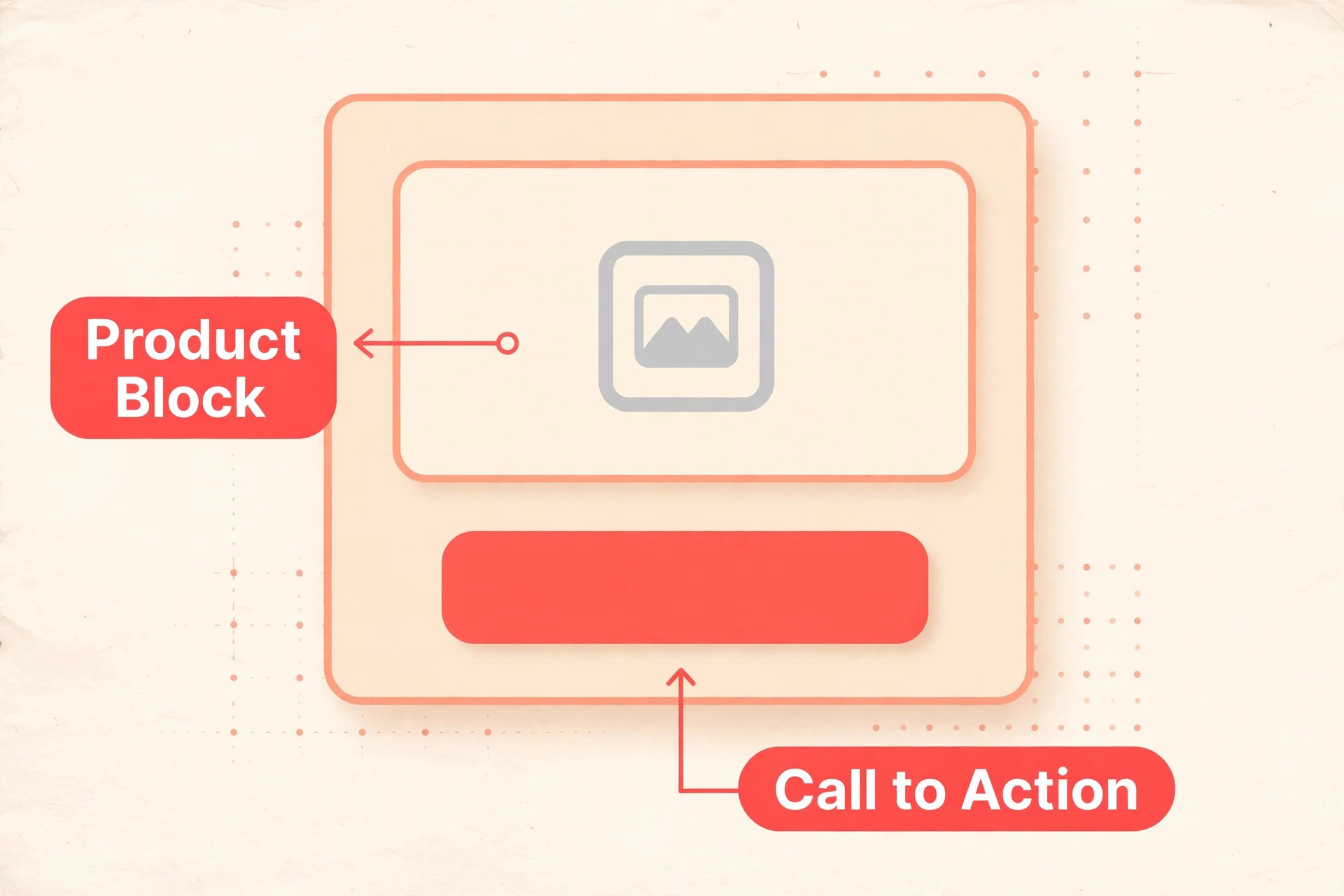
Run through this checklist on every finalist before moving a live list. A platform that fails two or more items will cost more in lost sales than it saves in subscription fees.
Check that abandoned cart, welcome, post purchase and win back flows exist as prebuilt starting points, not as blank builders.
Check that segments can use purchase history, cart value, browsing and lifetime value, not just opens and clicks.
Check that revenue per flow and per campaign is reported, so the store can see which emails actually earn money.
Check that SMS can be added later without migrating platforms, even if the store only sends email at launch.
Check that the price at the next two list sizes is written down, because email bills grow with the list whether revenue grows or not.
Check that signup forms, popups and checkout capture work with the store platform without custom code.
Check that the list, segments and flow history can be exported, so the store is never locked into a tool it cannot leave.
The Real Monthly Bill as the List Grows
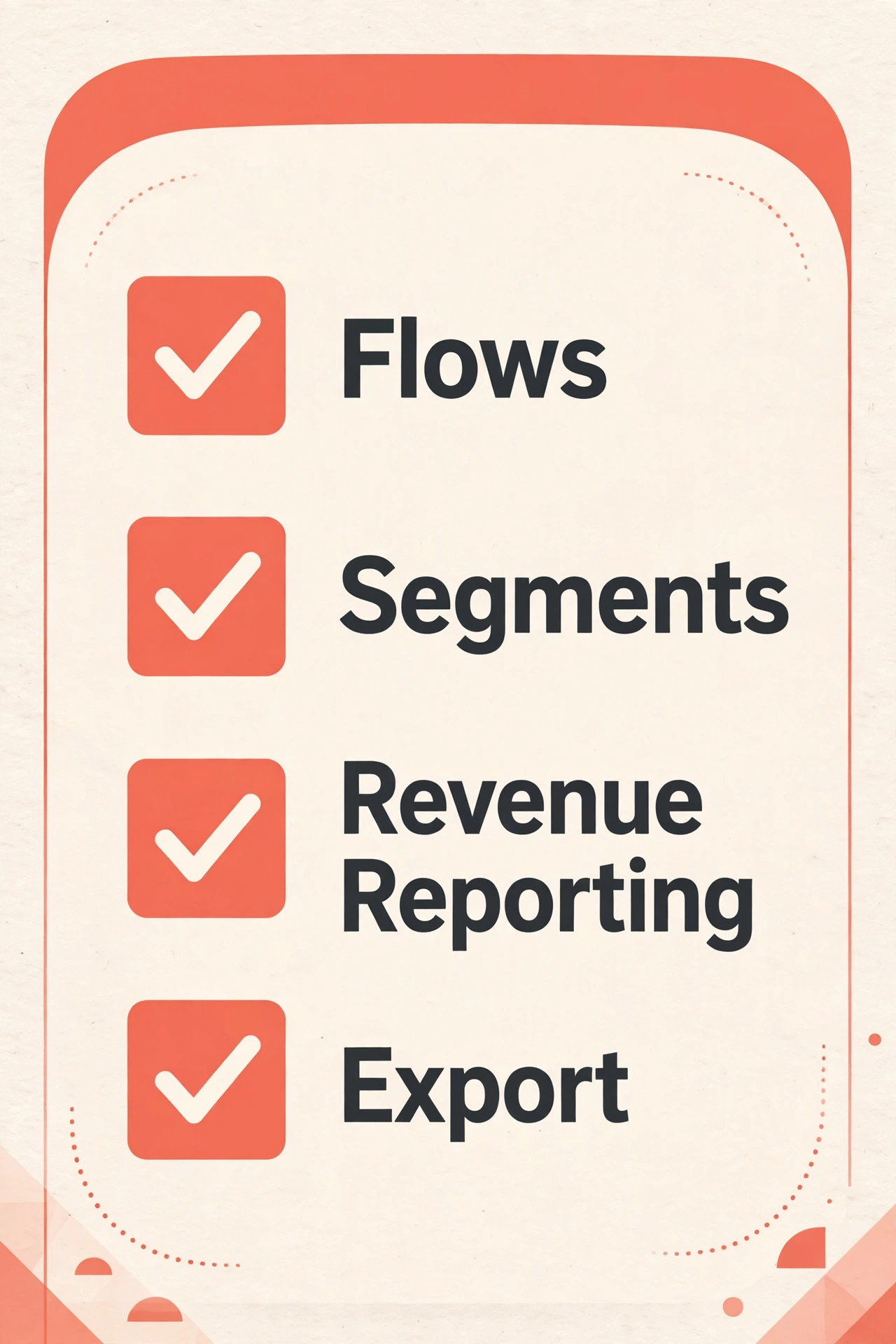
Email pricing punishes growth, so the bill must be judged at three list sizes, not one. At 500 contacts, the tools in this guide range from $7 to $39 a month, a gap any store can absorb. At 5,000 contacts, Klaviyo and similar per contact platforms climb into the hundreds a month, while Brevo, which bills by sends, stays far lower for a store that emails twice a month. At 25,000 contacts, the gap becomes a strategic decision, not a rounding error.
That is why the cheapest entry price is a poor buying signal. A store that grows its list fast through popups and checkout capture will pay the growth price within a year, and a platform chosen for a $13 entry price can cost more at scale than a $20 platform with better flows. Work out the bill at the current list, at double the list and at the list size expected in twelve months, then compare those three numbers across finalists before deciding.
SMS changes the maths again. SMS credits, carrier fees and compliance tools add a second bill on top of email, and some platforms bundle SMS well while others price it as a costly add on. If SMS matters, price a typical month of SMS sends alongside email before choosing, because a platform with cheap email and dear SMS can cost more overall than a platform with mid priced email and well priced SMS. The best email marketing software for ecommerce stores is the one whose total bill, email plus SMS, still makes sense at the list size the store is growing toward.
When you compare the best email marketing software for ecommerce stores, judge the total bill at your real size, not the headline plan price.
Deliverability habits also separate the platforms once sending starts at scale. A store that warms up a new sending domain gradually, authenticates it properly and suppresses bounces and complaints will reach more inboxes than a store that blasts a cold list from day one, no matter which platform it bought. Check that the finalist offers domain authentication, bounce handling and engagement based sending controls, and plan a warm up period for any new domain rather than switching a large list to a new platform and a new domain on the same day.
Mistakes That Cost Ecommerce Stores Revenue
The most expensive mistake is buying a newsletter tool for an ecommerce job. A store that only sends weekly campaigns, without cart recovery, post purchase or win back flows, leaves the highest converting emails unsent. Flows should be live before the next campaign is designed, because a triggered email sent at the moment of intent beats a beautiful broadcast sent on a schedule. Set up flows first, campaigns second.
The second mistake is growing a list without cleaning it. Popups and discounts attract subscribers who never open, and sending to them hurts deliverability for everyone else. Clean bounces, suppress long term non openers, use double opt in where it fits and watch spam complaints. A smaller, engaged list earns more than a large, cold list, and it costs less on every per contact platform in this guide.
The third mistake is judging email on opens alone. Opens are unreliable, clicks are partial and revenue is the only number that pays the bill. A campaign with a lower open rate that drives more orders beats a pretty campaign that drives none. Report revenue per flow, per campaign and per segment every month, and cut the flows and segments that earn nothing, no matter how good they look in the editor.
The cheapest option in a search for the best email marketing software for ecommerce stores is rarely the cheapest system once real volume and add ons are counted.
How to Test an Email Finalist in Two Weeks
Week one should test flows, not templates. Connect the store, import a test segment, build an abandoned cart flow and a welcome flow, and send test orders through both. Check that product blocks pull real products, that cart value and purchase data land in the right fields and that revenue reporting shows the test orders. If any step needs manual fixing, note it, because manual steps break at scale.
Week two should test sending under real conditions. Send a campaign to a small engaged segment, check inbox placement, measure revenue per email and test a win back segment of lapsed buyers. Ask one team member to build a segment from purchase history alone and report what they could not do. Their list is the true gap list, and it matters more than any vendor demo.
End the trial with a cost sheet, not a feeling. Write down the price at the current list, at double the list and at the twelve month list size, plus any SMS cost. Compare those totals across finalists, then pick the cheapest platform that passes the flow, segmentation and revenue reporting tests. Price breaks ties. It should never override a failed flow or reporting test.
A trial that tests money, paperwork and daily work will tell you more about the best email marketing software for ecommerce stores than any demo ever will.
More Reading on Stratilyze
Readers comparing email tools usually check the neighbouring guides next. The guide to email marketing software for restaurants covers a different industry use, the guide to AI tools for email marketing helps with the wider email toolkit, and the guide to accounting software for ecommerce sellers covers the money side of running a store.
Frequently Asked Questions
How much should an ecommerce store pay for email software
A small store can start from $7 to $20 a month at a few hundred contacts, while a store with 5,000 contacts should expect a per contact platform to cost well into the hundreds a month. Brevo stays cheaper at that size if sending is light, because it bills by sends. Price the platform at the current list, at double the list and at the twelve month list size before deciding, because growth is where the bill changes.
Is Klaviyo worth it for a small store
Klaviyo is worth it when email already drives real revenue and the team will use segmentation and flows properly. For a small store sending occasional campaigns, it is overkill, and Omnisend or MailerLite will do the job for less. Upgrade to Klaviyo when cart recovery, post purchase and segmentation start driving measurable orders that a simpler tool cannot match.
What are the essential ecommerce email flows
The essential flows are welcome, abandoned cart, abandoned browse where it fits, post purchase, replenishment for repeat products and win back for lapsed buyers. Together they recover sales, encourage repeat orders and reengage cold customers without a campaign being written each week. Set these up before designing the next broadcast campaign, because triggered flows convert at higher rates.
Does SMS belong in the same platform as email
For most stores, yes, because one customer profile for email and SMS avoids duplicate messages and confused timing. Omnisend and Klaviyo both cover SMS natively, while other tools add it as a separate cost. Price a typical month of SMS sends alongside email before choosing, because cheap email with dear SMS can cost more overall than a mid priced combined platform.
How often should an ecommerce store email its list
There is no single right frequency, because it depends on list engagement and offer quality. Most stores do well with one or two campaigns a week to engaged segments, plus triggered flows running in the background. Watch unsubscribe rates, spam complaints and revenue per email rather than following a fixed schedule, and suppress long term non openers to protect deliverability.
Can a store switch email platforms without losing data
Yes, if export is tested before signing. Most platforms export contacts, tags and segments, but flow history, predictive scores and some engagement data do not transfer cleanly. Test an export during the trial, rebuild the core flows on the new platform before switching, and run both platforms briefly if the list is large. Never switch a live list without a tested backup.
The Verdict for Ecommerce Stores
For most ecommerce stores, the decision comes down to revenue role. Stores where email already drives orders should choose Klaviyo for depth, or Omnisend if they want strong flows plus SMS at a lower price. Stores sending general campaigns beyond the store should choose Mailchimp for ease, and stores with large lists that email rarely should look hard at Brevo, because billing by sends changes the maths completely. Small stores on a budget should start with MailerLite, Moosend or Sender and upgrade when email revenue proves the need.
Whatever the pick, judge it on flows first. Build cart recovery, post purchase and win back flows in a trial, check revenue reporting with test orders and price the platform at three list sizes. The best email marketing software for ecommerce stores is the one that recovers carts, repeats orders and wins back lapsed buyers at a bill the store can still afford as the list grows. Trial two finalists, compare totals at scale and pick the cheapest platform that passes the flow tests without workarounds.