

“How much do AI agents cost?” is the question every small business asks right before the sticker shock — or the pleasant surprise. The honest answer: anywhere from $0 to $5,000+ a month, depending on what the agent does and how vendors count its work.
The confusion isn’t the price. It’s the billing unit. One vendor charges per seat, another per “resolution,” a third per credit, a fourth per task — and a $0.99-per-resolution agent can cost more than a $99/month flat plan once you do the volume math. This guide fixes that with one pricing mega-table by category, the hidden costs nobody puts in the headline, free-vs-paid realities, and a worked budget for a 10-person business.
Prices last checked: October 2026. US pricing. Confirm on vendor pages before buying — AI agent pricing changes quarterly.
Quick Answer: AI Agent Pricing at a Glance
| Category | Typical cost | Billing unit | Free tier reality |
|---|---|---|---|
| Support agents (Intercom Fin, Zendesk AI) | $0.49–$2.00 per resolution + seats | Per resolution | Trials only; real use needs paid |
| Sales/prospecting agents | $29–$99/mo + per-lead credits | Subscription + credits | Limited credits |
| Research agents (Deep Research, Manus) | $0–$39/mo | Subscription tiers | Generous free tiers |
| Workflow/ops agents (Zapier Agents, Lindy) | $33–$150/mo | Per activity / per seat + credits | 400 activities free (Zapier Agents) |
| Chatbot builders (Chatbase, Tidio) | $0–$39/mo | Per conversation | 50 conversations (Tidio, lifetime) |
| Coding agents (Claude Code, Copilot) | $10–$20/mo | Per seat | Copilot has a free tier |
The one rule that saves you money: always convert the vendor’s billing unit into your cost per month at your volume before comparing. A $0.99/resolution agent handling 500 tickets/month costs $495 — more than most flat-rate plans.
The 2026 AI Agent Pricing Mega-Table
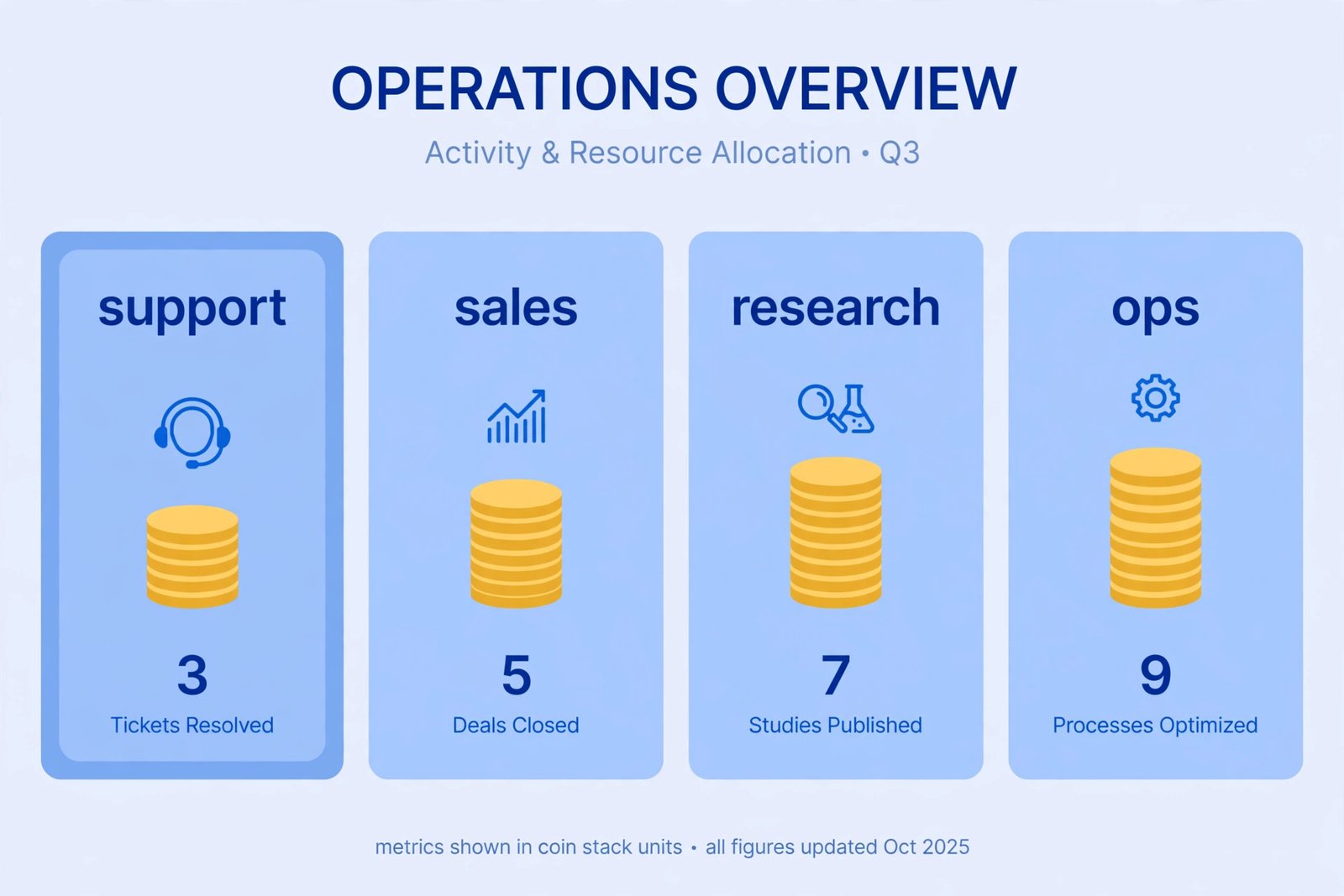
Customer support agents
Support is the most mature agent category — and the one with the trickiest pricing, because “per resolution” sounds cheap until you multiply.
| Tool | Billing model | Unit price | Entry cost | Best for |
|---|---|---|---|---|
| Intercom Fin | Per resolution | $0.99/resolution | From ~$49/mo incl. 50 resolutions (standalone) + seats from $19/seat | Mid-market chat support |
| Zendesk AI agents | Per automated resolution + seats | $1.50 committed / $2.00 pay-as-you-go | Suite seats from $19/agent + resolutions | Existing Zendesk shops |
| HubSpot Breeze Customer Agent | Credits per resolution | ~$0.50/resolution | Service Hub seat + credits ($10/1,000) | HubSpot users — cheapest per resolution |
| Freshdesk Freddy AI | Per session + seats | $0.49/session | Seats $19–$89/agent; 500 free sessions once | Budget omnichannel |
| Tidio (Lyro) | Conversation bundles | ~$0.78/conversation | $39/mo for 50 conversations; free plan = 50 lifetime | Small stores starting out |
| Gorgias AI Agent | Per interaction + helpdesk | $0.85–$1.00 | Gorgias helpdesk plan required | Shopify/e-commerce |
| Help Scout | Per resolution | $0.75/resolution | Help Scout plan | Small teams wanting simple pricing |
| Chatbase | Per message credit | From $19/mo plans | Free tier available | DIY chatbot on your docs |
Watch the definition. “Resolution” means different things: Intercom bills on a successful outcome; some vendors count a conversation the agent merely touched. At 5,000 resolutions/month, Intercom costs ~$4,950 and Zendesk ~$7,500 — before seats. Always ask: does a resolution mean the customer confirmed it, or just that the bot closed the chat?
Sales & prospecting agents
| Tool | Billing model | Entry cost | Notes |
|---|---|---|---|
| Lindy (SDR agents) | Per seat + pooled credits | $29.99/user/mo (3,000 credits) | Credits burn fast on research-heavy flows |
| Clay-style enrichment | Per credit | Tiered, ~$0.10–$1+/enriched lead | Cost-per-lead maths decides this category |
| AI meeting follow-up tools | Per seat | $10–$30/seat/mo | See our meeting notes comparison |
| ChatGPT/Claude + CRM workflows | Subscription | $20/mo | DIY prospecting research; cheapest entry |
Sales agents are the hardest to price-compare because the value unit is a lead, not a task. Budget $100–$500/month for a serious prospecting stack (enrichment credits + one agent seat), and track cost per qualified lead — if it exceeds your current acquisition cost, the agent is decoration.
Research agents
| Tool | Billing model | Entry cost | Notes |
|---|---|---|---|
| ChatGPT Deep Research | Included in Plus/Pro | $20/mo (Plus) | Best bundled value |
| Gemini Deep Research | Included in Google AI Pro | $19.99/mo | Strong on fresh topics |
| Perplexity Pro | Subscription | $20/mo ($17/mo annual) | Fastest research answers; free tier generous |
| Manus | Subscription | Pro $39/mo, Pro+ $199/mo | Autonomous multi-step tasks |
| NotebookLM | Free / Google AI plans | $0 (free tier generous) | Research on your docs; see our NotebookLM guide |
Research agents are the best value in AI right now: $20/month buys unlimited-ish deep research that replaces hours of analyst time. The free tiers (Perplexity, NotebookLM, ChatGPT Free) are genuinely usable.
Operations & workflow agents
| Tool | Billing model | Entry cost | Notes |
|---|---|---|---|
| Zapier Agents | Per activity | Free: 400 activities/mo; Pro $33.33/mo (annual) for 1,500 activities | Runs on Zapier’s 8,000+ app connections |
| Lindy | Per seat + credits | Plus $29.99/user/mo; Pro $99.99; Max $199.99 | Slack/iMessage-native assistant |
| Gumloop | Credits | Pro $37/mo (20,000 credits) | Unlimited seats — good for teams |
| Relevance AI | Credits/seats | From ~$29/mo | Multi-agent workflows |
| Microsoft 365 Copilot | Per seat | $30/user/mo (+ M365 plan) | For Microsoft shops |
| n8n (self-hosted) | Free (self-host) / cloud from €24/mo | $0 + server + your time | Cheapest at scale; needs technical upkeep |
The credit trap: Lindy’s $29.99/user looks cheap until five seats ($149.95/mo) plus credit overages kick in. Zapier Agents’ per-activity model is more predictable for defined workflows. Always run a one-week trial and check actual credit/activity burn before committing to a tier.
Free vs Paid: What’s Actually Usable for Free?

| Tool | Free tier | The catch |
|---|---|---|
| ChatGPT (research agents) | Unlimited text chat, limited Deep Research | Ads (US); reasoning caps |
| Perplexity | Daily Pro-level searches limited | Paywalled after quota |
| NotebookLM | 100 notebooks, 50 sources each | Compute budget refreshes every ~5 hrs |
| Zapier Agents | 400 activities/month | Enough to prove, not to run |
| Tidio Lyro | 50 conversations, lifetime | Not per month — once they’re gone, they’re gone |
| Lindy | 7-day trial only | No real free tier |
| Intercom Fin | 14-day trial | No free tier |
| GitHub Copilot | Free tier available | Limited completions |
Bottom line: research agents have the most generous free tiers; support agents have essentially none. Budget for support AI from day one; experiment with research AI for free.
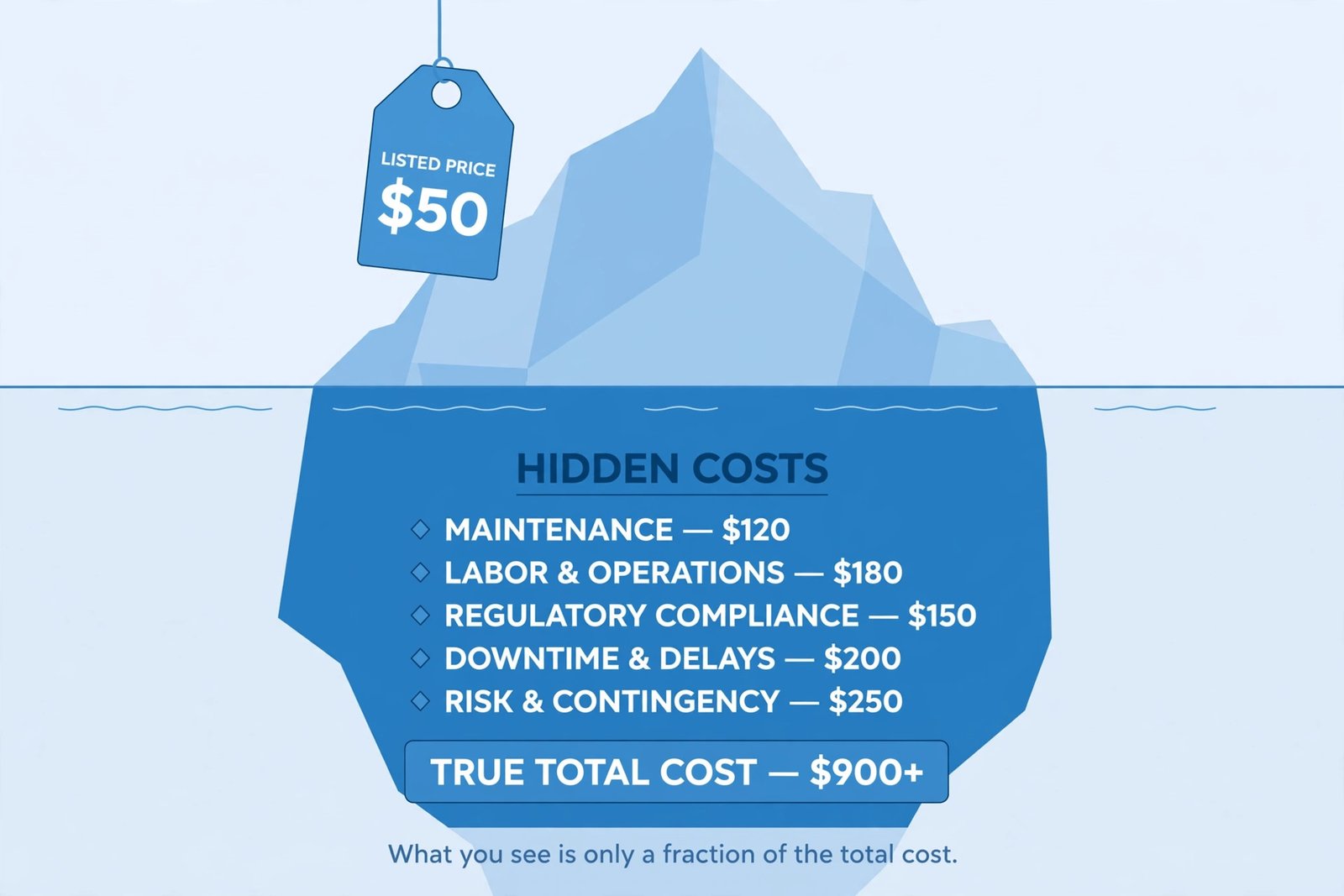
- The billing-unit shell game. Per-resolution, per-session, per-activity, per-credit — four vendors, four units, none comparable. Convert everything to monthly cost at your volume. A vendor that won’t help you model this is telling you something.
- Seat minimums. Lindy charges per user ($29.99 × your team). Intercom and Zendesk need paid seats under the AI. A “cheap” agent on a 10-person team is never just the AI price.
- Credit burn on AI-heavy tasks. Lindy and Gumloop credits deplete fast on research and long-context tasks. Users consistently report trial-period usage looking nothing like billed usage — run your trial on real workloads.
- Overage auto-billing. Zendesk auto-bills overages since January 2026. Set caps and alerts on day one.
- The “resolution” definition. Does the vendor bill when the customer confirms resolution, or when the bot ends the chat? Failed handoffs that still bill are the silent budget killer — nail this down before signing.
- Implementation time. A $99/month agent that takes 40 hours to configure costs more in year one than a $299/month agent that works in a day. Budget 10–20 hours of setup for support agents (knowledge base training, escalation rules).
- The underlying model bill. Self-hosted and build-your-own platforms (n8n, Voiceflow-style builders) charge little themselves — but every agent run bills your LLM API key. At volume, the model is the cost.
Worked Example: AI Agent Budget for a 10-Person Business
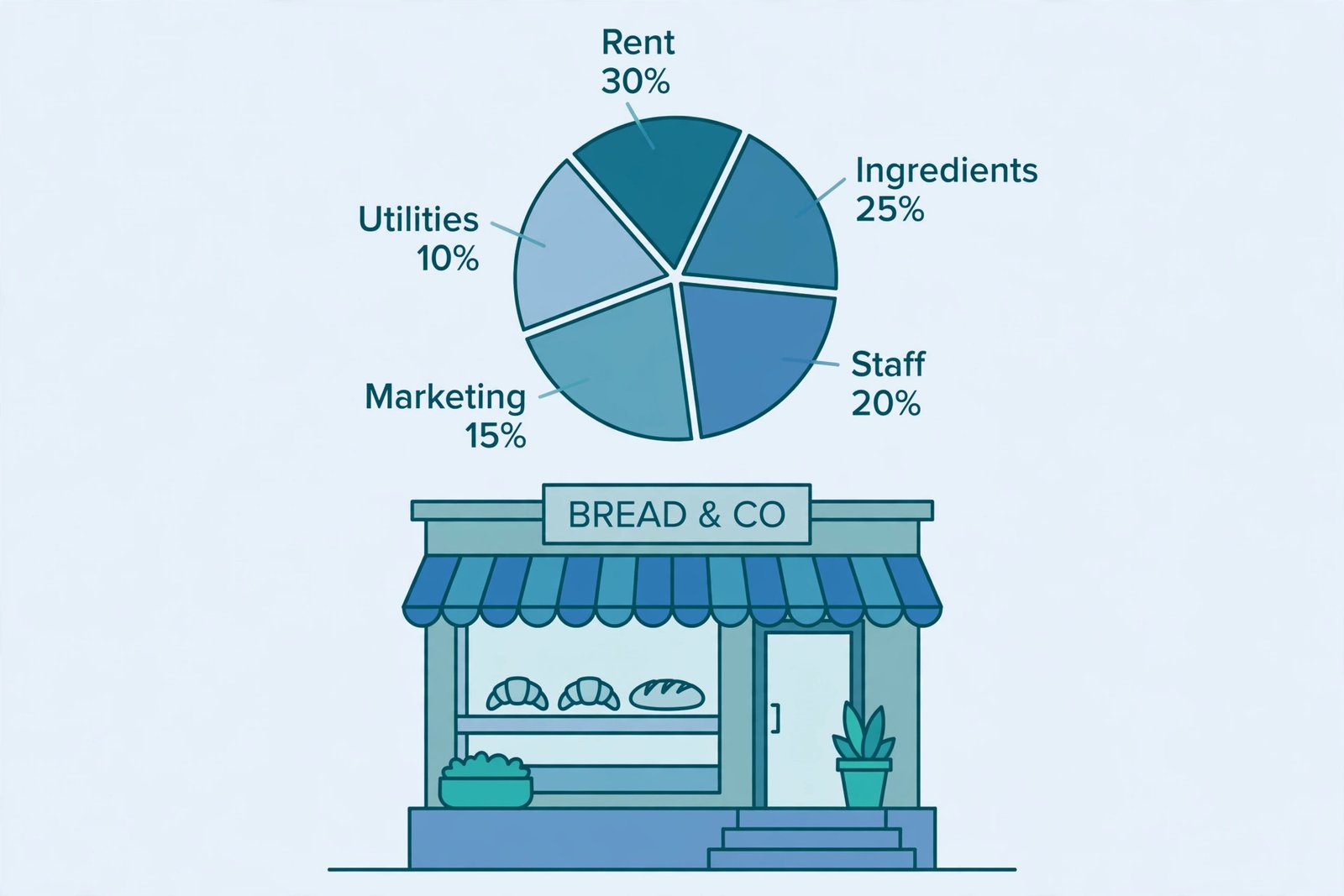
Meet a fictional 10-person company: an e-commerce store with 2,000 support tickets/month, a 3-person sales team, and an ops manager drowning in admin. Here’s a realistic agent stack:
| Need | Pick | Monthly cost |
|---|---|---|
| Support: deflect tier-1 tickets (60% of 2,000) | Intercom Fin, ~1,200 resolutions × $0.99 | ~$1,188 |
| Cheaper alternative | HubSpot Breeze, ~1,200 × $0.50 (+ Service Hub seat) | ~$600+ |
| Sales: prospect research agent | Lindy Plus × 3 seats | $89.97 |
| Ops: workflow automations | Make Core (10,000 ops) | $9–$12 |
| Research: market/competitor research | ChatGPT Plus × 2 | $40 |
| Docs Q&A: internal knowledge | NotebookLM | $0 |
| Total (Fin route) | ~$1,330/mo | |
| Total (budget route) | ~$740/mo |
Is it worth it? 1,200 deflected tickets at even 5 minutes of human time each = 100 hours/month. At a $25/hour fully-loaded support cost, that’s $2,500 in labor against a $600–$1,188 AI bill. The ROI case for support agents is usually the easiest in the business — which is why 60–75% deflection rates get quoted everywhere. Verify the deflection rate on your ticket types in a trial before you believe the headline.
Where small businesses overspend: buying the support agent and keeping the same headcount doing the same work (the savings only materialise if roles shift), and paying per-seat agent tools for occasional users (Lindy’s per-user model punishes this — check per-person credit use first).
How to Choose Without Getting Burned
- Start from the job, not the tool. “Deflect 60% of WISMO tickets” beats “we need an AI agent.” The job determines the category; the category determines the pricing model.
- Model your volume first. Take last month’s ticket count, lead count, or task count and multiply by the unit price. Do this in a spreadsheet before any trial.
- Trial on real workloads. Free tiers and trials are sized for demos. Push real tickets, real leads, real documents through for a week and watch the meter.
- Negotiate the definition. Get “what counts as a billable resolution/activity” in writing. Ask about caps, overage rates and whether failed handoffs bill.
- Budget the setup. 10–20 hours for support agents; a weekend for workflow agents (see our small-business automation guide for the playbooks).
- Re-check quarterly. Pricing in this category changes constantly — the plan you bought in January may not be the cheapest way to buy the same capability in October.
Frequently Asked Questions
How much does an AI agent cost per month?
For small businesses: $0–$50/month for research and workflow agents (often free tiers suffice), $30–$150/month for ops agents like Lindy or Zapier Agents, and $500–$5,000+/month for support agents billed per resolution at real ticket volumes.
What is per-resolution pricing?
Instead of paying per seat, you pay each time the AI fully handles a customer conversation — e.g., Intercom Fin at $0.99/resolution, Zendesk at $1.50–$2.00. It’s fair in principle (pay for outcomes) but makes budgeting harder, and vendors define “resolution” differently.
Are there free AI agents?
Yes, with limits: NotebookLM and Perplexity (research), Zapier Agents (400 activities/month), Tidio Lyro (50 lifetime conversations), GitHub Copilot (free tier). Support agents like Intercom Fin and Zendesk AI have trials but no real free tier.
What’s the cheapest AI agent for a small business?
For research and knowledge work: free (NotebookLM, Perplexity free, ChatGPT free). For automation: Make Core at ~$9–$12/month. For support: HubSpot Breeze at ~$0.50/resolution is the cheapest published per-resolution rate — if you’re already on HubSpot.
Why is AI agent pricing so confusing?
Because vendors bill in different units (seats, resolutions, credits, activities, tasks) and layer AI pricing on top of platform pricing. Always convert to your monthly cost at your volume before comparing.
Do AI agents replace staff?
They replace tasks, not roles — typically 40–70% of tier-1 support volume or hours of research/admin weekly. The savings only materialise if you redirect that human time to higher-value work. Budget the change management, not just the subscription.
Final Verdict
AI agents in 2026 cost anywhere from free to five figures a month — but for most small businesses the realistic range is $50–$1,500/month depending on category. Research agents are the bargain of the decade; support agents are the biggest line item and usually the best ROI; ops agents sit in the middle and punish inattention to billing units.
The single most valuable hour you’ll spend: modelling your own volume against two or three vendors’ unit prices before the trial. Everything else — the demos, the deflection-rate claims, the credit bundles — is noise until you’ve done that maths.
Related reading: the 10 workflow playbooks in How to Automate a Small Business with AI, and our hands-on best AI agents for small business roundup.