
The verdict is simple. If you run a farm stand with a weekly box, you should use AI for farm stand weekly box marketing, because the work that eats your week is not growing food. It is deciding what goes in each box, telling subscribers what is coming, reminding them to collect it, and answering the same questions about swaps, storage and recipes again and again. Those four jobs are repetitive, predictable and easy to draft with a tool, and they are also the jobs that decide whether a subscriber stays for a second season. A farm that answers them well keeps members. A farm that answers them late or not at all loses them, however good the produce tastes.
A weekly box program is really three promises made at once. The first promise is variety without waste, enough different items each week that the box feels generous, but not so much of one crop that half of it rots in a fridge. The second promise is communication, a clear note before pickup that says what is in the box, how to store it, and what to cook with the unfamiliar item. The third promise is reliability, the box ready on time, at the right pickup point, with the right size for the right household. When any one of those promises slips, subscribers notice fast. They simply do not renew.
This guide covers the whole loop. It starts with harvest planning and box building, moves through subscriber reminders and pickup-day handling, and ends with a weekly-box template you can copy and reuse. It also covers pricing honesty, swap rules, and the mistakes that turn a good box program into a chore for everyone. Figures in this guide are ranges or reported examples, not guarantees for your farm, and you should check current prices and platform terms on the vendor pages before you commit to a tool. What is guaranteed is the pattern. Farms that plan the box before harvest day, communicate before pickup day, and follow up after pickup day keep more subscribers than farms that improvise all three.
What a Weekly Box Actually Sells
A weekly box does not sell vegetables. A weekly box sells a decision already made, a season already planned, and a relationship with the place the food came from. Subscribers pay in advance, or commit week to week, because they want to eat with the season, support a local grower, and stop deciding what to buy every week. That distinction shapes every marketing choice. If your weekly note reads like a grocery list, it undersells the product. If it reads like a short letter from the field, with one honest note about weather, one storage tip, and one recipe idea, it sells exactly what the subscriber bought.
Box size is the first decision that shapes satisfaction. Most small farms offer two sizes, a small box for one or two people and a regular box for a household. The mistake is offering five sizes before you know your harvest volumes, because each extra size multiplies packing work and packing errors. Start with two sizes, publish a plain description of each, and say how many items each size usually holds rather than promising an exact weight every week. A box described as holding roughly eight to ten items gives you room for a short week without breaking a promise, while a box promised at an exact weight every week will fail in the first bad weather week.
Payment timing is part of marketing, not just administration. Full season payment gives the farm working capital early, when seed, compost and labour costs land, and it also locks in commitment. Monthly payment lowers the barrier for new subscribers who hesitate at a large upfront sum. Weekly payment is the easiest sell but the hardest to manage, because every week brings a new chance to cancel. Many farms offer a choice, full season with a small discount, or monthly instalments, and use reminders to handle the monthly payment dates. Whatever you choose, state the refund and missed pickup policy in plain language before signup, not after the first complaint.
How to Use AI for Farm Stand Weekly Box Marketing Without Losing the Farm Feel
The fear that AI will make a farm sound corporate is reasonable, and it is also avoidable. The trick is to use AI as a first drafter and an organiser, never as the voice of the farm. You write the facts, the harvest list, the weather note, the one thing you noticed in the field this week. AI turns those notes into a clean subscriber message, a social post, and a pickup reminder in consistent formats. You read the result, fix anything that sounds wrong, and send it in your own name. Subscribers hear you, not a tool, and you save the hour you used to spend staring at a blank email on harvest night.
Start with a simple rule for every AI draft. It must contain at least one true, specific detail from your farm that week. A real crop name, a real field note, a real pickup change. If a draft could have been written by any farm in any county, it is not ready to send. A second rule helps just as much. Never let AI invent availability, price, or pickup times. Those facts come from your harvest list and your schedule, typed in by you, and AI only formats them. Invented availability is worse than no message at all, because a subscriber who arrives for a promised item that is not there loses trust fast.
Photo handling deserves the same care. A photo of the actual packed box, taken in natural light on packing day, will sell more subscriptions than a polished stock image of vegetables, because it shows what subscribers really get. AI can help you write a caption, suggest a crop order for the photo, or resize the image for different platforms, but it should not replace the real box photo with a generated one. Subscribers who sign up for a generated image and receive a plainer real box feel misled, and that feeling costs renewals. Use AI to present the real box better, not to invent a better looking one.
Harvest Planning Before the Season Starts
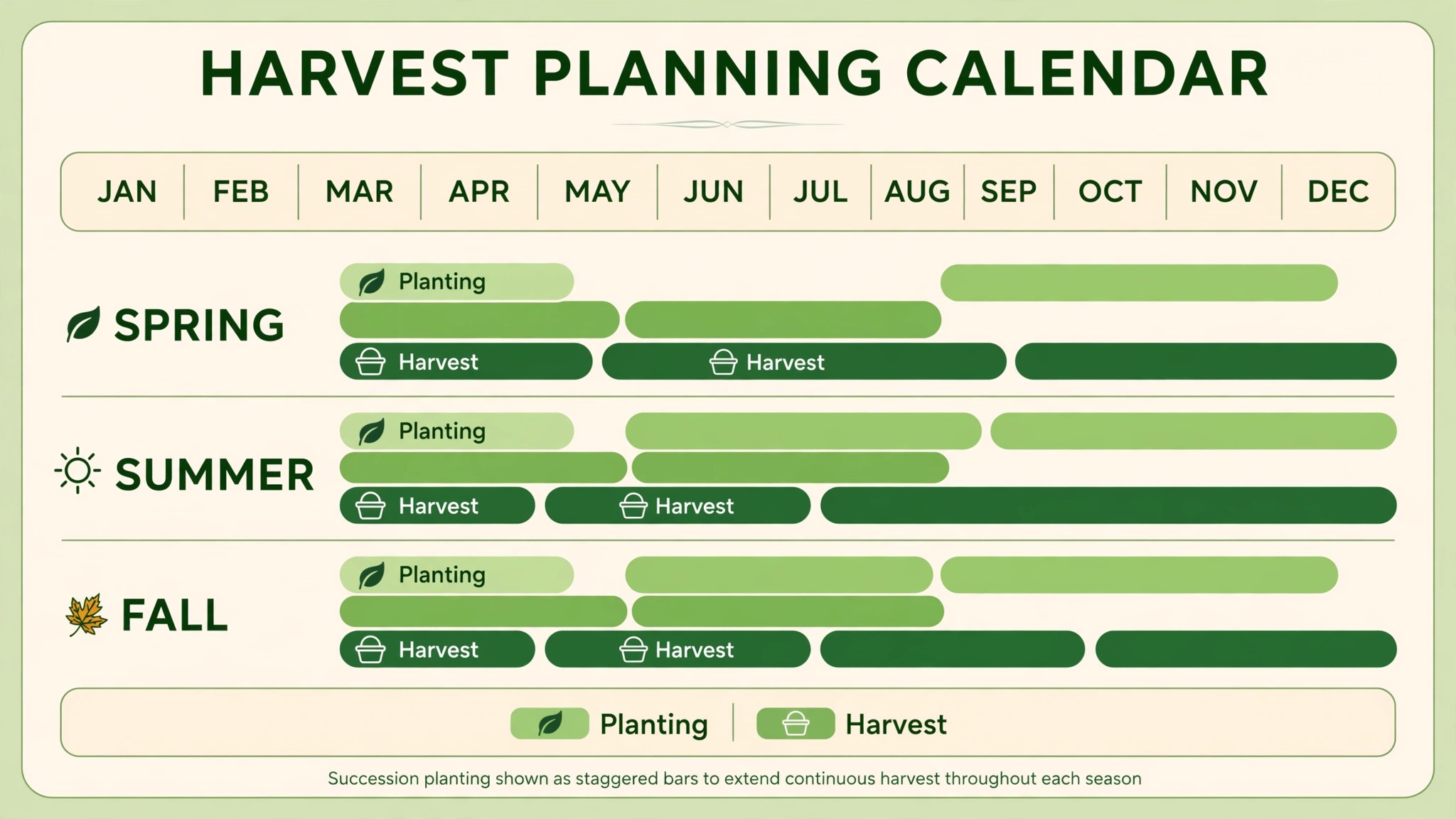
Harvest planning is where a weekly box succeeds or fails, and it starts months before the first box. The core question is simple. For each week of the season, how many boxes of each size do you expect to pack, and how much of each crop do you need to harvest to fill them. AI can help you build that plan from last year’s records, if you kept them, by turning a messy spreadsheet of harvest notes into a week by week estimate. If you did not keep records, start this season with a simple log, crop, beds harvested, weight or count, and boxes packed, and next season’s plan will be far easier.
Succession planting is the grower’s side of the same plan. Crops planted in small batches every week or two, rather than all at once, give a steadier harvest and steadier boxes. Lettuce, radishes, beans and squash all reward succession planting, while a single large planting gives a glut week followed by a gap week, and glut weeks are when boxes feel repetitive and waste rises. AI cannot tell you your soil or your frost dates, and you should not ask it to. Use your local extension guidance and your own experience for planting dates, and use AI only to lay out the resulting plan in a readable calendar, with reminders for each planting batch.
Record keeping closes the loop. At the end of each week, note what sold out, what was left over, what subscribers praised, and what they left at the pickup point. Leftovers at pickup are valuable data. If kohlrabi is left behind three weeks running, the box has a kohlrabi problem, not a subscriber problem, and the fix is a recipe, a smaller portion, or a swap option, not a lecture about adventurous eating. AI can spot those patterns across a season of notes faster than a tired grower flipping through a notebook, and it can summarise them into a short end of season review that shapes next year’s planting.
Building a Box That Feels Generous Every Week
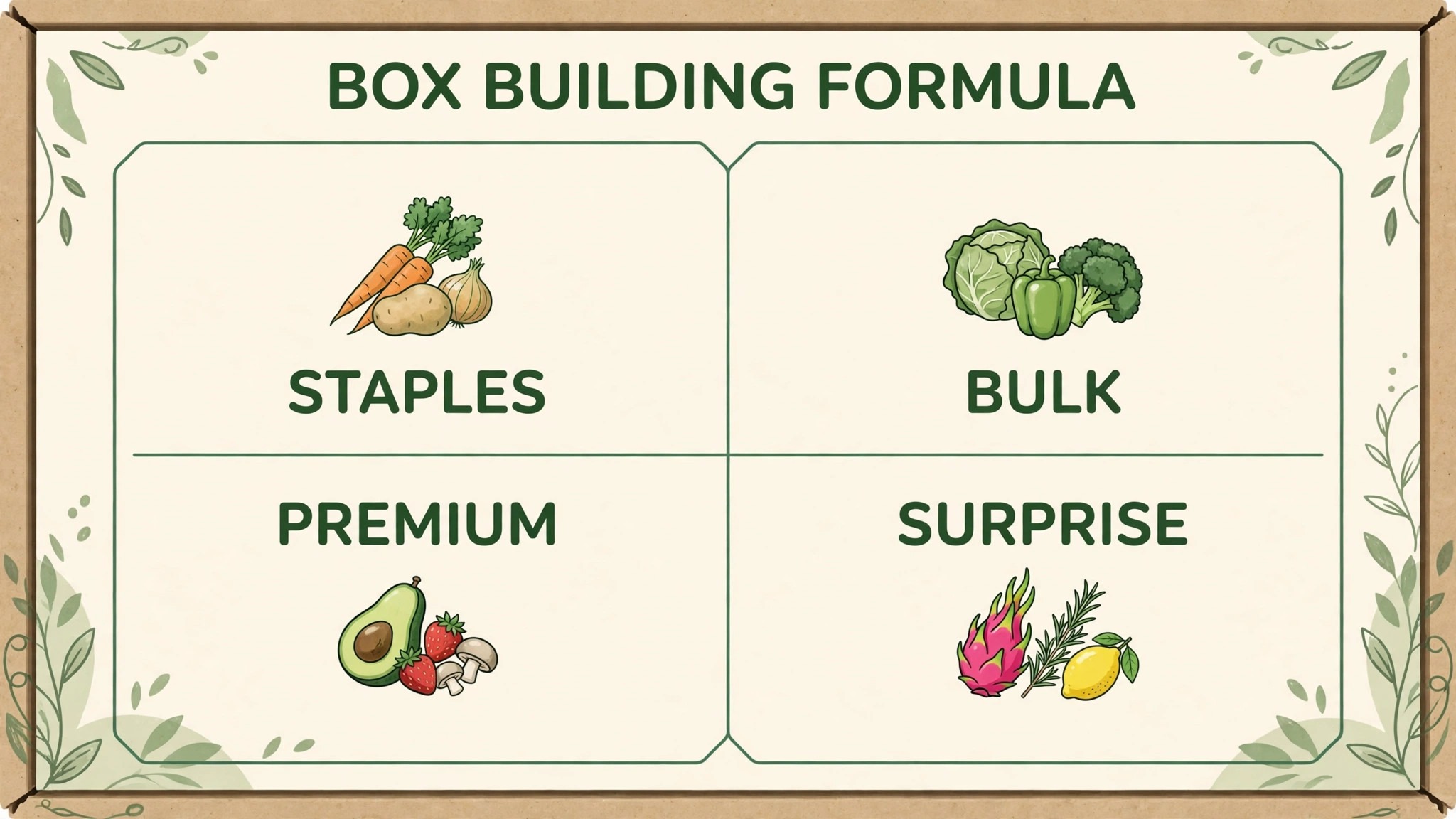
Box building is a balancing act, and a simple formula keeps it honest. A widely shared approach in community supported agriculture guides is to combine staples, bulk items, premium items and one surprise. Staples are the items subscribers cook with every week, such as lettuce, tomatoes in season, cucumbers or zucchini. Bulk items give volume and perceived value, such as cabbage, winter squash or melons. Premium items are the ones subscribers associate with special value, such as heirloom tomatoes, fresh basil or sweet corn. One surprise item, with a recipe card, keeps the box from feeling routine. You do not need to follow that formula rigidly, but it is a useful check when a week’s box feels flat.
AI helps most at the sorting stage. Give it the harvest list with quantities, the number of boxes of each size, and any dietary notes or swap requests, and ask it to propose a box composition that uses the harvest evenly, avoids duplicating flavours, and keeps the surprise item to one per box. Then check the proposal against reality. Does it use a crop you only have a little of, spread so thin that nobody gets a usable amount. Does it put two similar greens in the same box. Those checks take five minutes, and they are the difference between a useful draft and a packing error multiplied across fifty boxes.
Value perception is a separate job from actual value. A box that contains good produce but looks jumbled will feel worth less than the same produce packed neatly with a printed list on top. Put the box contents list on top, in the order items appear in the box, so subscribers can check without unpacking everything. Add one recipe card for the least familiar item, not five recipe cards that feel like homework. And if the box is lighter than usual because of weather, say so on the list, with a short note about next week’s expected improvement. Honesty about a light week protects trust better than silence, and subscribers who trust you renew.
The Weekly Workflow From Field Walk to Pickup Day
A weekly box program runs on a rhythm, and the rhythm below assumes a single weekly pickup day with a small team. Move the days to fit your harvest and pickup schedule, but keep the order. Planning before harvest, communication before pickup, and follow up after pickup. That order is what prevents the familiar harvest night panic, when boxes are packed but nobody has written the note, and subscribers arrive asking what an unfamiliar vegetable is.
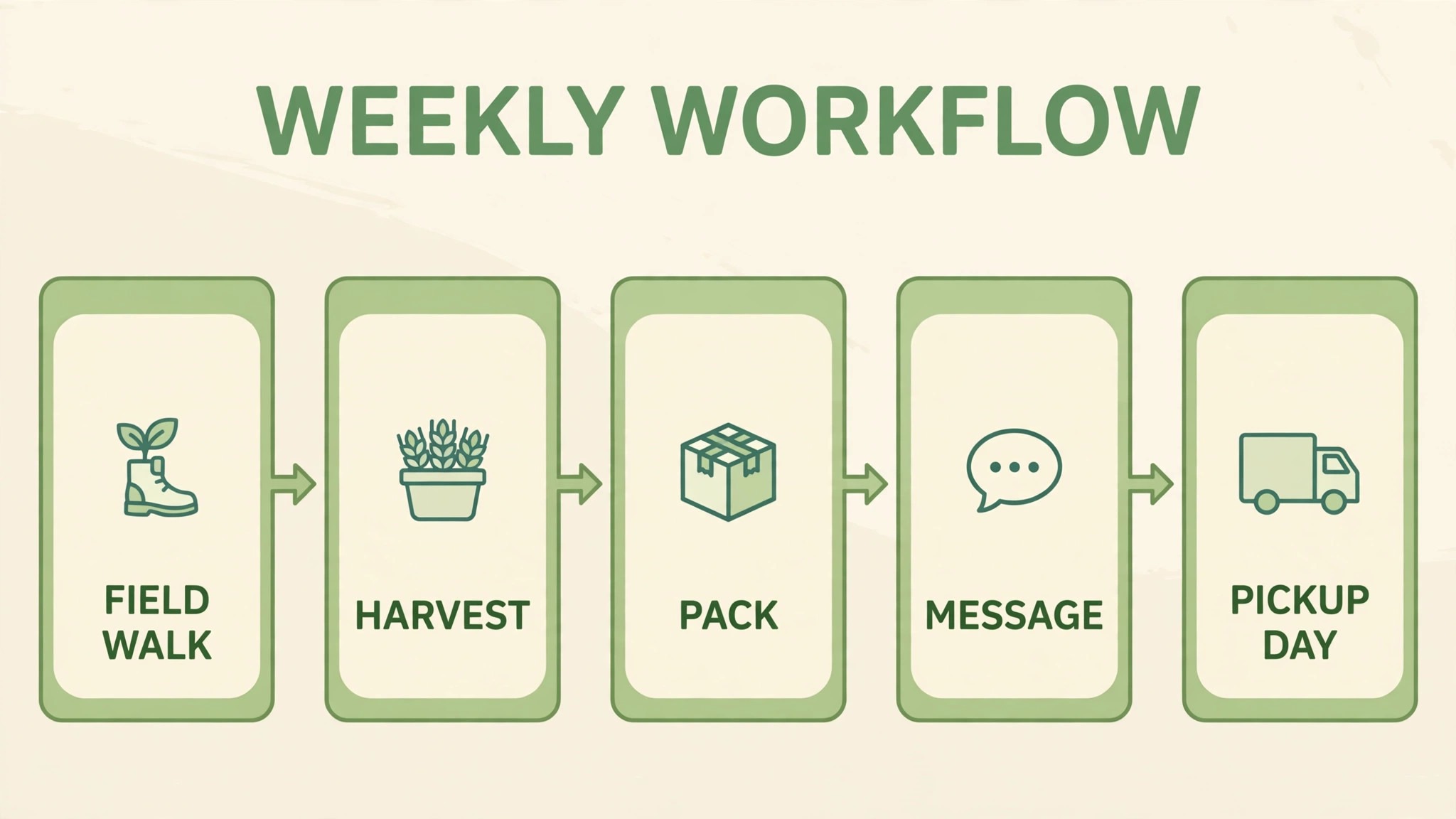
Step 1, walk the field and lock the harvest list
Two days before pickup, walk the beds and write down what is actually ready, in what quantity, and what will be ready next week. AI can turn that rough list into a clean harvest sheet, but it cannot replace the walk. A list written from memory at the kitchen table will be wrong, and a wrong list becomes a wrong box note. Record quantities in the unit you pack in, bunches, heads, pounds or counts, so the box math works without conversion errors later.
Step 2, draft the box composition and the swap list
Feed the harvest list and the box counts into your planning sheet, and ask AI to propose box contents for each size, plus a short swap list drawn only from surplus items. Check the proposal for balance, for usable quantities, and for any item that appeared in the last two boxes, because repetition is the fastest way to bore subscribers. Lock the composition before harvest day, so pickers know what to pick and packers know what to expect. Changes after locking should be rare, and when they happen, they should be noted in the weekly message.
Step 3, harvest, pack and photograph the real box
Harvest in the morning when crops are cool, pack in the order on your checklist, and photograph one packed box of each size before pickup. That photo becomes the social post and the proof for next season’s marketing. Keep the photo honest. If the box is light that week, the photo should show a light box, with the note explaining why. Subscribers forgive a light week. They do not forgive a photo that promised more than the box delivered.
Step 4, send the weekly note the day before pickup
Send the note the day before pickup, not on pickup morning, so subscribers can plan meals and arrange collection. The note needs the box contents, the pickup time and place, one storage tip, and one recipe idea for the unfamiliar item. AI can draft it from your harvest list and field note, but you should read it once before sending, checking names, times and quantities. A note sent with the wrong pickup time undoes a week of good growing, and it is the easiest error to catch with a thirty second read.
Step 5, send a short pickup day reminder
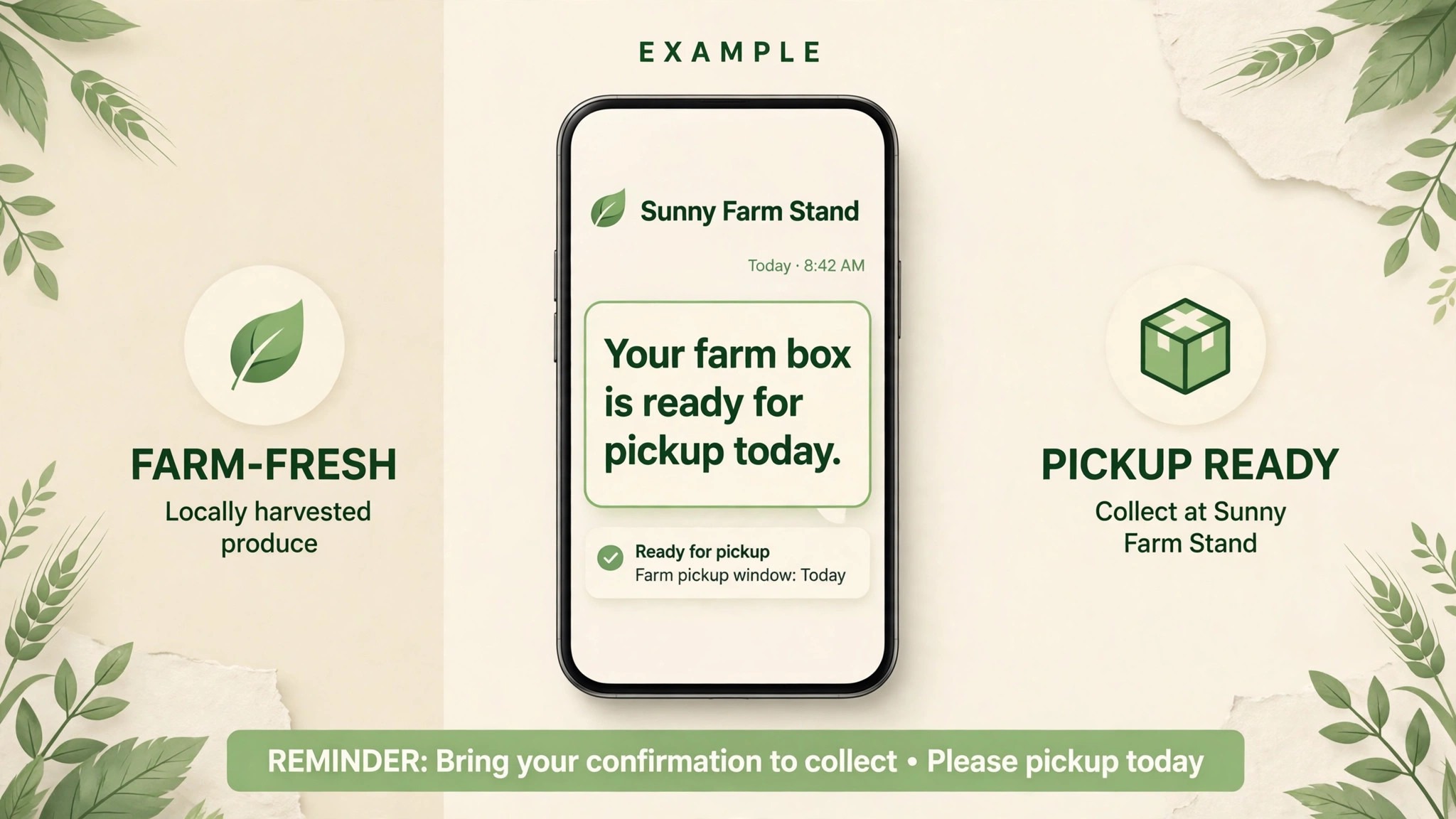
On pickup morning, send a short reminder to subscribers who have not yet collected, or to the whole list if your pickup window is short. Keep it to two lines. The box is ready, the pickup window, and the place. Do not repeat the whole weekly note in the reminder, because subscribers who already read the note will start ignoring reminders that repeat it. A reminder that is short gets read. A reminder that repeats everything gets skipped, and then it fails at the one job it had.
Step 6, follow up after pickup and log what happened
The day after pickup, log uncollected boxes, swap requests, complaints and compliments, and send a short thank you or check in to subscribers who missed pickup. Uncollected boxes need a clear policy, held for a stated time, donated, or collected late by arrangement, and the policy should already be in the subscriber agreement. AI can draft the missed pickup message and summarise the week’s feedback into three lines for your records. That summary is the raw material for next season’s planting plan, so do not skip it just because the week is over.
Reminders fail in two opposite ways. Some farms send too few, so subscribers forget, and boxes sit uncollected. Some farms send too many, so subscribers tune out, and the important reminder gets ignored along with the rest. The workable rhythm for most box programs is three messages per week at most. The weekly note the day before pickup, a short pickup day reminder, and one extra message only when something actually changed, such as a pickup time move, a substitution, or a payment date. Everything else belongs in a monthly letter or a social post.
Subscriber Reminders That Get Boxes Collected
Channel choice should follow subscriber preference, recorded at signup. Some subscribers read email reliably. Some read text and never open email. Some prefer a message in a community group. Ask at signup, record the answer, and send the pickup reminder through the channel each subscriber actually reads. When you use AI for farm stand weekly box marketing, AI can format the same message for each channel, short for text, fuller for email, but the content must match, because a subscriber who sees different pickup times in different channels will trust neither.
Payment reminders need a different tone from pickup reminders. They should be factual, private, and sent to the individual subscriber, never to a group list. State the amount, the due date, and the payment method, and offer a simple way to ask about hardship or a payment plan. A farm that handles a missed payment with a quiet, respectful message keeps a subscriber who might otherwise leave in embarrassment. AI can draft that message, but a human should review any message about money before it goes out, because tone errors about money cost relationships.
Pricing, Swaps and the Honest Conversation About Value
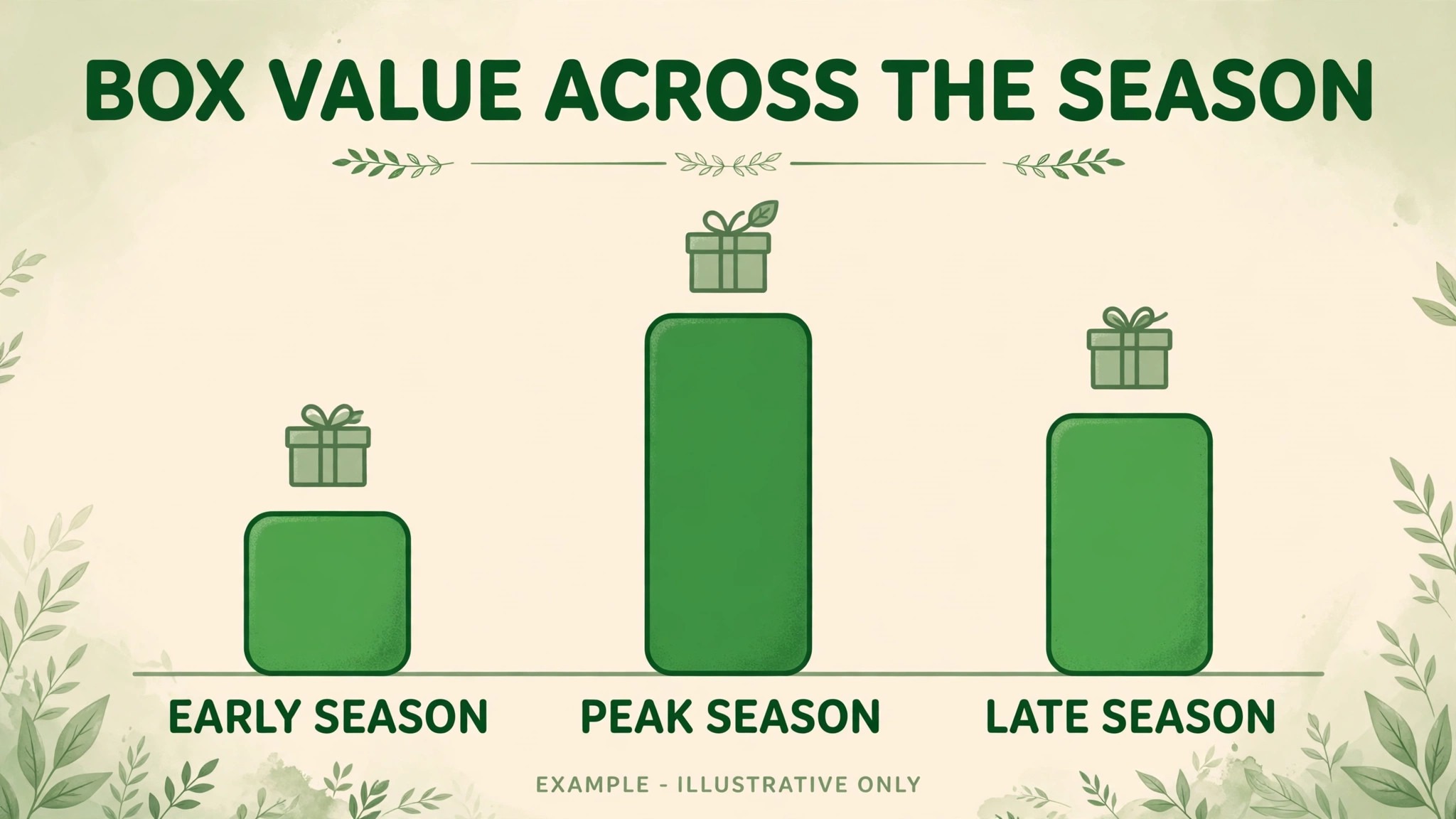
Pricing a weekly box is a marketing decision as much as a financial one, and subscribers judge value over a season, not in a single week. Track value honestly across the season, and check whether your price covers seed, labour, packaging and delivery time. If it does not, the program will collapse mid season, and that hurts subscribers more than a higher price set honestly at the start. That is a decision you make, and you use AI for farm stand weekly box marketing to present it clearly, not to invent it.
Season extension is the last pricing lever worth planning. A short spring or autumn box, a winter storage box, or a preserves box can keep subscribers connected between main seasons, and can smooth farm income. AI can help you draft the offer for those boxes from the actual crops available, and can remind past subscribers at the right time. But do not promise a winter box before you know what stores well on your farm. A winter box that arrives with poor quality stored produce damages the trust the summer box built, and trust is the product you are really selling.
Mistakes That Shrink a Box Program
The first mistake is marketing the box before the harvest plan exists. A farm that sells fifty subscriptions and then discovers it can only fill thirty boxes well will disappoint twenty people in its first season, and disappointed first season subscribers rarely return. Sell only the number of boxes your planting plan supports, with a small margin for weather loss, and keep a waitlist for the rest. A waitlist is not lost income. It is next season’s signup list, and it is far more valuable than a refund.
The second mistake is letting AI write the weekly note without farm facts. A generic note about fresh seasonal produce, repeated weekly with different crop names pasted in, reads as generic, because it is. Subscribers notice within three weeks, and the note stops being read. The fix is the rule from earlier in this guide. Every note carries one true field detail, written by you, before AI formats it. That detail is the reason the note feels like it came from a farm rather than a template.
The third mistake is overpromising choice. A farm that promises full choice, daily swaps, and custom boxes, then packs a fixed box because custom packing took too long, will face complaints that a fixed box farm never faces, because the fixed box farm never promised choice. Promise only the choice you can pack reliably, every week, including the busiest week of the season. If that is one swap, promise one swap, and deliver it well.
The fourth mistake is silence after a bad week. Weather, pests and crop failure are part of farming, and subscribers who chose a farm box usually understand that better than grocery shoppers do. What they do not forgive is silence, a short box with no explanation, a missed pickup with no message, a price change with no notice. A short honest message after a bad week protects renewals more than any marketing offer. Write it the same day, while the facts are fresh, and let AI help you phrase it plainly, not grandly.
For related reading, see cancellation policy, therapist session note summaries, local SEO strategy, setting up a waitlist and setting up a client feedback loop. Those posts cover adjacent follow-up, waitlist and feedback problems, and the same lesson applies when you use AI for farm stand weekly box marketing. Automate the routine, keep a human for the farm facts, and measure both sales and satisfaction.
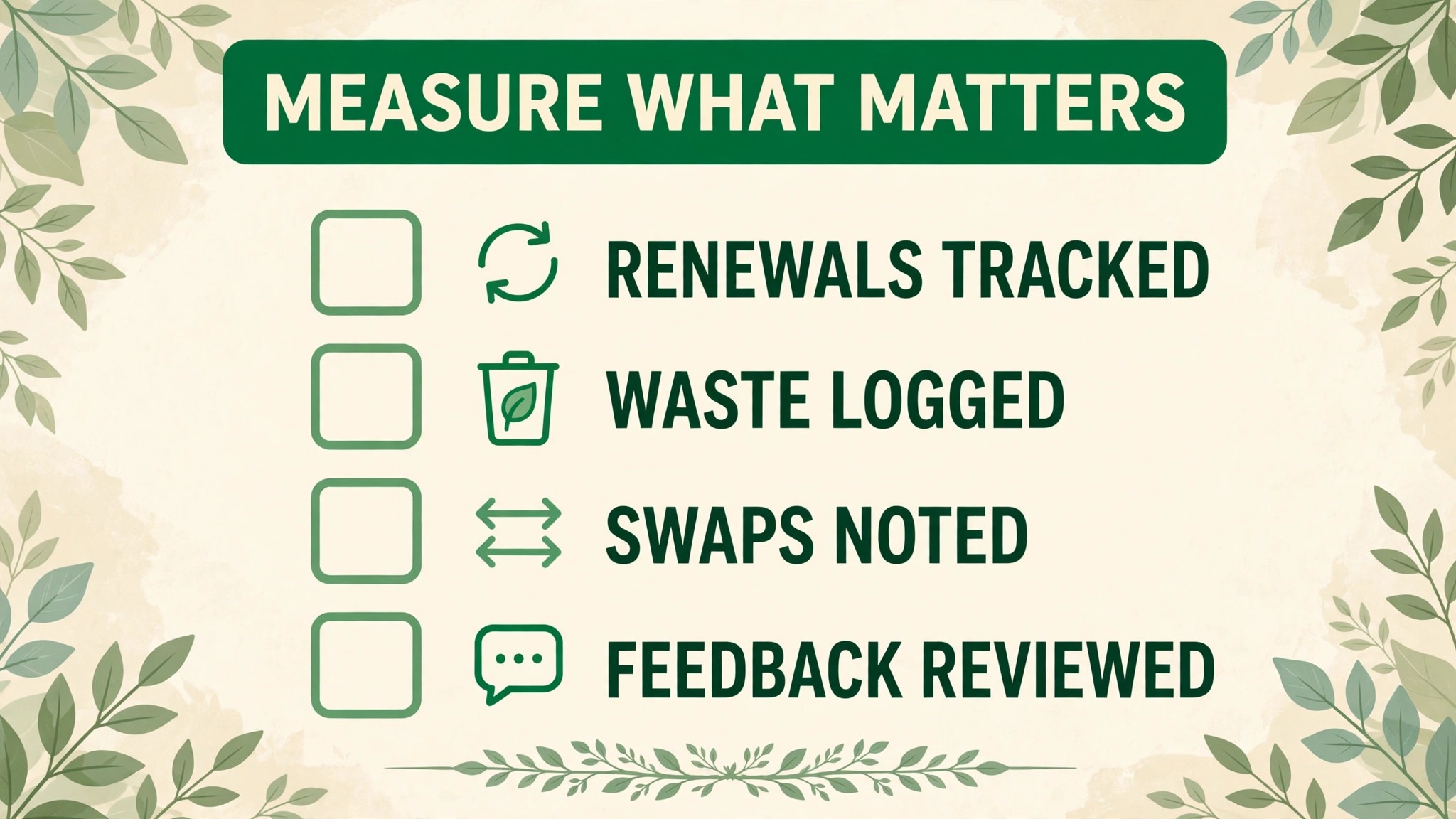
Measuring Whether the Box Program Is Working
Also track time. How long does the weekly note take to write, how long does packing take, and how long do reminder follow ups take. If AI saves an hour on the note but packing still takes four hours because the box composition changed late, the bottleneck is planning, not writing, and that is where the next improvement belongs. Time tracking feels tedious, but it is the only way to know whether a tool actually helps, rather than merely feeling modern. A tool that saves time you can measure is worth keeping. A tool that feels helpful but saves nothing should be dropped.
The Weekly Box Template
Copy this template, adapt the placeholders, and reuse it every week as you use AI for farm stand weekly box marketing. Keep the note short, keep the facts exact, and keep your own field note in the first lines before AI formats the rest. Do not add sales language to a weekly box note, and do not promise an item that is not packed.
Weekly note – subject line – Your box for pickup on [day, date]
Weekly note – opening line – One true field note from this week, in your own words, such as what ripened, what the weather did, or what you are planting next
Weekly note – box contents – List each item in packing order, with quantity, for the subscriber’s box size
Weekly note – pickup details – Pickup place, pickup window, and what to bring, such as bags or a cooler
Weekly note – storage tip – One tip for the item that spoils fastest this week
Weekly note – recipe idea – One recipe idea for the least familiar item, with cooking time and main steps in plain language
Pickup reminder – short text – Your box is ready for pickup today at [place], [window]. Please bring [bags or cooler]
Missed pickup message – short text – We missed you at pickup today. Your box is held until [time] at [place], or contact us to arrange collection
Payment reminder – short text – Your box payment of [amount] is due on [date]. Pay by [method], or reply to ask about a payment plan
Review the template each season. Check for outdated pickup places, changed prices, old swap rules and wording that no longer matches farm policy. A template that was accurate last year can quietly become wrong, and AI will happily send the wrong version every week if nobody checks it. Assign template ownership to one person, and log each change with a date, so the team knows which version is live.
Frequently Asked Questions
How many items should a weekly farm box hold?
That depends on box size, household size and season, so there is no single correct number. As a guide, a small box for one or two people often holds roughly six to eight items, and a regular household box often holds roughly eight to twelve items, with quantities varying by crop and week. Publish your own range at signup, based on your harvest plan, and keep the range honest in light weeks. Subscribers judge a box over a season, not by counting items in a single week, but they do notice when a box is consistently below the published range.
How do you use AI for farm stand weekly box marketing without sounding generic?
Start every AI draft with your own farm facts, a real harvest list, a real field note, and real pickup details, and ask the tool to format those facts, not to invent them. Train it on two or three of your own past notes that subscribers liked, and keep each weekly note short enough to read in two minutes. Review every draft once before sending, and reject any draft that could have been written by any farm in any county. That single test keeps the farm voice in front and the machine work behind it.
Should subscribers be allowed to swap items?
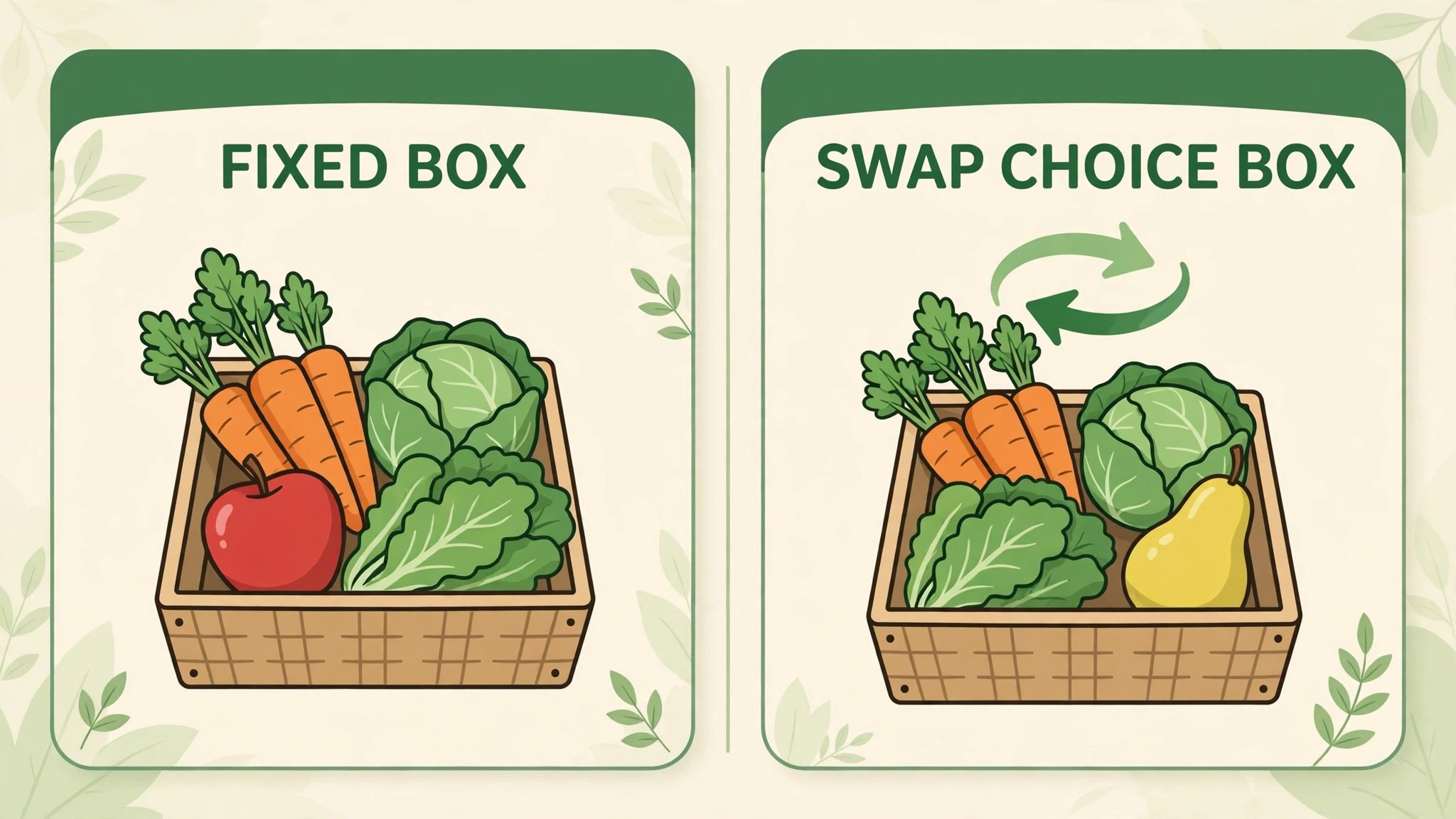
Swaps raise satisfaction but add packing work, so the right answer depends on your labour. A fixed box is simplest and teaches seasonal cooking. One or two swaps from a short surplus list is a workable middle path for many farms. Full choice is only workable if you have the packing time and a system to track choices every week. Whatever you choose, write the rule before the season, keep it stable, and promise only the choice you can deliver in your busiest week.
What should you do when a crop fails mid season?
Tell subscribers promptly, explain the substitution in plain language, and pack the substitute crop at a usable quantity. A short honest note about weather or pests protects trust, while silence about a short box damages it. Keep a substitute list for each part of the season, so a failed crop becomes a planned swap rather than a panic. At season end, review which crops failed repeatedly, and adjust next year’s planting plan rather than repeating the same risk.
How many reminders should box subscribers receive each week?
Most box programs work well with three messages at most. The weekly note the day before pickup, a short pickup day reminder, and one extra message only when something actually changed. Payment reminders are separate, private, and sent to the individual subscriber. More messages than that usually cause subscribers to tune out, which means the important reminder gets ignored along with the rest. Keep reminders short, and send them through the channel each subscriber actually reads.
When should you send the weekly box note?
Send it the day before pickup, so subscribers can plan meals and arrange collection. A note sent on pickup morning often arrives too late for meal planning, and a note sent three days early is often forgotten by pickup day. If your pickup window is in the morning, consider sending the note the previous evening. Test both timings with your own list, and keep the timing that gives the fewest uncollected boxes and the fewest confused messages.
A Plain Verdict for Farm Stand Owners
A weekly box program rewards farms that plan before harvest, communicate before pickup, and follow up after pickup, and it punishes farms that improvise all three. AI fits that rhythm well, because it drafts, sorts and reminds, while you grow, judge ripeness, and talk to subscribers. Use it for the weekly note, the box composition draft, the swap list and the reminders, and keep the farm facts, the pricing decisions and the bad week messages in human hands. Farms that do that, and that choose to use AI for farm stand weekly box marketing as a helper rather than a voice, will usually keep more subscribers, waste less produce, and spend less of harvest night staring at a blank email.