
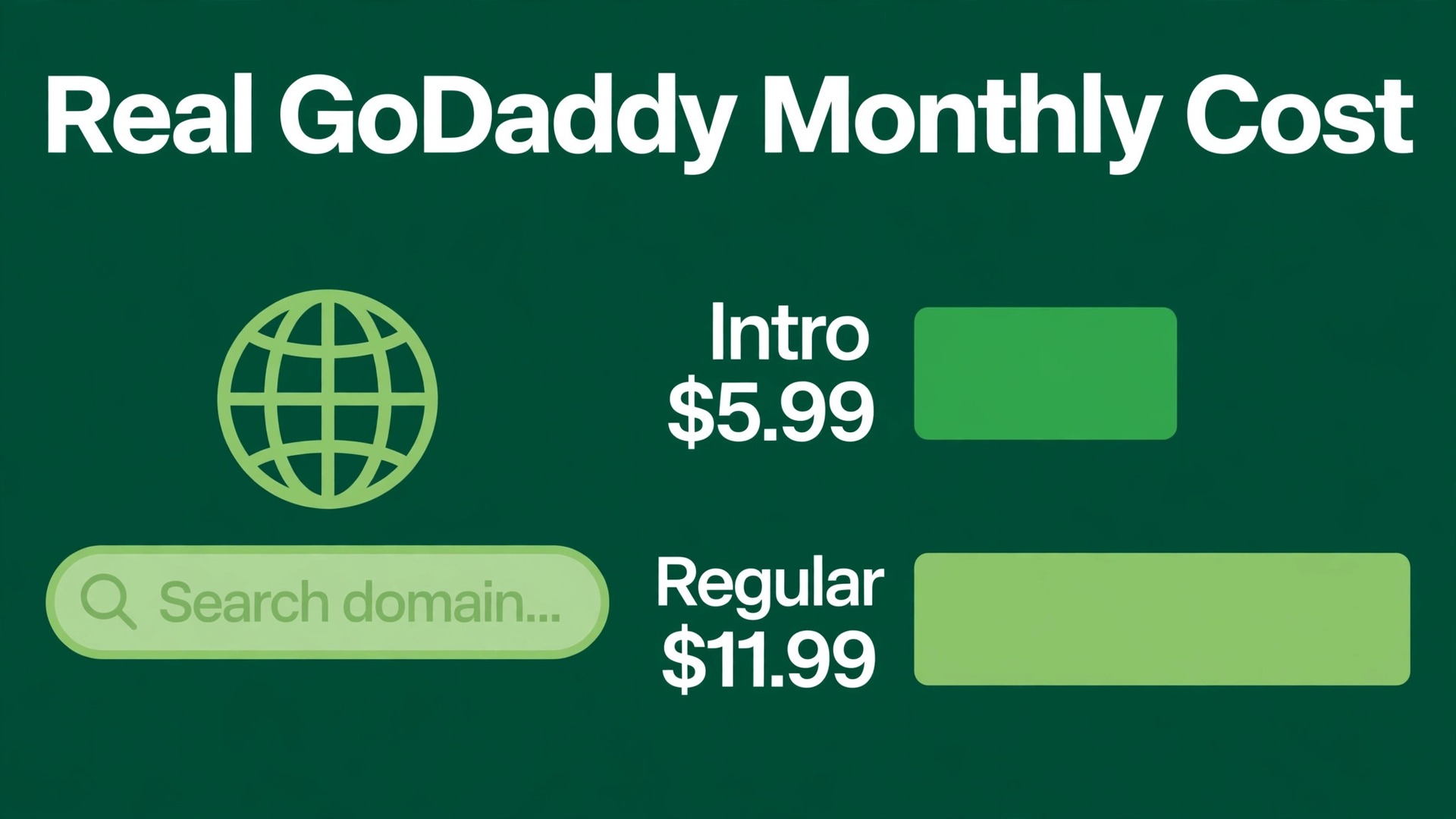
Many small businesses choose GoDaddy because the domain and the hosting can be bought in one place, then discover that the cheap first term and the expensive renewal are two different budgets. The problem is not that GoDaddy hides the renewal price, because the regular price sits beside the introductory price on the pricing page. The problem is that buyers compare the introductory figure against rivals, forget the regular figure, and then face a renewal bill two or three times larger. This guide works through the cost of GoDaddy for small business monthly with both figures in view, so the decision is made on the full cost.
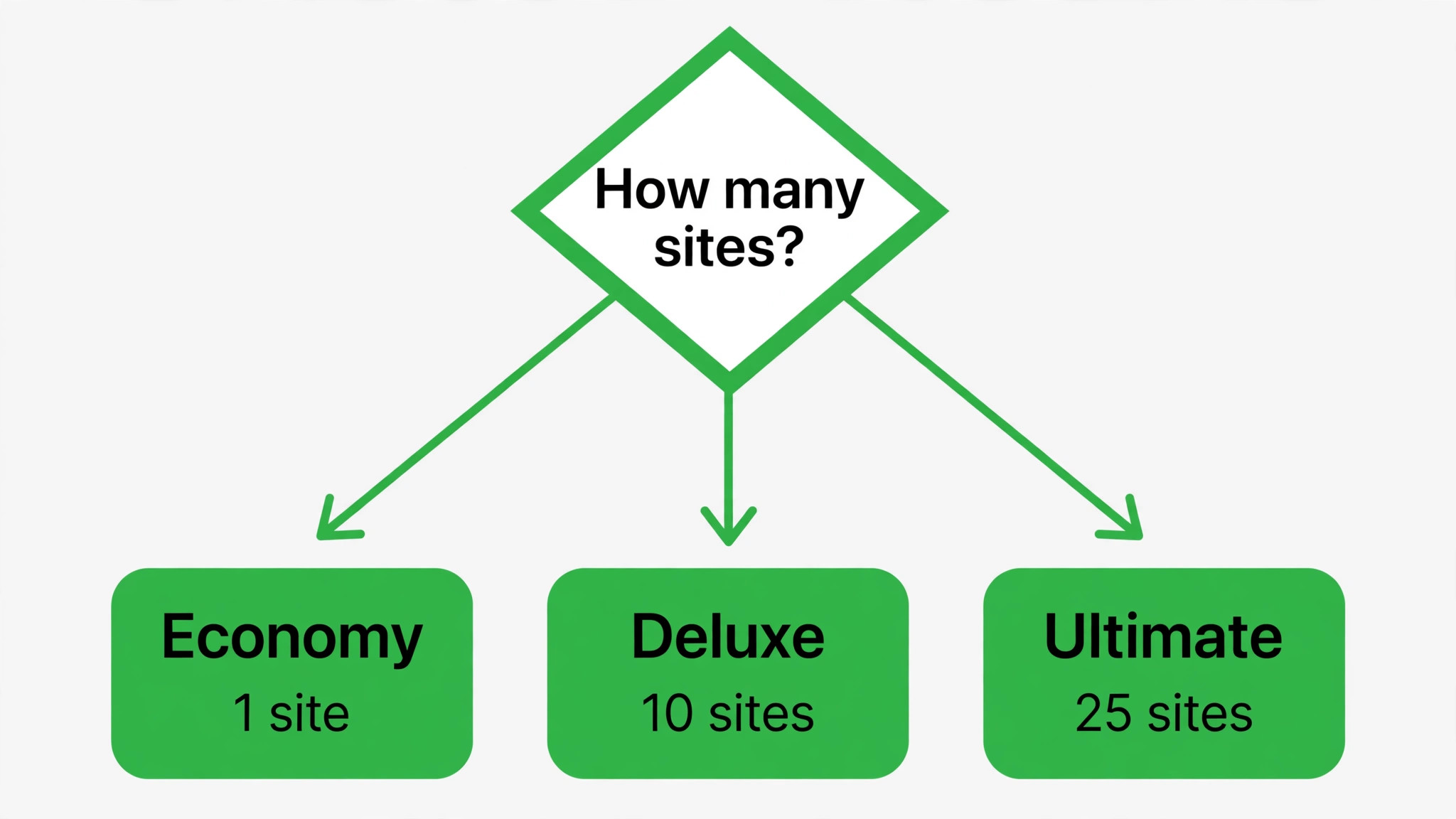
GoDaddy is best known as a domain registrar, but its shared web hosting plans, called Economy, Deluxe and Ultimate, cover the classic small business need, which is a WordPress or HTML site with email, SSL and a control panel. The plans use cPanel, which many site owners already know, and they bundle a free domain for the first year. That bundle is convenient, but convenience should not hide the renewal maths.
Term length drives the GoDaddy price just as it drives other hosts. The introductory figures in this guide assume a 36 month term, which is three years paid up front, and shorter terms cost more per month. A firm that wants monthly billing will pay far more than the headline figure, and a firm that compares a 36 month GoDaddy price against a monthly rival price is not comparing like with like.
Regional prices also differ, and GoDaddy shows different plans and prices by country. The figures in this guide are United States prices checked in October 2026, before tax, and a reader in another country should read the local GoDaddy store before budgeting. A price quoted in rupees or pounds is not a conversion of the dollar price, because the plan structure itself can differ.
How to budget cost of GoDaddy for small business monthly
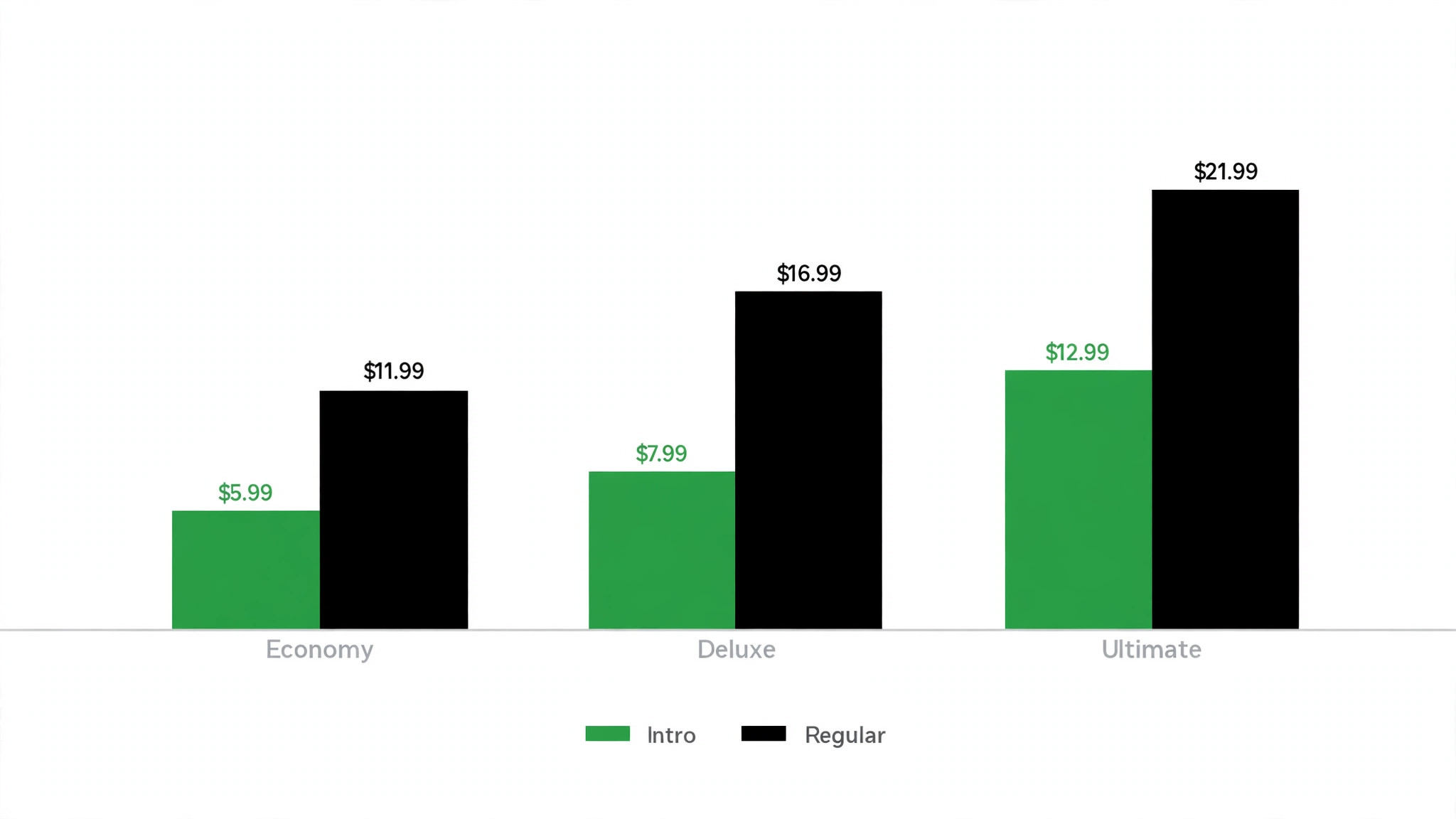
The table below shows the three shared hosting tiers, with introductory prices on a 36 month term and the regular prices shown beside them on the pricing page. Treat the regular price as the renewal guide, while noting that checkout renewal figures reported by some reviewers differ, so the final renewal figure should be confirmed in the account before renewal. The cost of GoDaddy for small business monthly is the pair of figures together, not either figure alone.
| Tier | Monthly price | What it includes | Best for |
|---|---|---|---|
| Economy | $5.99 per month on a 36 month introductory term ($215.64 for the term), regular price $11.99 per month | 1 website, 25 GB NVMe storage, cPanel, free domain for the first year, free email, free SSL for the first year | A single small business site or blog |
| Deluxe | $7.99 per month on a 36 month introductory term, regular price $16.99 per month | 10 websites, 50 GB NVMe storage, cPanel, free domain for the first year, free email, free unlimited SSL | A firm with several sites that needs unlimited SSL |
| Ultimate | $12.99 per month on a 36 month introductory term, regular price $21.99 per month | 25 websites, 75 GB NVMe storage, cPanel, free domain for the first year, free email, free unlimited SSL, extra processing power | A growing firm that needs headroom and faster processing |
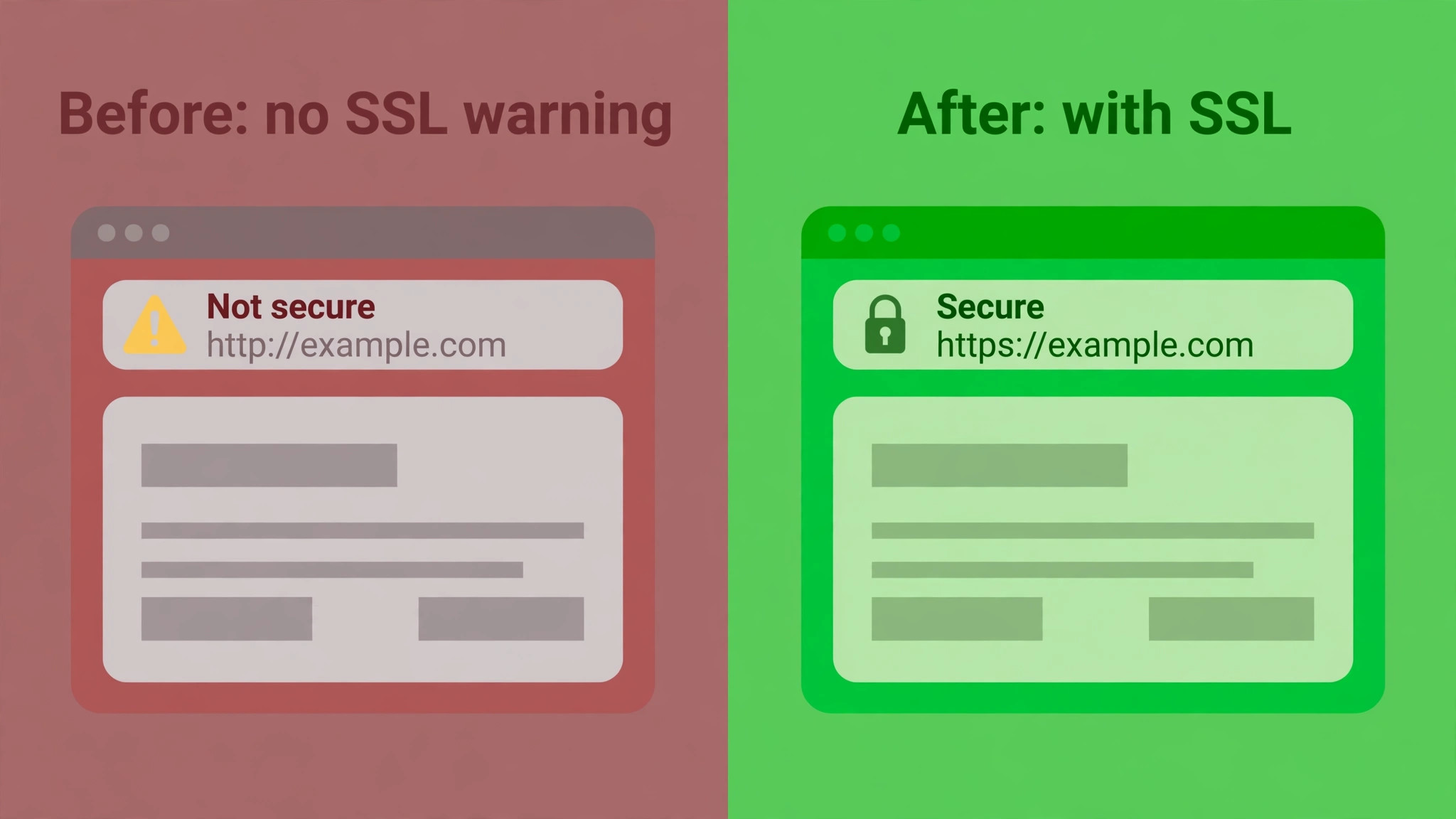
Economy is the cheapest entry point, but its SSL limit is the detail that matters most. Economy includes free SSL for one year only, while Deluxe and Ultimate include free unlimited SSL for all websites. A firm on Economy must check SSL before the first year ends, because a paid SSL certificate from year two can cost a large yearly fee on top of hosting, and an expired SSL will warn visitors away from the site.
Deluxe is the natural step for a firm with more than one site, because it raises the limit from one website to ten and from 25 GB to 50 GB, while also fixing the SSL problem. The introductory gap against Economy is only $2 a month, but the regular price gap is $5 a month, so the upgrade should be justified by site count or SSL need rather than by the small introductory difference.
Ultimate adds processing power and headroom rather than a new feature set. Twice the processing power of the lower tiers helps a busier site or a site with heavier plugins, and 25 websites cover a portfolio of small sites. A firm with one quiet site gains little from Ultimate, while a firm with a growing store or several active sites will notice the headroom when traffic rises.
WordPress hosting is a separate GoDaddy product line with its own tier names, starting with Basic, and its prices differ from shared hosting. A firm that wants managed WordPress features, staging and WordPress specific support should compare that product line separately, rather than assuming the shared hosting tiers and the WordPress tiers are the same. This guide covers shared hosting, because Economy, Deluxe and Ultimate are the tiers named in the shortlist.
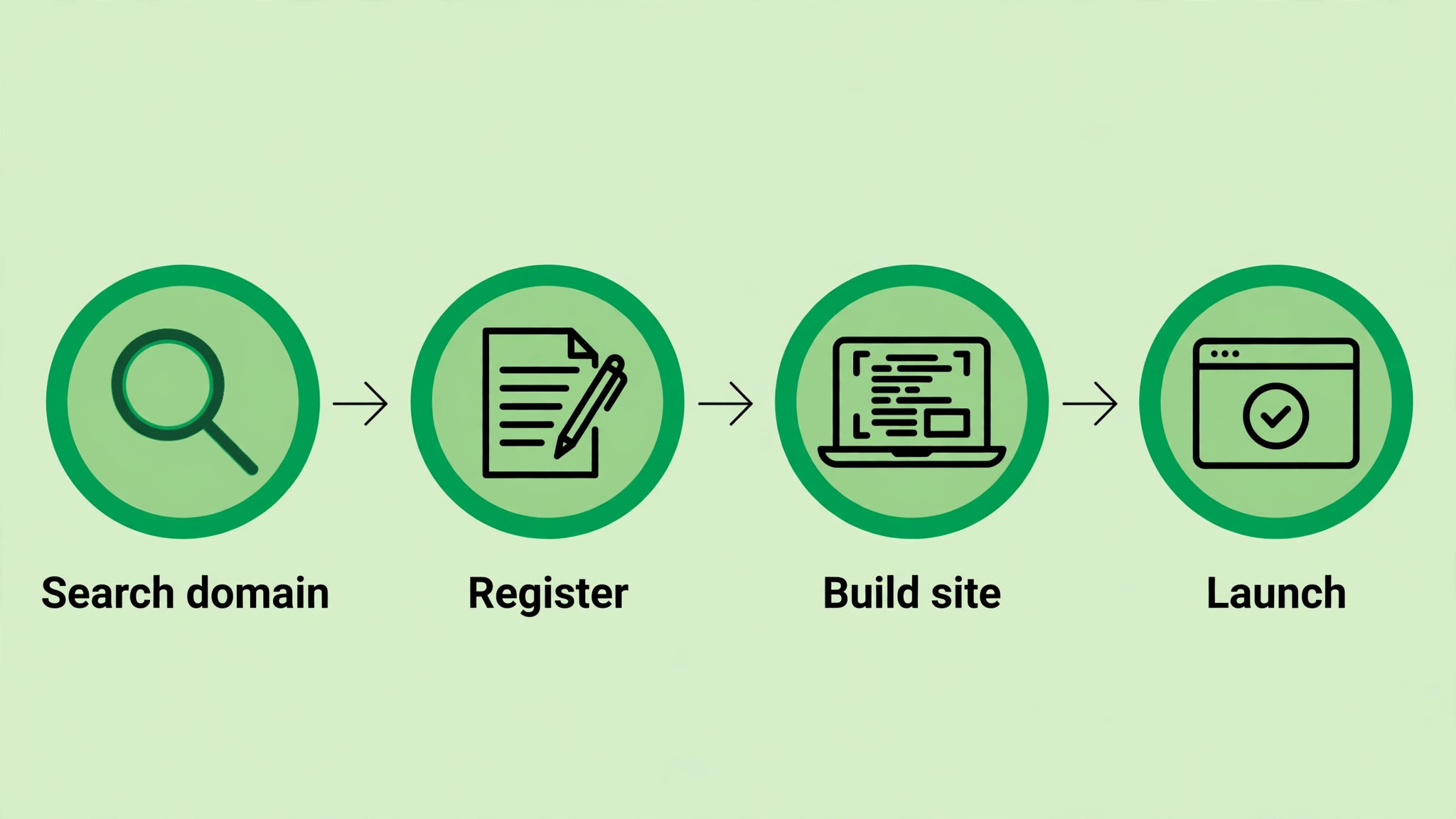
The hidden costs on GoDaddy are mostly renewal and add-on costs, and they arrive in the same month if the buyer is not careful. Work through this checklist before buying, because the cost of GoDaddy for small business monthly over three years includes more than the hosting term total, and the second term is where the real cost sits.
– Renewal pricing. Economy renews toward its regular price of $11.99 per month, Deluxe toward $16.99, and Ultimate toward $21.99, on the pricing page figures checked in October 2026. Some checkout reports show higher renewal totals, so confirm the account renewal figure before the term ends. – SSL fees. Economy includes SSL for one year only, so a paid certificate may be needed from year two. Deluxe and Ultimate include unlimited SSL, which removes that fee for their sites. – Email add-ons. Email is included on the shared plans, but larger mailboxes, extra email products or a separate professional email plan can add monthly cost for a growing team. – Domain renewals. The free domain covers the first year only, and domain renewal from year two is a separate yearly charge. Additional domains for brand protection each renew yearly as well. – Security and backup add-ons. Website security, malware removal and backup products may be sold separately from hosting, and a firm that needs them should price them at purchase time rather than after an incident. – Term commitment. The lowest monthly figure needs 36 months paid up front. A shorter term costs more per month, and an early exit can leave prepaid balance unused.
SSL on Economy deserves a second look, because it is the most expensive surprise in the range. Reviewers in October 2026 reported an SSL renewal figure of $119.99 a year for Economy, which is almost as much as a year of Economy hosting at its regular price. Even if the exact figure varies by promotion and region, the principle stands. A free first year SSL is not a permanent SSL, and the year two cost belongs in the budget from day one.
Email add-ons are a quieter cost. A small team will manage on the included email, but a growing firm that wants larger mailboxes, archiving or a separate email platform will pay extra. The right comparison is not hosting against hosting, but hosting plus email against hosting plus email, because a host that looks cheaper can become dearer once email is added.
What the GoDaddy price buys
What the price buys is familiar shared hosting with cPanel, a domain bundle and a large support operation. A firm that already knows cPanel will feel at home, and a firm that buys its domain from GoDaddy can manage domain and hosting in one account. That single account convenience saves time on renewals, DNS changes and support calls, especially for owners who manage the site themselves.
It also buys a 30 day money back guarantee on the shared plans, which gives a short window to test the host on a real site. A firm should use that window to migrate a copy, test speed and email, and confirm that plugins work, rather than leaving the test until after the guarantee expires. A host test that happens in the first month is free to reverse, while the same test in month four is not. Performance is adequate for a typical small business site, with NVMe storage across the tiers and a content delivery network available in the platform.
A brochure site, a blog and a small shop will run well, while a busy store or a site with heavy traffic may need the Ultimate tier or a higher resource product. Performance should be judged on the live site with real plugins, not on a blank test page.
Support is available around the clock by phone and chat, which suits owners who work outside office hours or who prefer to talk through a problem. Phone support is a real differentiator for firms whose owners are not technical, because a broken site feels less frightening when a person can walk through the fix. A firm that values phone support should weigh it against a cheaper host that offers chat only.
The domain and hosting bundle also simplifies DNS. When the domain and the hosting live with one provider, nameserver changes and DNS records are managed in one place, and a common source of site downtime, which is a DNS record pointing at the wrong host, becomes less likely. That simplicity is worth something, even if it does not appear as a line on the invoice.
A worked total across the first term and renewal
Take a firm on Economy for a single site. The first 36 months cost $215.64 at $5.99 a month. If the firm renews for a further 12 months at the regular price of $11.99 a month, that year costs $143.88, which is two thirds of the entire first three years. Add a paid SSL from year two, and the year two total rises further, which is why Economy needs a full cost view rather than a headline view.
Take a firm on Deluxe for several sites. The first 36 months at $7.99 a month cost $287.64. A further 12 months at $16.99 a month costs $203.88, which is more than two thirds of the first term. Ultimate at $12.99 a month for 36 months costs $467.64, and a further year at $21.99 a month costs $263.88. In each case the renewal year is a large fraction of the first term, because the introductory discount is deep and the term is long.
Compare those totals against a host with a smaller introductory discount but a lower renewal rate, and the ranking can flip over six years. A host that charges $10 a month from the start costs $720 over six years, while Economy at $5.99 for three years then $11.99 for three years costs $647.52, so Economy still wins on that comparison before SSL and domain costs. The lesson is to compare six year totals, including SSL and domains, rather than first term totals alone.
When GoDaddy is worth it and when it is not
GoDaddy is worth it when the firm wants domain and hosting in one place, values phone support, and can commit to a three year term. A new business that registers a domain, builds a site and wants one account for both will find the bundle convenient, and the introductory term gives good value for a single site. In that shape the cost of GoDaddy for small business monthly is competitive, even after renewal is counted.
It is also worth it when the firm already uses GoDaddy for domains and wants to avoid DNS complexity. Keeping domain and hosting together removes a layer of configuration that causes downtime for many small firms, and that reliability has value beyond the monthly figure. A firm that has suffered a DNS outage will understand that value immediately. GoDaddy is not worth it when the firm wants the lowest long term hosting cost above all else. Rival hosts with lower renewal rates can beat GoDaddy over six years, especially on Economy once SSL from year two is counted. A firm that is price sensitive over the long term should compare renewal totals, not introductory totals, before choosing.
It is also a poor fit when the firm needs only hosting and already owns domains elsewhere, or when the site is a busy store that needs more resources. In the first case the bundle convenience is wasted, and in the second case shared hosting may struggle regardless of tier. Both firms should compare specialist hosts before defaulting to the best known name.
How to cut the GoDaddy bill
Cutting the bill starts with the SSL decision. A firm on Economy should either upgrade to Deluxe for unlimited SSL or plan for a paid certificate from year two, and should price both options before the first year ends. The cost of GoDaddy for small business monthly is lower when SSL is planned, because an expired certificate costs visitors and trust as well as money, and a rushed renewal is rarely the cheapest renewal.
Choose the lowest tier that covers site count and storage. A firm with one site does not need Deluxe for ten sites, and a firm with three sites does not need Ultimate for twenty five. The introductory gaps are small, but the renewal gaps are $5 and $5 a month between tiers, which is $60 a year per step, and that adds up over a second term. Keep domains lean and renewals diarised. Register the main domain and the variants that matter, let unused variants lapse, and set a calendar reminder a month before each renewal. A firm that reviews domains yearly will drop the ones that never receive traffic, and will avoid paying for brand protection that protects nothing.
Avoid add-ons that duplicate included features. Security, backup and email products sold at checkout may duplicate tools the firm already owns or features the plan already includes. Read each add-on, note what it does that the base plan does not, and decline the ones that add no new protection. Checkout add-ons are where many hosting bills grow without the buyer noticing.
Finally, shop around before renewal and use the renewal figure as a bargaining point. A firm that can show a rival quote at renewal time, with a comparable tier and a lower renewal rate, has a stronger conversation than a firm that simply complains about the price. Even if the firm stays with GoDaddy, the comparison may reveal a tier change or a bundle that fits better.

What to check on the pricing page before you pay
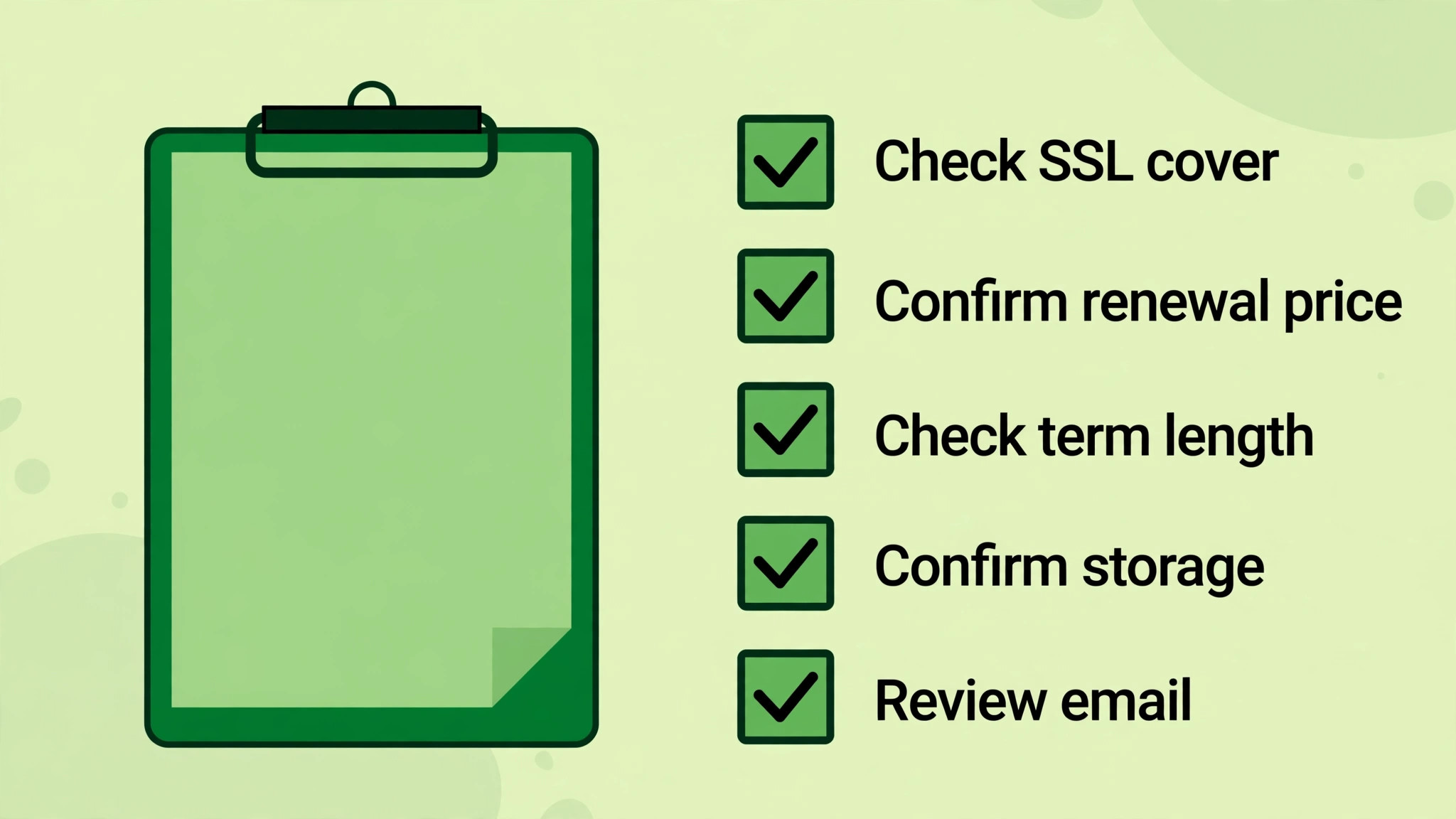
Confirm the term behind the headline price, because $5.99, $7.99 and $12.99 assume 36 months paid up front. Read the total for the term, not just the monthly figure, and compare that total against the regular price total for the same term. Economy at $215.64 for three years against $431.64 at the regular price shows the size of the discount, and that size is what makes renewal feel steep. A buyer who sees both totals at purchase time will not be surprised later, and the cost of GoDaddy for small business monthly will be a planned cost rather than a shock.
Confirm the SSL terms for the tier, especially on Economy. Economy includes SSL for one year only, while Deluxe and Ultimate include unlimited SSL, and that difference can change the year two budget by a large amount. Write the SSL renewal date beside the hosting renewal date, and check the certificate before it expires, because an expired certificate warns visitors away.
Confirm the website and storage limits, because Economy allows one website and 25 GB, Deluxe allows ten websites and 50 GB, and Ultimate allows twenty five websites and 75 GB on the figures checked in October 2026. A firm that plans a second site or a larger media library should buy the tier that covers that plan, rather than discovering the limit after the site is built.
Confirm the renewal figure in the account, not just on the pricing page, because some checkout reports in October 2026 showed renewal totals higher than the struck regular prices. The account renewal figure is the figure that will actually be charged, so it should be the figure in the budget. If the account figure differs from the pricing page, ask support to explain the difference before the term ends.
Check tax at checkout, because published monthly figures exclude tax. The checkout total, including tax, is the budget figure, and the difference over a 36 month term is material. Record the checkout total and the renewal total together, so the yearly website budget shows both the first term and the ongoing cost in one place.
Managing domains and email alongside hosting
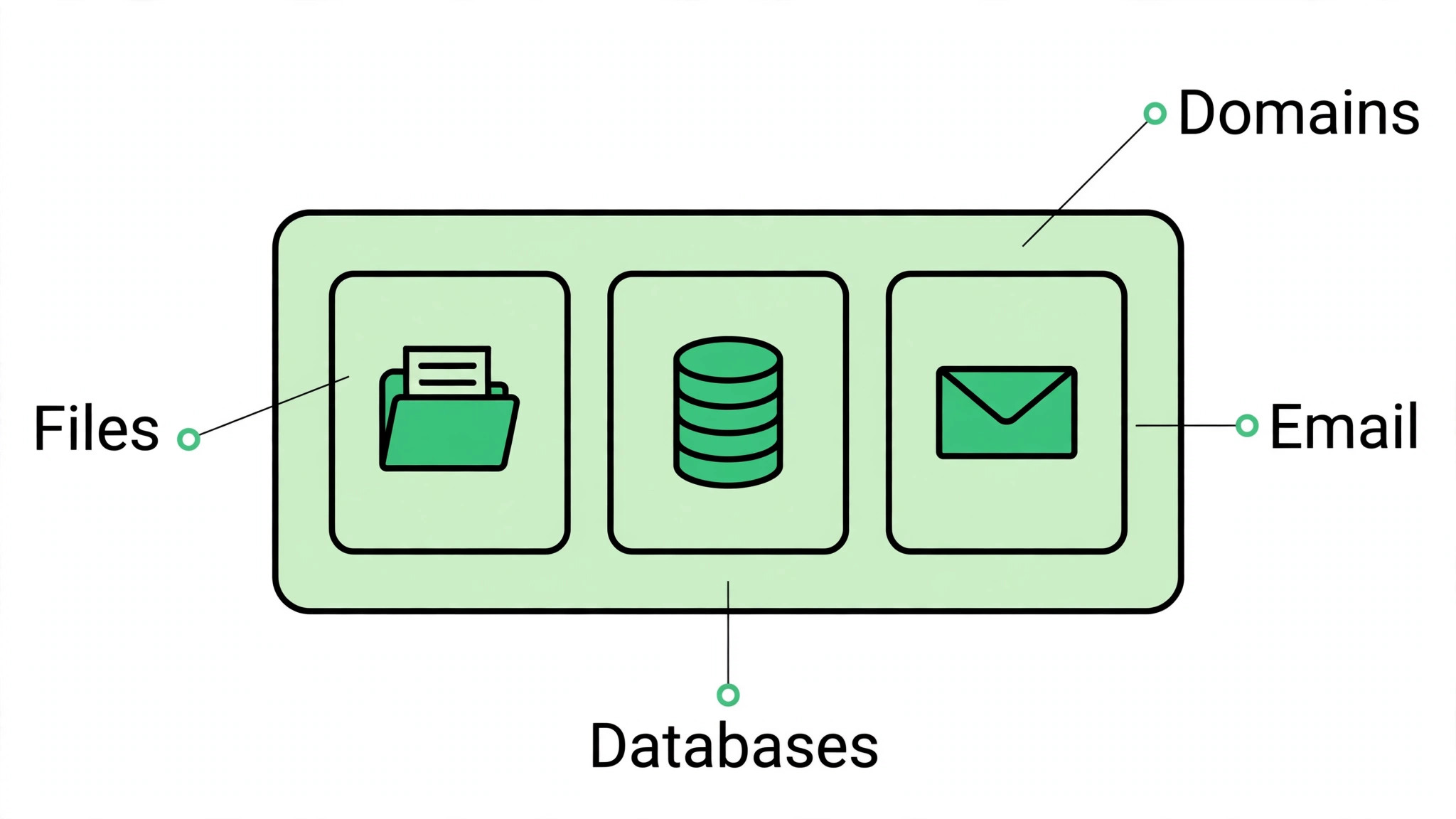
Domains and email are often bought with hosting and then forgotten until renewal, which is when problems appear. Keep a single record of every domain, its registrar, its renewal date and its nameservers, and a separate record of every mailbox, its owner and its storage use. That record takes an hour to build and saves days of confusion when a renewal or a staff change arrives.
Email deliverability deserves attention, because a domain that sends marketing mail without proper authentication can land in spam. Check that the domain has the standard authentication records set correctly, and that marketing mail goes through a proper email service rather than the hosting server alone. A firm that depends on email for quotes and orders cannot afford to have its mail treated as spam.
Domain privacy and contact details should be checked yearly. An outdated admin email on a domain can block a transfer or a renewal confirmation, and a lapsed domain can be lost to another buyer. Confirm that the contact email is monitored, that auto renewal is set deliberately rather than by accident, and that the firm, not an ex contractor, owns the domain account.
Subdomains are a useful way to separate functions without buying new domains. A shop, a booking page or a client portal can live on a subdomain of the main domain, keeping branding consistent while allowing different tools to run each part. Plan subdomains early, because a clean structure is easier to maintain than a tangle of separate domains bought over years.
Email storage grows quietly, and a mailbox that fills up will bounce new mail without warning the sender clearly. Review mailbox sizes yearly, archive old mail, and consider a separate email service if the team grows beyond the included mailboxes. A bounced quote request is a lost sale that never appears in any report, which makes mailbox hygiene a revenue task, not an IT chore.
Finally, keep hosting, domain and email renewals on one calendar with reminders a month ahead. Renewals that cluster in one month can strain cash flow, while renewals spread across the year are easier to absorb. A single calendar view also reveals duplicate services, such as two email products or two security add-ons, that can be cancelled at the next renewal.
One more domain habit is worth adopting, which is to keep domain and hosting logins in a business password manager rather than with one person. If the person who bought the domain leaves, the firm should still control its domain, and a shared vault prevents a frantic password reset at renewal time.
A hosting decision should also consider who will manage the site in two years, not just who manages it today. If the owner manages the site now but plans to hire a manager or an agency later, the host, the panel and the login records should be documented so the handover is smooth. A host chosen only for today owner familiarity can become a burden when a new person inherits an undocumented account, and documentation written today prevents that future cost.
Keep a one page hosting record for the business, listing the host, the tier, the term end date, the renewal price and the domain dates. A single page, updated at each renewal, prevents the most common hosting surprise, which is a renewal that nobody remembered and nobody budgeted for.
Frequently Asked Questions
How much is GoDaddy Economy hosting?
Economy costs $5.99 per month on a 36 month introductory term, which is $215.64 for the term, with a regular price of $11.99 per month. It covers one website with 25 GB of NVMe storage, a free domain for the first year, free email, and free SSL for the first year only.
What is the difference between Deluxe and Ultimate?
Deluxe costs $7.99 per month introductory with a regular price of $16.99, covering ten websites and 50 GB. Ultimate costs $12.99 introductory with a regular price of $21.99, covering twenty five websites and 75 GB with extra processing power. Both include unlimited SSL, while Economy includes SSL for one year only.
Does GoDaddy hosting include a free domain?
Yes, for the first year on Economy, Deluxe and Ultimate. From year two the domain renews at the standard domain price, which is a separate yearly charge. Additional domains registered for brand protection each renew yearly as well.
Why is GoDaddy renewal so expensive?
Renewal is expensive because the introductory price is a deep discount on a long term, while renewal moves toward the regular price. Economy moves from $5.99 to a regular $11.99, Deluxe from $7.99 to $16.99, and Ultimate from $12.99 to $21.99. Some checkout reports show even higher renewal totals, so confirm the account figure before renewal.
Does Economy include SSL forever?
No. Economy includes free SSL for one year only. From year two a paid certificate may be needed, and reviewers in October 2026 reported a figure around $119.99 a year, though the exact figure varies. Deluxe and Ultimate include unlimited SSL, which avoids that fee.
Is GoDaddy good for WordPress?
GoDaddy shared hosting can run WordPress, and GoDaddy also sells a separate WordPress hosting product line with managed features. A simple WordPress site will run well on shared hosting, while a busy or complex WordPress site may benefit from the WordPress specific product or a higher resource tier.
Can I pay monthly for GoDaddy hosting?
Monthly billing is available at a much higher monthly rate than the 36 month introductory figures, and the exact monthly figure should be read at checkout. A firm that wants flexibility should compare the monthly total over a year against the 36 month total, because the flexibility premium is large.
Should I buy add-ons at checkout?
Only add-ons that provide a feature the base plan lacks are worth buying. Security, backup and email add-ons can duplicate included features or tools the firm already owns, so read each add-on before accepting it. Declining an unneeded add-on at checkout is easier than cancelling it later.
Verdict
For a single site, Economy at $5.99 a month for three years is a fair entry point, provided the firm plans for SSL from year two and budgets the $11.99 regular price at renewal. For several sites, Deluxe at $7.99 a month is the better buy, because unlimited SSL and ten websites remove the two limits that make Economy expensive later. The cost of GoDaddy for small business monthly that should drive the decision is the six year total, including SSL and domains, not the first term headline.
Buy GoDaddy when domain and hosting in one place, cPanel familiarity and phone support matter to you, and when a three year commitment is comfortable. Otherwise, compare renewal totals against rival hosts before committing, because the cheapest first term is not always the cheapest long term home for a small business site.
More Reading on Stratilyze
– Switch WordPress to Squarespace for Small Business – Fix WordPress Plugin Conflict for Small Business – Switch Shopify to Squarespace for a Small Store – How to Choose a Payment Processor for Small Business – Cost of HoneyBook for Small Business, Monthly