
Your customer list is quietly shrinking, and the customers who left are not sending a farewell message. They simply stop booking, stop ordering, or stop replying, and your revenue falls a little each month while you spend more chasing strangers who have never heard of you. That is the problem at the centre of how to win back lost customers small business owners face, and it is solvable, because a former customer already knows your work, your location, and your service. Winning them back is usually cheaper and faster than winning a brand new customer, provided you contact the right people, for the right reason, with an offer that fits why they left.
Most businesses lose customers every year, and the reasons are rarely dramatic. Some customers move away, some close their own business, and some simply drift to a competitor who reminded them at the right moment. Others leave after one poor experience, a price change, or a period when nobody contacted them at all.
Guides on retention often cite the familiar claim that selling to an existing customer is far more likely than selling to a new one, with figures of 60 to 70 percent for existing customers against 5 to 20 percent for new ones. Those figures are widely repeated in vendor guides rather than traced to a single public study, so treat them as a useful rule of thumb and confirm the source on the vendor page before using them in your own marketing. The direction is still clear. Former customers are a warm audience, not a cold one.
This guide gives you a practical win back system. You will audit your lapsed customers, sort them by why they left and how recently they left, build offer tiers that match each group, run a short outreach sequence that respects a no, and measure what actually returned. You will also learn when not to chase a customer, because some departures are final and chasing them wastes time and goodwill. The goal is not to win back everyone. It is to win back the customers who are most likely to return and most valuable when they do.
How to Win Back Lost Customers Small Business Owners Can Audit First
A win back campaign that emails everyone who ever bought from you will fail, because it treats a customer who moved away the same as a customer who left after a bad visit. That sorting step is where how to win back lost customers small business plans succeed or fail. Start with an audit. Pull your customer list, mark the last purchase or visit date for each person, and sort the list into groups by time and by reason. That sorting is the work that makes every later message relevant.

Define lapsed for your business
Lapsed does not mean the same thing for every business. A coffee shop customer who has not visited for three weeks may be lapsed, while a solicitor client who buys once a year is not. Set a lapsed window that fits your normal buying cycle. For weekly services, 60 days without a visit is a useful starting point. For monthly services, 90 days works well. For seasonal or annual purchases, use twice the normal cycle. Write the rule down, so the audit can be repeated each quarter without argument about who counts.
Also separate customers who cancelled from customers who simply drifted. A cancelled subscription or membership is a clear signal with a reason to explore. A drifted customer may have no complaint at all, only a busy life and no reminder. A customer who left after a complaint needs a different first message from a customer who never complained. Tag each lapsed customer with the best reason you have, and mark unknowns as unknown rather than guessing. Guessed reasons lead to wrong offers, and wrong offers lead to unsubscribes.
Sort by value and by likelihood of return
Not every lapsed customer is worth the same effort. Rank the list by past value, using total spend, visit frequency, and how long the customer stayed before lapsing. A customer who visited monthly for two years and stopped three months ago is a far better prospect than a customer who visited once two years ago. Focus personal outreach, such as a phone call or a handwritten note, on the high value group. Use email for the wider group, where the cost per contact is low.
Then rank by likelihood of return. Customers who left for a fixable reason, such as price, timing, or a service gap you have now closed, are strong prospects. Customers who left because they moved, closed their business, or found a service you do not offer are weak prospects, and a single polite message is enough. Customers who left angry need a service recovery message before any offer, and only if the underlying problem is truly fixed. A short list of strong prospects, worked well, will beat a long list worked carelessly. That focus is a practical rule for how to win back lost customers small business owners can apply in any quarter.
The Win Back Offer Tiers
An offer that is the same for everyone will feel generic, and generic offers are easy to ignore. Build three tiers that match the groups from your audit, and keep each tier simple enough to explain in one sentence. The tier should answer the reason the customer left, not merely bribe them with a discount they did not ask for.
Tier 1 is for high value customers who drifted or left for a soft reason. Offer a personal welcome back, such as a priority booking, a free upgrade on the next visit, or early access to a new service. No deep discount is needed, because these customers already liked your work and mainly need a reminder and a reason to return soon. A personal message from the owner works better here than a mass coupon, because it signals that the customer was noticed and missed.
Tier 2 is for customers who left over price or a missing feature. Offer a clear, time limited change that addresses the reason, such as a lower entry service, a bundle that fits their budget, or a new option you have added since they left. State the change plainly and give a deadline, so the offer feels like a genuine update rather than a permanent price cut. If you discount, give a reason, such as a welcome back rate for returning customers, and set a clear end date.
Tier 3 is for customers who left after a poor experience. Offer a service recovery first, not a discount. Apologise for the specific problem, explain what changed, and offer a free or heavily supported return visit with a named person looking after them. If the problem was a late delivery, offer a guaranteed time window. If it was a quality fault, offer a rework with a senior staff member. A discount offered before an apology reads as an attempt to buy silence, while an apology followed by a fix reads as respect.
Keep every offer honest and deliverable. A welcome back offer that cannot be booked, a priority slot that is never available, or a new feature that does not exist will turn a returning customer into a lost customer for good. Check availability, staff capacity, and stock before the campaign launches, and cap each offer so a strong response does not overwhelm the team. A win back campaign that creates long waits will undo its own work.
The Outreach Sequence That Respects a No
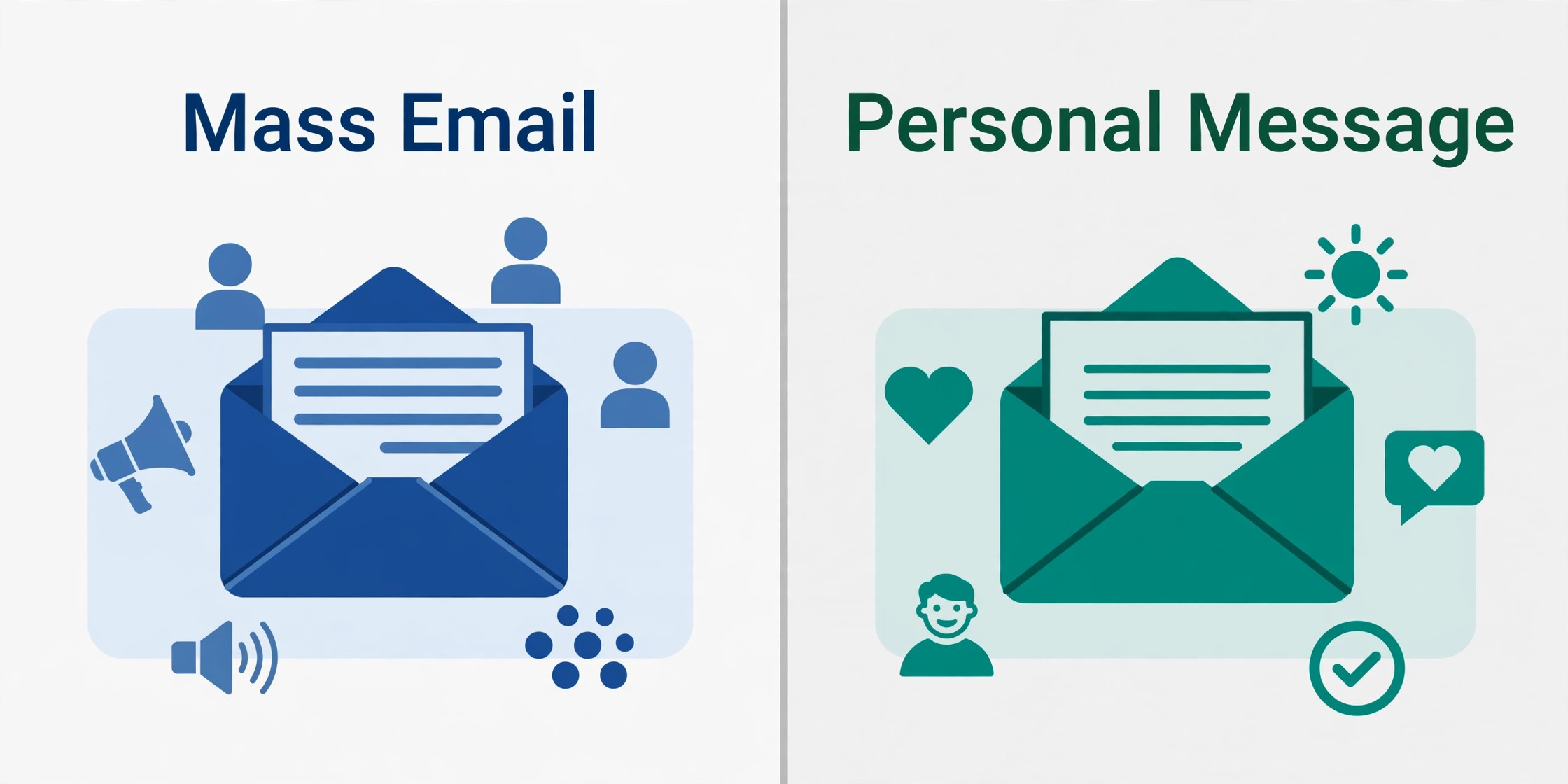
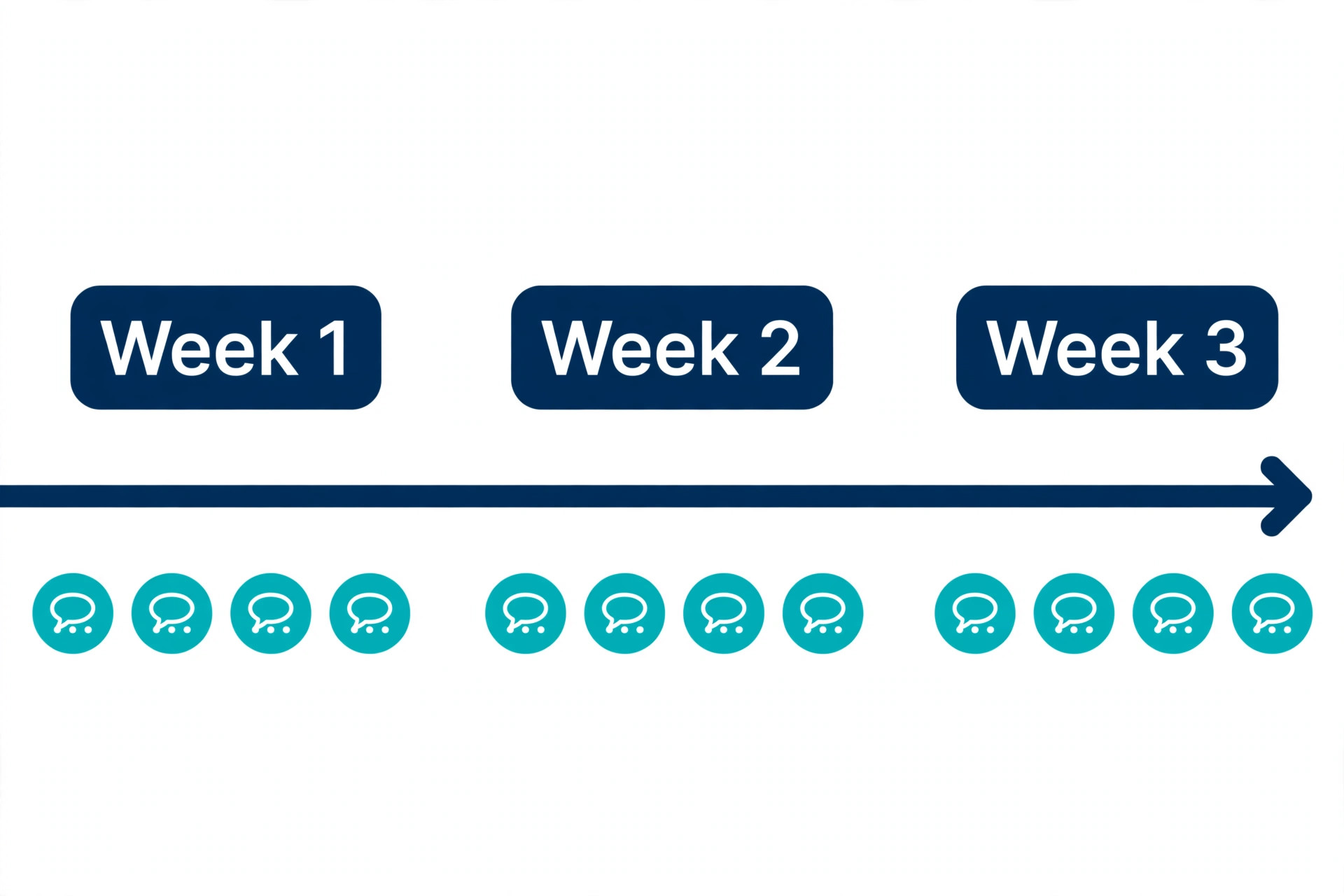
This is the overview proof workflow at the heart of the guide, a sequence you can run for each lapsed group without turning into a nuisance. It has four steps over about three weeks, and it stops the moment a customer replies, books, or asks not to be contacted. How to win back lost customers small business teams approach with patience usually works better than a single loud discount blast, because it gives the customer time to remember why they liked you.
Step 1. Send a personal check in that names the last service or product, asks how they are, and invites a reply without an offer.
Step 2. Three to five days later, share a genuine update, such as a new service, a fixed problem, or a useful tip, with a soft invitation to return.
Step 3. About a week later, send the tiered offer that fits the group, with a clear deadline and a simple way to claim it.
Step 4. One week after the offer, send a final note that asks whether they would like to stay in touch, then move non responders to a light monthly list or remove them.
The first message should not sell anything. A message that opens with a discount tells the customer you only noticed them when you wanted a sale. A message that opens with a genuine check in, naming the service they last used, tells them you remember them as a person. Keep it short, sign it with a name, and ask one open question, such as whether their needs have changed. Many customers will reply to that message with the real reason they left, which is information no survey will give you as honestly.
The update message is where you show change. If you fixed the problem that drove customers away, say so plainly and briefly. If you added a service, changed opening hours, or hired a specialist, mention it in terms of what it means for the customer, not as a company announcement. A customer who left because of limited hours cares that you now open on Saturdays. A customer who left because of slow replies cares that response times have improved. Generic news will be ignored. Specific change will be read.
The offer message should be the third message, not the first, because by then the customer has heard from you twice without pressure. State the offer in one line, state the deadline, and state how to claim it in one step. A claim process that needs a code, a form, and a phone call will lose most of the customers who were ready to return. Test the claim process yourself before launch, and make sure staff know the offer so a returning customer is not met with confusion at the desk.
The final note must respect the outcome. Thank the customer, ask whether they would like occasional updates, and accept silence as an answer. Move non responders to a monthly list with useful content, or remove them if they have shown no engagement over several months. A clean list is more valuable than a large list, because it keeps your sender reputation healthy and your team focused on people who might actually return.

Fix the Reason Before You Invite Anyone Back
A win back campaign that invites customers back to the same problem will fail twice. If customers left because of slow service, long waits, rude handling, or a missing feature, fix that problem first, or at least make a visible start on it, before you send the first message. Returning customers will test the fix on their first visit, and a second disappointment is usually final.
Learn the real reason, not the recorded reason
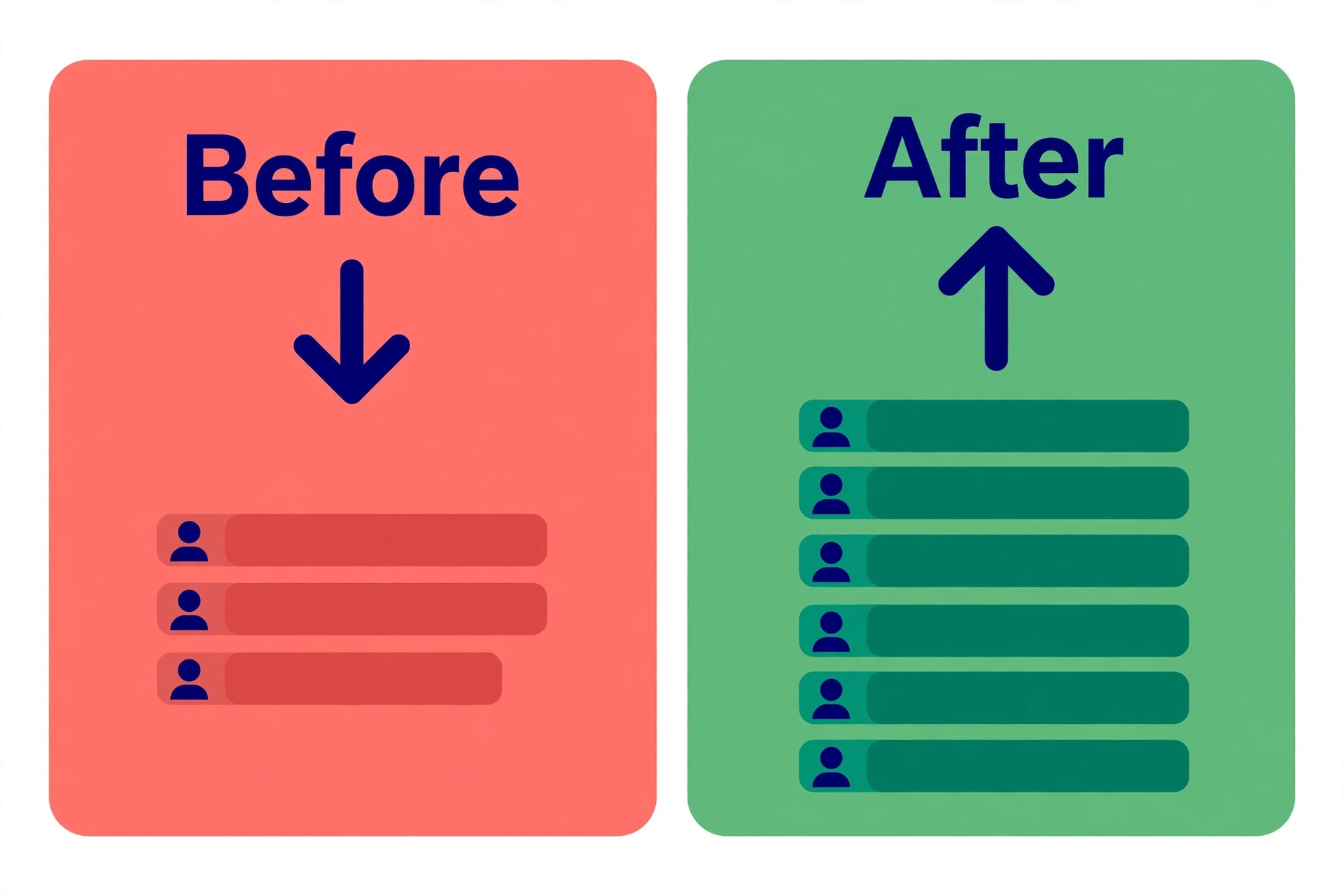
Recorded loss reasons are often wrong, because staff pick a safe option or guess when a customer leaves quietly. A short survey or a few phone calls to recent lapsed customers will reveal more truth than a spreadsheet of dropdown choices. Ask three questions only. What made you stop using us. What would need to change for you to return. Is there anything we should know about your last experience. Listen without arguing, thank the customer, and record the answer in their own words. Patterns across ten honest answers will guide your fixes better than a hundred guessed reasons.
Share the findings with the team in a plain summary, without blaming individuals. If the pattern is slow replies, change the reply rota. If it is price, build a lower entry option. If it is a single service fault, retrain or replace that step. Then, and only then, write the win back messages around the fix, because the fix is the story that makes a return credible. Customers can forgive a past fault when they see real change. They rarely forgive being asked back to the same fault.
Protect the customers you still have
A win back campaign should never come at the expense of current customers. If staff time is pulled into win back calls while current clients wait, you will lose new customers while chasing old ones. Set a clear time budget for win back work, such as a few hours a week, and protect service for current clients first. Also make sure returning customers do not receive a better deal than loyal customers who never left, or the loyal customers will notice and feel punished for their loyalty.
A fair approach is to offer returning customers a welcome back benefit that is also available, in some form, to loyal customers, such as early access or a free upgrade. Keep the terms visible to staff, so a loyal client who asks can be offered something comparable without an argument. Retention and win back are parts of the same job. A business that only chases lost customers while ignoring current ones will always be running to stand still.
Tools That Support Win Back Work
The tools named here are sponsor natural choices for small businesses that run email and customer outreach, and you should confirm current features and terms on the vendor page before you buy. HubSpot suits businesses that want customer history, segments, and follow up tasks in one CRM, so lapsed groups can be built from real purchase data. Mailchimp suits small businesses that need simple email segments and automated sequences without a steep setup. Klaviyo suits businesses with an online store that want segments based on purchase behaviour and browsing. ActiveCampaign suits businesses that want email, automation, and CRM features tied together for longer sequences.
Choose a tool on segmentation first, because how to win back lost customers small business outreach depends on reaching the right group with the right message. It must let you build a lapsed list by last purchase date, by value, and by reason, and it must stop the sequence when a customer replies or books. It must also show opens, replies, and returns by group, so you can see which tier worked and which group ignored you. A tool that only sends a mass email to everyone will not support the tiered approach in this guide, no matter how polished the templates look.
Start with the customer data you already have, even if it is a spreadsheet, and clean it before importing it anywhere. Remove duplicates, fix wrong emails, and delete contacts who asked not to be contacted. A clean list of a few hundred real former customers will outperform a messy list of thousands. Test the sequence on a small group first, check that replies stop further messages, and only then roll it out to the full lapsed list.

Measure Returns Honestly
A win back campaign needs honest measurement, or it will be judged by excitement rather than revenue. Track four numbers for each group. How many customers were contacted, how many replied, how many returned and bought, and how much those returning customers spent in the next ninety days. Those four numbers tell you whether the campaign worked, which group responded, and whether returned customers stayed or lapsed again.

Set a realistic return rate
Guides on win back often suggest a return rate of 5 to 15 percent for email campaigns, with higher rates for strong relationships and recent lapses. That range comes from vendor guides rather than a single controlled study, so use it as a planning guide and confirm the detail on the vendor page if you quote it. Your own rate will depend on how recently customers lapsed, how strong the relationship was, and whether the reason they left has been fixed. A campaign aimed at customers who lapsed in the past ninety days should outperform one aimed at customers who left two years ago.
Compare the cost of the campaign with the revenue from returned customers, including staff time for personal outreach. A campaign that returns ten high value customers is worth more than one that returns fifty one time discount seekers who never come back. Track whether returned customers buy again in the following months, because a return that lasts is the real win. If returned customers lapse again quickly, the underlying service problem is still there, and the next campaign should wait until it is fixed.
Decide what to repeat each quarter
Run the audit quarterly, not once a year, so lapsed groups stay fresh and messages stay relevant. Each quarter, keep the groups and offers that returned customers, drop the messages that were ignored, and test one new idea, such as a different first message or a different offer tier. Keep a one page record of each campaign, including the group size, the messages sent, the return rate, and the revenue in the next ninety days. That record turns win back from a one off effort into a repeatable part of your marketing, and it stops the team from repeating a failed approach simply because it was tried before.
Keep Returned Customers From Lapsing Again
Winning a customer back is only half the job. If the same gaps that caused the first departure are still there, the returned customer will lapse again, and the second departure is harder to reverse. A short retention plan for returned customers, running for the first ninety days after their return, will protect the investment you made in the win back campaign. Treat returned customers as a distinct group for that period, with extra attention that fades naturally as the relationship rebuilds.
Start with a welcome back check in within a week of the return visit or purchase. Ask whether the experience met expectations, whether anything still needs fixing, and whether the customer would like a regular booking or reminder. That message shows the return was noticed, and it catches a lingering problem while there is still time to fix it. Record the answer, because a returned customer who reports a problem and gets a fast fix is more loyal than a customer who never had a problem at all.
Next, set a sensible rhythm for contact. A monthly useful message, such as a seasonal tip, a service reminder, or an early booking window, keeps you familiar without feeling like pressure. Avoid sending a discount every month, because that trains the customer to wait for the next offer. Instead, mix useful content with occasional recognition, such as a thank you after a repeat visit or a note when a new service that fits their history becomes available. The aim is a relationship, not a coupon stream, and how to win back lost customers small business owners sustain over time depends on that rhythm more than on any single offer.
Watch the early warning signs that a returned customer is drifting again. A missed appointment, a longer gap than usual between visits, or an unanswered message are all signals to act early with a friendly check in, not to wait until the customer is fully lapsed again. A short message that asks whether timing or service needs have changed will often reveal a simple fix, such as a different day, a different staff member, or a lower cost option. Acting on an early signal is far cheaper than running another full win back campaign in six months.
Finally, review returned customers as a group each quarter. Count how many are still active after ninety days, how many bought again, and how many lapsed a second time. If second lapses are high, look for a common cause, such as a service step that still frustrates customers or a price that still feels wrong for that group. Fix that cause before the next win back campaign, because repeating the same campaign to the same problem will produce the same result. This discipline is also how to win back lost customers small business results compound, because each cycle returns more customers and keeps more of them.
A business that wins customers back and then keeps them does not need to win the same people twice. It builds a base that grows slowly and steadily, with fewer gaps to fill and less money spent on cold outreach. That steady base is the real prize of a win back system, and it is built in the ninety days after the return, not in the message that brought the customer back.
Frequently Asked Questions
How long should I wait before trying to win back a lost customer
For most small businesses, 30 to 90 days after the last purchase or visit is a good window, because the customer still remembers you but has had time to settle. If a customer left after a poor experience, wait until the problem is fixed, then reach out within a couple of weeks of the fix. Waiting too long lets the customer settle with a competitor, while contacting too soon after a complaint can feel pushy. Match the timing to the reason for leaving, not to a fixed calendar alone.
Do I need to offer a discount to win back lost customers
Not always. Many customers return because of a personal message, a fixed problem, or a new service that fits their needs better than a discount would. A discount can help customers who left over price, provided it is time limited and given for a real reason. Test different approaches by group, and watch whether discounted returners buy again at full price. If they only return for discounts, the offer is training them to wait, and a service improvement may be a better investment.
What is a good win back rate for a small business
A return rate of 5 to 15 percent is a common planning range in vendor guides for email win back campaigns, with recent lapses and strong relationships at the higher end. Your own rate will vary by industry, lapse length, and whether the departure reason was fixed. Judge the campaign by revenue from returned customers over ninety days, not only by the first return, because a customer who returns and stays is worth far more than a customer who returns once for a discount.
Should I call lapsed customers or email them
Email suits the wider lapsed list, because it is low cost and easy to segment, while a personal call suits high value customers who are most worth recovering. Start with email for most groups, and call the top group where a conversation could uncover the real reason for leaving. Always respect contact preferences and stop at once when a customer asks not to be contacted. A call that feels like pressure will close the door, while a call that listens can reopen it.
How do I win back a customer who left after a bad experience
Apologise for the specific problem, explain what changed, and offer a supported return with a named person looking after them. Do not open with a discount, and do not argue about what happened. If the problem is not fixed, do not invite the customer back yet, because a second disappointment is usually final. When the fix is real, a short personal message from the owner often works better than a polished marketing email.
How often should I run a win back campaign
Run a full audit quarterly, with smaller outreach to newly lapsed customers each month. A quarterly rhythm keeps groups fresh, messages relevant, and staff workload manageable. Avoid contacting the same lapsed customer more than once per quarter with a win back offer, and move non responders to a light monthly list or remove them. Frequent win back messages to the same people will feel like chasing, and they will damage the reputation you are trying to repair.
More Reading on Stratilyze
For customer software options, read Best CRM for Cleaning Companies and Best Client Management Software for Nutritionists. For asking happy customers to spread the word, How to Ask Customers for Google Reviews as a Small Business covers the right moment to ask. For a related scheduling topic, Best Scheduling Software for Home Care Agencies shows how reliable booking supports retention. Each post supports the win back system in this guide.