

Learning how to negotiate a raise with AI starts with a hard fact. Most employees who ask for a raise without market data get a smaller increase, or no increase at all, than colleagues who walk in with documented evidence. Surveys of hiring managers consistently show that a specific, evidence backed request is far more likely to succeed than a general plea based on loyalty or effort alone. AI does not change that rule. It changes how fast you can gather the evidence, test your wording, and prepare for pushback, so you enter the meeting with numbers, options, and calm answers instead of hope and a vague script.
This guide shows a practical method. You will collect pay benchmarks, quantify your contribution, draft and rehearse your ask, plan for common objections, and follow up in writing. It covers which AI tools help at each stage, where human judgement must stay in charge, and the mistakes that turn a strong case into a weak one. Prices and features for the tools mentioned change often, so check the current pricing page and checkout before you pay for anything.
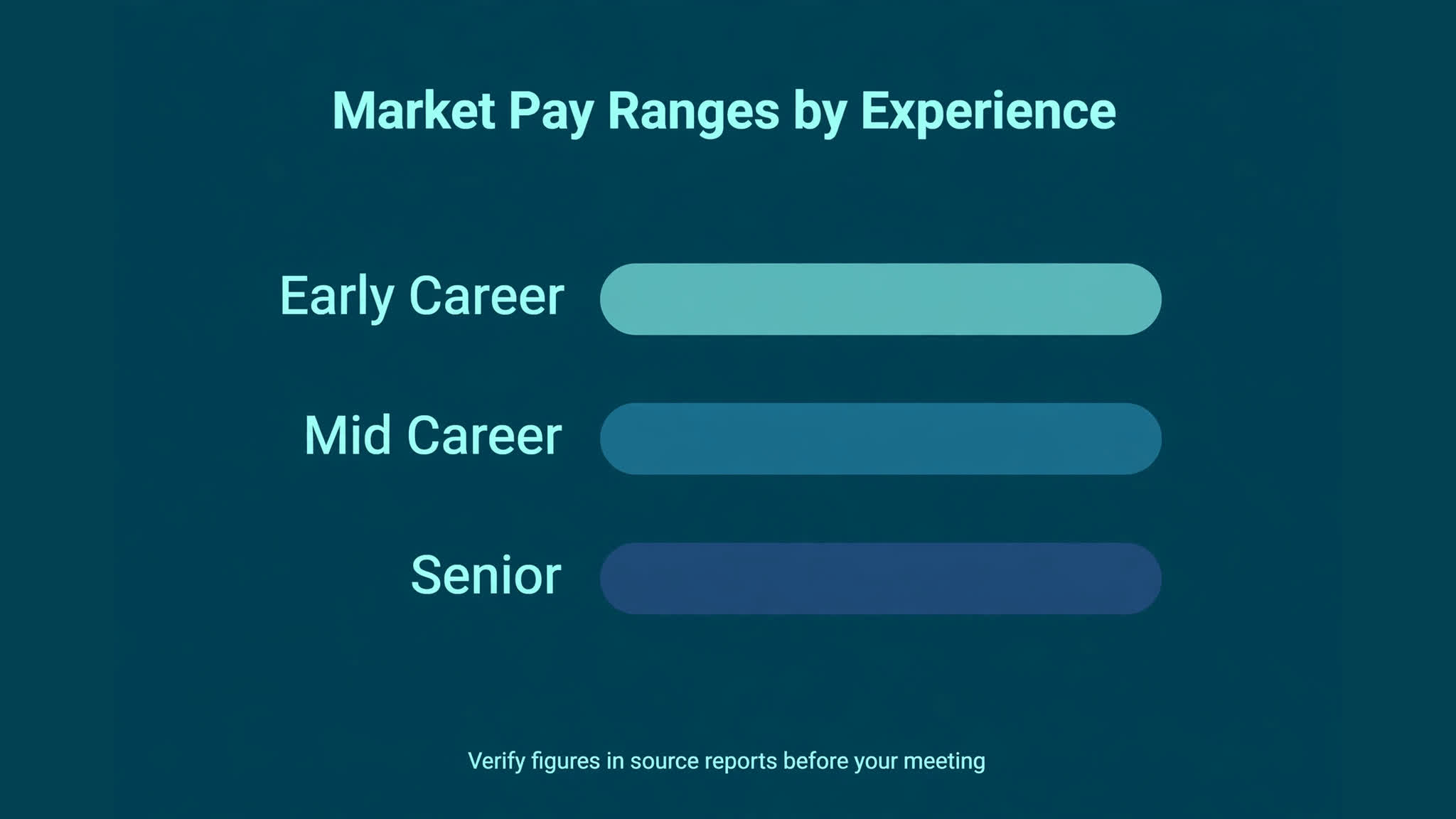
How to Negotiate a Raise with AI. Start With Market Data, Not Feelings
The first job is to find out what your role pays in your city, industry, and company size in 2026. AI research tools can summarise salary reports, job postings, and compensation surveys much faster than manual searching, but they can also mix old data with new data and present an average as if it were a precise figure for you. Treat every AI output as a draft to verify, not a final answer.
Begin by listing your exact job title, years of experience, location, industry, company size, and any specialist skills that command a premium. Feed that profile into a general AI assistant and ask for a pay range from at least three independent sources, with the source name and publication date for each figure. Then open those sources yourself and check the numbers. The spread between sources tells you where the realistic range sits and where an ambitious but defensible ask sits.
Next, separate base pay from total compensation. A job that pays less in salary but offers a larger bonus, equity, extra leave, or remote work may beat a higher salary offer on total value. Build a simple table for yourself, with base salary, bonus target, equity or stock, pension or retirement match, leave days, remote days, training budget, and title. Fill it with figures from your offer letter, payslips, and benefits documents. Never share confidential company pay data, internal salary bands, or a colleague’s pay with a public AI tool. Use ranges and your own figures only, and check your employer’s policy on sharing compensation information before you discuss pay with peers.
A useful test at this stage is the replacement test. If you left tomorrow, what would your employer pay to replace you, including recruiting fees, onboarding time, and lost knowledge? AI can help you estimate recruiting costs and time to productivity for your role, but the strongest evidence comes from your own work, projects shipped, revenue protected, costs saved, customers retained, and problems solved that only you could solve quickly. Write those down with dates and measurable outcomes before you move to scripting.
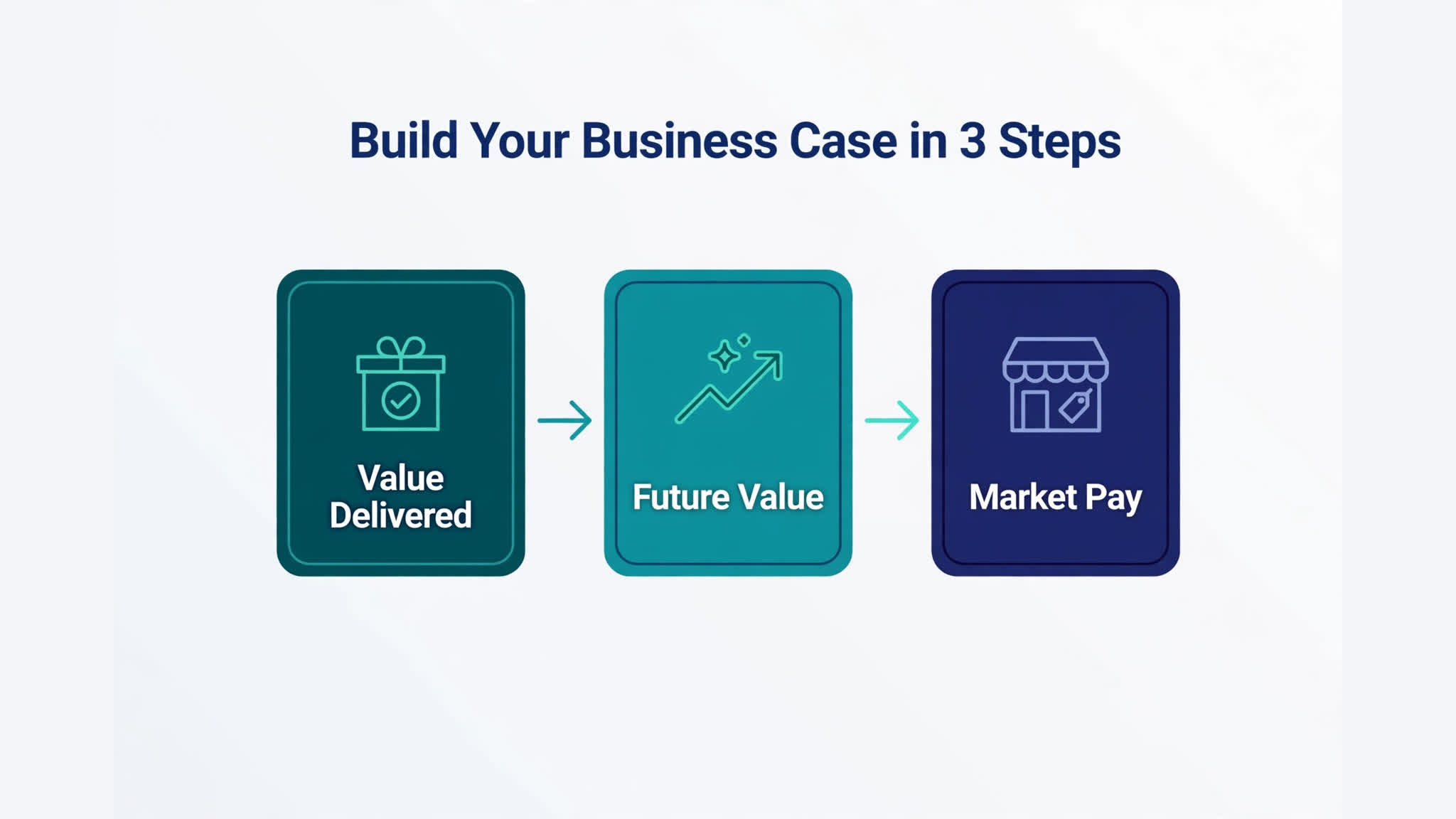
Build Your Business Case Before You Write a Single Script
Managers approve raises for business reasons, not for personal reasons alone. Cost of living matters to you, but a manager needs to justify the increase to finance and to peers who also want raises. Your case should answer three questions in order. What value have you delivered? What will you deliver next? What does the market pay for that value?
Start with a 12 month review of your work. List every major project, the result, and the metric that changed. Revenue grown, churn reduced, delivery time shortened, support tickets cut, compliance risk removed, and team output improved are all stronger than activity counts such as meetings attended or emails sent. Where you do not have an exact metric, use a credible proxy and label it as an estimate. For example, if you automated a report that saved five hours a week for four people, that is roughly 1,000 hours a year. Multiply by a loaded hourly cost only if you can defend the rate, and show your working.
AI is useful here as an editor and a challenger. Paste your bullet list into an assistant and ask it to rewrite each point in outcome language, to flag vague claims, and to ask you the hard questions a manager would ask. Which of these results would have happened without you? What did you own end to end, and what did you support? What evidence do you have beyond your own memory? That challenge step matters because it stops you from walking in with inflated claims that collapse under the first follow up question.
Then set your target and your walk away point. Research suggests that asking for a specific range, anchored at the top by market data, works better than asking for a single round number or saying “whatever you think is fair.” Decide three numbers in private, your ideal outcome, a realistic outcome you would accept happily, and the minimum that would keep you engaged. Also decide what non salary items would close the gap if salary cannot move, such as a bonus, extra leave, a title change, remote days, a training budget, or a formal review in six months with agreed targets.
AI can help you model those trade offs in a table, so you are not forced to improvise when the manager says the salary budget is fixed.
Compare the AI Tools That Actually Help With a Raise
Not every AI tool earns its place in this process. A general chatbot is enough for research summaries, drafting, and rehearsal. A dedicated salary tool is better for benchmarks. A meeting transcription tool helps you review a practice session. A presentation tool helps you build a one page summary for your manager. The table below compares the main options by job, not by hype.
| Tool | Best job in a raise negotiation | Watch out for |
|---|---|---|
| ChatGPT | Research summaries, script drafts, objection rehearsal, email drafts | Can mix old salary data with new data; verify every figure |
| Claude | Long document review, tightening a business case, tone checks | Still needs source checking; do not paste confidential data |
| Gemini | Research across recent web sources, spreadsheet help | Summaries may omit source dates; open the source |
| Glassdoor and Levels.fyi | Salary benchmarks by role, location, and company | Self reported data; check sample size and date |
| LinkedIn Salary and job postings | Live market signals from current openings | Posted ranges can be wide or aspirational |
| Otter.ai or Fireflies | Transcribing practice sessions for review | Get consent before recording any real meeting; check local rules |
Pricing for these tools changes frequently and free tiers differ by region. Check the official site for ChatGPT, Claude, Gemini, Glassdoor, LinkedIn, Otter.ai, and Fireflies before you subscribe, and use a free tier first. For most employees, a free general assistant plus free salary sites is enough. Pay only if you need longer document handling or regular transcription, and cancel after the negotiation if you do not need it ongoing.
A practical workflow is to use one assistant for research, a second pass for editing, and your own spreadsheet for numbers. Do not let a single AI answer become your whole case. Cross check the pay range in at least two independent sources, keep links to those sources, and bring a printed or shared one page summary to the meeting. Managers trust a short, sourced document far more than a long AI generated letter.

Draft Your Ask in Plain Language
Your opening should be short, specific, and respectful. Aim for under 90 seconds when spoken. State your appreciation, your request, and your evidence in that order, then stop talking and let the manager respond. Silence after an ask is uncomfortable, but filling it with apologies or extra justifications weakens the request.
A structure that works in most workplaces sounds like this. “I would like to discuss adjusting my compensation to reflect my current role and market rate. Based on market data for this role in this city and my contributions over the past year, including [two strongest results], I am asking for a base salary of [range]. I would like to understand what is possible and what targets would support that.” AI can generate ten versions of that paragraph in different tones, from direct to collaborative. Pick the version that sounds like you, then edit it until every sentence is true and defensible. If a sentence sounds impressive but you cannot explain it under questioning, delete it.
Write a separate version for email if your manager prefers a written request first. The email should be shorter than the meeting script, not longer. Include the ask, two or three headline results, and a request for a meeting. Attach or link the one page summary only if your workplace culture supports it. Some managers prefer a conversation first and a document after; others want the document before they can seek approval. Ask a trusted peer or mentor which order works in your company, and follow that norm.
Rehearsal is where AI earns its keep. Use voice mode or a role play prompt and ask the assistant to play a supportive manager, a budget constrained manager, and a sceptical manager in turn. Practise answering without reading from a script. Record a practice run, transcribe it, and look for filler phrases, overlong answers, and moments where you apologise for asking. Cut those. A strong negotiation voice is calm, specific, and unhurried. It does not rush, threaten, or oversell.

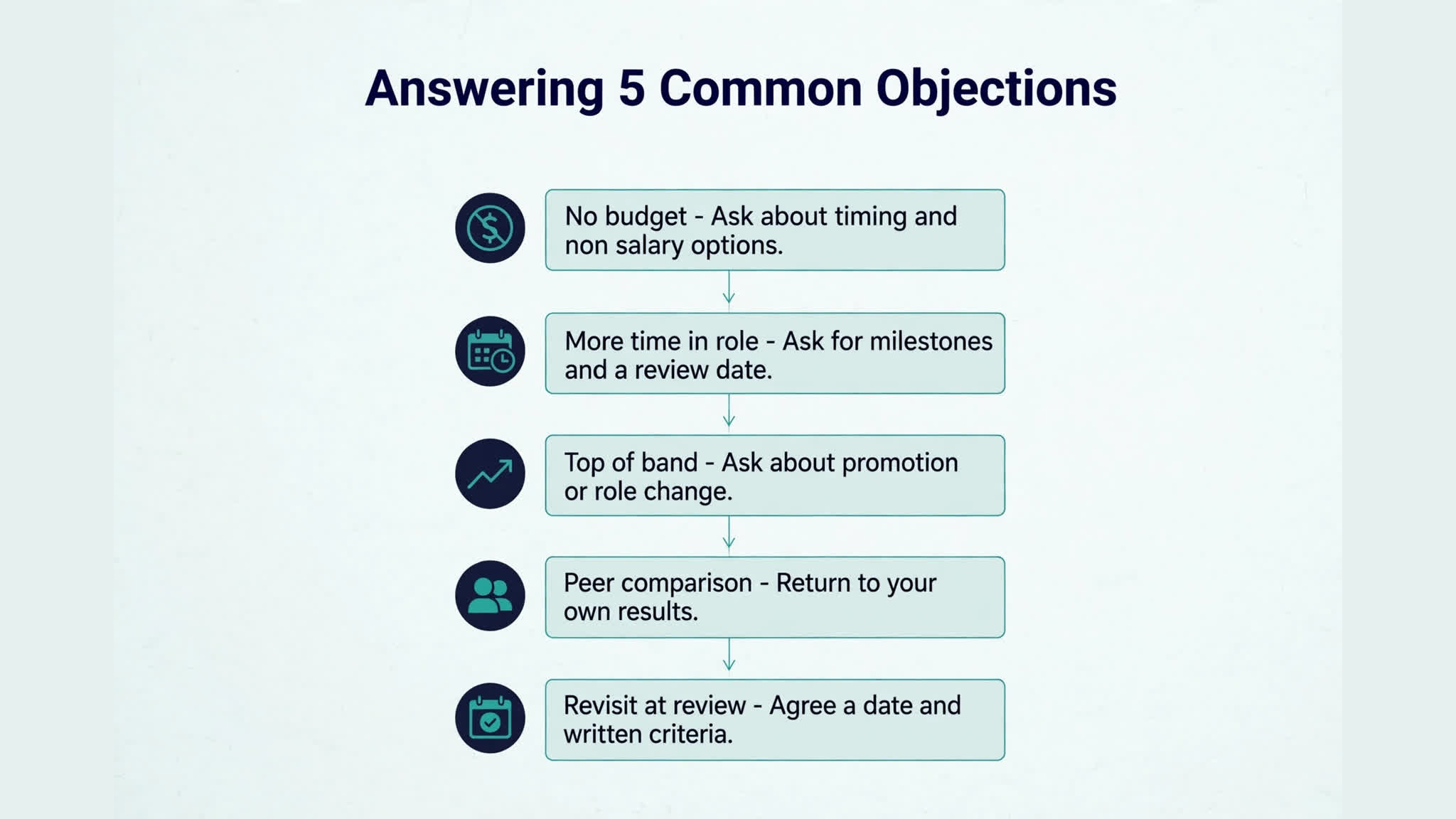
Prepare for the Five Objections You Will Actually Hear
Most raise conversations stall on a small set of objections. Preparing a calm answer for each one in advance prevents the meeting from ending with “let me think about it” and no next step.
First, “There is no budget right now.” Answer by asking what the budget cycle looks like, what non salary items are possible now, and what targets would secure the increase at the next review. Get a date and a written summary of any agreement, even if it is only an email confirming the discussion.
Second, “You need more time in role.” Ask what specific milestones, skills, or scope changes would close that gap, and how progress will be measured. Vague feedback such as “keep doing what you are doing” is not a plan. Push politely for two or three observable criteria and a review date.
Third, “Your pay is already at the top of the band.” Ask to see the band if your company shares it, or ask what a promotion or role change would require. A title change, a scope increase, or a move to a different band may be the honest route to higher pay, and it is better to learn that now than to repeat the same ask in six months.
Fourth, “We need to compare you with peers.” Do not argue about colleagues by name. Return to your own results, your market data, and the scope you carry. If peer comparison is the real blocker, ask what evidence would change the comparison, such as owning a larger project or a customer segment.
Fifth, “Let us revisit this at performance review time.” Agree to the timeline only if it comes with a date, a written record, and agreed criteria. Otherwise the review becomes a delay tactic. AI rehearsal helps here because you can practise each answer until it sounds firm without sounding adversarial. Keep every answer under four sentences in the meeting. Longer answers invite debate about details instead of a decision about the outcome.
Choose Your Timing and Your Channel
Timing matters as much as wording. The best moments are after a visible win, during a planning or budget cycle, after a scope increase, or at a scheduled review where compensation is on the agenda. The worst moments are during a crisis, immediately after a team setback, or when your manager is under visible pressure. AI cannot tell you your company’s budget calendar, but it can help you draft a timeline that works backwards from the review date, with research, drafting, rehearsal, and follow up steps spaced over two to three weeks.
Channel choice also matters. A face to face or video meeting is better than email alone for a first ask, because tone and listening matter. Email is better for the follow up record. If you work remotely, a video call with cameras on is the closest equivalent. Avoid negotiating a raise over chat messages, where nuance is lost and wording can be screenshotted out of context. If your manager insists on a written process, follow it, but still ask for a short conversation to discuss the document.

How to Choose the Right Approach for Your Situation
Not every employee should use the same script. Your approach should match your bargaining position, your relationship with your manager, and your alternatives. Use this decision guide to pick a stance before you draft anything.
If you have strong market data, recent wins, and a good relationship with your manager, a direct collaborative ask works best. Lead with evidence, ask for a range, and invite problem solving if the full amount is not possible.
If you have a competing offer, decide before the meeting whether you would actually accept it. Using an offer you would not accept as a threat usually backfires, because managers remember the threat after the raise is granted. If you would accept it, say so calmly, share the relevant terms without naming confidential details, and give a clear deadline. If you would not accept it, do not mention it. Strengthen your internal case instead.
If you are early in your career or new to the role, focus on a growth plan with milestones and a review date rather than a single large ask. A smaller increase tied to clear targets builds credibility and sets up a stronger case next time.
If you are underpaid by a large margin, 20 percent or more below market, a single conversation may not close the gap. Plan a two stage approach, a correction now, a promotion or scope change next, and a written plan linking the two. AI can help you draft that plan, but you must be ready to consider an external move if the gap does not close.
Whatever approach you choose, keep the conversation professional and private. Do not discuss your negotiation with colleagues in a way that creates pressure or gossip, and do not post details on social media. A raise negotiation is a business discussion, and treating it that way protects your reputation even if the answer is no.
Follow Up in Writing Within 24 Hours
A negotiation is not finished when the meeting ends. Send a short thank you email within 24 hours that records what was discussed and what was agreed, without adding new demands. Thank your manager for the time, restate the outcome in neutral language, list any next steps and dates, and note any non salary items that were agreed. This email protects both sides. It prevents a verbal agreement from drifting, and it gives your manager a document to use when seeking approval from finance or a senior leader.
If the answer was yes, confirm the amount, the effective date, and whether the change affects bonus, equity, or title. If the answer was a partial yes, confirm the partial amount plus the review date and criteria for the remainder. If the answer was no, thank your manager, restate the criteria discussed for a future increase, and confirm the review date. Keep the tone gracious even when disappointed. A professional follow up keeps the door open and makes the next conversation easier.
AI can draft that follow up in seconds, but you must check every number and date before sending. An AI draft that misstates the agreed salary by even a small amount creates confusion and undermines trust. Read the email aloud, compare it with your meeting notes, and send it only when it matches what was actually said. If your manager corrects your summary, accept the correction gracefully and keep the corrected version as your record.
If no decision is made in the meeting, agree a decision date before you leave. “I will come back to you by Friday” is not a plan unless Friday has a date and a named owner. Ask directly. “When should I expect an answer, and is there anything else you need from me before then?” That question moves the conversation from open ended hope to a dated commitment, and it gives you a legitimate reason to follow up if the date passes without news.
Negotiate the Whole Package, Not Just the Salary Number
Salary is the headline, but total compensation often has more room to move. When the salary budget is fixed, managers can sometimes approve a signing or retention bonus, extra leave, remote days, a training budget, conference attendance, a title change, or a faster review cycle. Each of those items has real value, and some have long term value beyond a single pay rise.
Build a ranked list before the meeting. Put salary first, then list two or three non salary items in order of value to you. For example, five extra leave days may be worth more to a parent than a small salary increase, while a title change may matter more to someone planning a promotion in the next year. AI can help you price those items roughly. Extra leave days have a daily salary equivalent, a training budget has a course cost, and remote days save commuting time and cost. Show that working in your private notes, but do not present every calculation in the meeting. Present the items, not the spreadsheet.
Be careful with equity and bonuses. A bonus that depends on company performance is not the same as guaranteed salary, and equity that vests over four years is not the same as cash today. Ask for the vesting schedule, the performance conditions, and the tax treatment in your country, and get those details in writing. AI can explain common structures in plain language, but it cannot give personal financial advice for your tax situation. If the package is complex, consider a short session with a qualified adviser before you accept.
Example Scripts You Can Adapt, Not Copy Word for Word
Scripts work best when they sound like you. Use these examples as starting points, then rewrite them in your own voice and with your own numbers. AI can generate variations, but the final version should be one you can say naturally without reading.
Opening script for a strong case. “Thank you for meeting with me. I want to discuss my compensation. Over the past year I have led [project] which [result], and I have taken on [new scope]. Market data for this role in [city] puts the range at [range], and my current pay sits below that range. I am asking for a base salary of [range]. I would welcome your view on what is possible and what would support that.”
Script for a budget constrained response. “I understand budgets are tight. If the full amount is not possible now, what combination of a smaller increase now, a formal review in six months with agreed targets, and extra leave or training would be possible? I want to find a workable path, not just a single number.”
Script for a delayed decision. “Thank you for considering this. Can we agree a decision date and the information you need from me before then? I will send a short summary of our discussion today so we have a shared record.”
Script for a no. “Thank you for being direct. Can you help me understand what would need to change for this to be approved next time, and can we set a review date with those criteria in writing? I value this role and I want a clear path forward.”
Practise each script with an AI role play partner at least three times, with different manager personalities. The first run will feel awkward. The third run will feel steadier. That steadiness is the point. Managers respond to calm specificity far more than to perfect wording.
Mistakes That Weaken an Otherwise Strong Case
The most common mistake is leading with personal costs. Rent, childcare, debt, and cost of living are real pressures, but a manager cannot approve a raise based on personal expenses alone, and leading with them invites sympathy instead of a business decision. Mention personal context briefly if it is relevant, then return quickly to market data and contribution.
The second mistake is threatening to leave when you have no intention of leaving. An empty threat damages trust and, if the manager calls it, leaves you with no good next move. Only mention an external offer if you would genuinely accept it, and present it as information, not as an ultimatum.
The third mistake is accepting the first answer without a next step. “Let me think about it” is not a decision. Always leave with a date, a named owner, and a written summary. Without those, the conversation fades and you must start again from zero in three months.
The fourth mistake is sharing AI outputs without checking them. An AI generated salary figure from 2023, a misquoted project result, or a script that promises a number you cannot defend will collapse under questioning. Verify every figure, every date, and every claim before the meeting. Your credibility is the asset you are negotiating with, and one unchecked error can cost more than the raise itself.
The fifth mistake is negotiating only once a year. Pay discussions should be part of an ongoing conversation about scope, results, and market movement. Keep a running log of wins, feedback, and scope changes through the year, update your market data quarterly, and raise compensation as part of regular reviews, not as a surprise annual event. AI can help you maintain that log if you feed it dated entries and ask for a quarterly summary, but the log itself must be yours, accurate, and private.
For readers building a wider career toolkit, related guides on this site cover how to build a personal brand with AI and best AI tools for project managers, both useful when your next role depends on visible, documented work.
Frequently Asked Questions
How much should I ask for when I negotiate a raise with AI help?
Ask for a range anchored in verified market data, not a single number pulled from one AI answer. A range of 10 to 15 percent wide, with the top near the market median or upper quartile for your experience, is defensible in most cases. If you are far below market, a larger correction may be justified, but present it in stages with a promotion or scope plan rather than as a single demand.
Can AI write my raise request email for me?
Yes, AI can draft it, but you must edit it heavily. Remove generic praise, add your real results and numbers, shorten it to the essential ask, and check the tone against your workplace culture. A letter that sounds polished but generic is less persuasive than a short, specific email in your own voice.
Should I mention that I used AI to prepare?
There is no need to mention AI unless your workplace requires disclosure for work documents. Preparation help is normal, just as using a spreadsheet or a mentor is normal. What matters is that every figure is verified and every claim is yours. Do not present AI generated text as original research, and do not share confidential company data with a public tool.
What if my manager says no to everything?
Ask for a written growth plan with milestones and a review date, then decide privately whether the plan is credible. If the plan is vague, the review date keeps slipping, or the market gap stays large, start an external search in parallel. A no to a well prepared case is useful information. It tells you how your employer values the role, and that information should shape your next career move.
Is it risky to negotiate a raise in 2026?
Negotiating professionally is normal and expected in most workplaces, and managers generally respect a calm, evidence based request more than silence followed by resignation. Risk rises when the request is aggressive, based on unverified data, or delivered as a threat. Keep the tone collaborative, keep the evidence strong, and keep a written record, and the risk stays low.
How often should I revisit pay after a raise?
Review your market position every six to twelve months, or sooner if your scope changes materially, you complete a major project, or you receive an external offer. Keep your win log updated so the next conversation starts from evidence, not from memory.
A Calm, Evidence Based Close
A successful raise negotiation is rarely won by a clever phrase. It is won by preparation, verified market data, a clear record of results, a specific ask, rehearsed answers to objections, and a written follow up. AI makes each of those steps faster, but it cannot replace judgement about your company, your manager, and your alternatives. Use AI to research, draft, and rehearse, then bring your own knowledge of the work and the workplace into the room.
Start this week, not the week before your review. Spend one evening on market data, one evening on your business case, and one evening on rehearsal. That three evening plan turns a stressful ask into a structured conversation, and it gives you the best chance of an outcome that reflects the value you actually deliver. If the answer is yes, confirm it in writing. If the answer is partial, confirm the path to the rest. If the answer is no, confirm the criteria and the date, then decide your next move with clear eyes. That discipline, repeated over a career, is worth far more than any single increase.